





























Are Recliners Good for Lower Back Pain? Fit and Support Checks

A useful seating check begins with what happens when you sit down: where the chair touches your back, whether your feet are supported, and how easily you can change position. A recliner gives you another way to adjust those contact points. Your response to a particular chair is more useful than choosing by the word ergonomic alone.
How a Recliner May Feel Different
Adjusting the back and footrest changes the way your body rests against the chair. Some people find a reclined position comfortable for a short break. Others feel worse when the seat is too deep, the back pushes in the wrong place, or their legs are held in an uncomfortable position.
Use comfort as feedback while adjusting, and keep your existing care plan in mind. If pain is persistent or limits your usual activities, a clinician or physiotherapist can help you identify what needs attention. South Tees Hospitals' posture guidance for people with back pain describes individual differences in comfortable positions and the value of varying them.

Check Seat Depth and Lower-Back Contact
- Sit back into the seat. Notice whether you can reach the backrest without sliding or curling forward.
- Check the seat edge. It should allow comfortable support beneath your thighs without unwanted pressure behind your knees.
- Check your feet upright. Consider whether the seat height lets you sit down and stand up using your usual, comfortable method.
- Feel the lumbar support. It should meet your lower back in a position that feels comfortable, rather than pushing you away from the backrest.
- Try a small adjustment. Change the recline gradually and notice whether the contact and symptoms improve or worsen.
A small support cushion may help some people fill a gap. Keep its size modest enough that you can still sit back comfortably. If an added cushion increases pain or pushes you forward, remove it and reassess the fit. Our seat height and usable-depth guide shows how back cushions and seat compression affect the space you actually sit in.

Adjust the Back, Footrest, and Headrest
| Adjustment | What to observe | What to compare |
|---|---|---|
| Backrest | Whether your back rests comfortably as the angle changes. | Range of movement and how easily you control it. |
| Footrest | Support under the lower legs and pressure near the seat edge. | Extended position and its relationship to the backrest. |
| Headrest | Head support when reading or watching television. | Manual or powered adjustment and whether it operates independently. |
| Lumbar support | The position and amount of contact with your lower back. | Fixed cushion versus an adjustable support. |
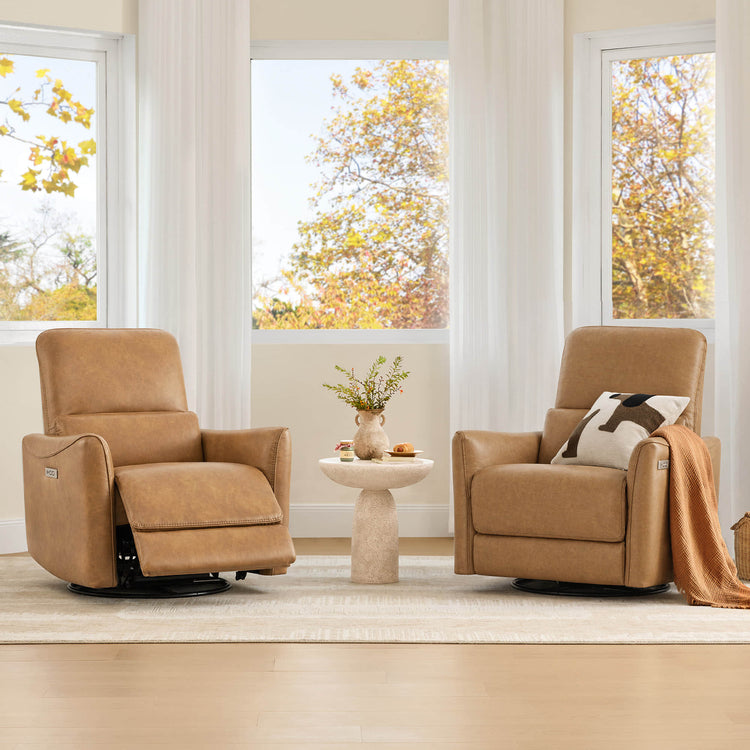
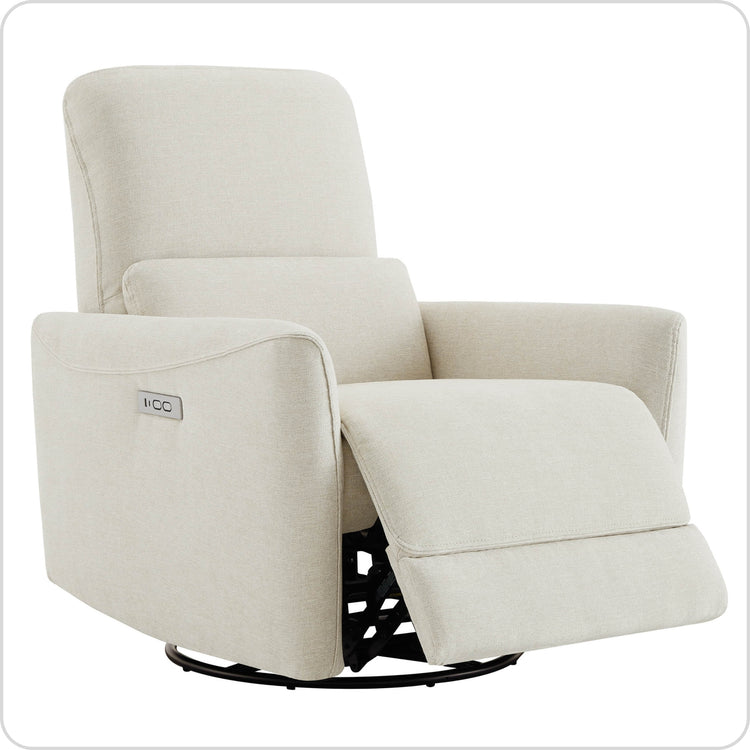
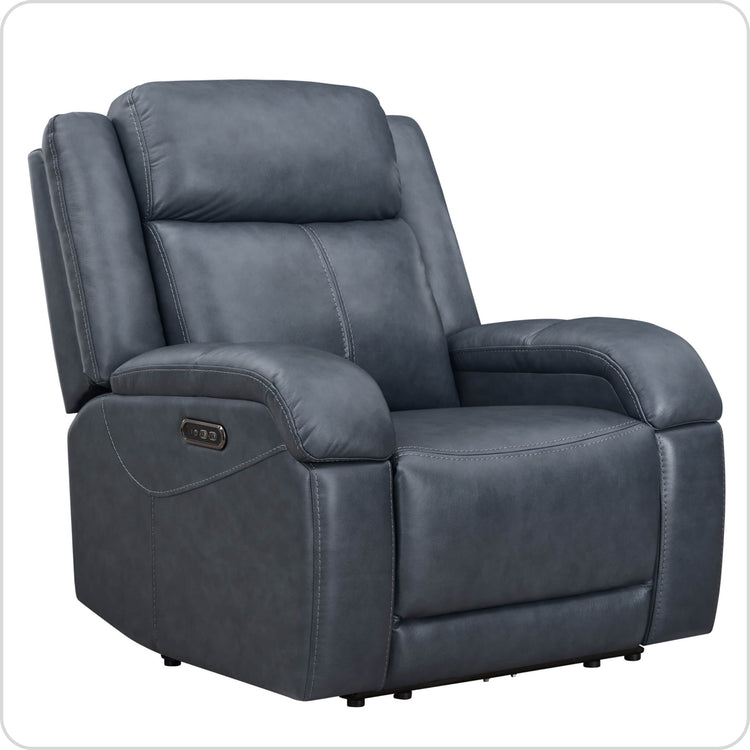
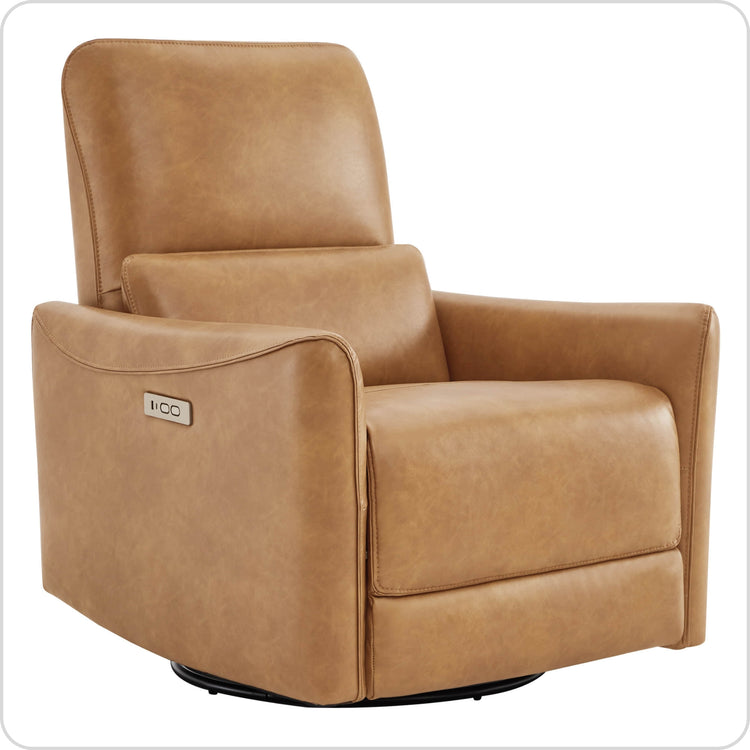
These are distinct product features. Our Tracee recliner has a fixed lumbar cushion. Our Joy recliner has a manually adjustable headrest. Compare the controls and support type on the exact model you choose. Our recliner collection lists more models so you can compare their support and control features individually.

Check the chair while doing your usual activity. Bring a book to a comfortable reading height or check the television's position so you can keep your head comfortable. Try returning upright and standing as well as reclining. For older adults, the National Institute on Aging's seating-height guidance for home fall prevention also emphasizes ease of getting in and out of the chair.
Keep Movement in Your Day
Plan changes of position and activity around what you can comfortably do and any advice from your care team. The NHS back-pain guidance encourages staying active and continuing usual activities as tolerated, with medical advice when symptoms persist or cause concern.
A short rest in a comfortable chair can be part of your day. Notice if one sitting position leaves you more stiff or sore, and adjust your routine. There is no single sitting duration or recline angle that fits every person with lower-back pain. Our guide to zero-gravity positioning and separate recliner functions explains what the furniture terms describe when you compare adjustments.
After surgery, use the movement and positioning instructions from your surgical team. If you need a seat that supports a particular transfer method, send us the seat dimensions and functions your transfer method requires when comparing our chairs.
Symptoms That Need Medical Attention
Seek prompt medical advice for severe pain that starts suddenly, pain that is worsening quickly, or back pain with fever or feeling unwell. Persistent pain that affects everyday activities also deserves assessment.
Get emergency medical help for back pain with new weakness or numbness in both legs, loss of feeling around the genitals or anus, or changes in bladder or bowel control. These symptoms need urgent evaluation; changing chairs should not delay care.
FAQs
Are recliners good for lower-back pain?
A recliner may give you a comfortable resting position, though the useful test is how you feel in it. Sit back, support your feet or lower legs, and adjust the back a little at a time. Notice whether pain eases, stays the same, or increases, and whether you can change position and stand again comfortably. Use a position that feels better and keep suitable movement in your day. Pain that persists for weeks, worsens, or interrupts normal activities needs assessment.
How should I find a comfortable recline angle?
Start with a supported upright position. Change the backrest gradually, pausing at each position to notice your lower back, the backs of your knees, and your neck. If the headrest adjusts separately, change it without moving the backrest so you can tell which adjustment helps. Stop at a comfortable setting you can leave easily; a number such as 135 degrees describes the chair's angle, not a treatment target. Follow any position limits given after an operation.
Can a recliner make my back feel worse?
Yes. A seat that feels too deep may make you slide forward to reach the floor; a large support cushion can push you away from the backrest. Return to a more comfortable position and remove any added cushion that makes symptoms worse. If pain continues after changing position or repeatedly returns when you sit, seek an assessment. Back pain with new weakness or numbness in both legs, loss of feeling around the genitals or anus, or bladder or bowel changes needs emergency medical help.
Should I stay in a recliner all day when my back hurts?
No. Unless your recovery plan requires a specific period of rest, alternate sitting with manageable activity instead of spending the whole day in the recliner. Change position, get up for a short walk when you can, and continue usual activities within your ability. Finishing a chapter or a TV program can be a reminder to move. Stop an activity that makes pain worse and seek advice. After surgery, use the activity and rest limits given for your recovery.
Will a lumbar cushion fix a seat that is too deep?
A small cushion can bring the back support closer when there is a gap behind you. Try it with your feet supported and check whether you can relax against the backrest without pressure behind the knees. Remove it if it pushes you forward or increases discomfort. Adding a cushion will not change the chair's height, footrest length, or the effort needed to stand. If those also feel wrong, compare a different seat size rather than stacking more cushions.
Recommended Products


More to Read
 7 Sofa Trends That Actually Improve Comfort in 2026
Upgrade your living room with furniture that supports your body. Here are 7 modern sofa features designed to maximize your daily comfort...
7 Sofa Trends That Actually Improve Comfort in 2026
Upgrade your living room with furniture that supports your body. Here are 7 modern sofa features designed to maximize your daily comfort...
 Mother's Day Gift Guide: Cozy and Stylish Furniture Picks for Modern Moms
Make Mother's Day more meaningful with furniture gifts that bring comfort, smart features, storage, and quiet luxury into her everyday routine.
Mother's Day Gift Guide: Cozy and Stylish Furniture Picks for Modern Moms
Make Mother's Day more meaningful with furniture gifts that bring comfort, smart features, storage, and quiet luxury into her everyday routine.
 Performance Fabric Reality Check: Does It Really Repel Pet Hair and Stains?
Performance fabric is often marketed as a miracle solution for homes with pets and kids, but the reality is more nuanced. It...
Performance Fabric Reality Check: Does It Really Repel Pet Hair and Stains?
Performance fabric is often marketed as a miracle solution for homes with pets and kids, but the reality is more nuanced. It...