
























9 Feng Shui Living Room Tips for Sofas, Doors and Small Spaces

Walk into your living room as a guest would. Notice the route to a seat, whether a bag has somewhere to go, and what you can see once you sit down. Those everyday observations are a useful starting point for arranging a room with feng shui in mind.
What feng shui means for a living room
Feng shui is a Chinese tradition concerned with how buildings, surroundings, and placement relate to the people using a space. Qi, often translated as energy, is part of that traditional vocabulary. In a living room, you can apply the ideas through seat placement, a welcoming entrance, balanced surroundings, and a layout that suits daily life.
The nine suggestions below focus on things you can see and change in your room. Choose the arrangements that make the space easier to enter, use, and enjoy.
1. Keep the entrance clear
Give the door enough space to open fully and provide a clear landing area just inside it. Move a large basket or accent chair if it makes people turn sideways as they arrive. A small shelf or tray can hold keys without spreading belongings across the floor.
If your front door opens directly into the living room, place a rug or a narrow console along a suitable wall to suggest an entry area. Keep the direct walking route open. You can create a sense of arrival with lighting and a place for daily belongings.
2. Give people a direct route through the room
Trace the paths between the entrance, sofa, adjoining rooms, and windows you regularly open. Arrange furniture so people can follow those paths without stepping around table corners or crossing between someone and the television each time.

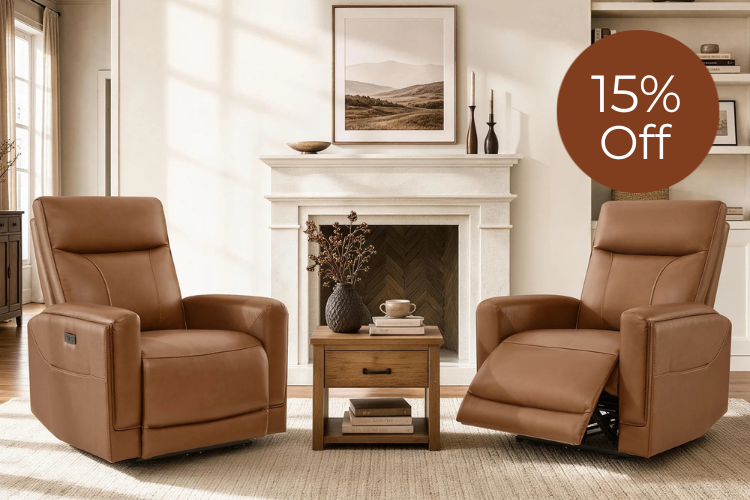
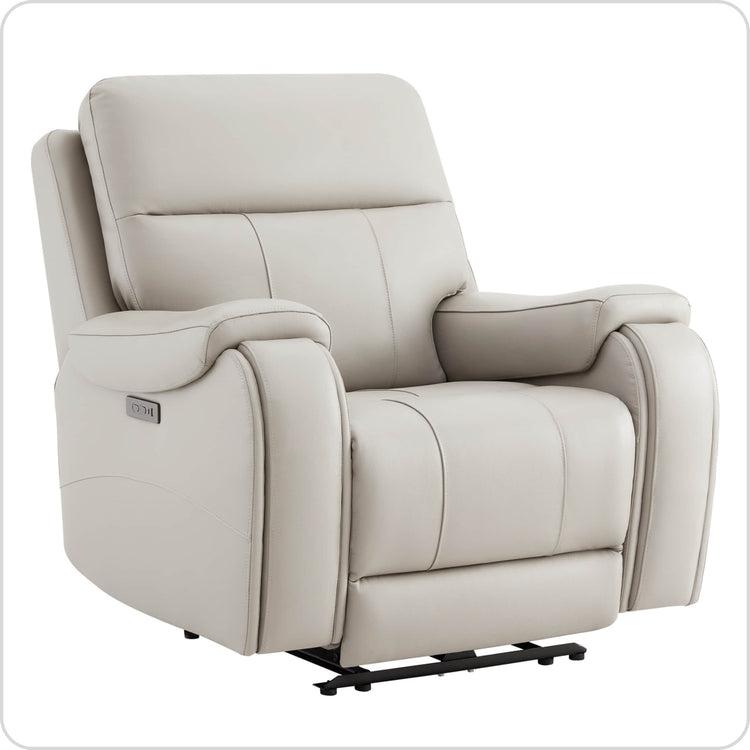
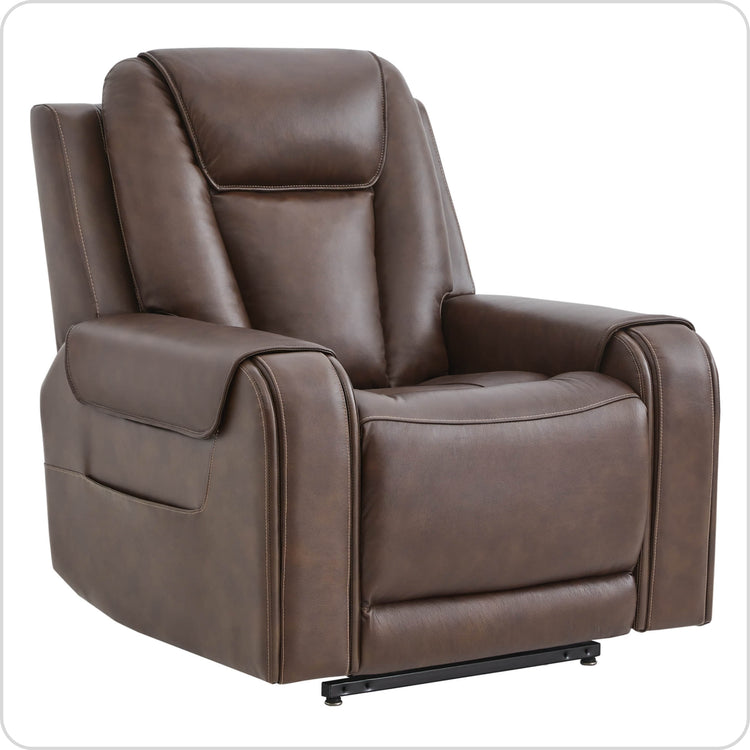
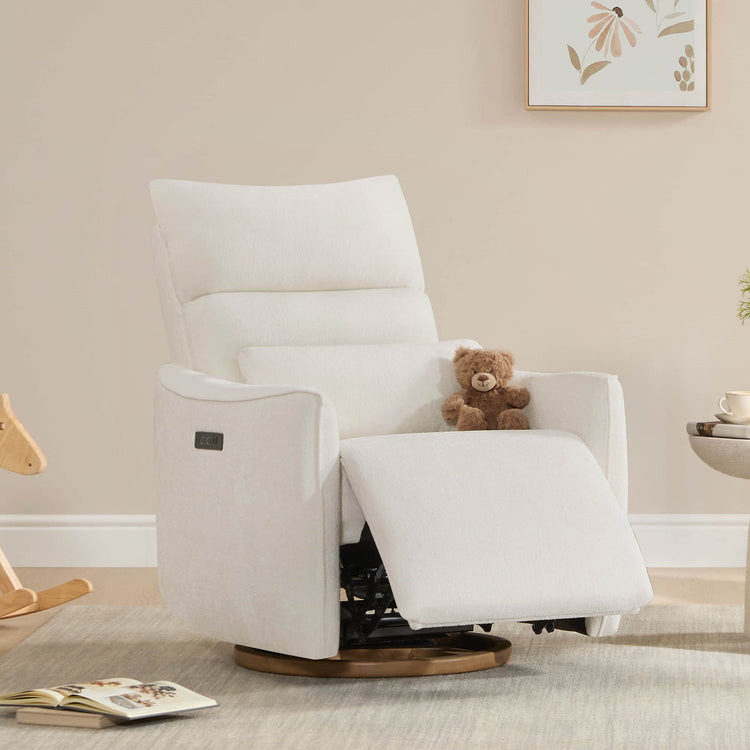
Test the layout with the room in use: pull out a dining chair nearby, open a cabinet, and extend a recliner's footrest. Leave the amount of passage space your household needs, including room for a walking aid when one is used. Measuring and trying the route will show whether a smaller table or one fewer chair would fit better.
3. Let the main seat see the entrance
A commonly used feng shui arrangement places the main seat where its occupant can see the room's entrance, with a sense of support behind them. Choose a useful view of the doorway while keeping the entrance route clear.
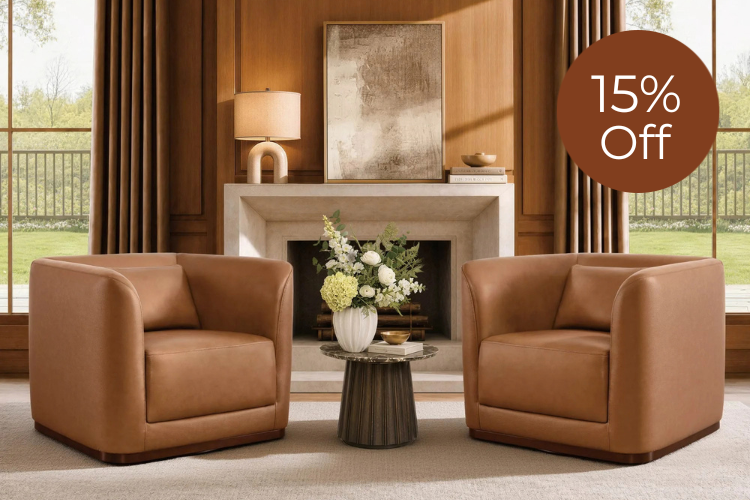
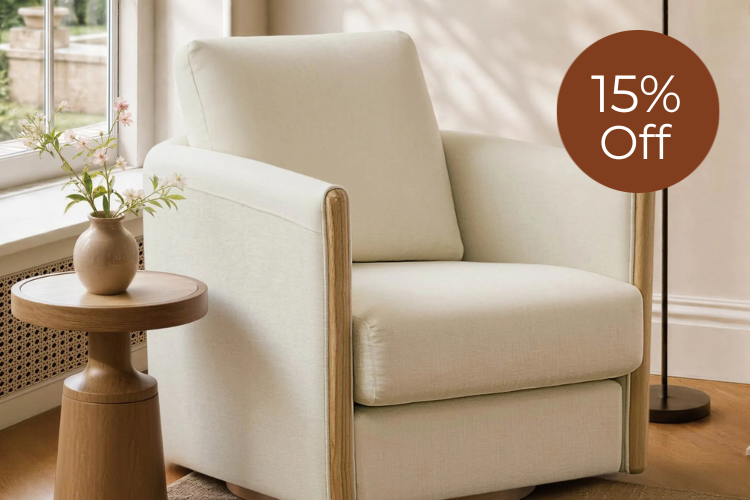
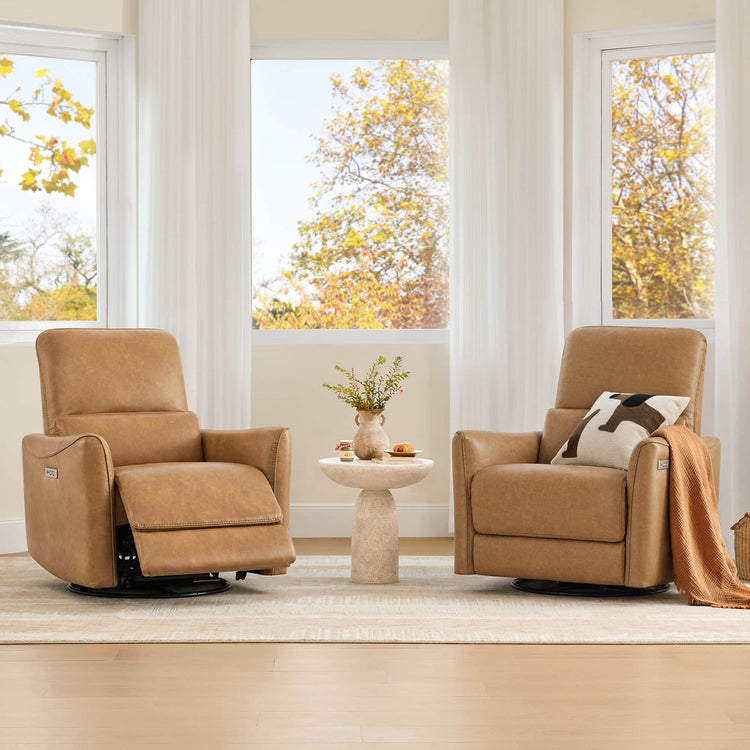
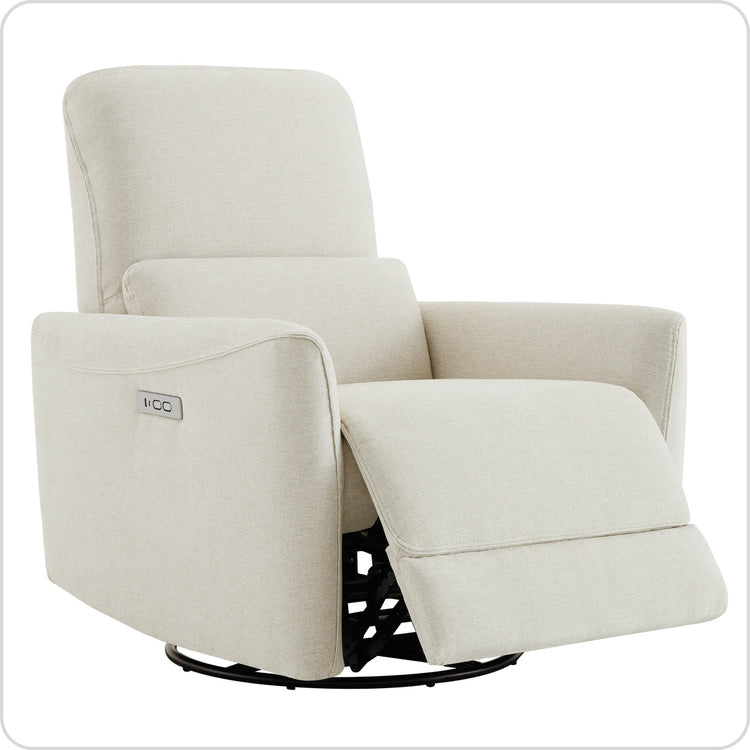
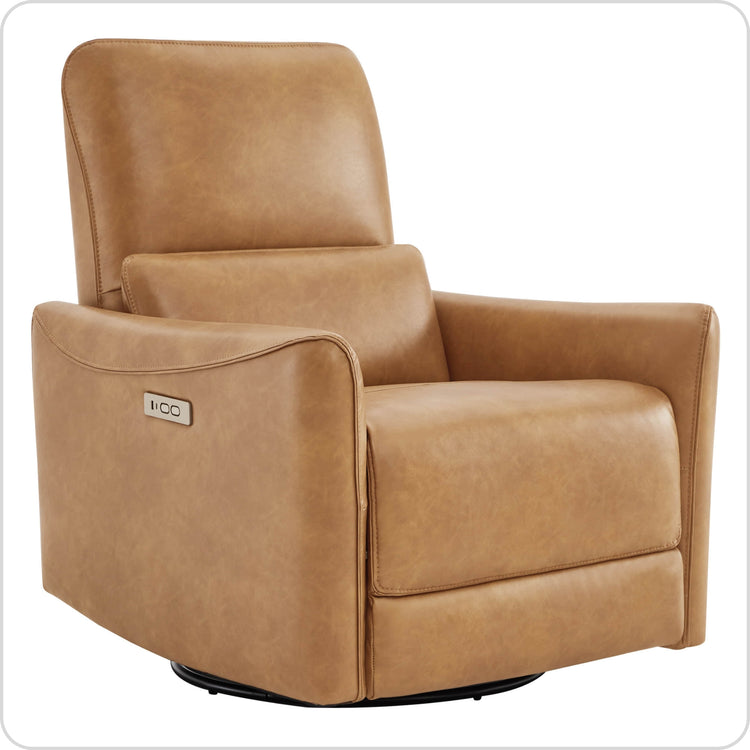
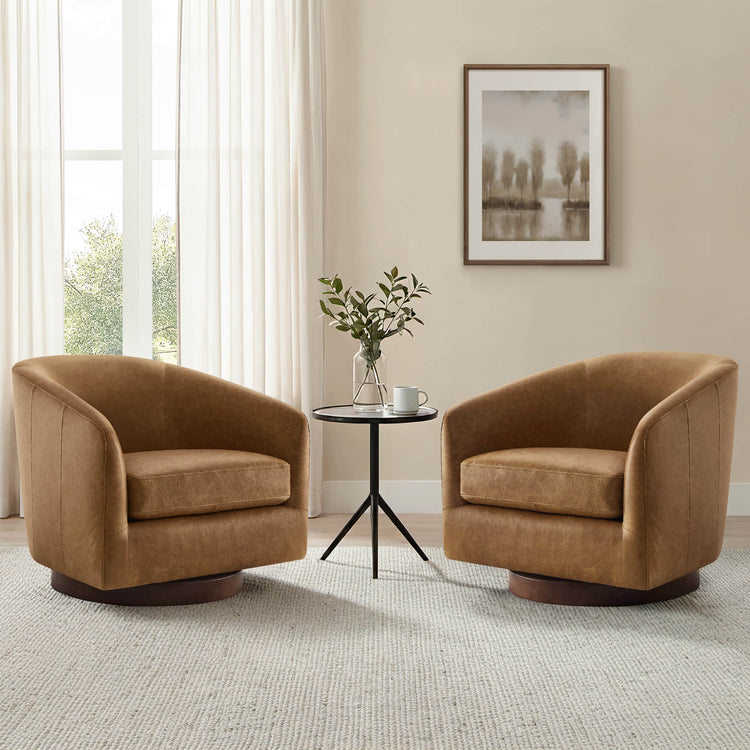
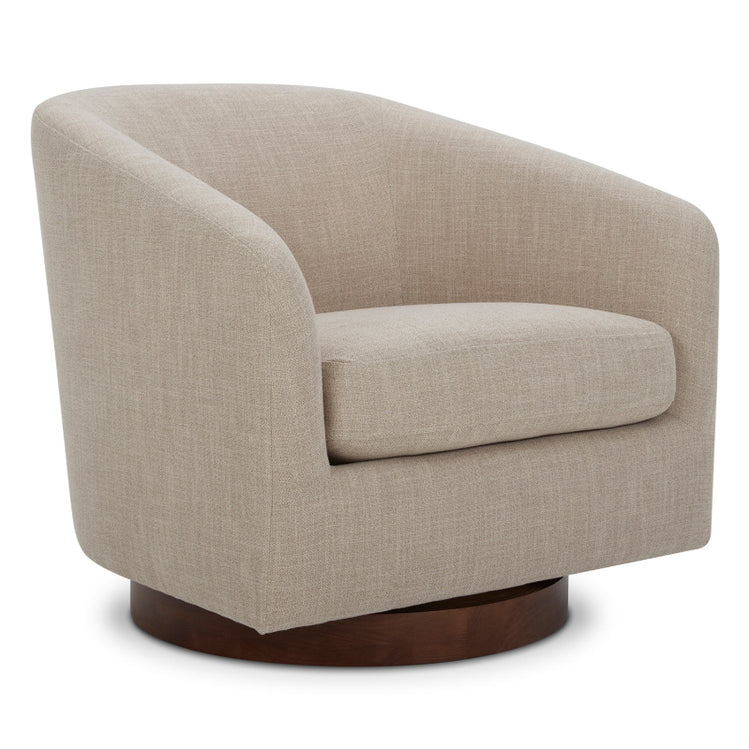
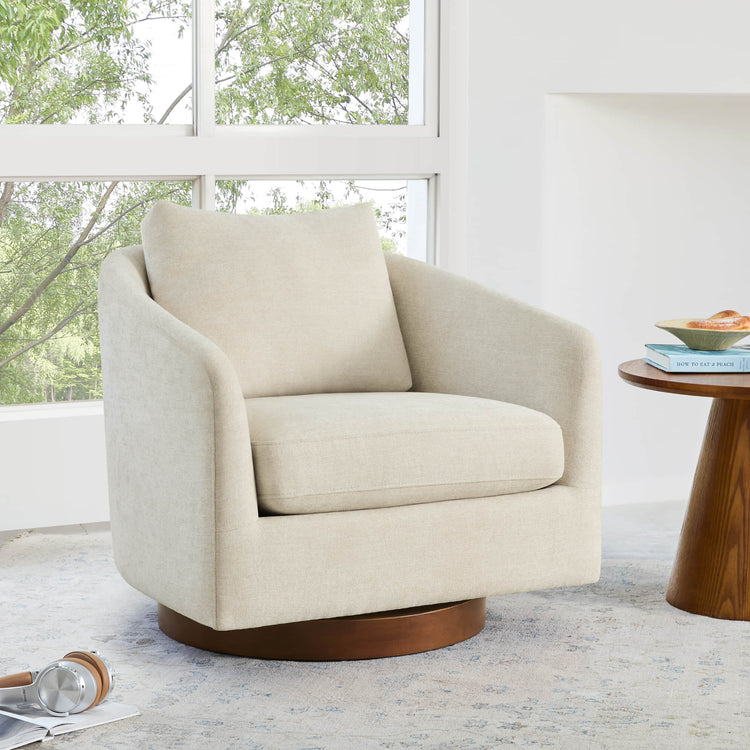
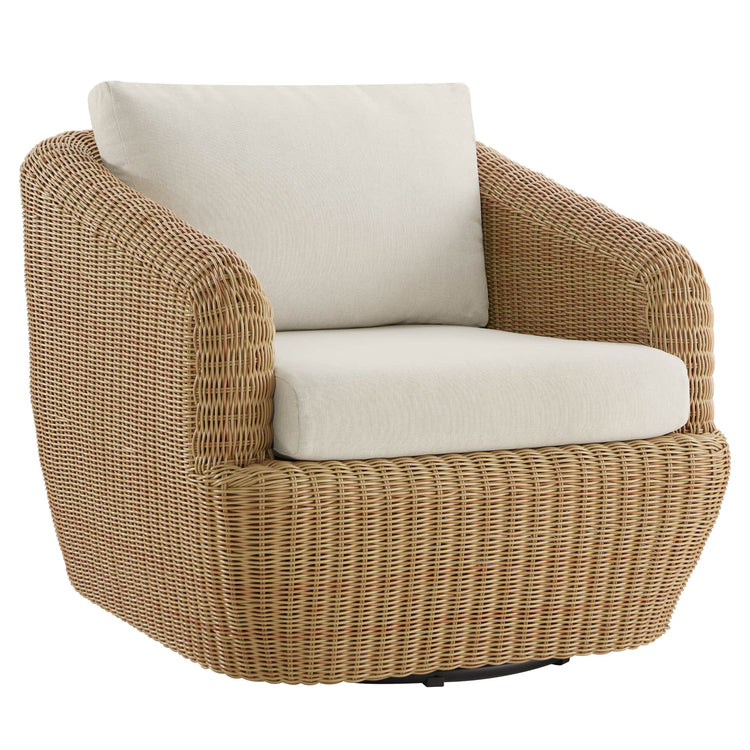
Try rotating the sofa slightly or moving a chair to an angle where someone can look toward the doorway comfortably. Other seats can face the conversation area. Position the television for a comfortable viewing angle from the seats people use most. Our Henry swivel accent chair has a 360-degree swivel base for changing direction while seated.
4. Give the sofa a sense of support
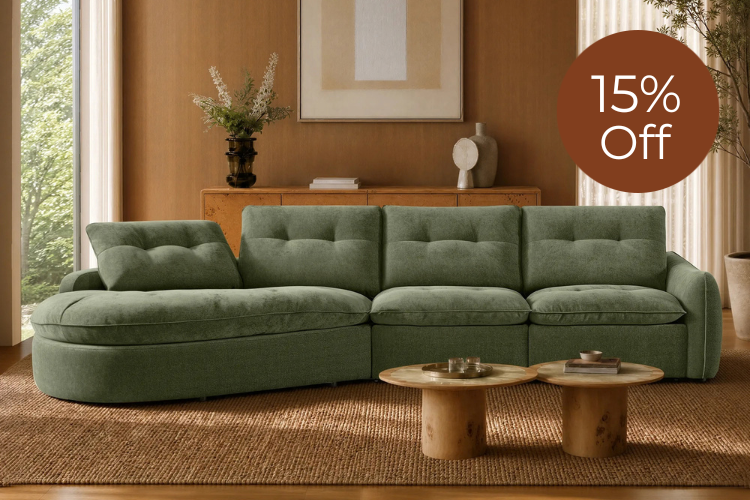
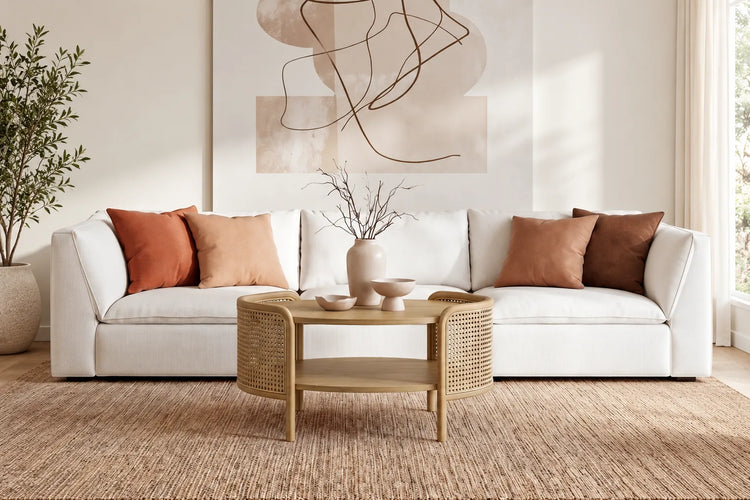
A solid wall behind the main sofa is one straightforward arrangement. In an open-plan room, the sofa can define the edge of the sitting area, with a rug grouping the furniture and a stable console behind it if space allows. Give the walkway behind the sofa a clear purpose. Plan sofa placement in an open-plan room around the routes to the kitchen, doors, and dining area.

When the window wall is the only workable location, leave room for curtains, blinds, and any opening you use. Keep furniture clear of heating equipment. Try a smaller sofa or a pair of chairs if a large sectional blocks the window or the route between rooms.
5. Balance daylight and evening lighting
Use curtains or blinds to bring in a comfortable amount of daylight without strong glare on the television. Add a lamp beside the seat used for reading and a softer light where you gather in the evening. This lets the same room suit different activities.
Use outdoor conditions and household needs to decide when opening windows for ventilation is appropriate. During wildfire smoke, use the indoor-air measures for smoky conditions; in very hot or cold weather, choose ventilation suited to your home. Place plants where they receive the light they need and where watering will not put furniture at risk.
6. Choose colors you want to live with
Color choices can follow your preferences and the room's light. Traditional feng shui interpretations give colors symbolic associations; your actual paint, upholstery, and lighting determine what you see each day.
Gray can work with warm wood, soft textiles, or a color you enjoy. A small red cushion can bring color into a neutral room without covering every wall. Test paint and upholstery samples in daylight and under your evening lamps before making a larger change. When the living and dining areas share a view, coordinate furniture colors for an open-plan room with the wall and floor colors.

7. Keep artwork and edges comfortable
Choose artwork you enjoy seeing from the main seats. Move a display if it feels distracting in the place where you read or unwind. Secure heavy pieces appropriately, and keep projecting decorations away from head height and narrow passages. For bookcases and other top-heavy storage pieces, anchor tall furniture according to its instructions.
A round table or a softer furniture edge may fit a tight route more easily. The practical test is whether people can move through the room comfortably with the table, chairs, and doors in their normal positions.
8. Treat water features as an optional choice
Water has symbolic associations in feng shui, and some people enjoy a small fountain's sound. Choose one if you like it and can maintain it. Put it on a stable, water-resistant surface with suitable access to power, away from upholstery and walking routes.
An aquarium also brings ongoing care for living animals, equipment, and water. A painting, a bowl, or simply leaving a corner open may suit your room and routine better. Choose the object for the experience and maintenance you want at home.
9. Give everyday clutter a home
Keep the items you use in the room close to where you need them: a basket for throws beside the sofa, a tray for remotes, and reachable storage for games or toys. Clear the coffee table enough to put down a drink without moving several objects.
A room can feel personal with books, photos, and meaningful collections. Group those items intentionally and keep floor space useful. Tidy one frequently used surface first, then decide whether the room needs different storage.
Make the layout work in your room
For a small living room, tape the sofa and table outlines on the floor before moving or ordering furniture. For an open-plan room, use the backs of furniture and a rug to define a sitting area while keeping the route to the kitchen direct. For a room with several doors, start with the busiest route and build the seating arrangement beside it.
Our accent chair placement guide offers more ways to arrange conversation seating. When a layout calls for a change in furniture size, compare the dimensions in our sofa collection or accent chair collection with the space you marked out.
Living room feng shui questions
Where should the sofa go in a feng shui living room?
A common starting point is a supported position with a view of the entrance and a clear walking route beside the seating area. Try a wall behind the sofa where the room permits it. In an open-plan room, use a rug and a stable console to define the area, then test the view and the routes from the actual seats.
Can a sofa go under a window?
Yes, when that location gives you a usable layout and leaves access to the window, curtains, and heating equipment. A lower-backed sofa may keep more of the window visible. Sit down during the brightest part of the day to check glare and how the location feels.
Is gray a bad feng shui living room color?
Gray can be a comfortable choice when its shade works with your light and furnishings. Test a sample beside the sofa and warm it with wood, lamps, or a color you enjoy if the room feels flat. Traditional color symbolism is one preference you can consider alongside daily use.
Where should I put a living room mirror?
Place it where the reflection is useful or pleasing from the seats you use. Check that it reflects daylight or a view you enjoy, and adjust its angle if it sends glare toward the television. Secure the mirror for its weight and wall type.
Recommended Products
 Recommended
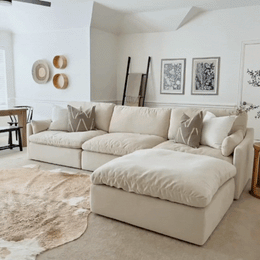
Kenna Modular 4 Seat Sofa-Chaise Sectional
$2,098.99
 Recommended
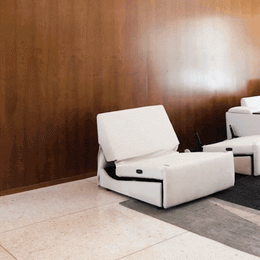
Ohana 5-Seat Zero Gravity Modular Reclining Sofa
$4,706.99
 Recommended
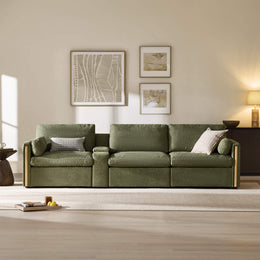
Jonathan Modern Cozy Chenille 3-seat Modular Sofa
$1,143.99
 Recommended
Brendon Modular 6-Seat Sectional Sofa with Wood Leg
$1,799.99
More to Read
 7 Sofa Trends That Actually Improve Comfort in 2026
Upgrade your living room with furniture that supports your body. Here are 7 modern sofa features designed to maximize your daily comfort...
 Mother's Day Gift Guide: Cozy and Stylish Furniture Picks for Modern Moms
Make Mother's Day more meaningful with furniture gifts that bring comfort, smart features, storage, and quiet luxury into her everyday routine.
 Performance Fabric Reality Check: Does It Really Repel Pet Hair and Stains?
Performance fabric is often marketed as a miracle solution for homes with pets and kids, but the reality is more nuanced. It...