
























Back-to-school routines often spill across the house. Notebooks end up on the dining table, chargers move from room to room, and unfinished projects are never quite where you expect them to be.
A homework station gives those routines one consistent place. It does not need a dedicated room or even a traditional desk. A dining table, a bedroom corner, or part of the living room can work well when the setup fits the way your child actually studies.

Start With the Space You Already Have
Before buying anything, look at what happens after school. Does your child need an adult nearby? Do they usually work with a laptop and notebook at the same time? Does the space need to be cleared before dinner? Are siblings sharing the same surface?
The answers make it easier to choose furniture that solves a real problem instead of simply adding more furniture to the room.
| Homework situation | Good place to start | What matters most |
|---|---|---|
| Younger child who often needs help | Dining room or nearby living area | A clear surface and supplies within reach |
| Older student who needs more quiet | Bedroom corner or quieter nook | A compact surface and focused lighting |
| Laptop plus books and written work | Desk or larger table | Enough room to keep materials open together |
| Two children sharing a study area | Dining table or shared table | Separate storage plus shared supplies |
| Small home with no permanent study area | Multipurpose dining or living space | Furniture that is easy to clear and reset |
The first week of the school year can be a useful trial period. Notice where backpacks naturally land, where devices get charged, and which supplies students reach for most often. Those everyday habits can tell you more about what the space needs than trying to build a perfect setup before the routine has even started.
Dining room
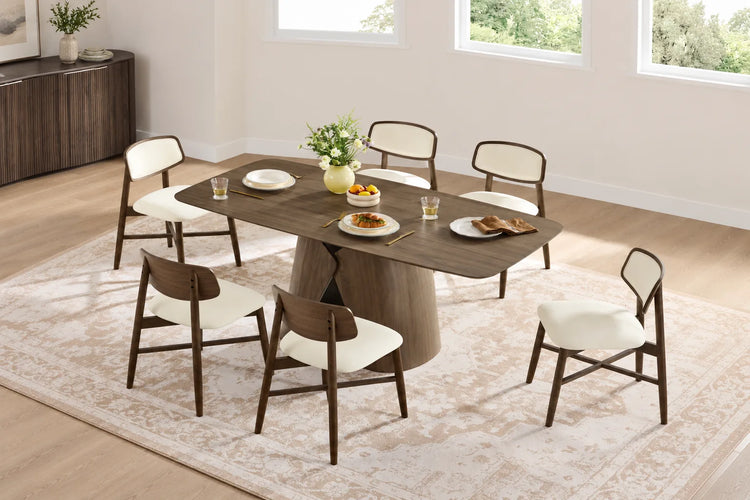
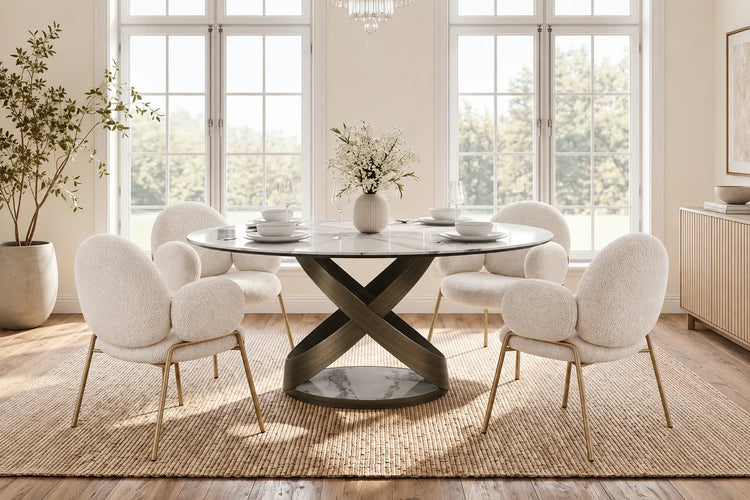
A dining table is often the easiest homework surface to use because it already offers room for books, worksheets, devices, and the occasional larger project. It also keeps younger children close to the rest of the family.
If the table needs to return to dinner duty later, keep supplies in a tray, caddy, drawer, or nearby cabinet so the transition is quick. Cornell Cooperative Extension offers similar homework-space guidance for families using a dining table for both study and meals.
If extra surface space is only needed from time to time, an extendable table can be a practical middle ground. A design such as the Margie U-Shaped Wood Extendable Dining Table can stay compact for everyday use and open up when homework, crafts, or shared projects need more room.
In a tighter dining area, table shape and clearance around the chairs matter just as much as the tabletop itself. The same considerations apply when choosing a small dining table for everyday family use.
Living room
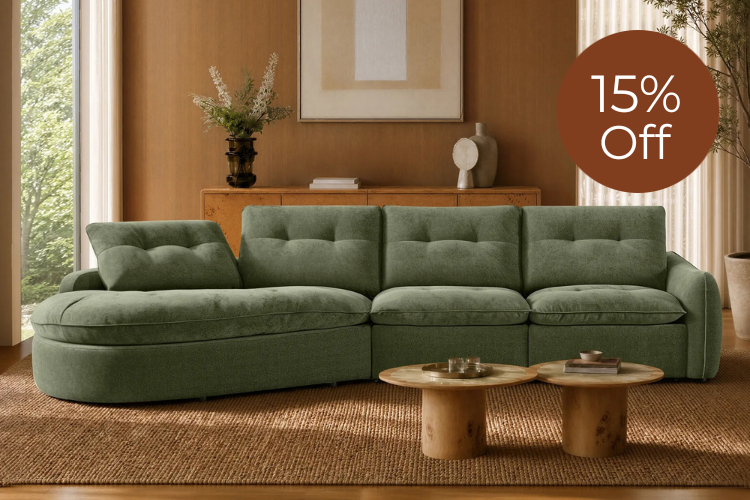
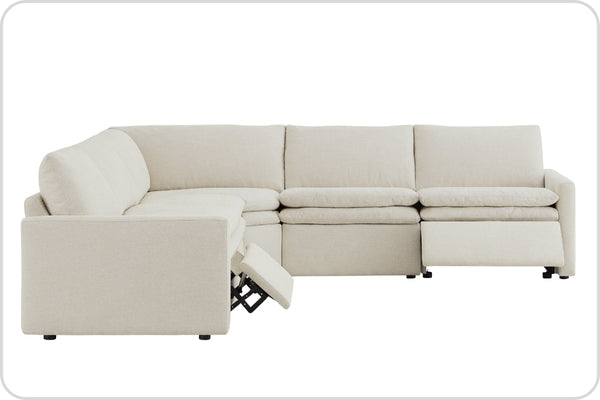
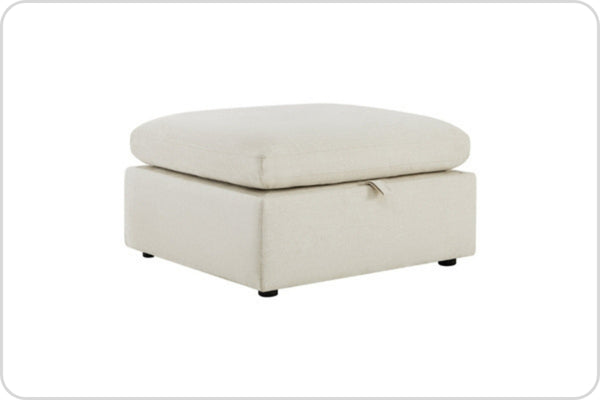
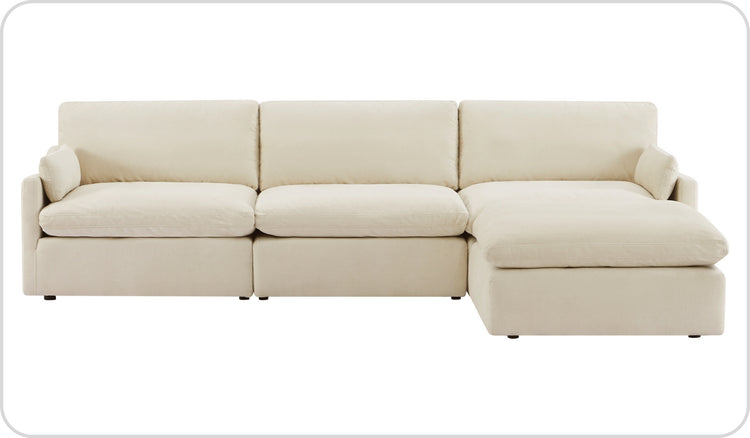
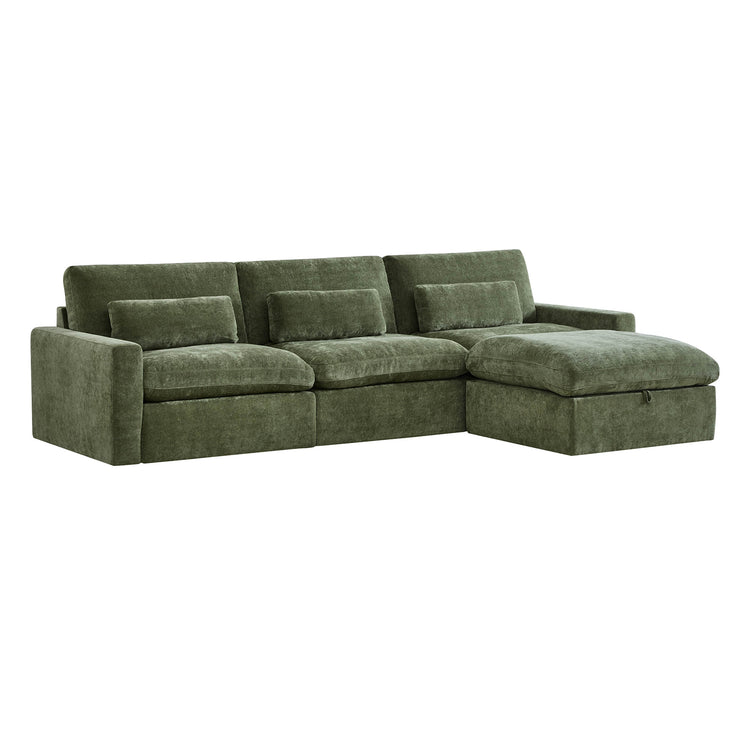
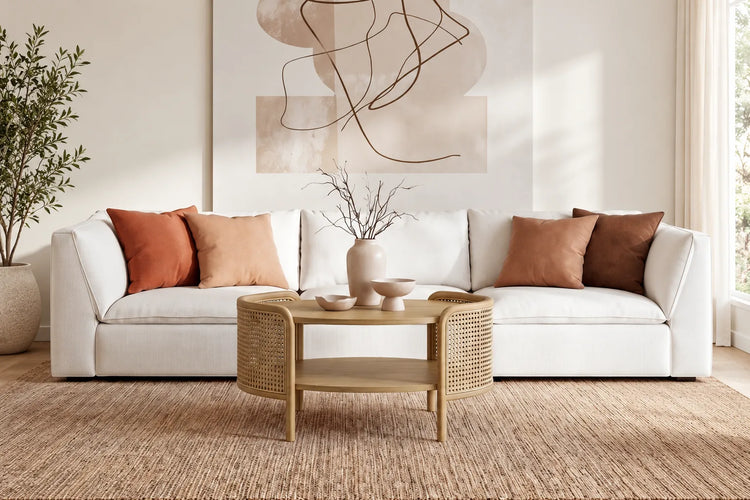
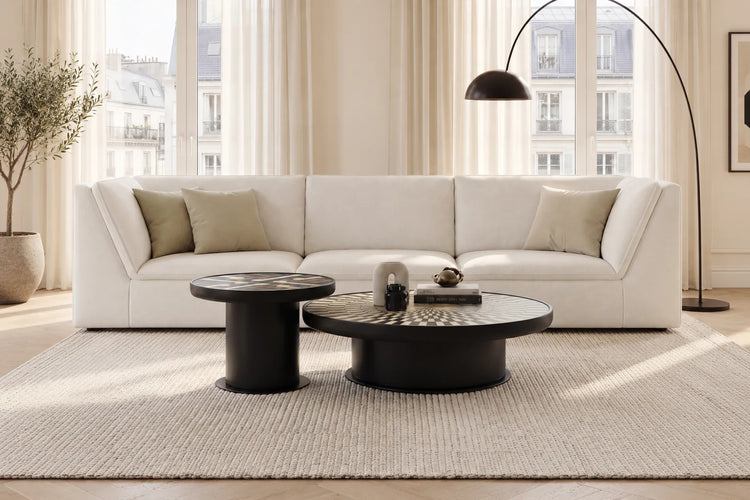
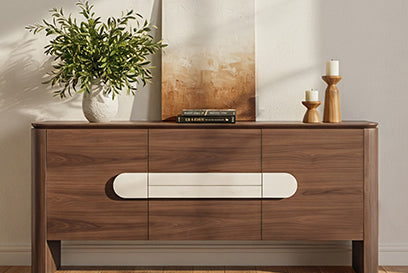
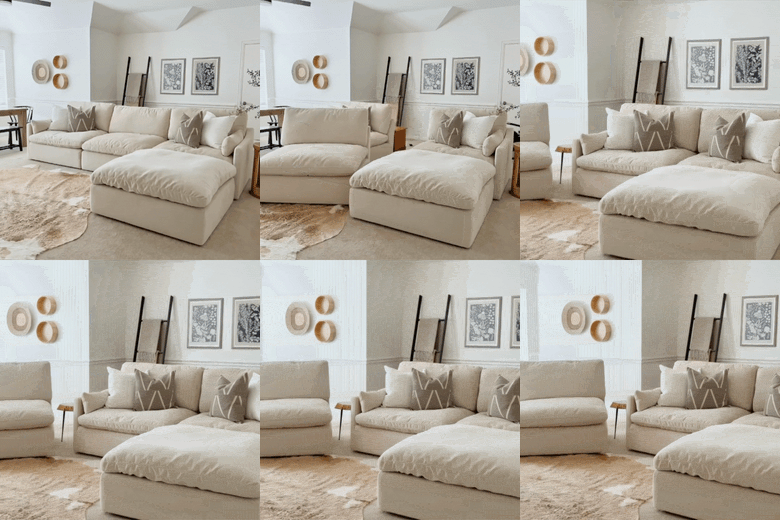
In a living room, closed storage can keep notebooks, chargers, and school supplies nearby without making the space feel like a permanent study area. An ottoman or console can work well when it is already part of the room, since supplies can be put away without adding another cabinet or storage unit. For example, the optional storage console and ottoman in the Jonathan Modular Sofa Collection can keep everyday materials close to the seating area and out of sight after homework.
The same approach works in other multipurpose rooms: use furniture that can support more than one routine instead of adding a separate piece for every task. That is also the basic idea behind many small-space furniture layouts.
Bedroom corner
Older students may prefer a quieter place away from the main family traffic. In that case, the setup can stay simple: a compact work surface, a focused light, and one drawer or basket for current materials.
The goal is to give schoolwork a clear boundary so books, cables, and papers do not slowly spread across the room.

Choose Furniture by What It Needs to Do
Pick the work surface first
The useful question is not “Do we need a desk?” It is “What needs to fit on the surface at the same time?”
A child doing short worksheets may need very little room. A student switching between a laptop, textbook, and notebook needs more. Two siblings working together need more again.
Depending on the room, the work surface could be:
- a dedicated desk
- a compact table
- one end of a dining table
- a console used during homework hours
- an extendable table for shared or occasional larger projects
Also check how far the chair pulls out and whether people can still move comfortably through the room.
Keep task seating and reading seating separate
Writing, drawing, and computer work usually need a stable, upright chair. Reading is different. If there is room, a softer chair nearby can give students somewhere to move when the task changes. For students using a computer, the American Academy of Pediatrics' child computer setup guidance covers screen position, supported feet, posture, and movement breaks.
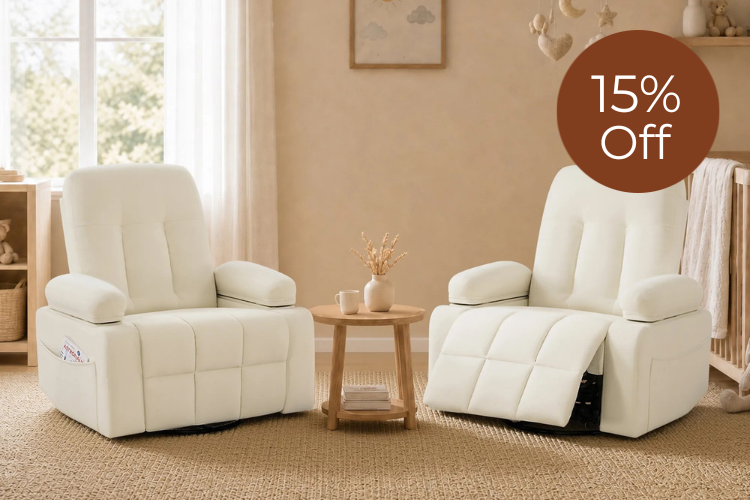
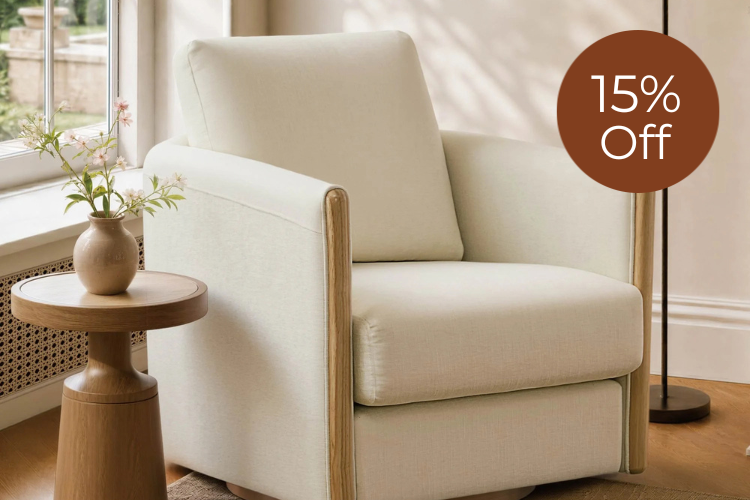
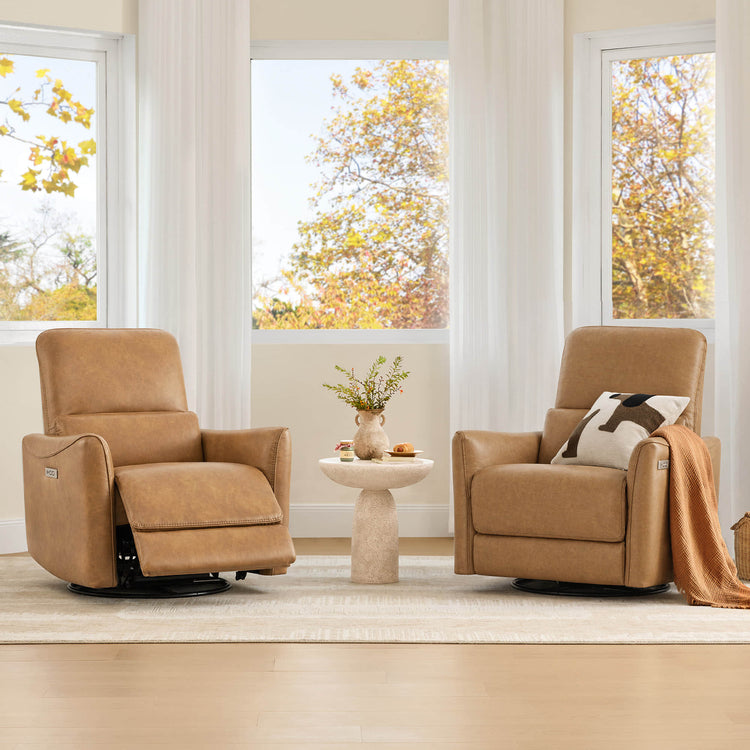
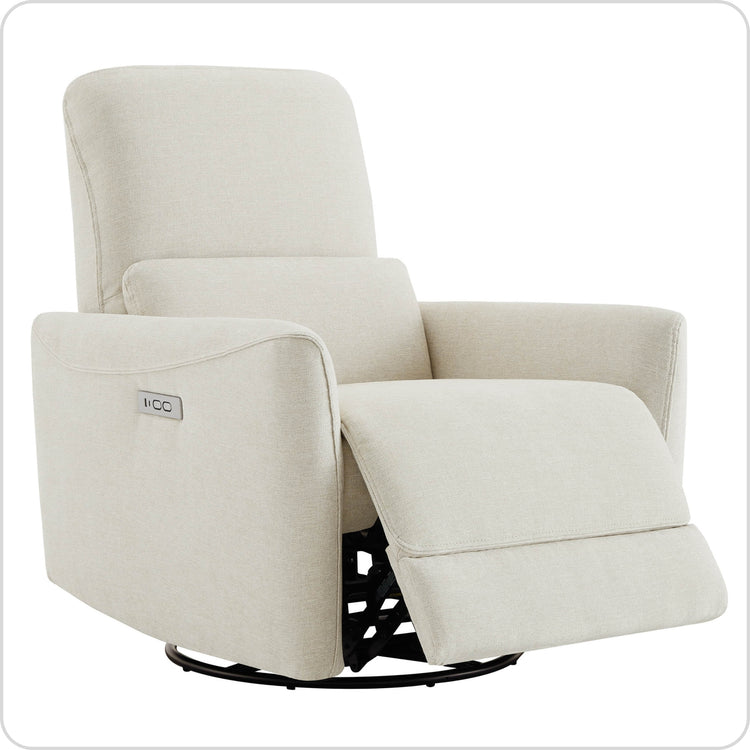
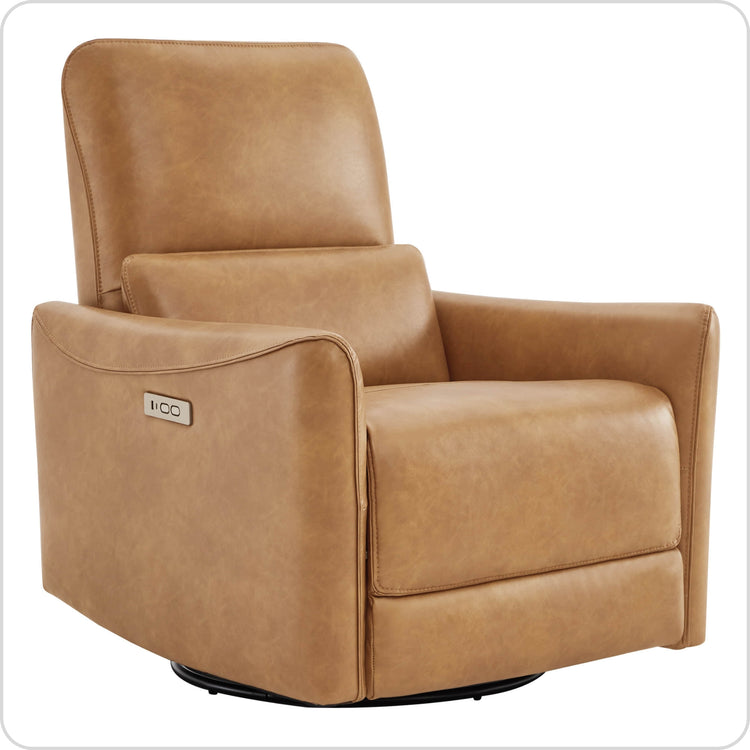
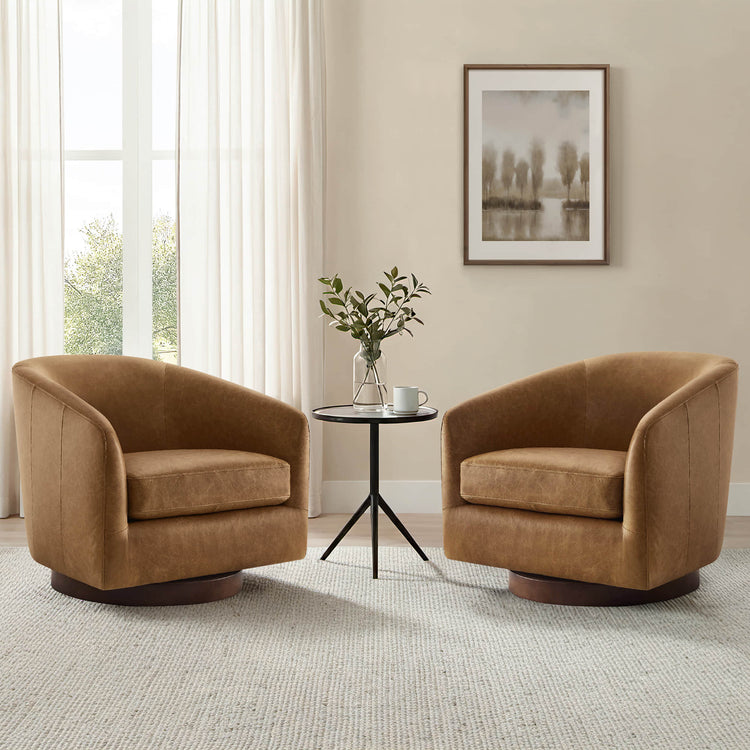
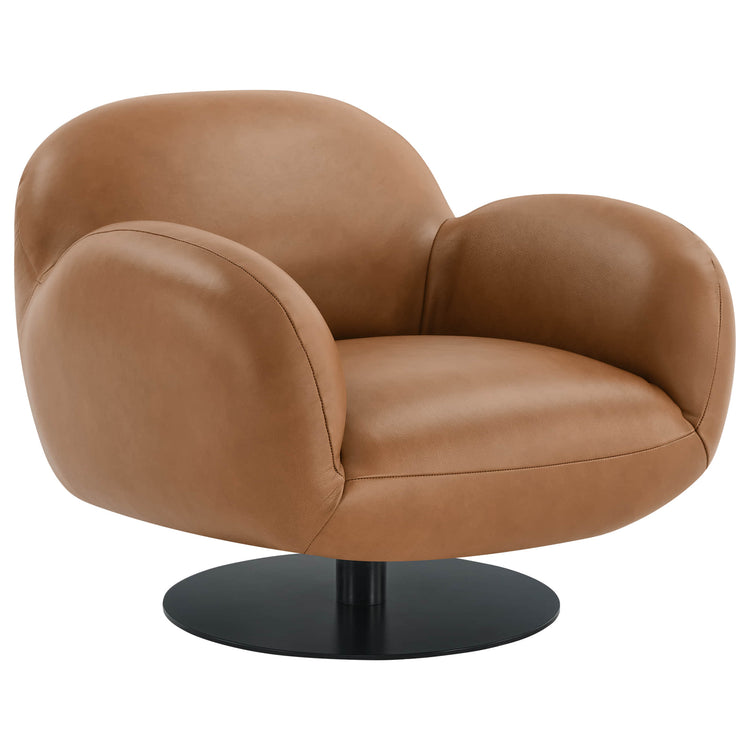
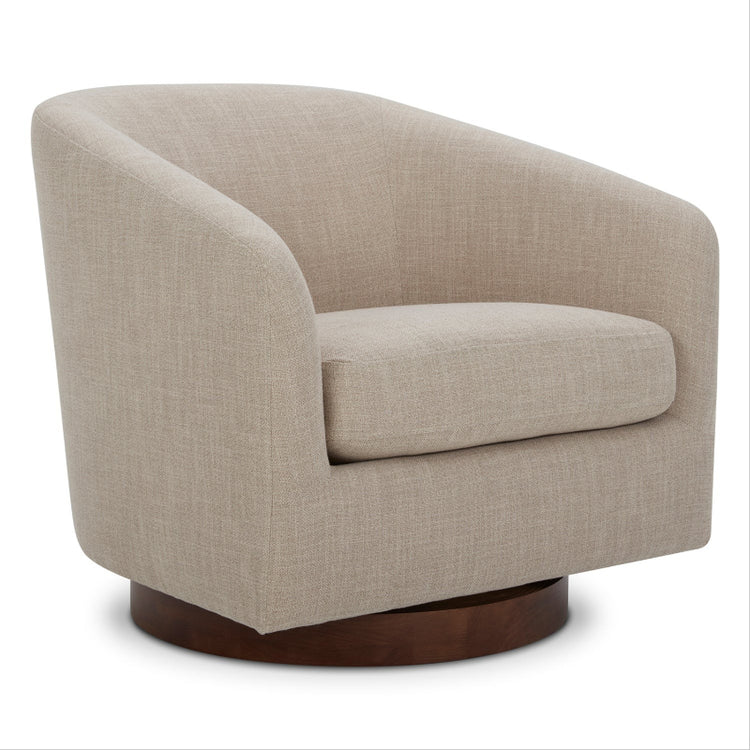
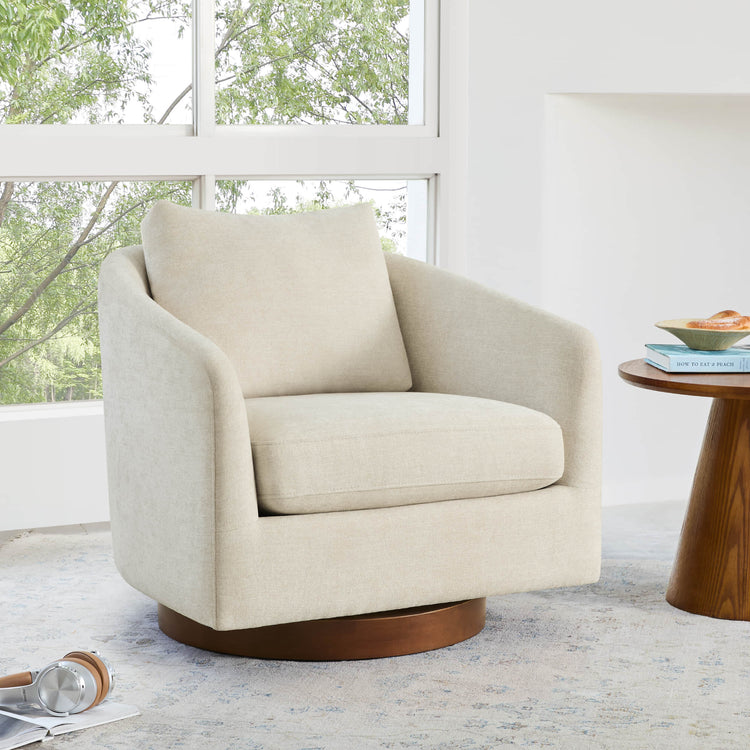
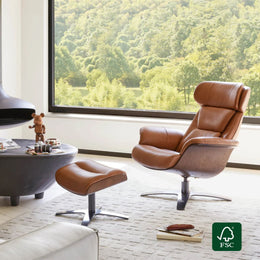
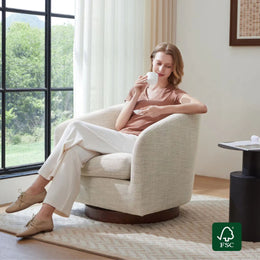
A swivel chair such as the Wren swivel accent chair can create a comfortable reading corner without turning it into the main homework seat. For longer reading sessions or parent-child review time, the Elvin reclining swivel chair offers a more relaxed seat with a matching ottoman.
The main point is to keep the roles separate: a comfortable reading seat can support the homework routine, but it should not replace the main task chair. CHITA's reading nook layout guide has more ideas for planning light, traffic flow, and separation from the focused work area.
Store “today” and “later” separately
Homework storage is easier when everything does not end up in the same drawer.
Put farther away: finished projects, backup stationery, old worksheets, and occasional craft supplies.
This keeps the work surface clear and makes it easier to reset a dining room or living room after homework is finished. If portable containers are not enough, closed storage furniture can keep school materials nearby without leaving them in view.
Give lighting and charging a fixed place
A task lamp should light the work surface without taking over the space needed for books and paper. If a student uses a screen, adjust the lamp or device position when glare becomes distracting. OSHA's workstation lighting guidance recommends placing task lights so they do not reflect on the screen and positioning displays at right angles to windows or bright light sources.
Charging is easier when it happens in the same place every day. Keep loose cables out of walkways and close enough to the study area that starting homework does not begin with a search for the charger.

Make Small and Shared Spaces Easy to Reset
Small homes do not necessarily need more furniture for the school year. They need a clear answer to three questions: what stays out, what gets put away, and who uses the space when.
For a small homework station
Start by seeing whether an existing table, console, or other stable surface can handle the daily routine. The best small-space setup is usually the one that can appear when homework starts and disappear again when the room needs to serve another purpose.
Pay attention to the problems that keep repeating. If papers pile up because there is nowhere to put unfinished work, add a dedicated folder or storage spot. If books never fit beside the laptop, the surface may need more room. If the dining table takes too long to clear, portable storage may matter more than another piece of furniture.
Lighting and charging can stay simple too. A compact task light and one consistent charging spot are often enough to make an existing surface work much better after school.
For siblings sharing one space
Sharing a table does not mean sharing every item on it.
Give each child a drawer, folder, basket, or bin for personal work, then keep genuinely shared supplies in the middle.
If the surface is too small for both children to work comfortably at the same time, scheduling may be more useful than adding another full setup. One child can use the main surface while the other reads nearby, then they can switch.
Try a reset test before buying more
After a few school days, look at what still goes wrong.
- Can daily supplies be put away quickly?
- Is there a clear place for unfinished work?
- Are chargers easy to find the next day?
- Can the room return to its normal use?
- What keeps ending up on the floor, sofa, or dining table?
Those small problems usually show what the space actually needs.
The best back-to-school furniture ideas are not about building a perfect study room. They are about making an ordinary family space work a little better after school—and making it easy to return that space to normal when homework is done.
Frequently Asked Questions
What furniture does a homework station need?
Start with a stable work surface and an upright chair. Add focused lighting and a simple place for everyday supplies. Extra storage or a separate reading chair can help, but they are not essential in every room.
Does a child need a dedicated desk for homework?
No. A dining table, compact table, console, or another stable surface can work if it has enough room for the materials the child normally uses.
Is a dining table good for homework?
Yes, especially for younger children who benefit from having an adult nearby, siblings who share a surface, or projects that need more room. Keep supplies portable or stored nearby so the table can be cleared easily afterward.
Where is the best place for a homework station?
Choose the location around the child's age, need for supervision, level of distraction, and the type of work they usually do. Younger children may prefer a shared family area, while older students may work better in a quieter corner.
How do you create a homework station in a small space?
Start with an existing surface when possible. Add only what solves a recurring problem, such as a task light, portable storage, or a fixed charging spot, so the room can still return to its normal use after homework.
How can two children share one homework station?
Give each child a separate place for personal work and supplies, then keep shared items in a common zone. If the surface is too small for both at once, alternate between the main work area and a nearby reading spot.
Recommended Products

More to Read
 7 Sofa Trends That Actually Improve Comfort in 2026
Upgrade your living room with furniture that supports your body. Here are 7 modern sofa features designed to maximize your daily comfort...
7 Sofa Trends That Actually Improve Comfort in 2026
Upgrade your living room with furniture that supports your body. Here are 7 modern sofa features designed to maximize your daily comfort...
 Mother's Day Gift Guide: Cozy and Stylish Furniture Picks for Modern Moms
Make Mother's Day more meaningful with furniture gifts that bring comfort, smart features, storage, and quiet luxury into her everyday routine.
Mother's Day Gift Guide: Cozy and Stylish Furniture Picks for Modern Moms
Make Mother's Day more meaningful with furniture gifts that bring comfort, smart features, storage, and quiet luxury into her everyday routine.
 Performance Fabric Reality Check: Does It Really Repel Pet Hair and Stains?
Performance fabric is often marketed as a miracle solution for homes with pets and kids, but the reality is more nuanced. It...
Performance Fabric Reality Check: Does It Really Repel Pet Hair and Stains?
Performance fabric is often marketed as a miracle solution for homes with pets and kids, but the reality is more nuanced. It...