























Feng Shui Bedroom Layout: Bed, Door, and Window Placement

Start with the bed when planning a feng shui bedroom. Look for a position with a view of the entrance, a solid wall behind the headboard, and usable space around the frame. Then fit your bedside furniture, storage, and seating around the routes you use every day.
A small bedroom may offer just two possible bed positions. A rental may have a window on the only usable wall. Work through the choices below with your own floor plan. The feng shui ideas here concern traditional placement and balance; the measurements help you check how the arrangement will work in your room.
Where should the bed go in a feng shui bedroom?
The command position places the bed where you can see the main bedroom entrance while sitting against the headboard, with the bed offset from the doorway. A solid wall behind the headboard is a common traditional preference. Feng shui practitioner Anjie Cho describes this view of the entrance and a securely attached headboard in her bedroom guidance.
“Diagonally across from the door” describes the bed's location within the room. You can keep the headboard flat against its wall. Start by testing a spot to one side of the doorway's straight path.
- Mark the fixed features. Sketch the room from above and add the entry door, its opening arc, closet doors, windows, outlets, and vents.
- Draw the full bed frame. Include any projecting headboard and footboard. Our bed frame measurement guide explains which dimensions to use.
- Test the view from the pillow end. Check where the entrance sits in relation to the bed. Try an offset position with the headboard against a solid wall.
- Walk the room on paper, then on the floor. Trace the route to the bed, bathroom, and closet. Open doors and drawers while checking it.
- Add the remaining furniture. Give each item enough space for its actual use: opening a lid, pulling out a chair, or getting dressed.
If a room offers several usable positions, compare doorway visibility, headboard support, and access from each side. Choose the combination that fits the people using the bed.

Feng shui bedroom layouts for awkward rooms
The bedroom door faces the foot of the bed
Try shifting the bed sideways along the same wall. Even a different position on that wall may take it out of the door's direct path. Then check the tighter bedside gap and open the closet again. If that arrangement crowds the room, test the adjacent wall.
When the existing wall is the only workable choice, keep a clear route from the bed to the exit and leave the door's full swing available. A bench or screen needs its own usable floor space. Add one only if you can walk past it comfortably and open nearby doors. You can still organize the bedside area, lighting, and storage around the fixed bed position.
The only usable wall puts the bed under a window
First check whether a side wall would work with a narrower bedside table or a different dresser position. If the window wall remains the practical choice for an adult bedroom, choose a headboard that leaves the window handle and opening accessible. Check drafts, morning light, curtains, and nearby heating equipment from the actual sleeping position.
For a young child's room, use a different arrangement: the U.S. Consumer Product Safety Commission's window-covering guidance recommends cordless coverings and moving beds and climbable furniture away from windows and cords, preferably to another wall.
A small bedroom needs the bed against a side wall
Keep the exposed side and foot easy to reach. Put the lamp, phone, and everyday items on the usable side. A compact bedside surface can help preserve that route.
For two sleepers, try reducing the bedside furniture before placing one long side of the bed against a wall. Access from both sides lets each person get up independently. For one sleeper, a side-wall position can leave room for dressing or a desk. Our small-bedroom furniture guide covers furniture choices when the bed takes most of the floor.
The room also has a desk or an attached bathroom
Place a desk where its occupied chair stays out of the bed-to-door route. Test the layout with the chair pulled out, then find a place to put work materials away at the end of the day. In a studio, a curtain or divider can separate the work and sleeping areas if it fits outside the walking route.
For an attached bathroom, draw its door swing as a second fixed feature. If the door faces the bed, try a modest bed shift and check both entrances. Place storage where its drawers stay clear of the route between the bed and bathroom.
A small-bedroom example: check the space before moving furniture
Use the bed frame's outside measurements when comparing layouts. The following example uses assumed dimensions to show the calculation. Measure your own room and furniture for the final arrangement.
Example room: 10 × 12 feet, or 120 × 144 inches. Assume a bed frame measuring 66 inches wide and 86 inches long, with its headboard centered on the 120-inch wall.
- Space beside the frame: 120 − 66 = 54 inches in total, or 27 inches on each side with the bed centered.
- Space beyond the foot: 144 − 86 = 58 inches before adding other furniture.
- With an 18-inch-deep dresser opposite the bed: 58 − 18 = 40 inches between the bed and the closed dresser.
- With a drawer pulled out another 12 inches: 40 − 12 = 28 inches remains while that drawer is open.
These are calculated gaps for this example. The open drawer, door swings, bedside tables, trim, and the space you need to stand still have to fit on the sketch.
Now test what happens if the bed moves sideways to avoid the doorway. A 6-inch shift changes the example's side gaps from 27/27 inches to 21/33 inches. Mark both options with removable floor tape and walk them before moving the bed. Choose a wider route where someone needs more room to get in and out.
Use our dresser and bed clearance guide for the storage side of the plan. When choosing from our bed collection, compare each frame's overall footprint with the layout you have measured.
Where should a mirror go in a feng shui bedroom?
A wall beside the closet or dressing area is a practical starting point. If you follow the traditional preference for keeping the bed out of the reflection, check the mirror from your pillow position as well as from the doorway.
Feng shui approaches differ. Some avoid a mirror reflecting the bed; Anjie Cho's bedroom guidance uses a mirror to bring the entrance into view when the bed cannot face it. For that arrangement, angle the mirror so the doorway is visible from the bed and inspect the reflection after dark.
With fixed mirrored closet doors, try a small bed shift first. Look for reflected streetlights, a bright bedside lamp, or a screen. Adjust the light source or mirror angle where possible. A covering that fits securely and allows the closet to operate is another option when the reflection bothers you.

Where to put a chair in a bedroom for feng shui
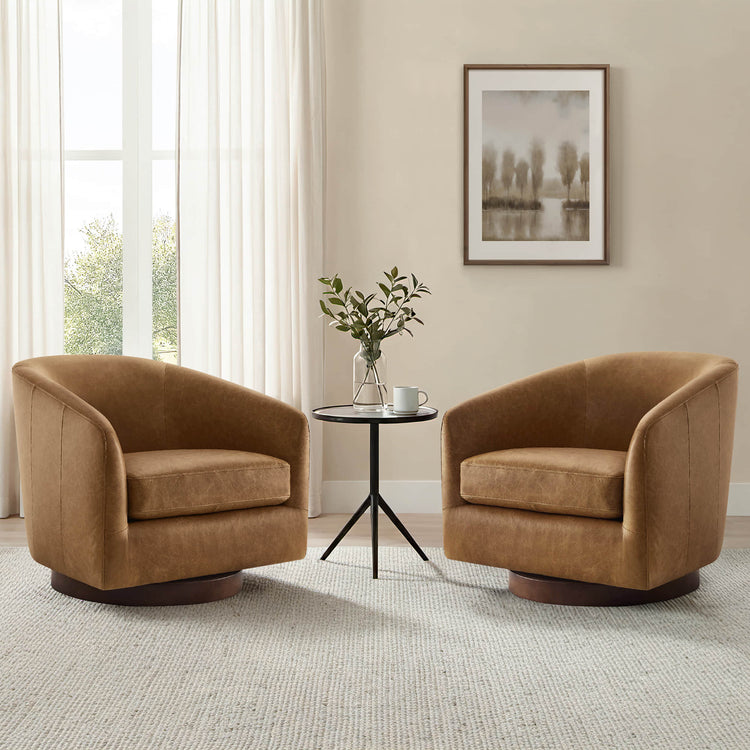
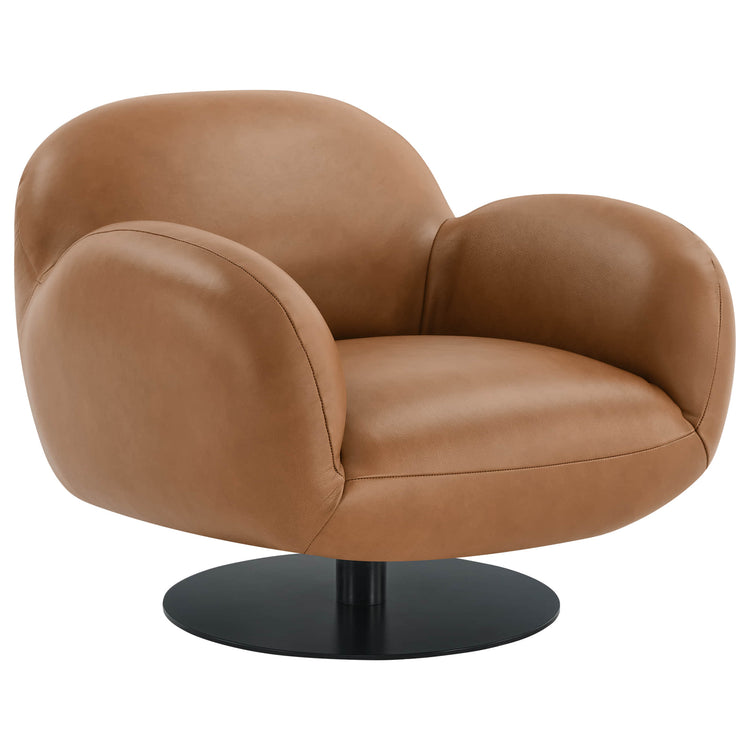
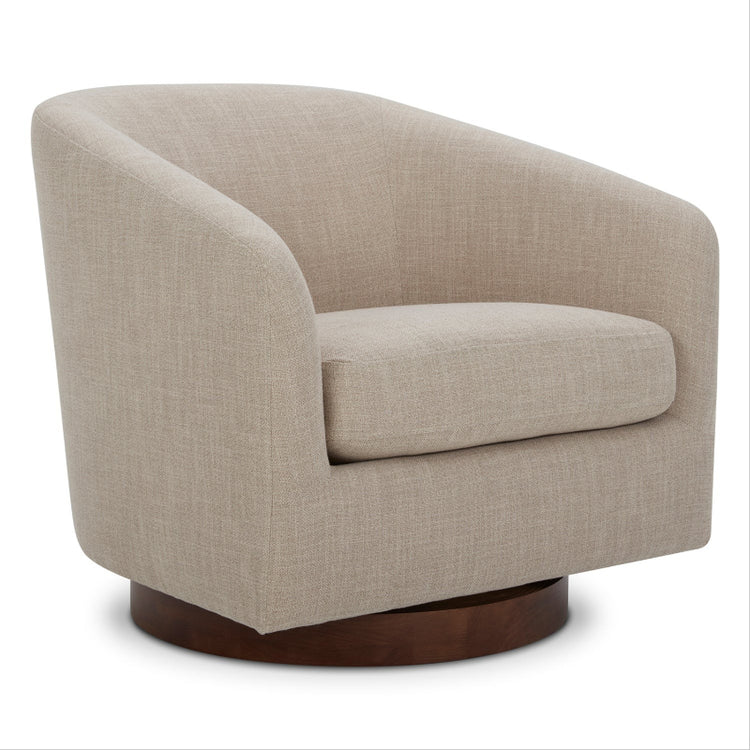
Place a bedroom chair in a usable corner beside the bed or near a reading light, with its seat facing into the room and the route to the door left open. Choose a spot where you can sit down and stand up without moving another piece of furniture.
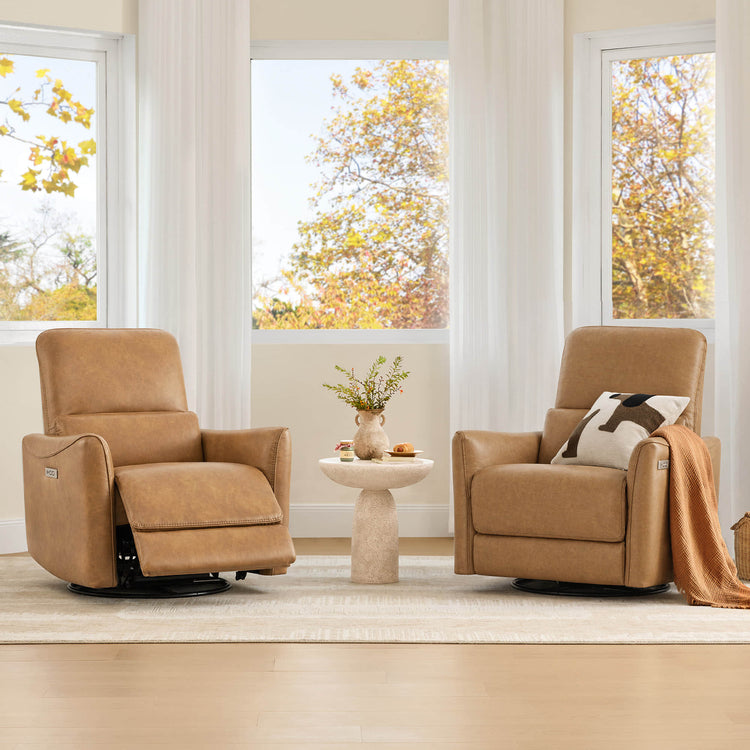
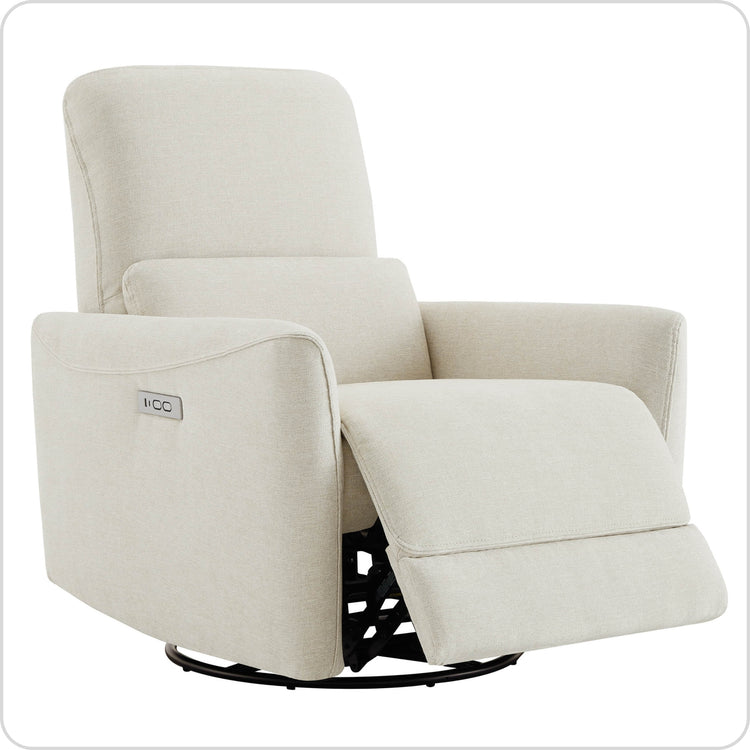
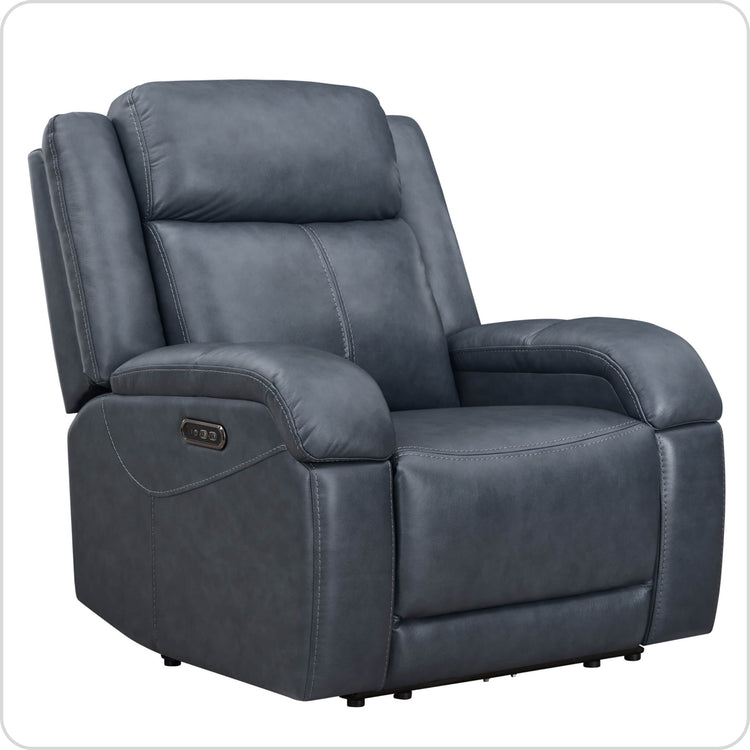
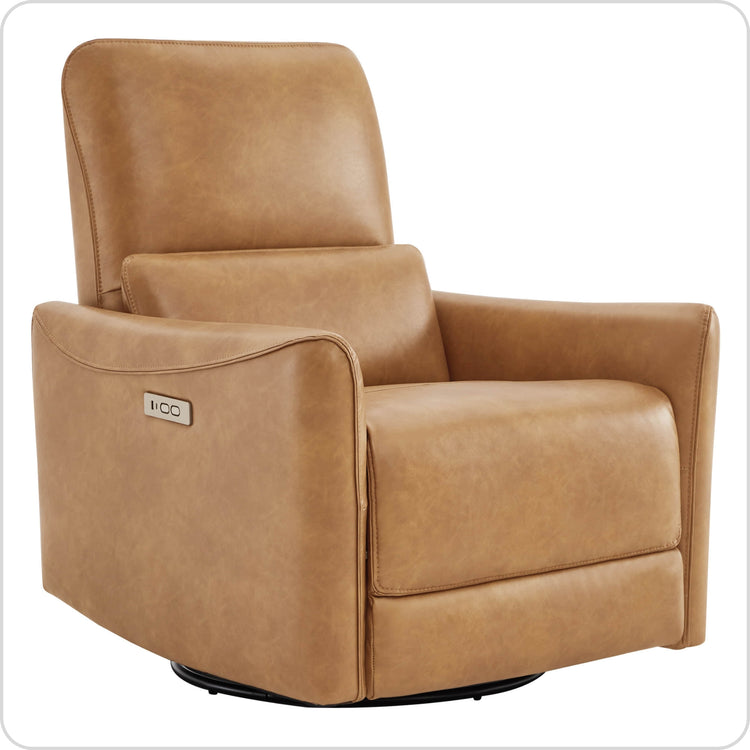
Mark the chair's full outline on the floor, then test the space in front of it. A swivel chair needs room to turn. A recliner needs space for the extended footrest and the movement specified for that model. Keep a nearby table within easy reach while leaving the entry to the chair clear.
If the chair collects clothes, add a place for worn items or move the chair nearer the activity it serves, such as reading or putting on shoes. Our accent chair seat height and depth guide helps you compare fit before deciding which chair earns that corner.


Choose bedroom colors and lighting after the layout
Try a small palette you enjoy seeing at the beginning and end of the day. Warm white, beige, muted green, or a soft blue can each work with different flooring and daylight. Test a fabric or paint sample beside the bed in daylight and under the lamp you use at night. Use a stronger color in a smaller area if a full wall feels too intense.
Traditional feng shui gives colors and materials symbolic meanings. Your room's light, existing finishes, and personal preference give you a practical way to choose among them.
For sleep, the National Heart, Lung, and Blood Institute recommends a quiet, cool, dark bedroom. Put a bedside light within reach and use window coverings that suit the light entering your room. Check for light from screens and reflected lamps when you are lying down.
Keep plants and decorative objects to the number you can comfortably care for and place. A plant belongs where it has suitable light and leaves the walking route open. Choose art you enjoy looking at, and keep bedside surfaces available for the things you use.

Keep storage usable and bedside furniture balanced
Two bedside tables can make a shared bed easier to use. They can differ in size and still share a wood tone, a lamp shape, or a similar height. In a tight corner, a smaller surface may leave more space for getting out of bed.
For under-bed storage, use containers that pull out along an accessible side. Measure the container's height and its pull-out space, then leave access for cleaning. Keep the items you need often where you can reach them.
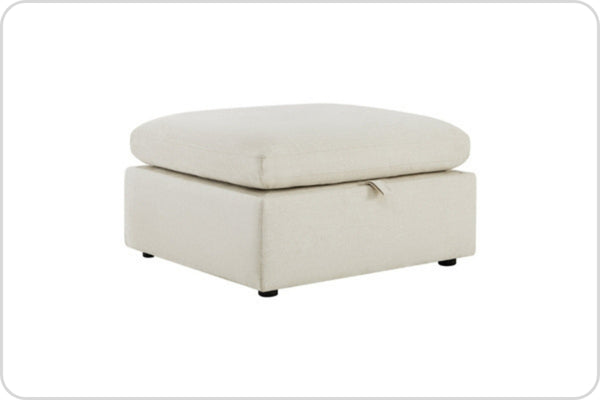
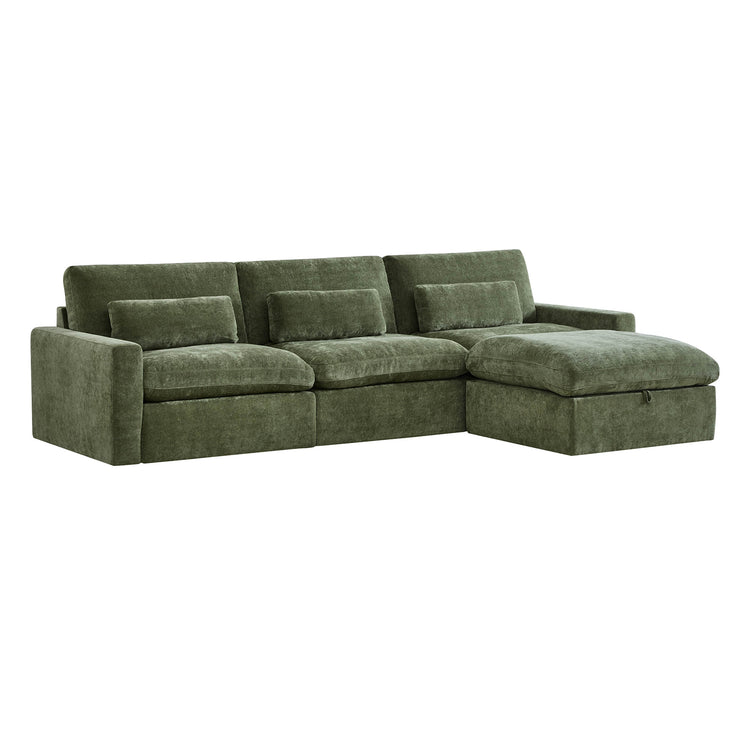
Our Nest storage ottoman has storage beneath its top cushion. To use an ottoman near the foot of a bed, mark its footprint and check the remaining route, then allow room to open it and reach inside. A different storage location may suit a narrow bedroom.

Finish by using the room: open the closet, reach the lamp, pull out the desk chair, and walk from the bed to each door. Adjust the item that gets in the way. A layout becomes useful when those everyday movements work.
Feng shui bedroom questions
Which direction should my bed face?
Start with a supported headboard and a view of the entrance. Compass-based feng shui methods may add a personal direction preference; the command-position approach works with the room's door and walls. Choose the usable bed position before deciding whether a compass preference fits.
Is it bad feng shui for the bed to face the door?
The traditional preference is to see the door with the bed offset from its direct path. Try moving the bed sideways while keeping bedside access usable. When the room fixes the bed in place, keep the exit route and door swing clear.
What if my bed has to go under a window?
For an adult bedroom, choose a headboard that leaves the window accessible, manage incoming light, and check drafts and nearby heating equipment. In a young child's room, place beds and climbable furniture away from windows and use cordless window coverings.
Can I have a mirror facing my bed?
Some feng shui traditions prefer the bed to stay out of the reflection. Place a movable mirror beside the dressing area if you follow that approach. For a fixed mirror, check the reflection from bed after dark and adjust distracting light or the bed position where practical.
Do I need two matching nightstands?
No. Two reachable bedside surfaces are useful for two sleepers; a single sleeper may need only one. Different tables can look coordinated through a shared finish or lamp shape. Choose their widths around the available space beside the bed.
Is a chair in the bedroom bad feng shui?
A chair can fit a bedroom layout when it has a clear purpose and leaves the bed, closet, and doorway easy to reach. Put a reading chair near its light source. Allow room to stand, turn a swivel chair, or extend a recliner.
How should one person arrange a small feng shui bedroom?
Give the bed a view of the entrance where possible, and keep the side you use easy to reach. One bedside table can be enough. If a side-wall bed position leaves more useful dressing space, place everyday items on the exposed side.
What changes in a feng shui bedroom for couples?
Give both sleepers usable access to the bed and a place for their bedside essentials. Try smaller tables before pushing one side against the wall. Balance can come from similar proportions and lighting while each person keeps the items they need.
What are good feng shui bedroom colors?
Soft neutrals, muted green, and soft blue are possible starting palettes. Choose the one you like under your bedroom's daylight and evening lighting. Feng shui color symbolism varies by approach, so treat symbolic preferences as part of a personal decorating choice.
Are plants allowed in a feng shui bedroom?
Views on bedroom plants vary among feng shui approaches. If you enjoy them, choose a plant suited to the available light and place it where it leaves bedside surfaces and routes usable. Check plant suitability for any pets or young children in the home.
Can I keep a desk in my bedroom?
Yes. Place it where the pulled-out chair leaves a clear route to the bed and door. Use a drawer, cabinet, or compact organizer for work materials after work, and position the screen so its light stays out of the sleeping area at night.
Can I use under-bed storage and still follow feng shui?
A traditional preference is to leave the area beneath the bed open. If you need that space for storage, keep it orderly with containers you can pull out and clean around. Measure the bed clearance and the route each container needs before filling it.
Recommended Products

More to Read
 7 Sofa Trends That Actually Improve Comfort in 2026
Upgrade your living room with furniture that supports your body. Here are 7 modern sofa features designed to maximize your daily comfort...
7 Sofa Trends That Actually Improve Comfort in 2026
Upgrade your living room with furniture that supports your body. Here are 7 modern sofa features designed to maximize your daily comfort...
 Mother's Day Gift Guide: Cozy and Stylish Furniture Picks for Modern Moms
Make Mother's Day more meaningful with furniture gifts that bring comfort, smart features, storage, and quiet luxury into her everyday routine.
Mother's Day Gift Guide: Cozy and Stylish Furniture Picks for Modern Moms
Make Mother's Day more meaningful with furniture gifts that bring comfort, smart features, storage, and quiet luxury into her everyday routine.
 Performance Fabric Reality Check: Does It Really Repel Pet Hair and Stains?
Performance fabric is often marketed as a miracle solution for homes with pets and kids, but the reality is more nuanced. It...
Performance Fabric Reality Check: Does It Really Repel Pet Hair and Stains?
Performance fabric is often marketed as a miracle solution for homes with pets and kids, but the reality is more nuanced. It...