























13 Ways to Style a Green Accent Chair
Quick answer: A green accent chair is easiest to style when you start with the sofa and floor already in the room. Pair the chair with a neutral base, repeat a little green in artwork or a cushion, and add one contrasting texture. Sage, olive, and deep green each suggest different combinations. Place the chair where someone can sit, reach a table, and join the conversation while leaving the walking route open.

Start with the green you actually have
Hold a fabric sample beside your sofa, rug, and wood finishes. Look at them in daylight and again with the lamps you use at night. A green that looks gray beside a cream sofa may look much more colorful beside a white wall. Make the decision with those materials together.
These three combinations give you a starting point. Adjust the shade and contrast to suit your room.
| Chair color | Sofa or large rug | Wood and small accents |
|---|---|---|
| Sage green | Oatmeal, ivory, or a light warm gray | Light oak; cream textiles; a little charcoal |
| Olive green | Beige, camel, or cognac brown | Walnut; terracotta; aged brass |
| Deep green | Cream, pale gray, or a muted navy | Medium wood; black details; a small blush accent |
The color blocks illustrate a palette; actual upholstery colors vary with the fabric and lighting. Our fabric swatches let you compare available fabrics with the furnishings in your room.
1. Give a deep green chair a light background
Place a dark green chair against cream, off-white, or pale gray so its outline remains easy to see. A light rug can provide the same separation when the walls are dark. Start with the surface immediately behind or beneath the chair before changing the whole room.

2. Build the pairing around your existing sofa
With a brown leather sofa, try olive or forest green and add a light throw or rug between the two darker surfaces. With a gray sofa, compare sage and a deeper green against the actual fabric. With a beige sofa, a stronger green can give the seating area a clear color accent.
Keep the chair and sofa visually connected with one shared detail, such as wood legs, a cushion color, or a similar curved shape.

3. Repeat a wood finish near the chair
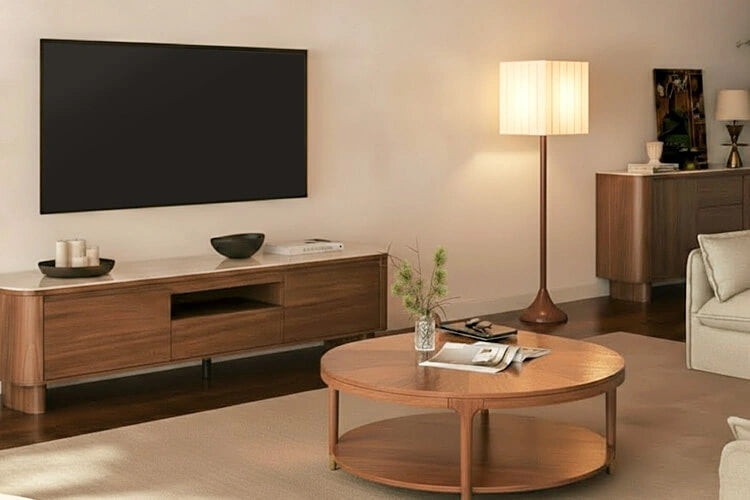
If the room has an oak floor, start with a side table in a related light wood. If it has a walnut media console, repeat that darker finish beside the chair or in a picture frame. Carrying an existing wood tone into the seating corner connects it to the rest of the room.
4. Use one white detail to define the shape
A cream cushion, white side table, or pale throw draws a clear line against green upholstery. Choose the piece that serves a purpose: a small cushion for the seat, a throw for reading, or a table for a drink. Keep enough of the green seat and arms visible to show the chair's shape.
5. Put a different texture beside the upholstery
Pair a smooth chair with a knitted throw, a woven rug, or a linen curtain. For a heavily textured chair, try a smoother cushion and a simple wood table. Compare textures with your hand as well as your eye; the pieces you touch most should feel comfortable together.
6. Repeat green in two small places
Try a green detail in an artwork and a cushion on the sofa. Place them apart so the color appears across the seating area. Two is a useful starting exercise: after placing the pieces, look at the room from the doorway and decide whether it needs another green accent.
7. Add one contrasting accent color
Red and green are complementary colors on the traditional color wheel. Try a terracotta cushion with olive, a muted pink vase with deep green, or a navy throw with sage. Start with a small, movable item. If the pairing works with the sofa and rug, you can repeat that accent elsewhere. This gives you a way to test a stronger color before choosing curtains or painting a wall.
8. Take a color from an existing picture
Look for a painting or print that already contains green and one other color in the room. Use its lighter color for a cushion or its darker color for a frame. Hang the piece where it relates to the seating arrangement, and keep it clear of the chair's back and any reclining movement.

9. Make a reading corner usable
Set the chair beside a reading lamp and a small table. Sit down and test whether you can reach the light switch and set down a cup without leaning far forward. Near a window, angle the chair to reduce glare on the page and use a curtain to manage direct sun. Keep lamp cords out of the walking route.
10. Turn the chair toward the conversation
Angle a single chair toward the sofa or place a pair where the occupants can face the main seating area. Walk through the room with the chair in its normal position. For a swivel chair, turn it through the range you expect to use and look for contact with nearby tables or curtains. Our guide to positioning accent chairs covers more living room layouts.
11. Give one pattern the most space
With a large patterned rug, use a plain throw and a small-scale cushion pattern. With a plain rug, a patterned cushion or curtain can carry more of the decoration. Repeat one color from the pattern in the rest of the room so the green chair has a visible connection to it.
12. Match a metal accent to the room's hardware
Bring an existing brass finish into the corner with a lamp or picture frame. If the room uses black or chrome hardware, repeat that finish in the side table or lighting. One repeated finish gives you a clear starting point; introduce another only where you like the combination of the actual pieces.
13. Carry one detail into the next room
In an open living and dining space, repeat a small green detail in a bowl, artwork, or table textile visible from the chair. A plant or woven basket can also connect the textures across the two areas. Use the view through the doorway to decide where that detail belongs.
Common questions about styling green accent chairs
What color sofa goes with a green accent chair?
Beige, cream, gray, and brown offer several workable combinations. Start with the sofa you own: olive can sit beside camel brown, sage can pair with oatmeal, and deep green can stand out against cream. Compare samples with the rug and floor before settling on the shade.
Should the chair be darker or lighter than the sofa?
Either arrangement can work. A dark chair beside a light sofa gives the chair a defined outline. A lighter sage chair can separate from a dark sofa. If both pieces are similarly dark, use a lighter rug or cushion to distinguish the seating area.
Can I put a green chair in a small living room?
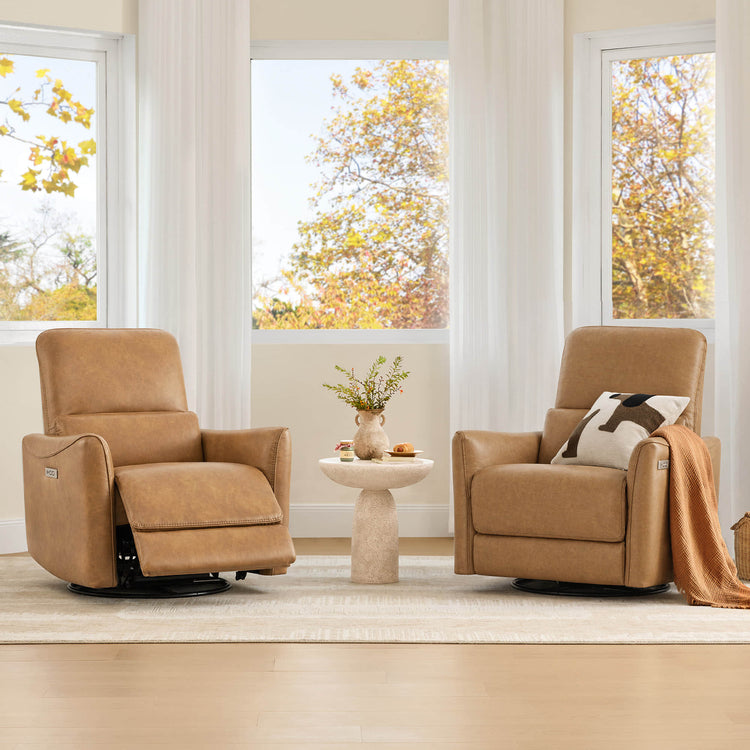
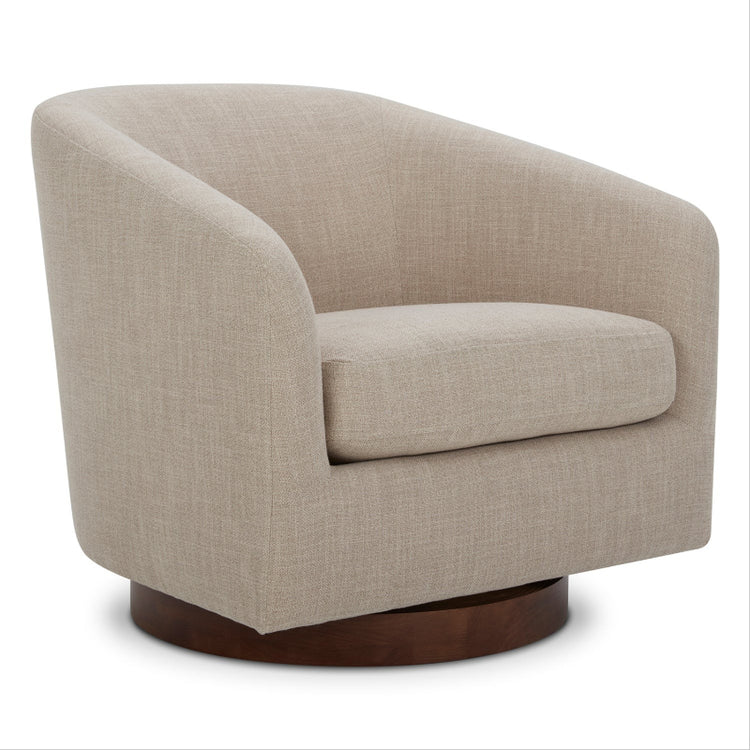
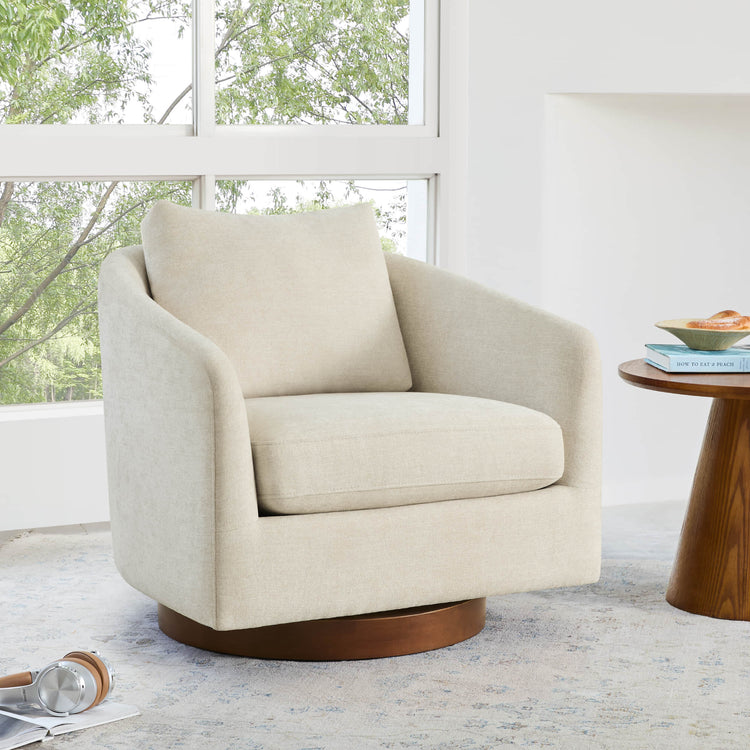
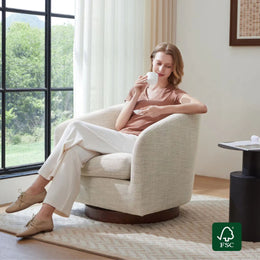
Measure the chair's width, depth, and any moving parts against the space available. Tape its footprint on the floor and walk the normal route past it. Choose the color after checking the fit; a compact room can use either pale or deep green. For a swivel model such as our Wren swivel accent chair, allow room for its 360-degree rotation as well as its stationary footprint.
Do two accent chairs have to match?
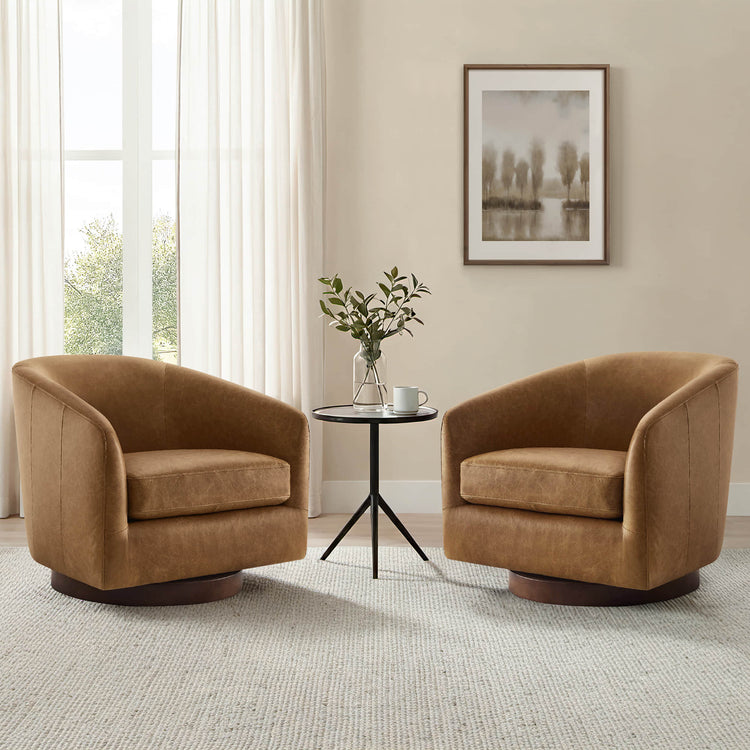
A matching pair gives a room a repeated shape and color. Different chairs can share a wood finish, a similar seat height, or a color found in the rug. Place them together before adding accessories, then choose one detail to connect the pair.
Recommended Products

More to Read
 7 Sofa Trends That Actually Improve Comfort in 2026
Upgrade your living room with furniture that supports your body. Here are 7 modern sofa features designed to maximize your daily comfort...
7 Sofa Trends That Actually Improve Comfort in 2026
Upgrade your living room with furniture that supports your body. Here are 7 modern sofa features designed to maximize your daily comfort...
 Mother's Day Gift Guide: Cozy and Stylish Furniture Picks for Modern Moms
Make Mother's Day more meaningful with furniture gifts that bring comfort, smart features, storage, and quiet luxury into her everyday routine.
Mother's Day Gift Guide: Cozy and Stylish Furniture Picks for Modern Moms
Make Mother's Day more meaningful with furniture gifts that bring comfort, smart features, storage, and quiet luxury into her everyday routine.
 Performance Fabric Reality Check: Does It Really Repel Pet Hair and Stains?
Performance fabric is often marketed as a miracle solution for homes with pets and kids, but the reality is more nuanced. It...
Performance Fabric Reality Check: Does It Really Repel Pet Hair and Stains?
Performance fabric is often marketed as a miracle solution for homes with pets and kids, but the reality is more nuanced. It...