






























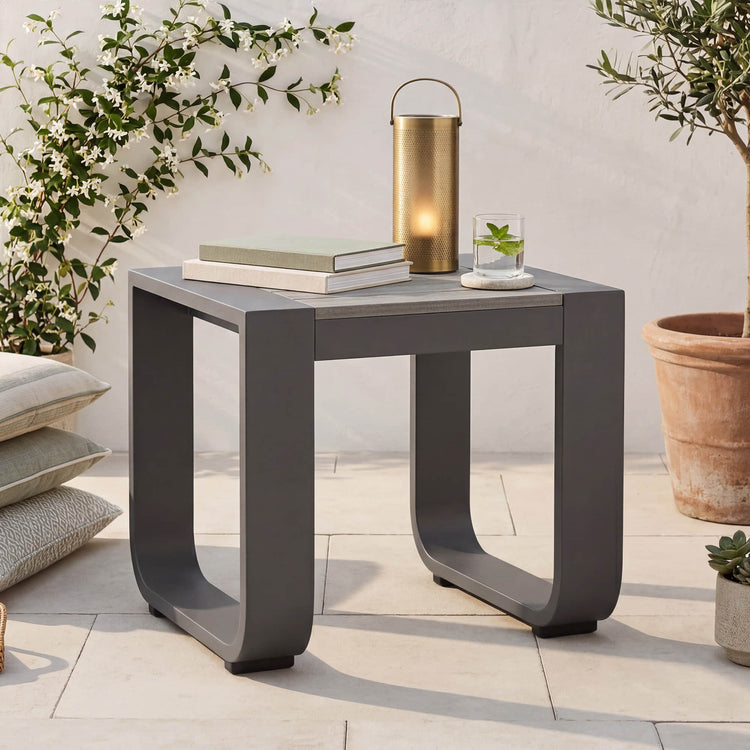
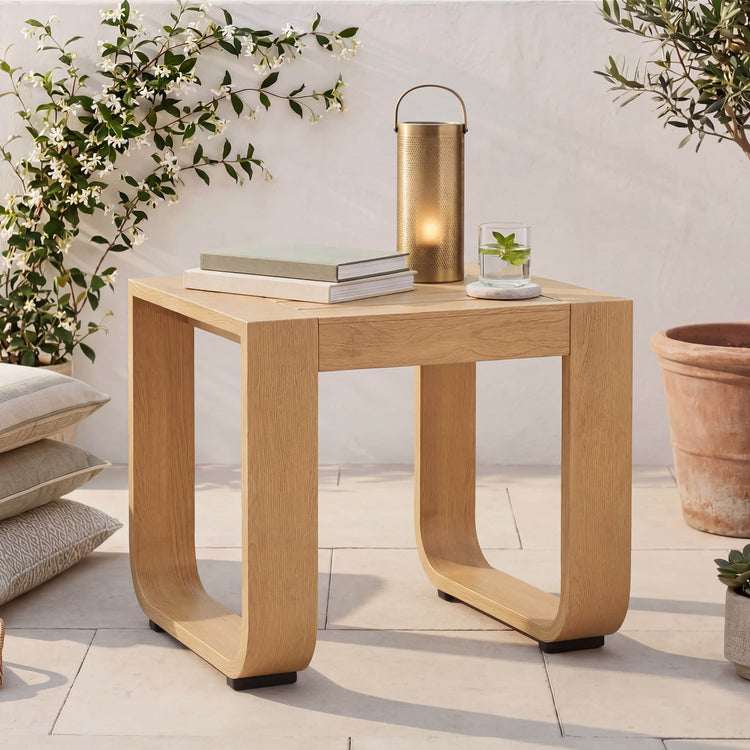









Choose Side Tables by Height, Material, and Room Use
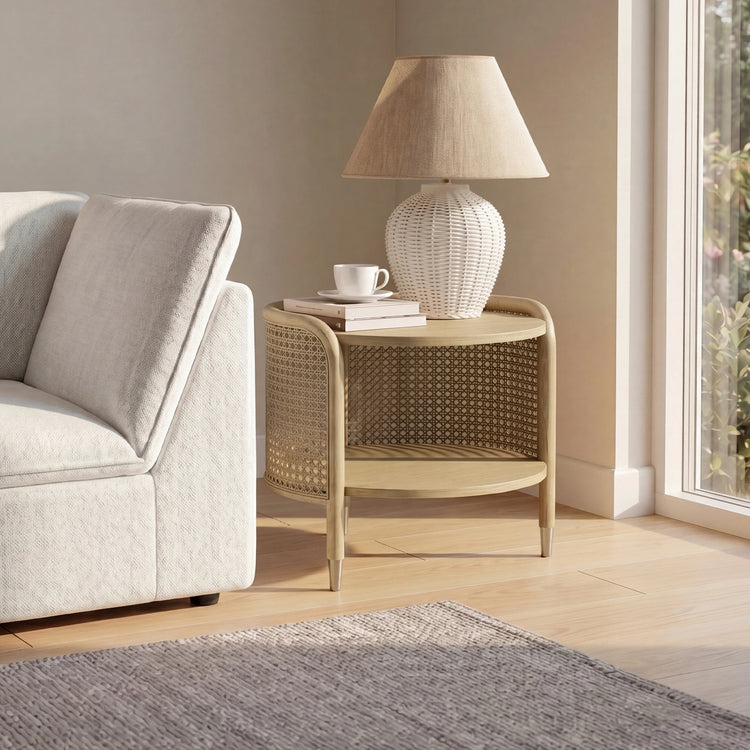
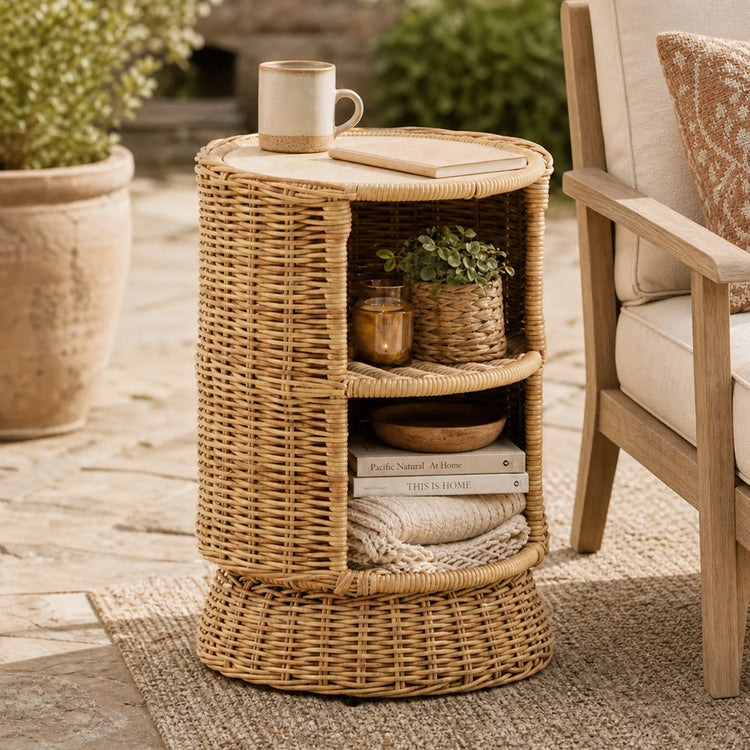
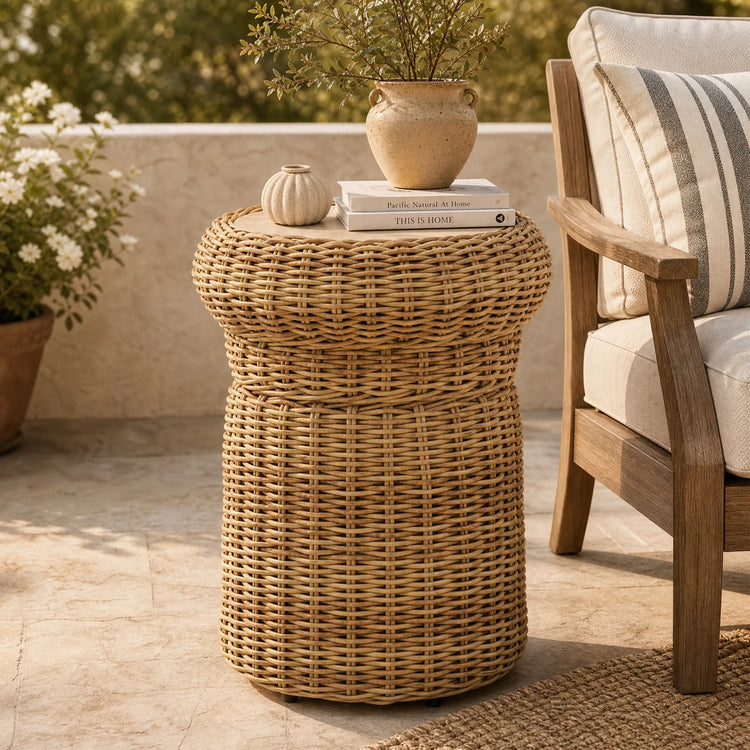
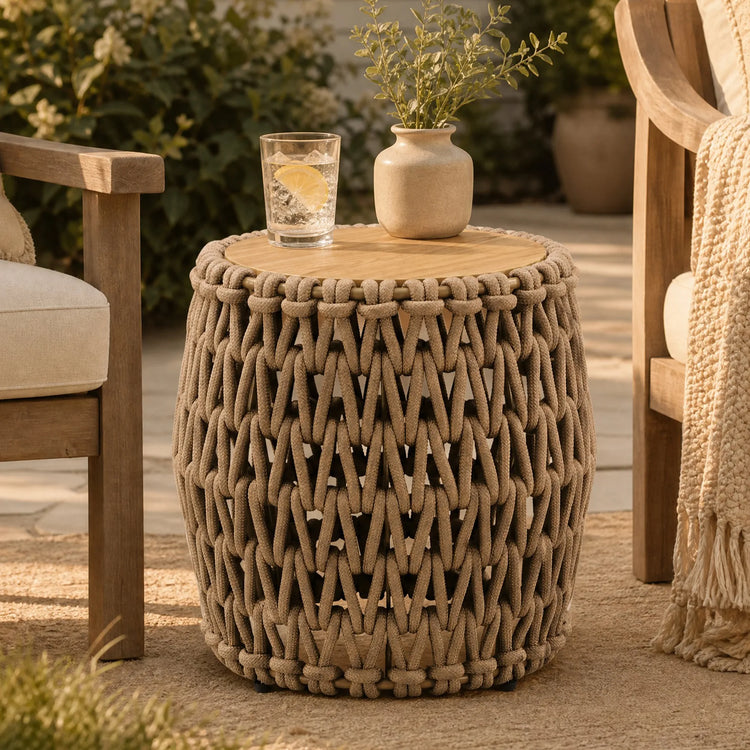
A side table should be close enough to use without making the room feel crowded. Shoppers usually compare height, surface size, stability, material, and whether the table belongs beside a sofa, accent chair, bed, or patio seat. This side table collection helps you narrow the choice by daily reach, room flow, and the surface you need for drinks, lamps, books, or outdoor lounging.
How to Choose the Right Side Table for Your Seating
Make sure a drink or phone is easy to reach without blocking the walkway.
Check whether the finish adds contrast without fighting the chair fabric.
Confirm the smaller table can move easily and tuck away cleanly afterward.
Look for stable footing, outdoor-ready materials, and a height that works with cushions.
Match Side Table Height to the Seat First
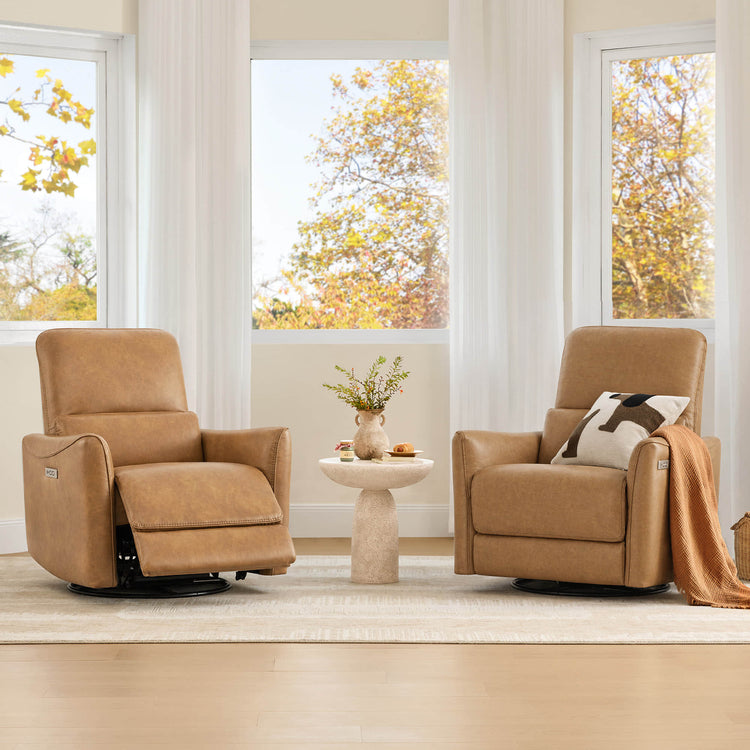
Start with the sofa or chair the table will serve. A side table should sit near the arm height, so reaching for a drink, phone, or book feels natural. If the table is much lower, deeper seats can make it awkward to lean forward. If it is too tall, lamps and decor may feel visually top-heavy.
For outdoor seating, also check whether the table stays steady on the surface below it. Deck boards, patio pavers, and sunroom rugs can all change how stable a small table feels.

For Outdoor Stability Beside Lounge Seating
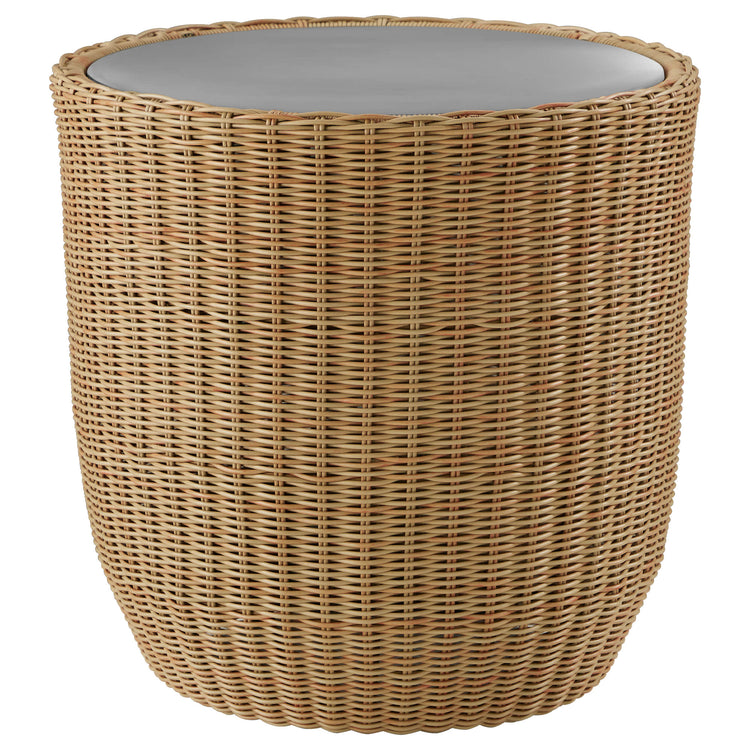
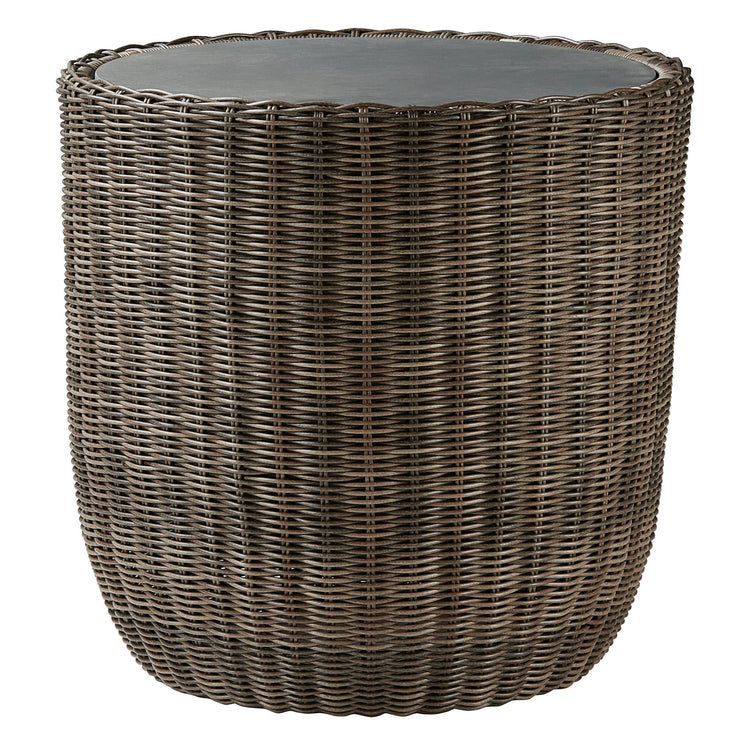
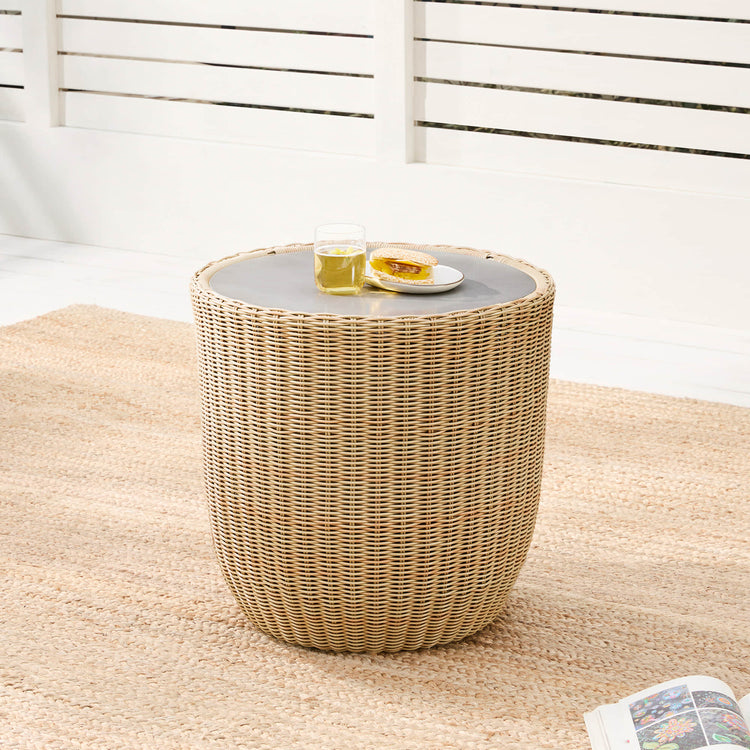
A product like Liana Rattan Outdoor Side Table is useful to compare when outdoor stability matters because its page highlights an adjustable foot leveler, a concrete top, and a powder-coated steel frame.
Choose Indoor Side Tables by Surface and Shape

For Contrast Beside Softer Seating
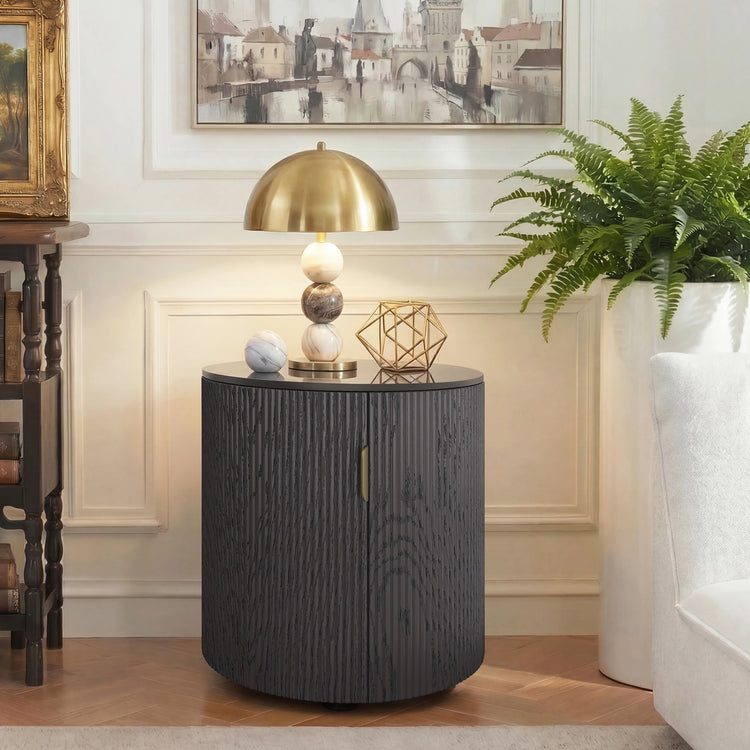
Natalie Black Sintered Stone Round Side Table suits shoppers who want a rounded black table with a metal pedestal and stone-inspired veining. That direction works best when the room can handle contrast beside lighter upholstery, wood flooring, or a simple accent chair.

For Flexible Everyday Surface Space
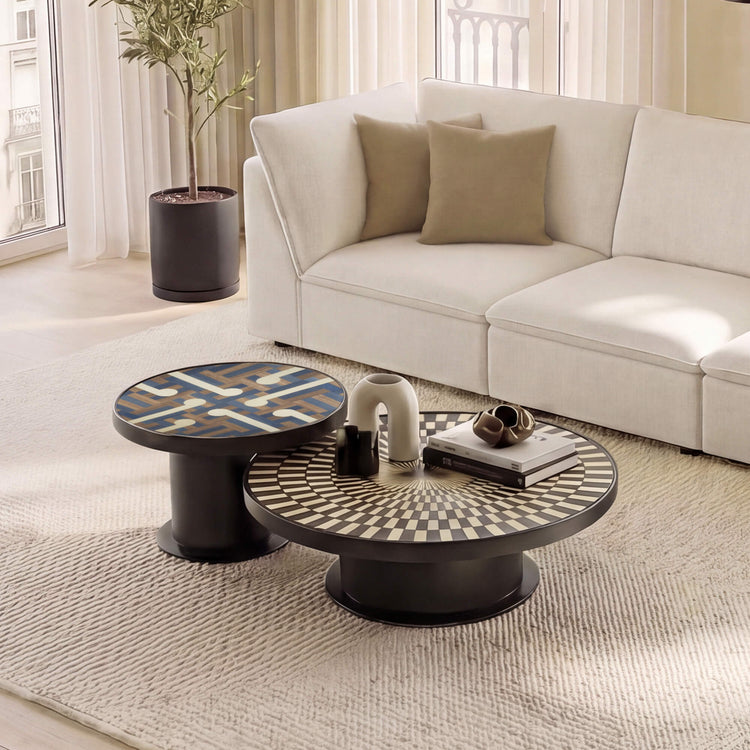
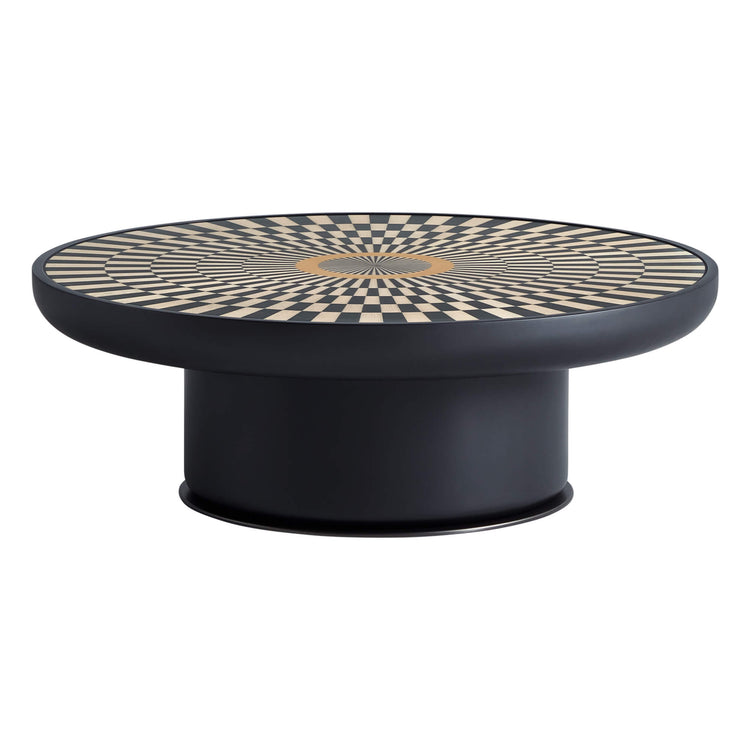
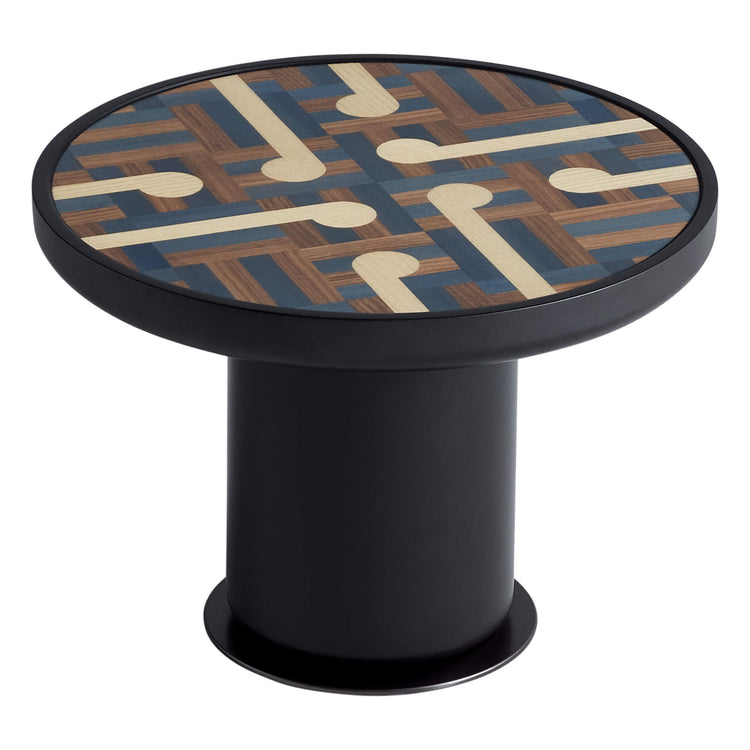
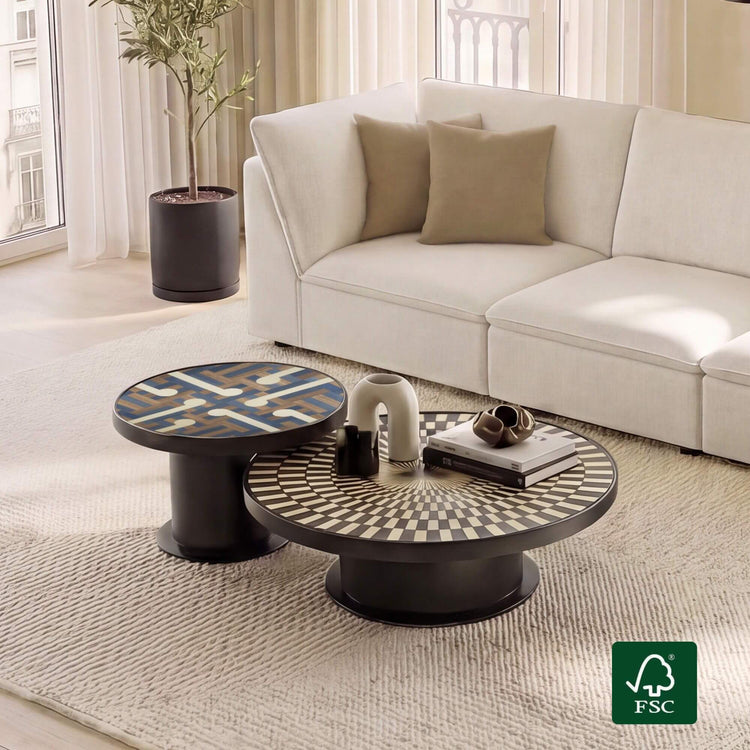
Chess Artistic Nesting Coffee Table Set gives the room multiple surface options instead of one fixed footprint. Choose this route when guests, snacks, or multipurpose seating make one small table feel limiting.
Outdoor Side Tables Need Materials That Fit the Routine
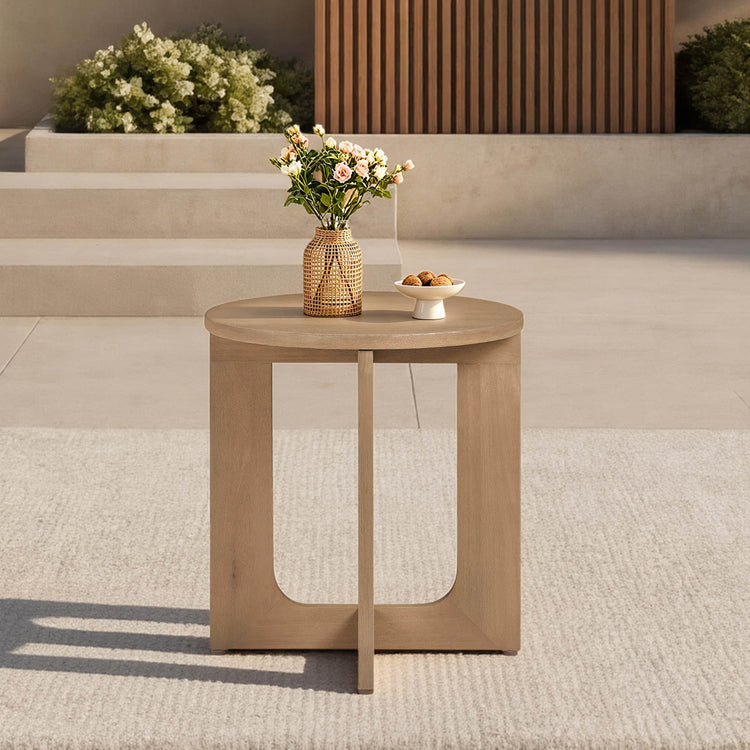
Outdoor side tables should be chosen around placement, not just style. A patio table near lounge seating needs to hold drinks and books without interrupting movement around cushions. If the surface sits under partial cover, compare the tabletop, frame, and whether the table can handle ordinary outdoor use.
Liana is a stronger fit when handwoven PE rattan, a weather-ready concrete top, and fully assembled delivery matter. Its 20.1-inch diameter tabletop and 19.7-inch height make it a practical candidate beside low outdoor lounge seating.

For a Wood-Forward Outdoor Look
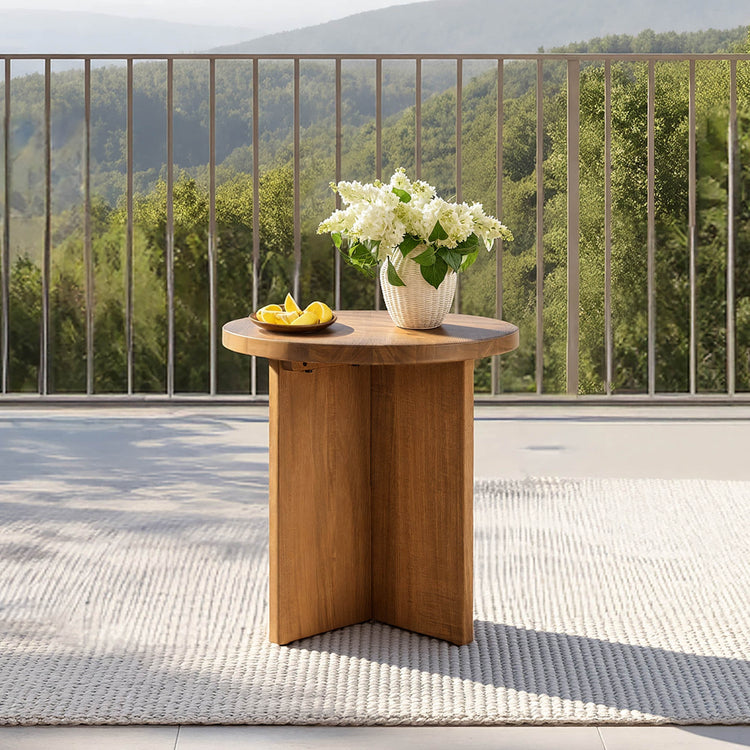
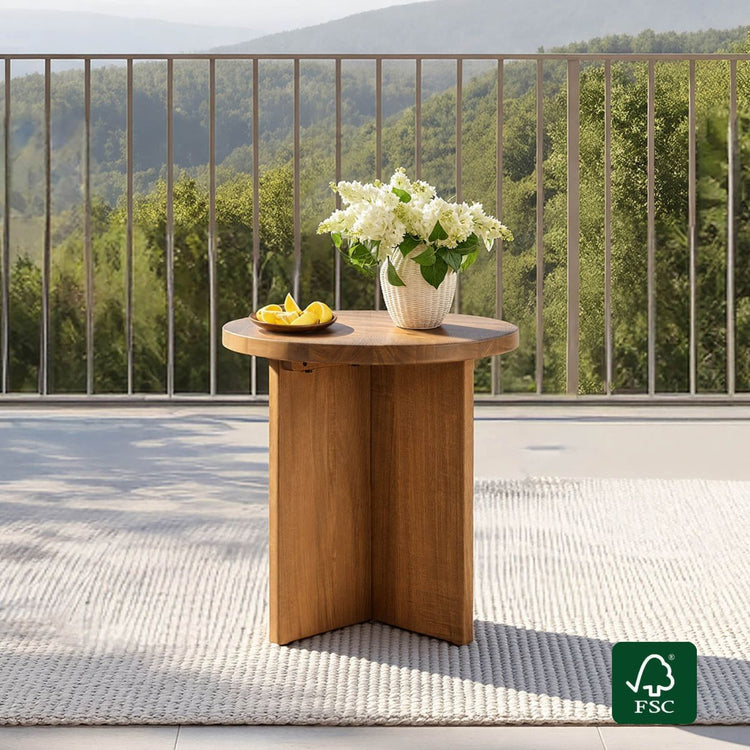
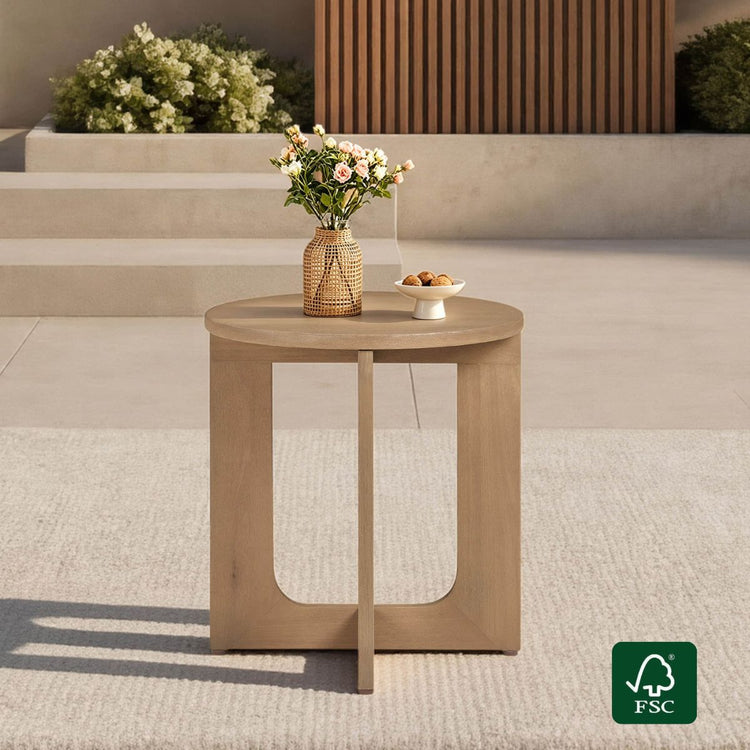
For a more wood-forward look, Raymond Modern Outdoor Acacia Wood Side Table brings FSC-certified acacia, a thick round top, and an X-base shape with more architectural weight.
Keep Side Table Styling Useful, Not Crowded
Decide whether the table must hold a lamp, coaster, remote, plant, or reading stack before choosing a bold shape.
If it handles daily clutter, prioritize enough tabletop room and an easy height over a purely decorative profile.
A patio side table should support the seating rhythm and leave space for movement around cushions.
Choose Side Tables by Height, Material, and Room Use
Use this collection to narrow side tables by seat height, indoor or outdoor placement, tabletop material, and how much flexible surface area you need. Once the role is clear, compare product dimensions, finish, and stability against the sofa, chair, rug, or patio surface around it.
FAQ
How Tall Should a Side Table Be?
A side table usually works best near the height of the sofa or chair arm. It should be easy to reach without leaning or lifting your shoulder. For low lounge seating, check the tabletop height carefully before choosing a taller accent piece.
Should I Choose One Side Table or Nesting Tables?
Choose one side table when the seating spot has a fixed job, such as holding a lamp or drink. Choose nesting tables when the room changes often, guests need extra surfaces, or you want flexibility without keeping a larger table out every day.
What Matters Most for an Outdoor Side Table?
Start with surface stability, material, and placement. Outdoor side tables should sit securely near seating, offer enough room for essentials, and fit the exposure level of the patio, deck, or sunroom. A foot leveler can help when the floor is slightly uneven.