


























What Is an Accent Chair? How to Choose One for Your Room

An accent chair can give a room a useful place to read, sit with a guest, or join a conversation. Choosing a clear purpose makes it easier to compare the shape, upholstery, and measurements that will work in your home.
What an Accent Chair Adds to a Room
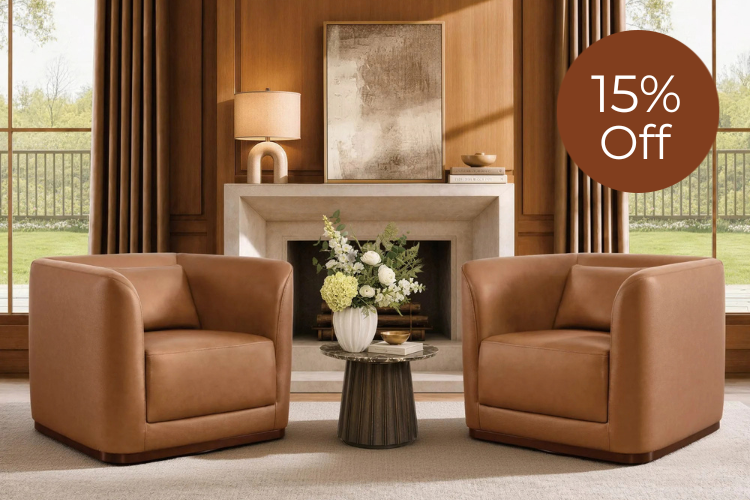
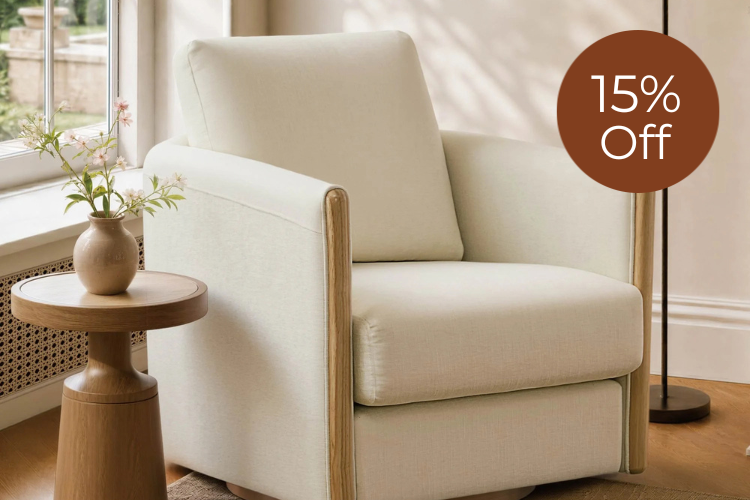
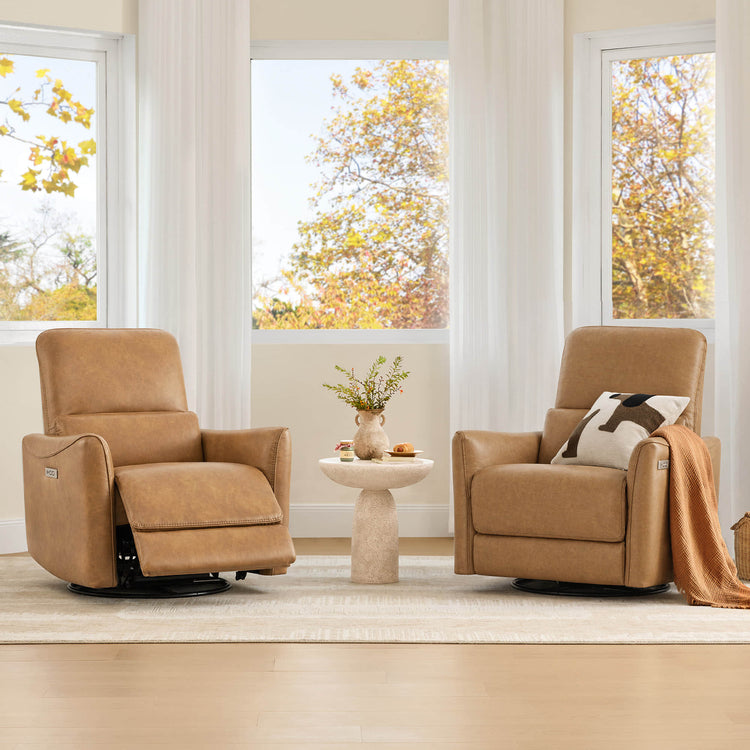
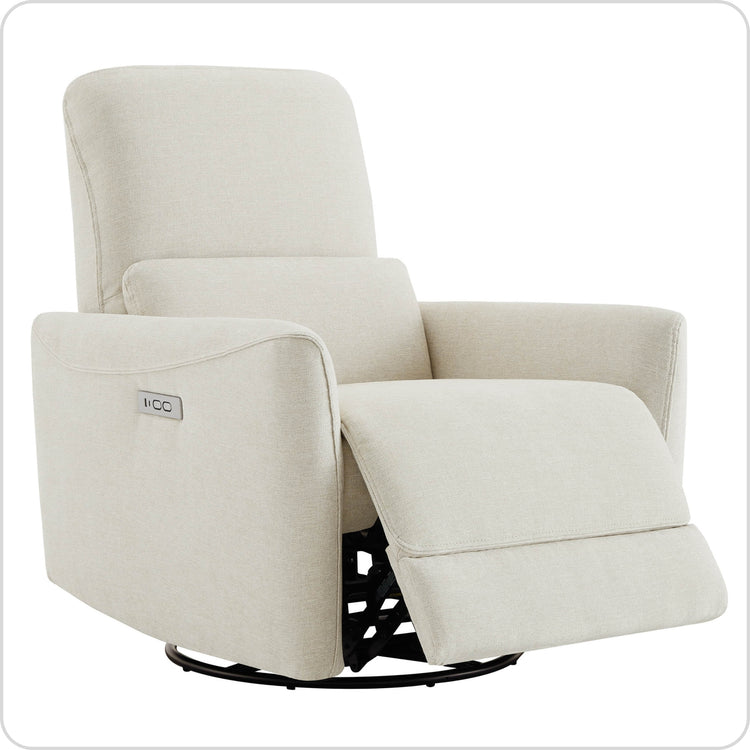
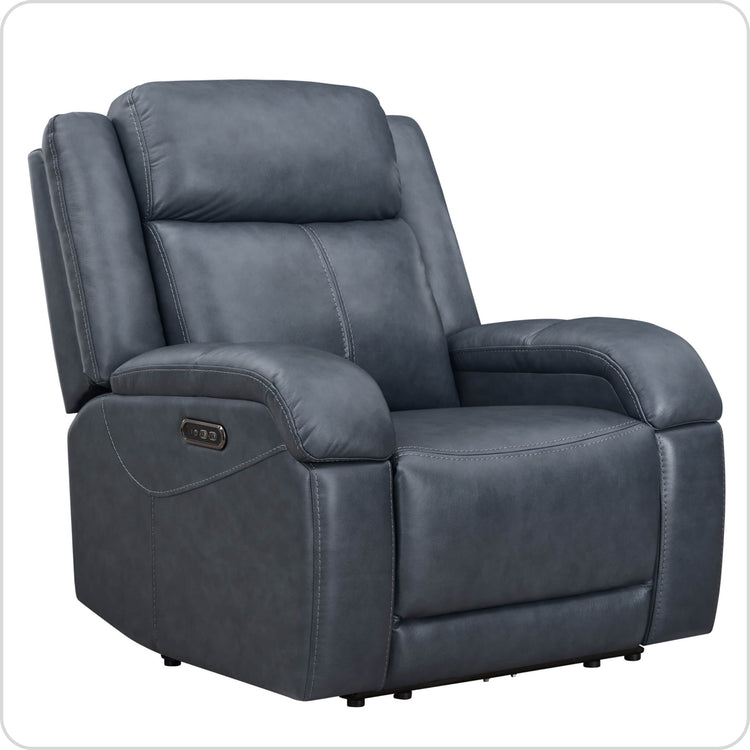
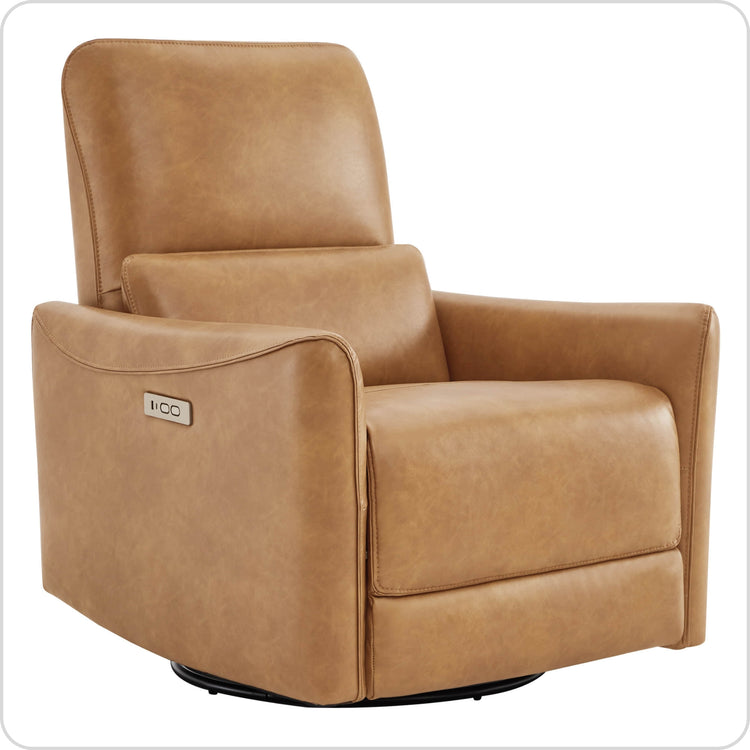
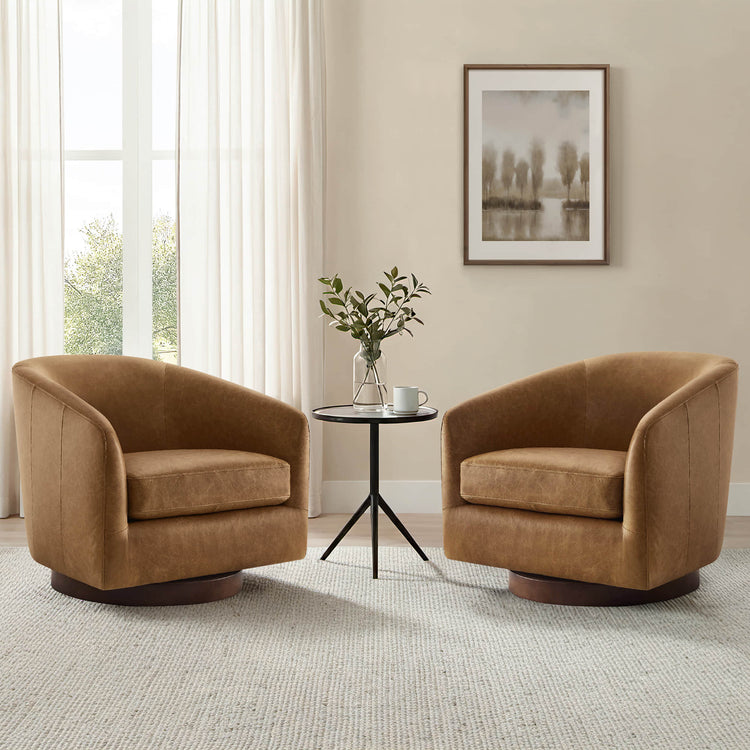
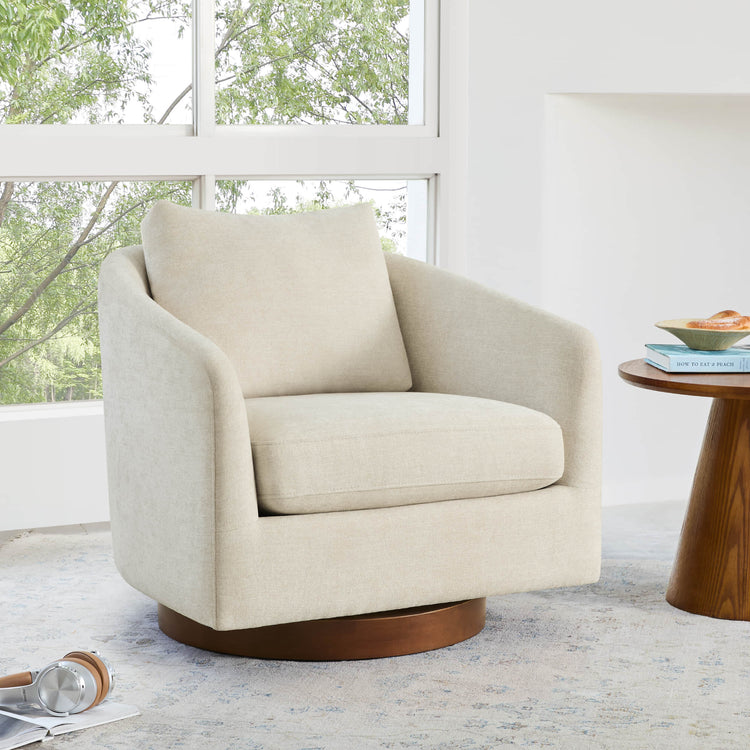
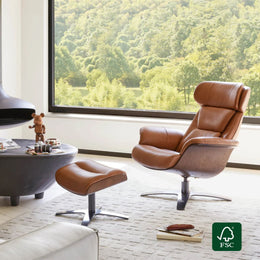
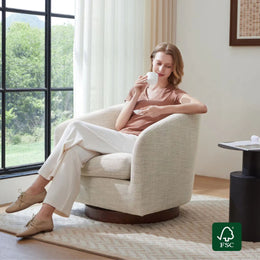
An accent chair is an individual seat selected to complement the room through its color, shape, texture, or placement. It may blend with the sofa or introduce a different material. The term covers many designs, including curved barrel chairs, wood-frame chairs, and generous lounge chairs.
Choose the position before choosing the pattern. A reading chair needs a usable light and a place for a book. A conversation chair should face the other seats comfortably. A bedroom chair needs enough surrounding space for dressing, moving past, and opening nearby drawers.

When color is the accent, our accent chair color-pairing guide helps connect a chair with the sofa, rug, and existing room colors.
Choose a Purpose Before a Shape
- Reading: check the back support, arm position, and light where you expect to sit.
- Conversation: compare the chair's direction with the sofa and the reach to a shared side table.
- Changing views: a swivel base may let you turn toward a window and back toward the room. Allow space for the chair's moving outline.
- Occasional seating: check that the chair can stay accessible without blocking a daily route.
Our accent chair collection includes different shapes and bases. Compare the actual footprint of each design; a rounded chair can still be wide, and a low back can still sit above a deep seat.

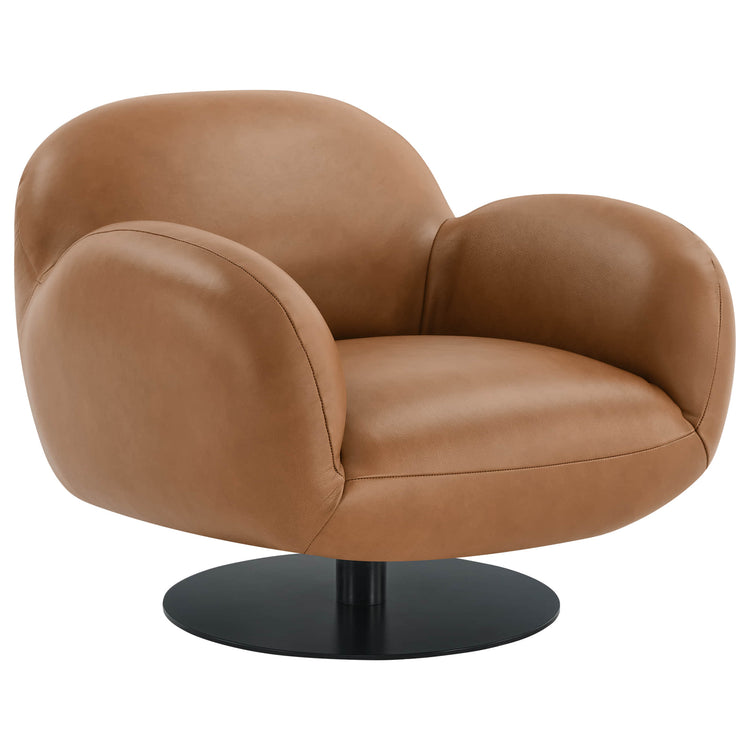
For a curved chair that can turn between conversation and a window view, our Wren Modern Swivel Accent Chair provides a 360-degree swivel example. Include the turning outline in the floor plan.
Check Seat Fit and Overall Dimensions
Seat dimensions describe the area inside the arms and back. Overall dimensions describe the floor space the entire chair occupies. Record both, along with seat height and arm height.
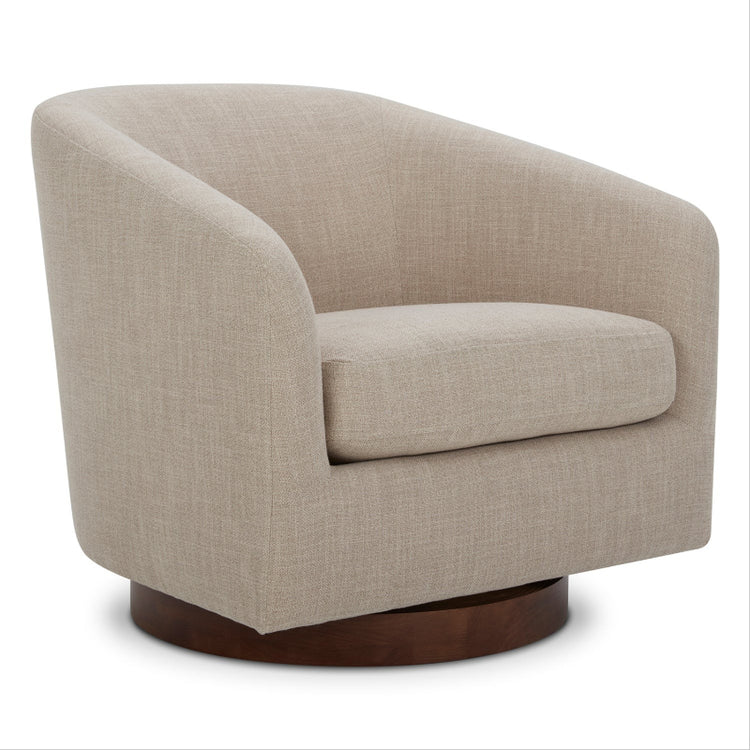
For example, our Henry Swivel Accent Chair with Wood Base lists a seat 23.6 inches wide, 21.3 inches deep, and 18.9 inches high. Its overall size is 29.9 inches wide by 33.1 inches deep by 33.9 inches high. These dimensions describe a single-person chair.
When trying a chair, sit back in your usual posture. Check whether the back supports you, your feet settle comfortably, and the front edge leaves comfortable space behind your knees. For lounging, repeat the check in the position you actually use. A cushion or footrest may change the fit, so include it in the trial.
Frame bracing, joints, suspension, and cushion construction describe different parts of the chair. Compare these details separately. A corner-blocked frame refers to frame reinforcement; it does not describe how the cushion filling is secured.

Cornell’s seating-fit criteria describe the same upright-fit checks: back support, room behind the knees, and feet resting comfortably on the floor.
Place One Chair or a Pair
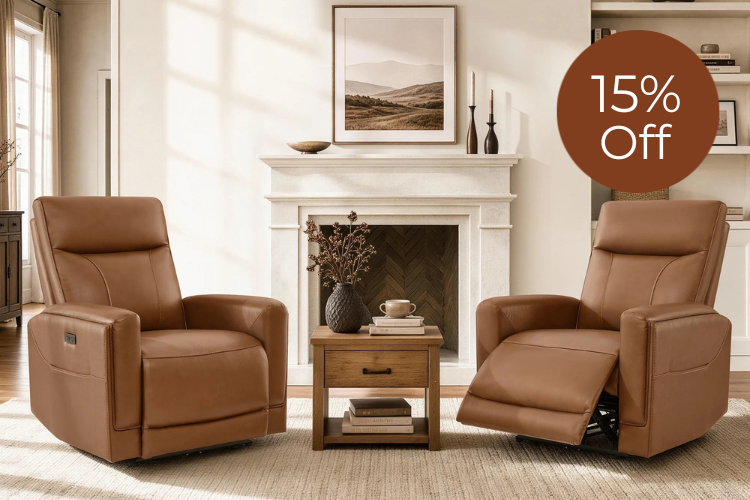
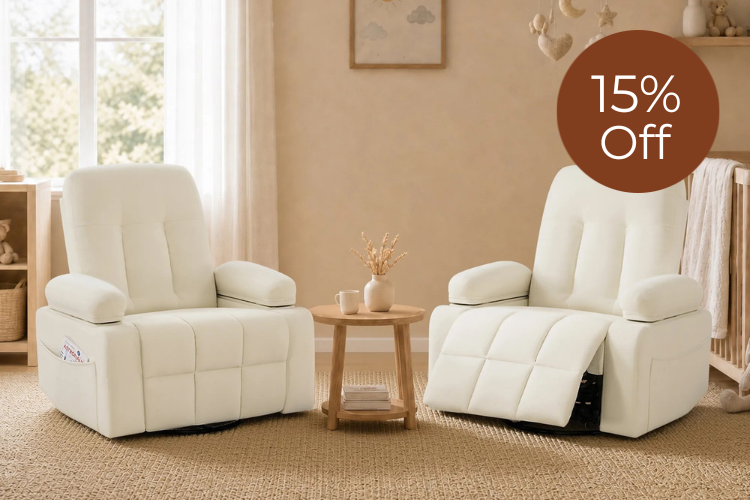
One chair can sit at an angle to the sofa, provided its arms and back remain clear of the route into the room. Two chairs can face the sofa or form a smaller conversation area with a side table. Place the table where seated people can reach it without leaning across a walkway.
Mark the full chair outline on the floor. Include the swivel movement where relevant, then open nearby doors and drawers. Walk the route while another person is seated. For more layout examples, use our accent chair placement guide.

Can You Use an Accent Chair for Dining?
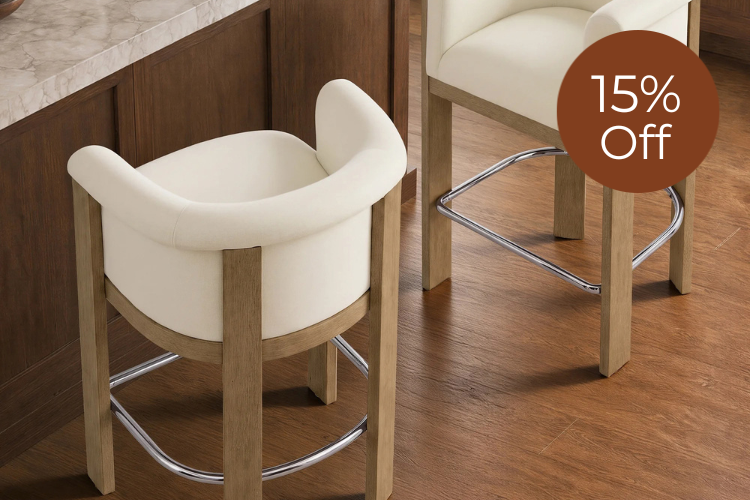
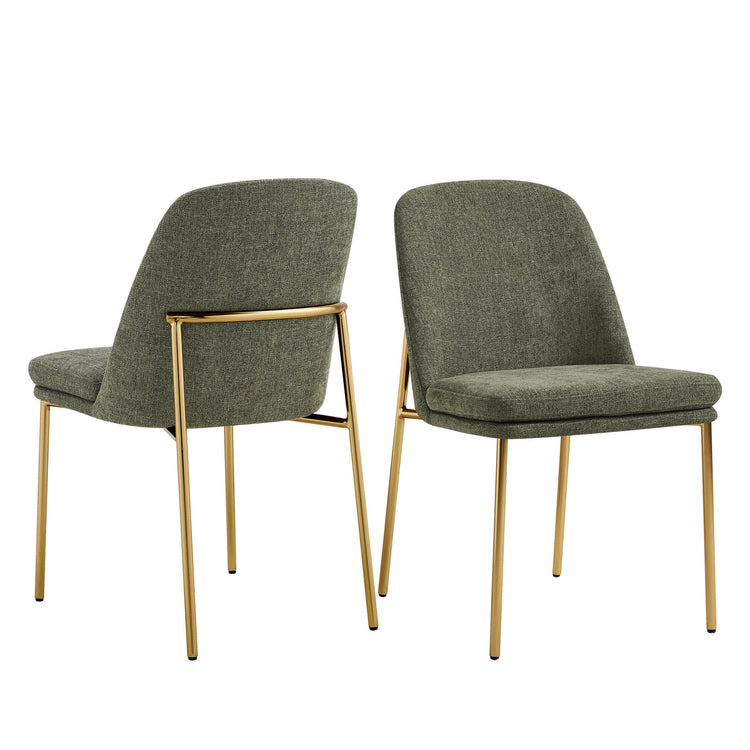
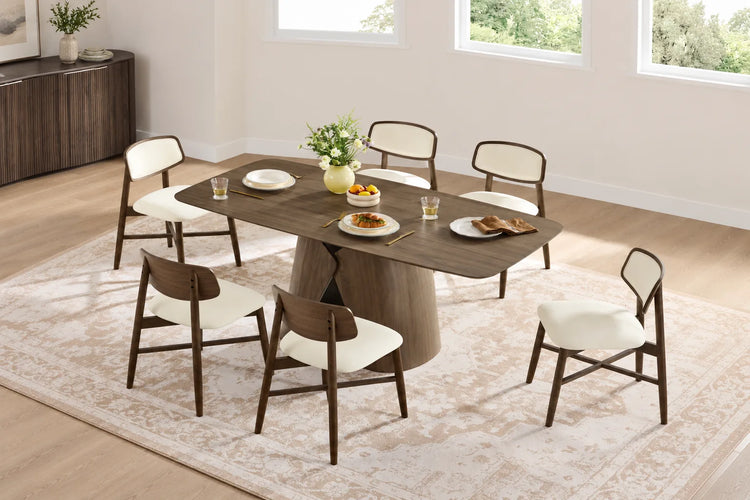
An accent chair can work at a dining table when its seat height, arms, and overall size fit the table and the dining space. Start with the table's underside: the apron and supports can limit where the chair goes.
- Compare seat height with tabletop height and sit at the table to check the eating position.
- Check that armrests fit beneath the top or allow the chair to sit close enough for meals.
- Pull the chair out and sit down without touching the table supports.
- Check the route behind it while occupied, and consider upholstery care around food.
A low lounge chair may leave you too far below the table. A dining chair designed for the table can be the more practical choice when the measurements do not line up.

Our dining table height and chair-fit guide explains how to compare the seat height, table underside, and arm clearance before pairing the pieces.
Care for the Specific Upholstery and Finish
Remove loose dust with an appropriate vacuum attachment and absorb fresh spills with a clean cloth. Blot rather than scrub. Choose the next cleaning step from the upholstery label: water-based, solvent-based, and vacuum-only materials call for different methods.
Use steam, shampoo, washing, or polish only where the product's care directions allow it. For finished wood, start with gentle dusting and promptly remove spills. Test an approved cleaner in an inconspicuous area before broader use. Contact us with your chair model and upholstery details if you need help identifying its care guidance.
Our fabric upholstery care guide covers routine vacuuming and spill treatment. the Association for Contract Textiles (ACT)’s W, S, WS, and X cleaning-code reference explains the different permitted methods; follow the chair’s own label.
Keep an exposed wood base away from direct heat and strong sunlight. The Canadian Conservation Institute’s wood furniture care guidance describes the effects of light and changing moisture levels.
FAQs
Does an accent chair need to match the sofa?
No. It can coordinate through a repeated color, wood tone, or texture while having a different shape. Compare fabric samples in the room's daylight and evening lighting before choosing a close color match.
Can two people share a standard accent chair?
No. A standard accent chair is designed for one person. If you want a seat to share, choose a loveseat or another design made for two. Check the intended seating use as well as the width; a generous single seat gives one person extra room to relax.
Are accent chairs comfortable enough for everyday use?
Yes, an accent chair that fits you well can become your everyday reading or conversation seat. For reading, look for a back you can lean against and arms that feel comfortable while holding a book. For a relaxed evening, you may prefer a deeper seat with a footrest. Try the position you will use most, with the cushions in place.
How often should I steam-clean an accent chair?
Only as needed, and only if your chair’s upholstery is approved for steam cleaning. For everyday care, vacuum away dust and blot spills promptly. If the care label specifies solvent-based cleaning or vacuuming only, use that method instead of steam.
Recommended Products


More to Read
 7 Sofa Trends That Actually Improve Comfort in 2026
Upgrade your living room with furniture that supports your body. Here are 7 modern sofa features designed to maximize your daily comfort...
7 Sofa Trends That Actually Improve Comfort in 2026
Upgrade your living room with furniture that supports your body. Here are 7 modern sofa features designed to maximize your daily comfort...
 Mother's Day Gift Guide: Cozy and Stylish Furniture Picks for Modern Moms
Make Mother's Day more meaningful with furniture gifts that bring comfort, smart features, storage, and quiet luxury into her everyday routine.
Mother's Day Gift Guide: Cozy and Stylish Furniture Picks for Modern Moms
Make Mother's Day more meaningful with furniture gifts that bring comfort, smart features, storage, and quiet luxury into her everyday routine.
 Performance Fabric Reality Check: Does It Really Repel Pet Hair and Stains?
Performance fabric is often marketed as a miracle solution for homes with pets and kids, but the reality is more nuanced. It...
Performance Fabric Reality Check: Does It Really Repel Pet Hair and Stains?
Performance fabric is often marketed as a miracle solution for homes with pets and kids, but the reality is more nuanced. It...