

























On a hot, sticky afternoon, sitting down to relax can quickly turn uncomfortable. In deep summer, a living room often traps heavy air. Many people find their skin sticking to the cushions. A damp couch can pick up an unpleasant, stale smell within a few months. Mold spores thrive in these conditions, turning your favorite seat into a breeding ground for allergens and dark spots. This ruins the fabric and hurts indoor air quality.
When shopping for a living room couch in these areas, visual style cannot be your main focus. The outer layer and the inner parts must handle moisture and heat well. Choosing the right material ensures the couch lasts for years and stays comfortable on the stickiest days.
What Makes a Sofa Good for Hot and Humid Climates?
To find a humidity-friendly sofa, you must look at specific performance factors. These traits determine if a piece of furniture stays cool or turns into a damp sponge. Keep these four properties in mind:
- Breathability: This is how easily air flows through the material. Good airflow lets body heat move away from you, preventing that hot, trapped feeling.
- Moisture Resistance: This measures how much water vapor the material takes in and how fast it dries out. Fabrics that dry quickly do not stay damp from sweat or high room humidity.
- Mold and Mildew Resistance: Sticky air speeds up fungal growth. The best materials do not offer a food source for mold spores.
- Ease of Cleaning: A good couch in a hot area must handle sweat, skin oils, and spilled drinks. It should be simple to wipe down or wash without ruining the texture.
When indoor air stays damp, standard materials degrade quickly. Heavy moisture weakens fabric fibers, causing them to stretch, sag, and tear easily. Glues inside the frame can soften, and wood parts can warp. If the fabric holds onto sweat and water vapor, bacteria grow rapidly, leading to permanent odors that ruin the room.
Best Sofa Materials for Hot and Humid Climates
Selecting the correct outer material keeps your seating surface cool and dry. Here are the top four choices that perform beautifully in hot, sticky conditions.
Linen and Linen-Blend Fabrics
Linen is a fantastic natural choice for warm regions. The fibers come from the flax plant, creating a naturally breathable modular couch that allows excellent air circulation. The weave lets your skin breathe, so you stay cool even without strong air conditioning.
Pros: Linen has a beautiful, relaxed look and feels instantly cool to the touch. It dries much faster than pure heavy cotton and does not trap static electricity. It handles sweat well by pulling moisture away from your body.
Cons: Pure linen wrinkles very easily, which some people dislike. It can stain if you do not clean spills immediately. Because of this, manufacturers often blend linen with synthetic fibers to increase stain resistance and reduce wrinkling.
Performance Fabrics
A performance fabric sofa relies on modern engineering to defeat moisture. These materials are usually woven from tight polyester or acrylic blends and treated with special protective coatings. They are designed specifically to handle heavy daily use in tough indoor environments.
Pros: Modern performance fabric is easier to maintain in humid climates because it sheds water instead of absorbing it. This allows for easier cleanup for sweat, spills, and moisture. These fabrics resist fading from bright sunlight, resist mold growth, and stand up well to active kids and pets.
Cons: Some lower-grade options can feel slightly synthetic or plastic-like. If the weave is too tight, it can limit airflow, making the seat feel warm over long periods.

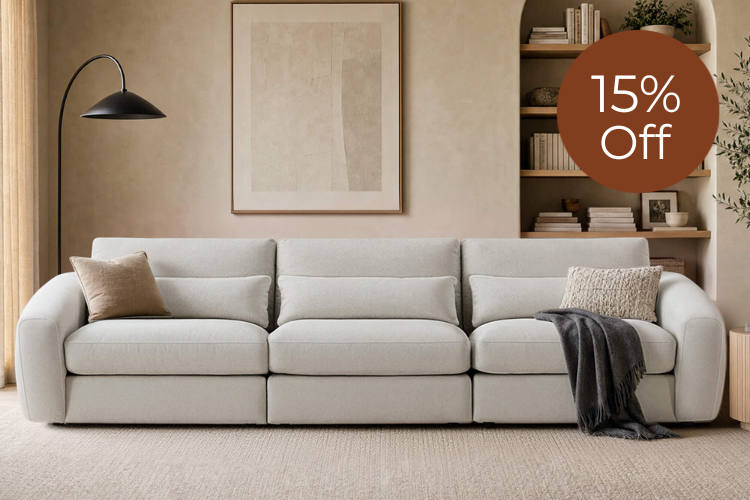
The Keaton 3-Seater Sofa blends breathable performance fabric with a clean wood base and generous three-seat comfort, making it a practical living room option for humid homes that need style, durability, and easier everyday care.
High-Quality Leather
Genuine top-grain leather is a smart choice if you have a well-ventilated home or use air conditioning. Unlike cheap fake alternatives, real leather is a natural material that contains tiny pores, allowing a small amount of air exchange.
Pros: A genuine, heat-friendly leather sofa does not trap dust, pet dander, or surface moisture. Spills and sweat sit on top, making it an easy-clean sofa for humid climates. It feels cool when the room has good airflow or a running ceiling fan.
Cons: Quality leather requires a higher upfront cost. It needs regular application of a specialized conditioner to stop the material from cracking in high heat. If a room has zero airflow and no cooling, leather can feel sticky against bare skin.

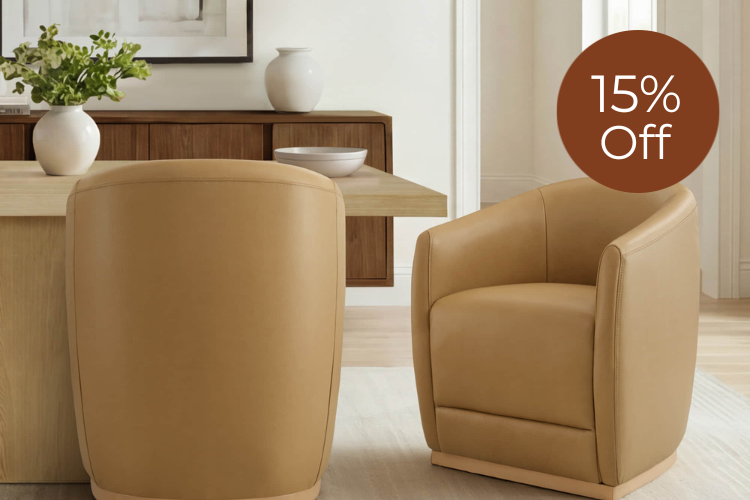
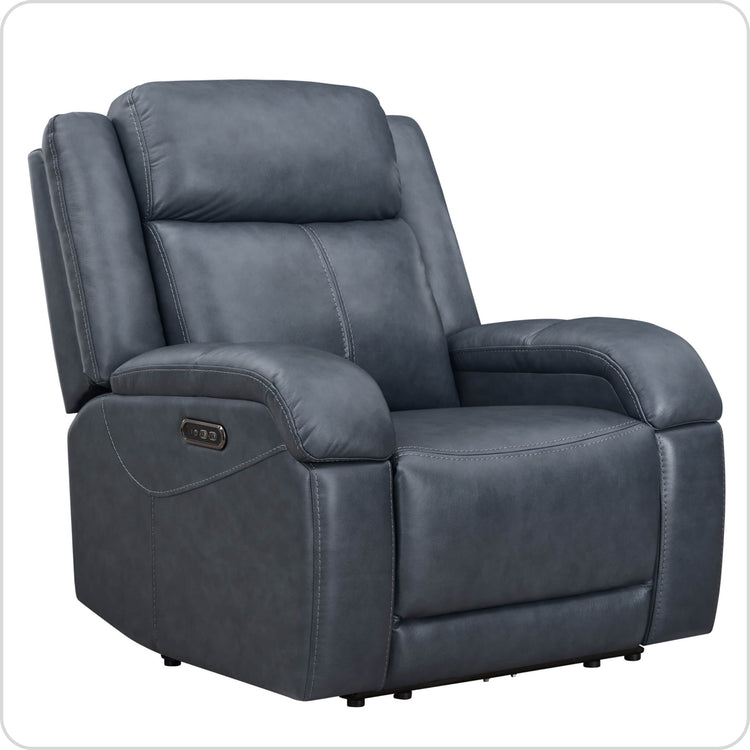
The Haley Modular Power Reclining Sofa combines top-grain leather, modular seating, power reclining, and adjustable headrests, giving busy living rooms a cooler, easy-clean surface with flexible comfort for lounging, movie nights, and family use.
Cotton-Blend Fabrics
While pure, heavy canvas cotton can hold onto moisture, lightweight cotton blends work well. Mixing cotton with synthetic fibers creates a balanced fabric that stays comfortable in warm weather.
Pros: Cotton blends feel soft, familiar, and gentle on the skin. They are widely available in many colors and are highly breathable. The synthetic mix helps the fabric dry faster than pure cotton.
Cons: They still absorb more moisture than pure performance fabrics. You may need to apply a fabric protector spray to prevent deep stains from sweat and spills.
Sofa Materials to Avoid in Hot and Humid Climates
Certain popular upholstery options fail miserably when the weather turns sticky. Avoid these specific materials to save yourself from ruined furniture and discomfort.
Low-Quality PU and Bonded Leather
Polyurethane (PU) and bonded leather use plastic coatings over scrap pieces or fabric backings. In hot and sticky rooms, the heat breaks down the chemical bonds in the plastic layer. Within a year or two, the surface starts to peel, crack, and flake off in large patches. This material traps heat against your body, causing heavy sweating, and holds onto skin oils that make the damage worse.
Thick Velvet, Chenille, and Long-Pile Fabrics
Plush, heavy fabrics like velvet and chenille feature deep textures with thousands of tiny fibers. These long fibers trap hot air, body heat, and moisture right where you sit. They also act like a sponge for dust mites, pollen, and pet dander. In damp rooms, these heavy materials take a very long time to dry out, leading to musty smells and hidden mold growth.
Very Heavy, Non-Breathable Synthetics
Cheap, heavy synthetic fabrics often feature thick rubber or plastic backings to make them feel stronger. This backing blocks all airflow through the cushions. Sitting on these fabrics feels like sitting on a plastic sheet, causing a sweaty, sticky experience. Keeping these pieces fresh requires non-stop dehumidifier use and constant cooling.
Don't Forget the Inside: Fillings and Frame Matter Too
The parts you cannot see play a major role in keeping furniture fresh. Internal design choices dictate how well air moves through the entire piece.
Cushion Fillings
What goes inside your cushions affects moisture retention just as much as the fabric outside. Different materials handle damp air in distinct ways:
- High-Density Foam: This material offers excellent body support and maintains its shape well. High-quality open-cell foam allows air to pass through, meaning it is less likely to trap moisture deep inside the core.
- Feather and Down: These fillings offer a soft, luxurious feel. However, natural feathers absorb water vapor easily and hold onto sweat odors. If you cannot dry them out regularly, they compress and clump together permanently.
- Fiberfill: This polyester stuffing is lightweight and cheap. Unfortunately, it tends to mat and clump quickly when exposed to constant dampness, losing its bounce within a short time.
Frame and Base Design
The structural shape of your furniture alters the air movement around it.
- A high-leg sofa for airflow lifts the main body off the floor, allowing room for breeze to pass underneath. Choosing an open-base sofa design prevents pockets of stagnant, humid air from getting trapped under the couch.
- An airy modern sofa with a raised high-leg design makes cleaning simple. This easy-clean sofa underneath approach ensures that easier cleaning reduces dust and humidity buildup that often happens in dark corners.
- Furthermore, a clean wood-base silhouette or a simple wood base creates a lighter, more breathable appearance.

The Brendon Sofa Collection features a light, modern sofa profile with elevated proportions that help rooms feel more open, making it a strong fit for homes that need comfortable seating without a heavy or crowded look.
How to Choose the Right Sofa Material for Your Home
Finding the perfect match requires looking at your daily habits and room setup. Use these targeted questions and shopping tactics to guide your purchase decision.
Match Material to Your Climate and Lifestyle
Before spending money, look closely at how you use your living space. Consider these specific questions:
- Do you mostly rely on natural ventilation or use AC often? If you keep windows open for sea breezes, pick ultra-breathable linen blends. If you run air conditioning constantly, a quality leather couch or a cool-touch reclining sofa will feel great.
- Do you live near the coast? Salt air combined with high humidity accelerates fabric rot. A performance fabric sofa or treated leather resists salt damage much better than pure natural fibers.
- Do you have kids or pets? Wet paws, sticky fingers, and sweat demand a durable surface. Look for an easy-clean sofa for humid climates that allows quick spot treatment.
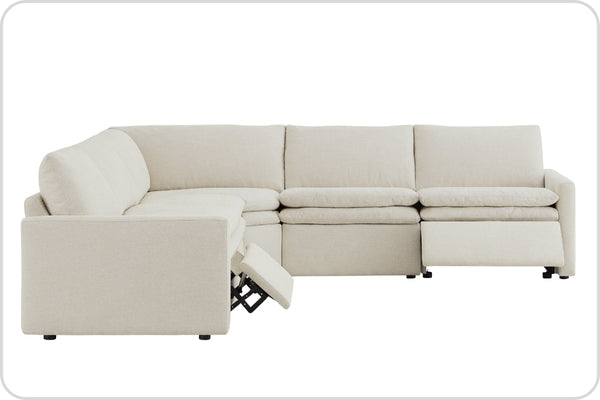
- Your room layout matters too. Utilizing a deep lounge modular sofa allows you to change the setup whenever you want. A flexible modular layout promotes flexible room airflow, ensuring big furniture pieces do not block your home's natural cross-breezes.

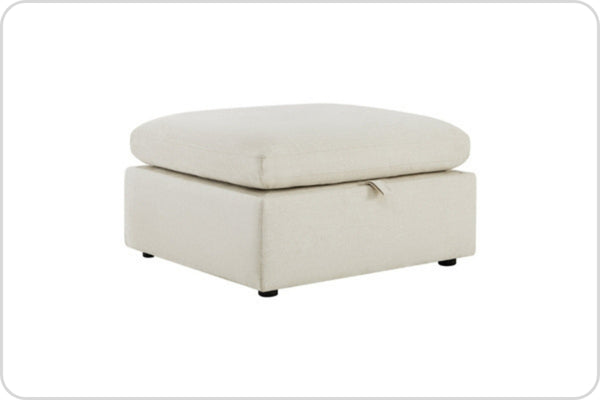
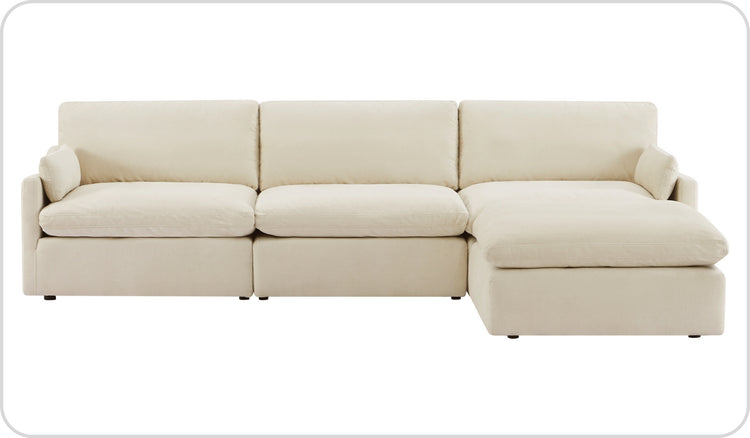
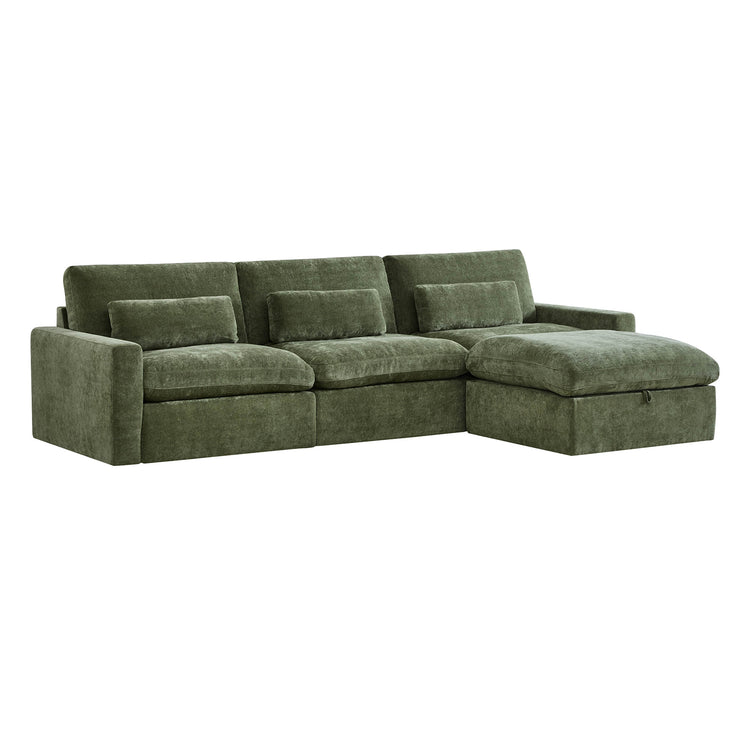
The Kenna Modular Sofa Collection gives you a flexible lounge setup with deep comfort and modular pieces that can adapt as your room changes, making it easier to balance airflow, seating capacity, and everyday relaxation.
Practical Shopping Tips
- When looking at options online or in a physical store, read the material tag carefully. Look for high percentages of linen or specialized performance polyester.
- Check the cleaning codes: a code "W" means you can clean it with water-based cleaners, which is helpful for sweat removal. Avoid couches that list heavy synthetic backings.
- When visiting a showroom, perform a quick touch test. Press your bare hand firmly against the cushion for thirty seconds. If your palm feels warm and sweaty immediately, the fabric lacks proper breathability.
- Additionally, look for models that feature removable washable covers. Being able to unzip the fabric and throw it into the washing machine is a massive help for keeping things fresh.
Care and Maintenance Tips for Sofas in Hot and Humid Climates
To keep your furniture in top shape, establish a steady maintenance plan.
- Good airflow is your best defense. On less humid days, open your windows to let fresh air pass through the room. During peak muggy seasons, use ceiling fans, floor fans, or a dedicated dehumidifier to keep indoor moisture levels below sixty percent.
- Vacuum your upholstery every week using a brush attachment. This removes dust, skin flakes, and pet hair before they combine with humidity to form a grime layer.
- If someone sweats heavily on the couch, blot the area immediately with a dry microfiber cloth, then wipe gently with a damp cloth and let it air dry completely.
- Preventing mold requires smart furniture placement. Never push your couch directly against an exterior wall, as these walls often hold dampness and lack airflow. Keep an open space of at least four to six inches behind the piece.
- Every few weeks, pull the couch completely into the center of the room to let the back panels air out.
- Special materials need extra steps. For a leather couch, apply a high-quality leather conditioner every four to six months. This replaces the natural oils lost to heat and stops the surface from cracking.
- If you opted for fabric with removable washable covers, wash them on a cool cycle twice a year, and make sure they are completely dry before putting them back on the foam.
Selecting Your Perfect Heat-Friendly Sofa Material
A quick review of the main strategies helps solidify your final choice. Here is the final takeaway on picking furniture that beats the summer heat.
- Stick to breathable linen blends, quality leather, or robust performance fabrics.
- Skip heavy velvet and peeling fake leather.
- Look for an elevated sofa base, since elevated legs improve airflow underneath the sofa to stop mold growth.
- Prioritizing smart materials and easy cleaning over pure style keeps your living space cool, fresh, and comfortable for years.
FAQs Regarding Humid Climate Sofas
Q1: Is leather or fabric better for hot and humid climates?
Both work well if you choose high quality. Genuine top-grain leather is excellent because it does not absorb sweat or grow surface mold, and it stays cool in air-conditioned rooms. However, if you do not use air conditioning, leather can feel sticky. In homes reliant on open windows and natural breezes, highly breathable fabrics like linen blends or specialized performance fabrics are superior because they allow heat to pass away from your body.
Q2: How can I tell if a sofa fabric is breathable enough for hot weather?
Check the fiber breakdown first. Natural fibers like linen and cotton have high natural breathability, while performance fabrics use advanced loose weaves to let air pass. Avoid fabrics with heavy, solid synthetic backings. You can test this in a store by pressing your hand or forearm against the material for a short time; if it generates a hot, sticky sensation quickly, it will trap heat during hot days.
Q3: Will my sofa get moldy in a humid climate, and how can I prevent it?
Yes, any couch can grow mold if a room stays damp and lacks air movement. To prevent this, keep indoor humidity down using fans, air conditioners, or dehumidifiers. Choose mold-resistant performance fabrics or genuine leather. Keep the furniture pulled a few inches away from walls, and choose a model with raised legs to ensure air circulates underneath the cushions.
Q4: Are removable slipcovers worth it in hot and humid climates?
Yes, removable washable covers are highly beneficial in warm areas. Body sweat, skin oils, and airborne moisture inevitably sink into fabric over time, causing dark stains and sour smells. Being able to remove the outer covers and clean them in a standard washing machine eliminates these odors and removes allergen buildup, keeping your living room fresh and hygienic much longer than fixed upholstery.