



























Rental apartments impose size limits, lease restrictions, and frequent relocations that make seating selection significantly harder than in owned homes. A sofa is the largest and most layout-defining furniture piece in any living room, so a poor choice creates problems that affect every square foot around it. This article covers four decision areas: accurate sizing and flexible configuration, renter-specific material features, storage integration, and reclining options scaled for compact spaces.
Sizing and Flexible Configuration for Small Living Rooms
Apartment living rooms average 150 to 250 square feet, making accurate measurement and adaptable layout the two most critical factors before any seating purchase.
Measure Before You Commit: Floor Space and Doorway Clearance
- The 2:3 sofa-to-room ratio rule states that seating length should occupy no more than two-thirds of the wall it faces, preserving visual balance and circulation space.
- A minimum 18-inch walkway clearance must be maintained between the front edge of any seating piece and the nearest obstruction, such as a coffee table, media unit, or opposing chair.
- Standard apartment doorways measure 32 to 36 inches wide, and many older buildings include interior doorways as narrow as 30 inches, so measuring every threshold the furniture must pass through is non-negotiable.
- Diagonal carry dimensions, which describe the maximum angle at which a piece can be tilted to navigate stairwells and hallways, often determine whether a furniture section enters the building at all, independent of its flat width.
Modular Apartment Sofa Configurations That Adapt to Any Layout
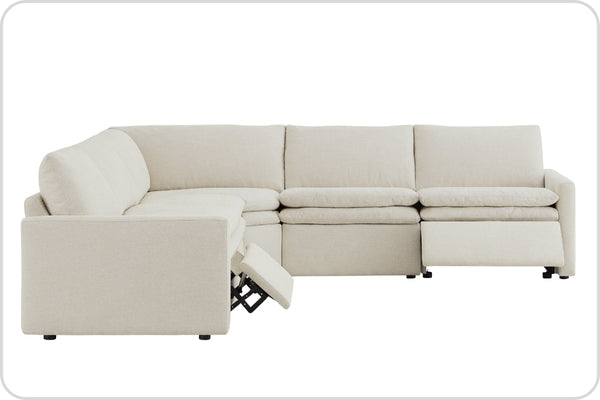
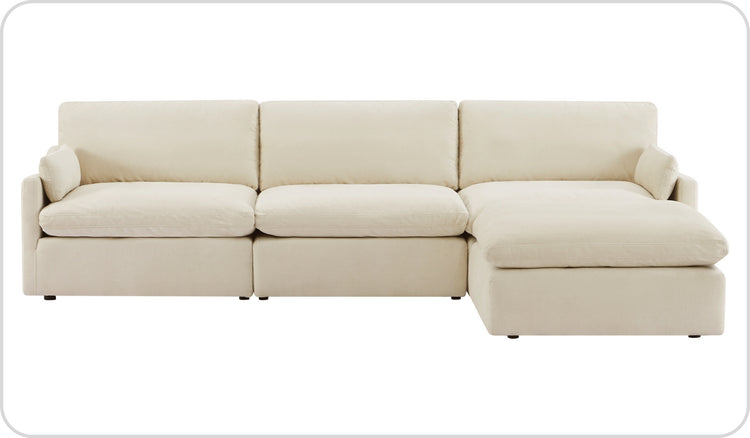
A modular apartment sofa differs from a fixed-frame design because each section operates as an independent structural unit that can be rearranged, removed, or stored separately without compromising the integrity of the remaining pieces. - A compact 2-seat modular sofa functions as the baseline anchor unit, occupying the minimum viable footprint while establishing the seating axis for a flexible configuration. - Adding a chaise module extends the layout into a small-space sectional for larger rooms, while removing the same piece restores the compact arrangement when a renter downsizes to a studio.
This additive and subtractive logic means renters build a renter-friendly sectional incrementally rather than replacing their entire seating setup at each new apartment.

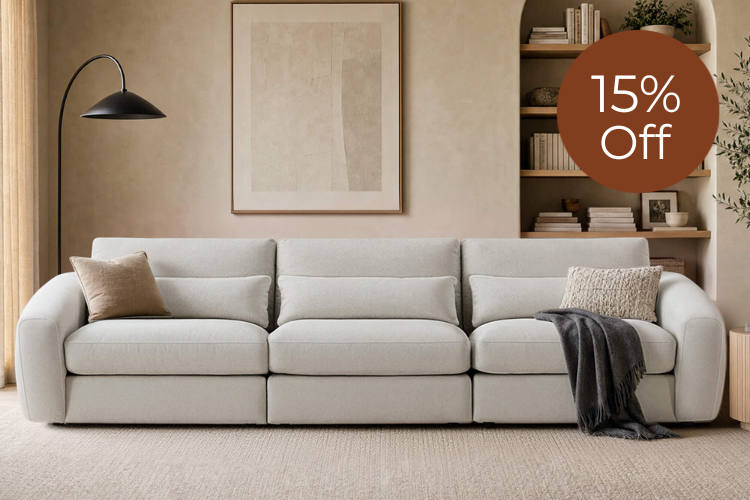
The Maisie 2-Seat Modular Sofa offers compact modular seating with performance fabric and reversible comfort, making it a practical choice for apartments where renters need a sofa that fits tighter layouts and future moves.
Flexible Seating Layouts: Planning for Future Moves
An easy-to-reconfigure sofa reduces relocation stress because individual sections carry separately, fit into freight elevators as single units, and reassemble into a new apartment-friendly sectional without specialized tools or hardware.
Planning a flexible configuration map before moving involves sketching the new room dimensions to scale and identifying which existing modules fit the updated floor plan, which may need temporary storage, and whether a new corner or armless piece is worth adding. Renters who complete this mapping step before moving day avoid the common mistake of discovering on arrival that a previously workable arrangement no longer suits the new room shape. The next section covers renter-specific sofa surface and structural features that protect both the furniture and the security deposit.
Renter-Friendly Features That Protect Your Deposit and Your Furniture
Rental tenants face unique risks, including accidental stains, landlord inspections, and frequent relocations, so specific material and construction features directly reduce financial exposure.
- Removable, machine-washable covers allow a full fabric refresh between tenancies without incurring professional cleaning costs, saving the typical 80 to 150 per-session fee charged by upholstery services.
- Easy-clean performance fabric with liquid-repellent certification resists liquid penetration and reduces long-term staining risk in rental apartments by preventing moisture from reaching the foam core.
- Reversible cushions extend usable lifespan by distributing wear evenly across both seating faces, delaying visible compression by an estimated 30 to 50 percent compared to single-sided cushions.
- Kiln-dried hardwood frames improve structural stability and reduce warping in humid apartment environments, particularly in older buildings where humidity fluctuates seasonally between 20 and 70 percent relative humidity.
- CertiPUR-US certified foam confirms cushion cores meet standards for low VOC emissions (less than 0.5 parts per million total), supporting improved indoor air quality in enclosed apartment living spaces.
- Modular sofa designs allow full disassembly into individual sections, making relocation practical without professional movers and reducing the risk of doorframe or hallway damage during apartment transitions.
- Raised legs, typically 4 to 6 inches in height, improve airflow underneath the sofa and simplify floor cleaning in humid climates where dust and moisture accumulate beneath low-profile furniture.
- Lightweight modular components under 40 pounds per section allow a single person to reposition seating during move-in or move-out without additional labor costs or floor-scratching risk.
Material certifications and washable surfaces are deposit-protection tools with measurable financial value. With the right features identified, the next step is selecting a seating format that matches the specific spatial constraints of small living rooms.

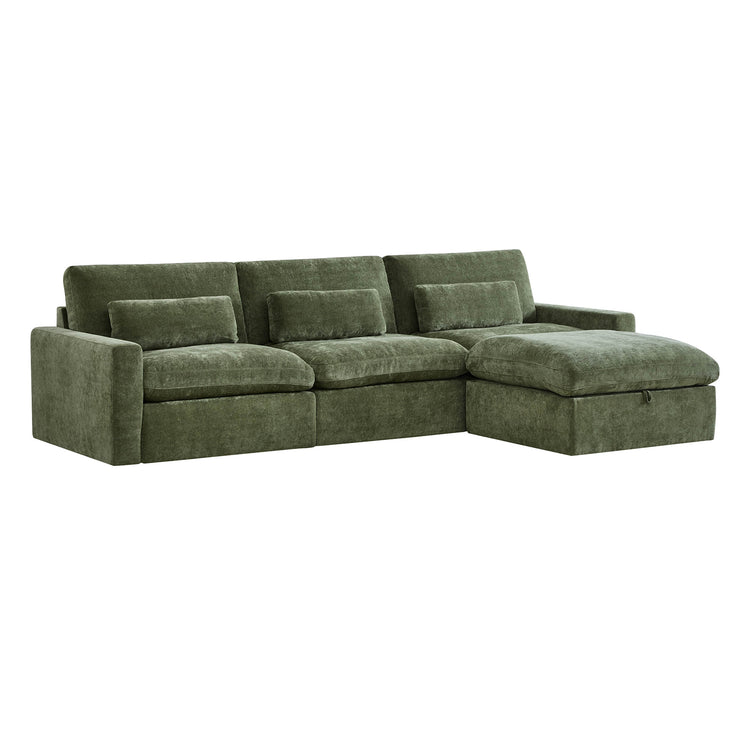
The Delaney Modular Sofas delivers flexible modular seating with renter-friendly adaptability, helping small spaces handle changing layouts, easier moving, and everyday comfort without committing to one fixed sofa configuration.
How to Match Seating Format to Your Apartment Floor Plan
Selecting the correct seating format is a sequential decision: each step filters out options that conflict with the previous constraint, preventing costly returns and wasted delivery fees.
1. Record four measurements: total room length, total room width, the distance from the longest wall to the nearest obstruction (such as a hallway entrance, kitchen counter, or dining table), and the width of the entry door plus any interior doorways the furniture must pass through.
2. Classify the room shape as rectangular, L-shaped, or open-plan combined with kitchen, because each shape favors a different format: rectangular rooms suit a small-space sectional positioned against one wall, L-shaped rooms benefit from a corner modular configuration, and open-plan rooms require cozy modular seating that defines zones without blocking sightlines.
3. Decide whether reclining is a priority, because a wall hugger recliner sofa or zero-clearance recliner requires only 2 to 4 inches of wall clearance versus the 12 to 18 inches needed by a standard recliner, making a space-saving recliner viable even in compact rooms.

The Wall Hugger Power Reclining Sofa brings genuine leather, power reclining, and wall-hugger functionality together, giving compact apartments a comfortable recliner option that needs less clearance while still feeling polished and supportive.
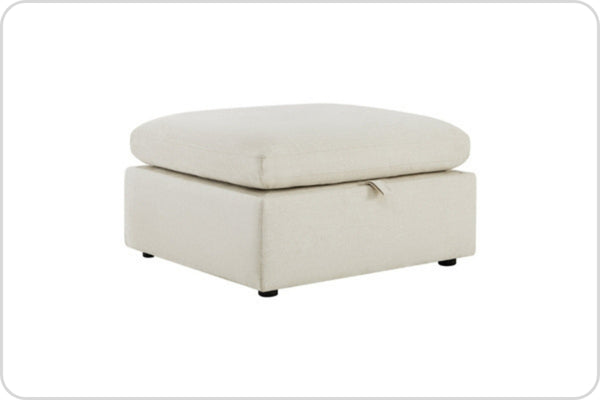
4. Determine whether hidden storage is needed, because a storage ottoman sofa or gas-lift storage ottoman adds 10 to 20 gallons of under-seat capacity that eliminates a separate storage unit, which is especially valuable in studios where floor space is measured in single digits.
5. Cross-reference the chosen format against the doorway measurement from Step 1 to confirm the largest single section fits through the narrowest entry point before finalizing any selection.
6. Test the clean modern apartment aesthetic of the chosen format against the existing color palette and ceiling height, since designs built to appear cozy without looking bulky, particularly those with low profiles, make ceilings appear taller in rooms under 8 feet.
Following this sequence converts an overwhelming selection process into six bounded decisions, each eliminating mismatched options. The next section compares the three most popular seating formats side by side so renters can confirm their Step 2 and Step 3 choices with objective criteria.
Comparing Seating Formats: Modular, Storage, and Recliner Sofa Options
Three formats dominate apartment seating: modular sectionals, storage-integrated designs, and recliners built for limited clearance. Comparing them across four decision dimensions clarifies which format fits each renter scenario.
| Decision Dimension | Modular Sectional | Storage Ottoman Sofa | Zero-Wall Recliner |
|---|---|---|---|
| Floor Footprint | Adjustable; fits rooms as narrow as 10 ft | Fixed loveseat size; ottoman adds 18-24 in when open | Saves 10-14 in versus traditional recliners |
| Layout Adaptability | High; reconfigures into L, U, or linear layouts | Low; best for stable, long-term placement | Moderate; requires wall proximity and power outlet |
| Storage Capacity | Minimal built-in | High; gas-lift ottoman holds 10-20 gal of hidden storage | None |
| Best For | Frequent movers who need flexible, scalable seating | Studio renters maximizing space with dual-function pieces | Renters in fixed apartments prioritizing comfort and aesthetics |
Each format solves a different primary problem: modular designs solve adaptability, storage designs solve space scarcity, and zero-wall recliners solve comfort in fixed layouts. Renters with two or more of these needs should prioritize the constraint that is hardest to address through other means.

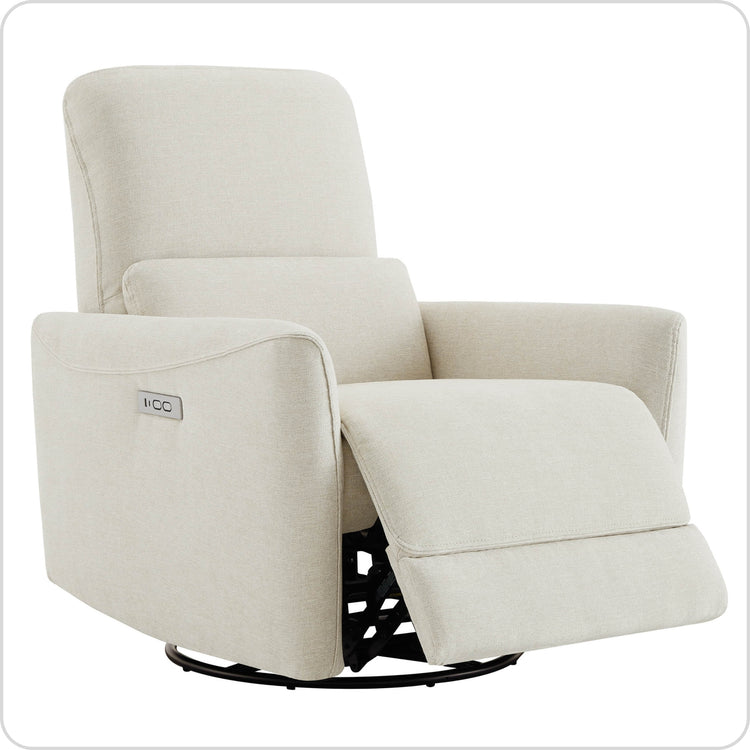
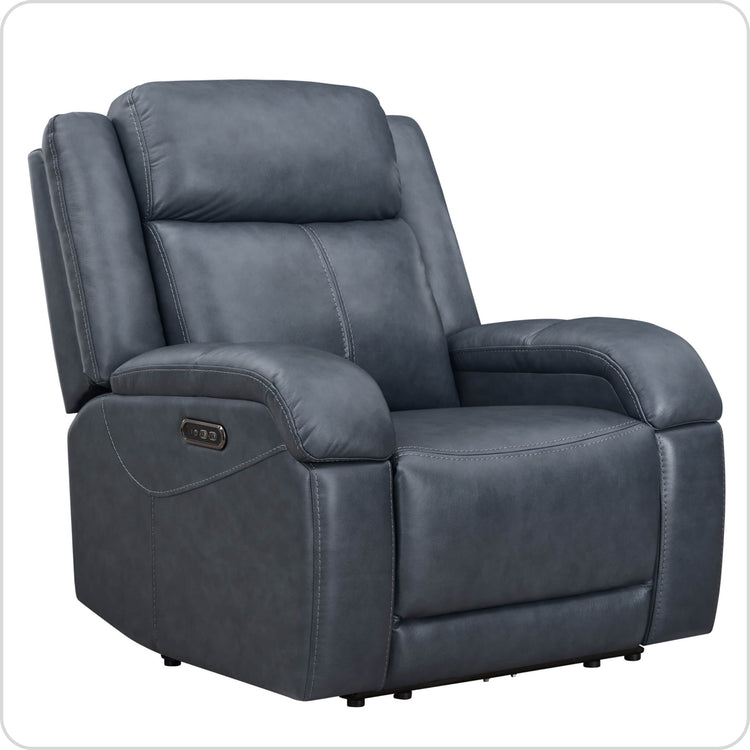
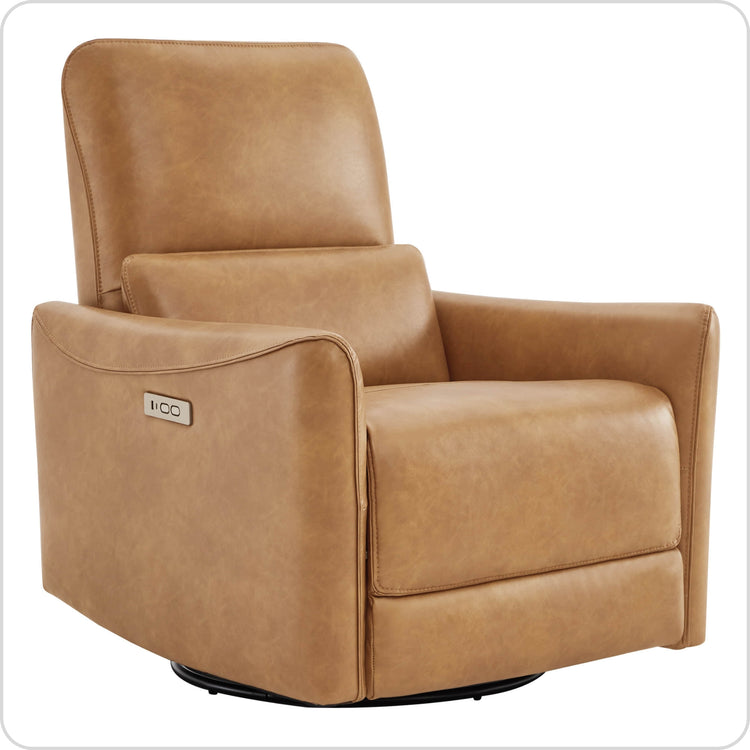
The Murphy Power Recliner combines genuine leather, dual-motor reclining, and zero-wall movement, making it a space-conscious comfort upgrade for apartments where every inch of clearance and seating support matters.
Choose the Right Apartment Sofa for Reassurance
Three actions consistently produce the best outcome. - First, measure doorways and floor space before selecting any sofa format to avoid returns. - Second, prioritize washable covers and certified materials to protect the security deposit across multiple tenancies. - Third, match the seating format - modular, storage, or recliner - to the single biggest constraint in the current apartment.
Use the six-step selection process and the comparison table together before visiting any showroom or browsing online.
Frequently Asked Questions
Q1. How Do You Fit a Sectional Into a Small Apartment Without Blocking the Room?
Choose a small-space sectional with a total depth under 36 inches and remove any chaise module to preserve walkway clearance. Maintain a minimum 18-inch path between the seating edge and the nearest wall or adjacent furniture piece. Positioning compact modular seating against a single wall maximizes the remaining open floor area for circulation and other furniture.
Q2. What Is a Zero-Clearance Recliner and Why Does It Matter for Apartments?
A zero-clearance recliner, also called a wall hugger recliner, reclines the seat forward rather than pushing the backrest backward, requiring only 2 to 4 inches of wall clearance instead of the standard 12 to 18 inches. This mechanism allows a power recliner for limited space to function fully, even when the unit is placed directly against an apartment wall.
Q3. Can You Use a Gas-Lift Storage Ottoman as a Coffee Table in a Rental?
Yes. A gas-lift storage ottoman supports table-top use when the lid is closed and converts to accessible hidden storage when opened. Placing a firm tray on top creates a stable, flat surface for drinks or remotes. This dual function removes the need for a separate coffee table, which saves meaningful floor space in a studio or compact one-bedroom apartment.
Q4. Why Do Modular Sofas Work Better Than Fixed Frames for Renters Who Move Frequently?
Individual modular sections weigh far less than a fixed frame, pass through standard 32-inch doorways without complex angling, and reconfigure to fit different room dimensions at each new address. An adaptable sofa for changing layouts adjusts to the new floor plan, so renters avoid the recurring cost of purchasing replacement seating after every relocation.