



















Sideboards and buffets look nearly identical, making it hard to pick the right one. While they share a similar look, small details set them apart. The main differences are height, leg style, and which room they fit best. Choosing the correct piece helps you manage your storage and match your home's layout. This blog helps you identify these differences so you can shop with confidence. You will soon know which option provides the best look and function for your specific space.
Similarities Between Sideboards and Buffets: Why People Confuse Them
While they have their differences, it is important to acknowledge that sideboards and buffets share a common DNA that makes them both incredibly useful.
Core Functionality
Both items are long, freestanding storage units. They feature a flat top surface that serves as an extra "countertop." This area is great for serving food during a party, pouring drinks for guests, or displaying home decor like lamps, books, and framed artwork.
Enclosed Storage
Keeping a home tidy is easier with these pieces. Both are designed to hide clutter. They usually have a mix of solid cabinet doors and drawers. This allows you to keep your items organized and out of sight, which is perfect for maintaining a clean-looking room.
Dining Room Origins
History shows that both pieces started in the dining room. They were created to hold extra dishware, silverware, and table linens. Having these items close to the main dining table made it easier to set the scene for a formal meal without running back and forth to the kitchen.
Retail Interchangeability
The furniture market today uses these terms loosely. Many brands use "buffet" and "sideboard" interchangeably to help people find their products. You will often see a vintage white oak coffee sideboard buffet listed under three different categories on the same website.
What Is a Sideboard?
A sideboard is defined as a lower-profile storage cabinet. It often has very short legs or a solid base that sits close to the floor. While they started in dining rooms, sideboards are now used all over the house. You can find them in living rooms as media consoles, in entryways to hold mail and keys, or even in bedrooms for extra clothing storage.
Common Features
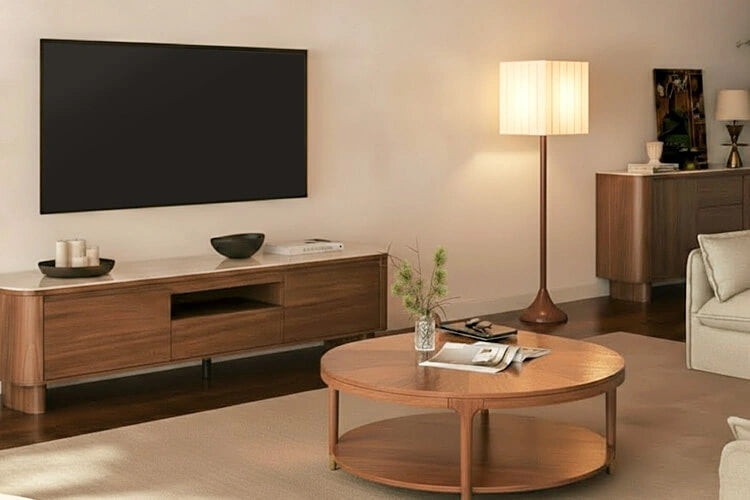
A typical sideboard includes a mix of drawers and cabinets. Some even have open shelving for a more relaxed look. For example, a walnut sideboard with a cylindrical base and rounded edges offers a soft, modern aesthetic. Many modern versions include high-quality hardware like soft-close hinges and built-in door bumpers to make them feel more premium and quiet during daily use. This style is often linked to minimalist or mid-century interior design.

The 63" Todd Walnut Sideboard brings a soft, modern aesthetic to your space with its unique cylindrical base, elegant rounded edges, and premium soft-close hardware that ensures quiet and seamless daily use.
Best For
This piece is best for people who want a versatile storage unit. If you think you might move your furniture from the hallway to the living room next year, a sideboard is the way to go. It is also perfect for homes that want a clean, casual, or modern appearance.

The 71'' Kyle 4-Door Black Display Sideboard elevates your home organization with a sleek oak veneer finish and elegant fluted glass doors that perfectly balance concealed storage with sophisticated display space.
What Is a Buffet?
A buffet is a taller storage piece. It was specifically made for dining rooms to help people serve food during holiday meals or large gatherings. Unlike sideboards, buffets usually have longer legs. This extra height makes it much more comfortable for a person to stand next to it and serve food onto a plate without leaning over too far.
Common Features
The design of a buffet focuses on dining needs. You will often find a buffet with adjustable shelves for flexible storage to fit tall pitchers or large serving platters. Many have special drawers for silver or table linens. To match a formal dining room, they often feature classic details like antique brass handles. A vintage curved edge sideboard can sometimes be tall enough to act as a buffet while maintaining a classic, solid wood look.
 The 63" Eason Vintage Coffee Sideboard provides a timeless, classic look with its vintage curved edges and solid wood construction, offering specialized storage drawers and deep cabinets to perfectly support your dining and entertaining needs.
 The Walnut Veneer Modern Cabinet combines contemporary design with practical functionality, featuring a low-profile silhouette and uniquely textured door panels that elegantly hide household clutter while complementing any modern interior.
Best For
A buffet is best for someone furnishing a dedicated dining room. If you host guests often or need a reliable surface for a holiday spread, the height and storage layout of a buffet are ideal. It provides a formal feel that makes a dining area feel complete.
Sideboard vs. Buffet: The Key Differences
Distinguishing between these two pieces becomes easier once you look at their specific build and purpose.
Height and Shape
Height is a clear giveaway. Sideboards sit lower to the ground, giving them a long and sleek look. Buffets stand taller and more upright. This extra height makes buffets look more substantial against a wall.
Intended Use
Sideboards with storage capacity function as multipurpose furniture for any part of the house. Buffets have a closer tie to dining and food service. Their height allows people to serve meals comfortably while standing.
Storage Style
The inside of a sideboard usually offers a flexible layout for various household items. Buffets prioritize dining needs. You will often find deep cabinets for large platters and specialized drawers for napkins or silverware.
Room Placement
Sideboards fit naturally in living rooms, hallways, and entryways. They work well as media stands or accent pieces. Buffets belong almost exclusively in the dining room due to their size and formal look.
Design Style
Sideboards tend to feel more contemporary and adaptable to different trends. Buffets usually lean toward a classic, formal style. They often feature heavier wood and traditional details that match a formal dining set.
Which One Should You Choose?
Deciding between these two comes down to your personal lifestyle and how you plan to use the furniture in your daily routine.
Choose a Sideboard If
You should pick a sideboard if you want a piece that can move between rooms as your needs change. If you like a lower, sleeker silhouette that doesn't dominate the wall, this is your best bet.
It offers a modern visual appeal that works well for families who need a family-friendly corner to store toys, electronics, or books.
Choose a Buffet If
A buffet is the right choice if you need storage specifically for your dining room. If you want a comfortable surface for serving guests during a party, the extra height is a life-saver. It is also the better option if you prefer a traditional look, especially if you like rich wood finishes and formal hardware.
Buying Tips for 2026
When you are ready to make a purchase, keep these practical tips in mind to ensure you get exactly what you need for your space.
- Check the Dimensions: Always measure the height. If you want to use it for serving food, look for something at least 34 inches tall. If you want it for a hallway, something lower will feel less crowded.
- Think Long-Term: A sideboard offers more flexibility. If you move to a new house, a sideboard can fit into more rooms than a tall buffet might.
- Match Your Items: Look at what you actually need to store. If you have large, odd-shaped serving bowls, make sure to get a unit with adjustable shelves. If you have lots of small items, look for a piece with more drawers.
Choose the Best Sideboard or Buffet
Picking the right furniture changes how your space works. Buffets offer height and a formal feel for dining rooms. Sideboards provide a lower profile that fits any room in your house. When choosing, focus on your storage needs and measure your wall space first. Once you identify your main goal, whether serving food or organizing clutter, the choice becomes simple. Your perfect storage piece will look great and serve your family for years.
FAQs
Q1: Is a sideboard the same as a buffet?
Not exactly. While they are similar and many stores use the same names for both, buffets are typically taller and meant for dining rooms. Sideboards are lower and can be used in any room.
Q2: Can a sideboard be used in a dining room?
Yes. Sideboards are very common in dining rooms. They also work well as TV stands in living rooms or as console tables in entryways.
Q3: Which is better for modern homes, a sideboard or a buffet?
Sideboards are often better for modern homes. They have cleaner lines, a lower profile, and give you more options for where to place them in your house.