
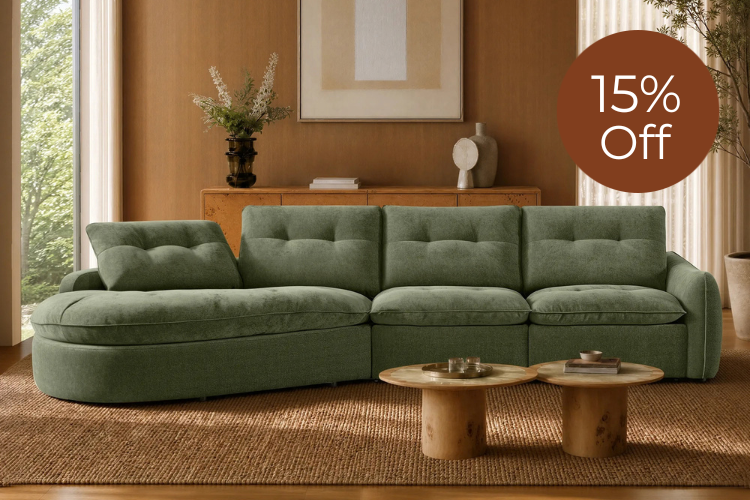
























Japandi Cloud Sofa Ideas: Size, Color, and Simple Styling

A deep, softly cushioned sofa can sit comfortably within a Japandi living room. The room around it needs enough open space for the sofa’s shape to read clearly: a visible stretch of floor, a useful table, and a few materials that work together. Start with the sofa’s size and the way you use it, then choose the accessories.
What makes a cloud sofa work in a Japandi room?
Japandi combines influences from Japanese and Scandinavian interiors, often through restrained shapes, useful furnishings, wood tones, and a quiet palette. You can use these ideas in a family room with books, pets, and everyday activity. Give frequently used objects a place to live and leave some surfaces clear.
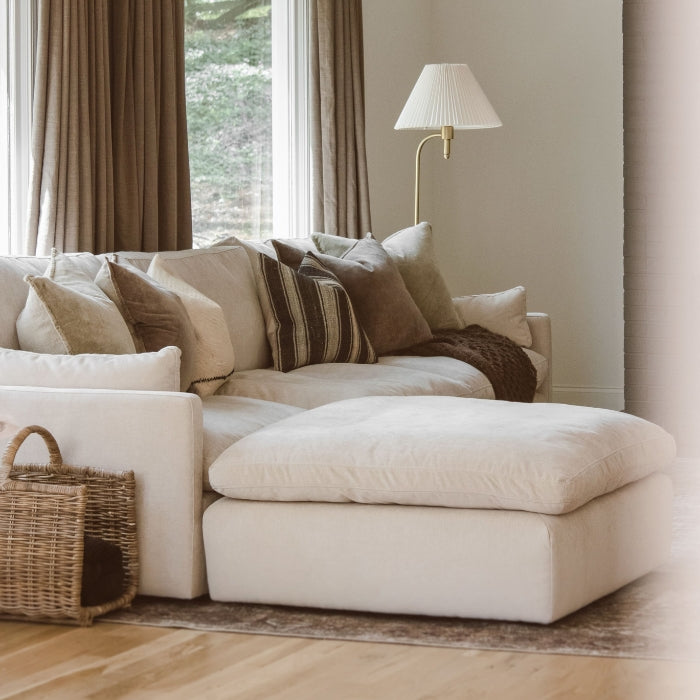
“Cloud sofa” describes a soft, generously cushioned look. The term alone tells you little about the filling, upholstery fiber, seat height, or whether the pieces are modular. A low-looking base and simple arms can work well with a clean-lined room; the actual seat height and depth determine how the sofa feels when you sit down.

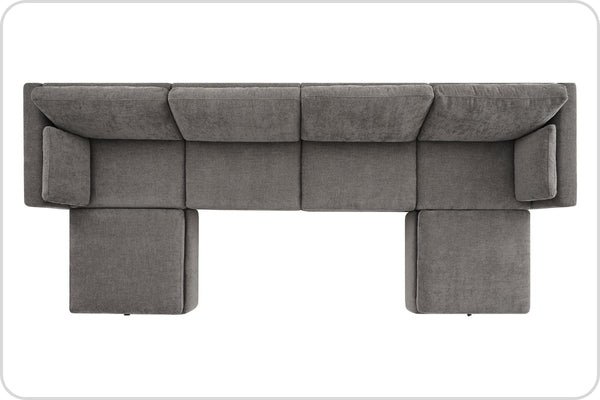
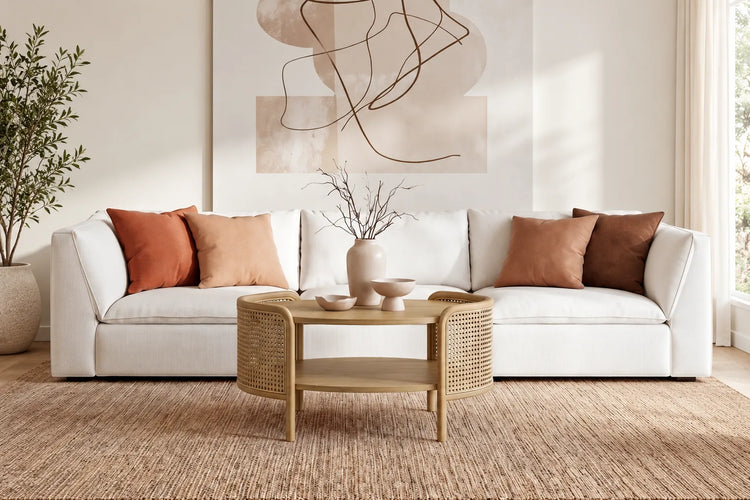
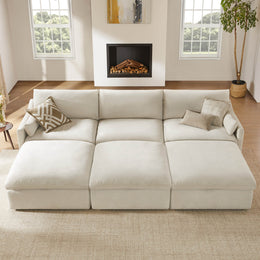
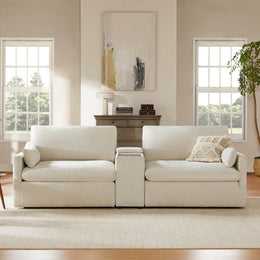
Our Kenna 3 Seat Modular Sofa has loose cushions and modular sections. Its cream and gray upholstery is listed as 92% polyester and 8% recycled polyester. You can bring natural textures into the same room with a wood table, woven basket, or linen curtains. Choose the sofa upholstery for its actual care requirements and the way your household uses the seats.
Choose the size before the accessories
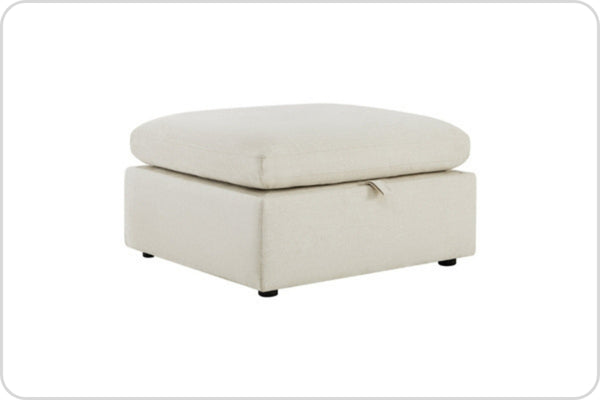
A pale sofa can still fill a room if its footprint takes up the routes you use every day. Before choosing a configuration, measure the wall, door openings, and the space between the sofa and the opposite furniture. Include any chaise or ottoman you expect to leave in place.
- Mark the complete footprint. Put painter’s tape on the floor to represent the outside width and depth of the chosen configuration. Use the product’s overall dimensions, including the arms.
- Walk the usual routes. Open the door, walk toward the window, and imagine someone sitting with their feet in front of the sofa. Move the outline if it blocks a route or makes access awkward.
- Try the seat depth you need. A deep seat gives you room to curl up. For upright conversation, check whether you can rest against the back cushion with your feet supported.
- Measure the delivery route. Compare the selected pieces and packaging with doors, stairs, and turns. Keep those measurements separate from the room layout.
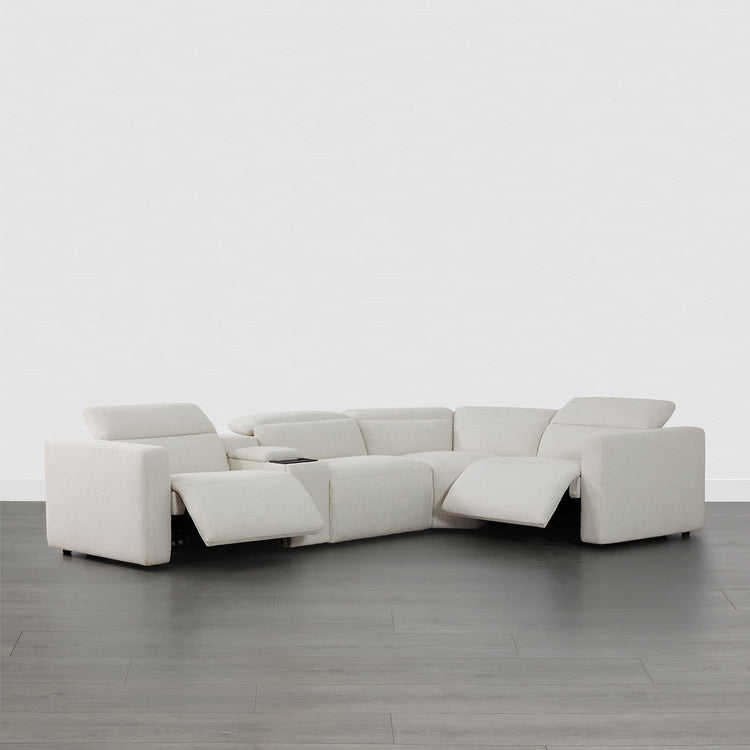
For a narrow room, a straight sofa arrangement leaves you more choices for the space in front of it. A corner configuration suits a room where the return section can stay clear of the entrance. Our modular sofas offer different configurations; choose the pieces around a measured plan.
Build the palette around the sofa you own
Use the upholstery as the starting color and repeat a small number of shades elsewhere. These combinations are styling starting points you can adapt to your floor, walls, and daylight:
- Cream or beige sofa: light oak, oatmeal, and one muted olive detail. A darker wood bowl or lamp base gives the light surfaces some definition.
- Gray sofa: warm wood, soft white, and a little charcoal. Choose a rug whose undertone sits comfortably beside both the gray upholstery and the floor.
- Dark sofa: pale walls, a light textured rug, and simple wood furniture. Keep the area around the arms open so the sofa’s outline stays visible.
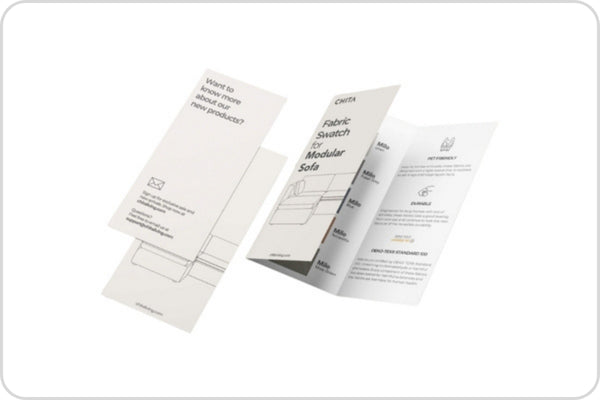
Compare fabric swatches beside your wall and flooring in daylight and under the lamps you use at night. Two similar beiges can look quite different when one has a pink undertone and the other looks yellow. Benjamin Moore’s explanation of warm and cool paint undertones shows why the wall color also needs to be checked in both daylight and lamplight.

Add texture with a purpose
A cloud sofa already brings a lot of softness. Balance it with a table that has a clear shape and a finish you enjoy touching. A wood surface, woven rug, and ceramic vase provide enough variation for a simple starting arrangement.
Put a throw where you reach for it and keep extra blankets in a basket. Try a textured pillow at each end of the sofa, then sit down before adding more. If cushions need to go on the floor whenever someone uses the sofa, reduce the number on display.
Choose plants for the light available in your room and your household, and place them beyond the walking route. One larger plant can give an empty corner a purpose. Wall art can do the same for the space above a sofa; keep enough bare wall around it for the shape to stand out.

A Japandi layout you can try
Start with a straight sofa along the longest usable wall. Put a low table in front of the seat you use most, and place a reading lamp beside one arm. Add a side table at the other end only if you need a place for drinks or a book. The door, window, and walking route will determine the final positions. For the reading lamp, compare bulb brightness in lumens to choose the amount of light you want.
For a sofa floating in the room, give the back a tidy view and keep the path behind it clear. An existing wood or cane chair can face the sofa at a slight angle. Leave enough room to sit down without moving the coffee table each time.

Photo: @houseandholm.
Finish by looking at the room from the doorway and then using it for an ordinary evening. Move anything that blocks conversation, takes up a needed seat, or makes the table hard to reach. The most useful arrangement is the one that fits your daily routine.
Questions about Japandi sofas
Can a cloud couch work in a small Japandi living room?
Yes, when the chosen configuration leaves room for doors, circulation, and the furniture you use beside it. Mark its full width and depth on the floor before ordering. A straight sofa with a small side table is one practical starting point when a chaise would interrupt the main path.
Does a Japandi sofa have to be made from linen?
No. You can choose linen, another natural fiber, or synthetic upholstery to suit your household and care needs. The sofa’s proportions, color, and relationship to wood and other textures shape the overall look. Confirm the fiber content of the specific color you select.
Can I use a gray sofa for Japandi decor?
Yes. Pair a gray sofa with warm wood, soft white, and a rug that works with the upholstery’s undertone. A small amount of muted green or brown can connect the sofa with the other materials in the room.
Do Japandi living rooms need a symmetrical sofa layout?
No. Arrange the sofa and tables around the door, windows, and everyday walking route. A lamp at one end and a useful side table at the other can create a balanced arrangement without matching every piece.
More to Read
 7 Sofa Trends That Actually Improve Comfort in 2026
Upgrade your living room with furniture that supports your body. Here are 7 modern sofa features designed to maximize your daily comfort...
 Mother's Day Gift Guide: Cozy and Stylish Furniture Picks for Modern Moms
Make Mother's Day more meaningful with furniture gifts that bring comfort, smart features, storage, and quiet luxury into her everyday routine.
 Performance Fabric Reality Check: Does It Really Repel Pet Hair and Stains?
Performance fabric is often marketed as a miracle solution for homes with pets and kids, but the reality is more nuanced. It...