

























The dining table is where you eat breakfast, help kids with homework, and host holiday dinners. Because it gets so much daily use, picking the right material is a big decision. You need something that looks great but also stands up to spills and scratches.
Most people choose between wood, glass, and stone. Each has a different look and feel. Choosing the right one depends on your durability needs, how much time you want to spend on maintenance, and your personal style. This look at the top three materials will help you find the perfect match for your life.
What to Consider Before Choosing a Dining Table Material
Picking a table starts with looking at your daily habits.
- Think about daily usage first — how many people sit down at once, and whether the table will double as a desk or craft station. A house with young children needs a surface that can handle dropped forks and spilled juice.
- Durability needs are different for everyone. Some people want a surface that resists heat and stains, while others care more about a soft texture.
- Maintenance tolerance is also a factor. Do you want to wipe it once and walk away, or are you okay with polishing it?
- Finally, look at your room size and layout. A bulky table can make a small room feel crowded, while a light material can open things up.
- Your aesthetic preference should pull the whole room together.
Wood Dining Tables – Warm, Timeless, and Family-Friendly
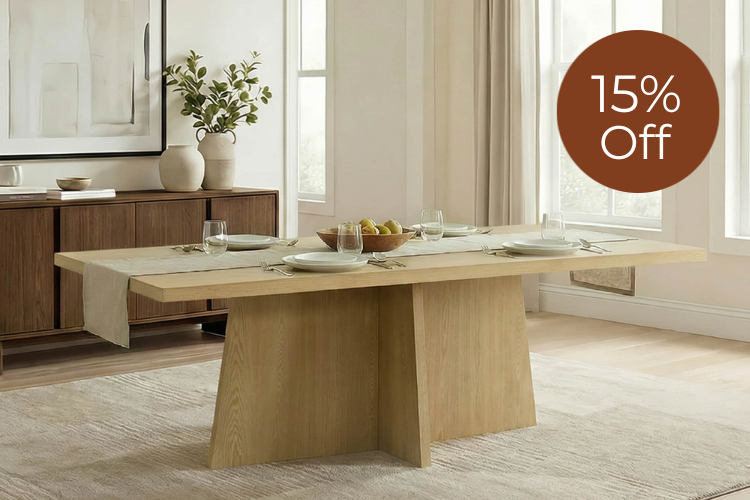
Wood is a classic choice that brings a natural feeling to a room. It feels warm to the touch and creates an inviting atmosphere for guests and family.
Pros
- The natural and warm appearance of wood is hard to beat. It fits into almost any home style.
- A high-quality wood table is durable and long-lasting, often staying in a family for decades.
- If it gets scratched or the finish fades, you can refinish or repair it to make it look brand new.
- From a farmhouse look to a sleek oval wood dining table, this material works with many interior styles.

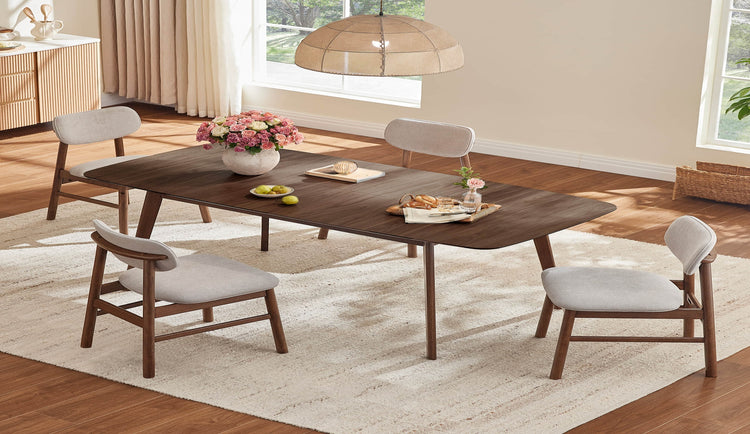
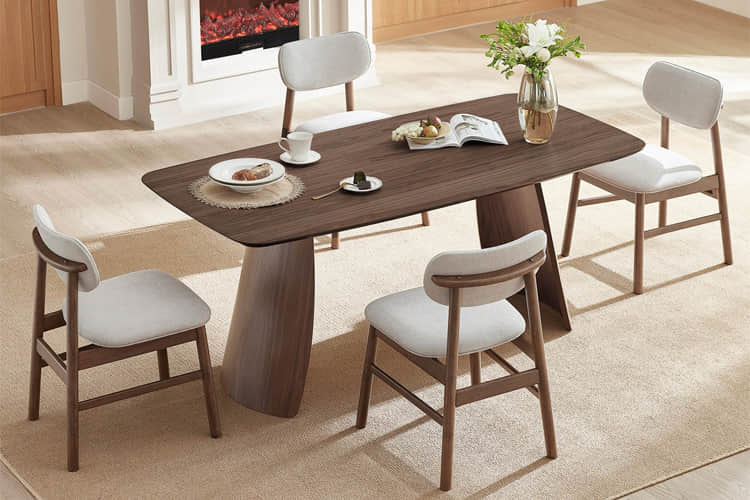
The Coral Fluted Oval Wood Dining Table brings a warm and inviting atmosphere to your dining space with its timeless oval silhouette, rich walnut finish, and elegant tambour pedestal base that perfectly complements both traditional and contemporary interiors.
Cons
- Wood is prone to scratches and stains if you are not careful.
- It is sensitive to moisture and heat, so you always need to use coasters and placemats.
- It also requires regular maintenance. You might need to oil it or wax it occasionally to keep the wood from drying out or cracking over time.
Best For
Wood is the best option for families with kids because it can take a bit of a beating and still look good. It is built for everyday heavy use. If you want cozy or traditional interiors, wood provides the texture and comfort you need.
Glass Dining Tables: Modern and Space-Enhancing
Glass tables are a favorite for people who love modern design. They have a clean look that helps a room feel light and airy rather than heavy and dark.
Pros
- Glass makes small spaces feel larger and brighter because you can see right through it. It doesn't block the view of your rug or floor.
- Each wipe is quick and easy since the surface is non-porous, though you'll need to clean it often as fingerprints show up immediately.
- The sleek, modern aesthetic is perfect for a contemporary home.
Cons
- The biggest downside is that glass shows fingerprints and smudges easily. You will find yourself cleaning it every time someone touches it.
- While tempered glass is strong, it can still chip or shatter if hit hard.
- Because of the hard edges and visibility of messes, it is often seen as less child-friendly.
Best For
These tables are great for small apartments where you want to save visual space. They fit perfectly in modern or minimalist homes. Glass is ideal for light-use dining areas where you aren't worried about constant heavy activity.
Stone Dining Tables: Luxurious and Highly Durable
Stone tables, including marble, ceramic, and sintered stone, are famous for their strength. They offer a high-end look that makes a statement in any dining room.
Pros
- Stone provides a premium, high-end appearance that feels very solid.
- It has excellent heat resistance, so you can often set a hot pot down without a trivet.
- Many modern options, like a rectangle sintered stone dining table, are very durable and resist scratches better than almost any other material. A durable ceramic top is another great choice that stays looking new for years.

The 63" Teresa Rectangle Sintered Stone Dining Table delivers a luxurious dining experience featuring a highly durable, scratch-resistant sintered stone top and sleek metal legs, effortlessly combining sophisticated modern aesthetics with long-lasting everyday functionality.
Cons
- The main drawback is that stone is very heavy and difficult to move. Once you set it down, it usually stays there.
- It is also more expensive than many wood or glass options.
- Some types, like natural marble, are porous and stain easily if you spill acidic foods like lemon juice or vinegar.
Best For
Stone is best for luxury interiors where you want a "wow" factor. It is great for design-focused spaces where the table is a piece of art. It works well for users prioritizing aesthetics over flexibility, as you won't be rearranging this furniture often.
Wood vs Glass vs Stone – Side-by-Side Comparison
Looking at these materials side-by-side helps clarify which one meets your specific needs. Each material offers a different balance of price, look, and toughness.
| Feature | Wood | Glass | Stone |
|---|---|---|---|
|
Durability |
High (can be repaired) |
Medium (can shatter) |
Very High (scuff resistant) |
|
Maintenance |
Medium (needs dusting/polishing) |
High (shows every smudge) |
Low to Medium (depends on sealing) |
|
Safety |
High (softer edges) |
Low (sharp edges/fragile) |
Medium (heavy/hard edges) |
|
Style |
Warm & Traditional |
Modern & Airy |
Grand & Sophisticated |
|
Cost |
Budget to High-end |
Budget to Mid-range |
High-end |
To summarize the comparison:
- Wood is the most versatile and family-friendly.
- Glass is the best for small spaces and making a room feel open.
- Stone provides the most premium look and the strongest surface.
Which Dining Table Material Is Best for Your Lifestyle?
Your lifestyle is the most important part of the decision. A table that looks good in a store might not work for your actual daily routine at home.
- For families, wood is usually the winner. A table with child-safe corners or a soft-corner dining table design keeps everyone safe from bumps.
- If you have a busy kitchen, a stainless steel frame with a wood top offers great stability.
- For small spaces, glass remains the top pick to keep the room from feeling cramped.
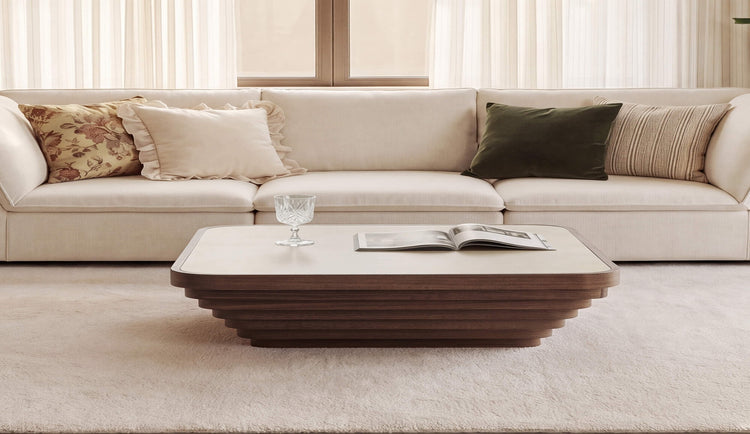
- For luxury design, stone is the way to go. If you have a formal dining room used for parties, a stone table with a fluted column base adds a lot of character.
- For low maintenance, glass or sintered stone are excellent because they don't require the sanding or staining that wood might eventually need.
The best choice depends on your lifestyle, not just looks.

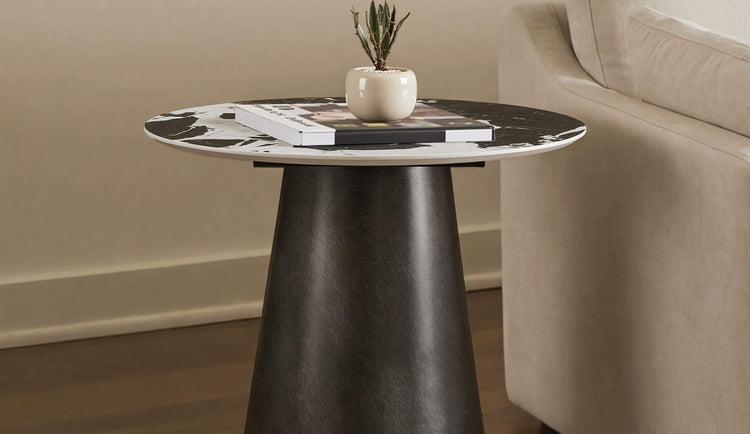
The 71” Layla Sintered Stone Dining Table serves as a stunning focal point for any luxury interior, offering a premium, low-maintenance sintered stone surface paired with a uniquely character-rich curved base for a bold, high-end statement.
4 Common Mistakes to Avoid When Buying a Table
Many people make the mistake of buying a table because they saw it in a magazine. It is easy to forget how the table will actually function in your specific house.
- Choosing based only on appearance is a common trap. You might love the look of white marble, but if you have toddlers, the maintenance might be a nightmare.
- Ignoring maintenance requirements leads to frustration later when the table starts to show wear. Always consider daily wear from kids, pets, and spills.
- Also, don't overlook weight and mobility. If you rent your home and move often, a heavy stone table with a reinforced tabletop support system will be very hard to transport.
- Make sure to check for features like non-slip bottom pads to protect your floors, regardless of the material you choose.
Choose the Best Material for Your Daily Meals
Finding the right table depends on your house and your habits. Wood stays a top pick for busy families because it feels cozy and lasts a lifetime. Glass works wonders in tight rooms by keeping things bright, though you will clean it often. Stone brings a bold, high-end look if you want a sturdy surface that makes a statement. Pick the one that fits your space and how you actually live.
FAQs About Dining Table Materials
Q1: Which dining table material is the most durable?
Stone, especially sintered stone or ceramic, is the most resistant to heat, scratches, and stains. It is very hard to damage. Solid wood is also very durable because even if it gets damaged, you can sand it down and fix it.
Q2: Are glass dining tables safe for families with kids?
Tempered glass is safer because it breaks into small, dull pieces rather than sharp shards. However, it is still less ideal for kids due to the risk of breakage and the sharp corners found on many designs.
Q3: Which material is easiest to maintain?
Glass is the easiest to wipe clean with a simple spray. However, it requires the most frequent cleaning because it shows fingerprints and dust immediately. Sintered stone is also very easy to maintain because it does not need to be sealed.