

























Is a Glider Good for a Baby? Uses, Fit, and Safe Sleep

A nursery glider gives a parent or caregiver a place to sit while holding, feeding, or reading to a baby. Some families like the gentle motion; others are comfortable using a supportive chair they already own. Think about where you spend time with your baby and whether the chair makes those everyday moments easier.
What a nursery glider is used for
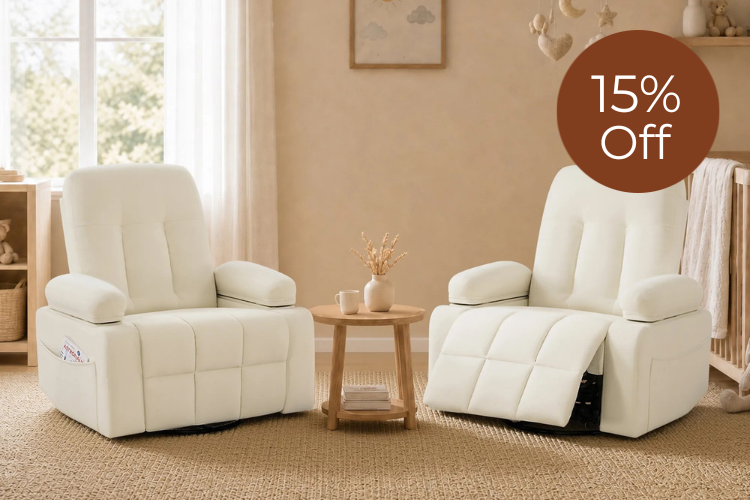
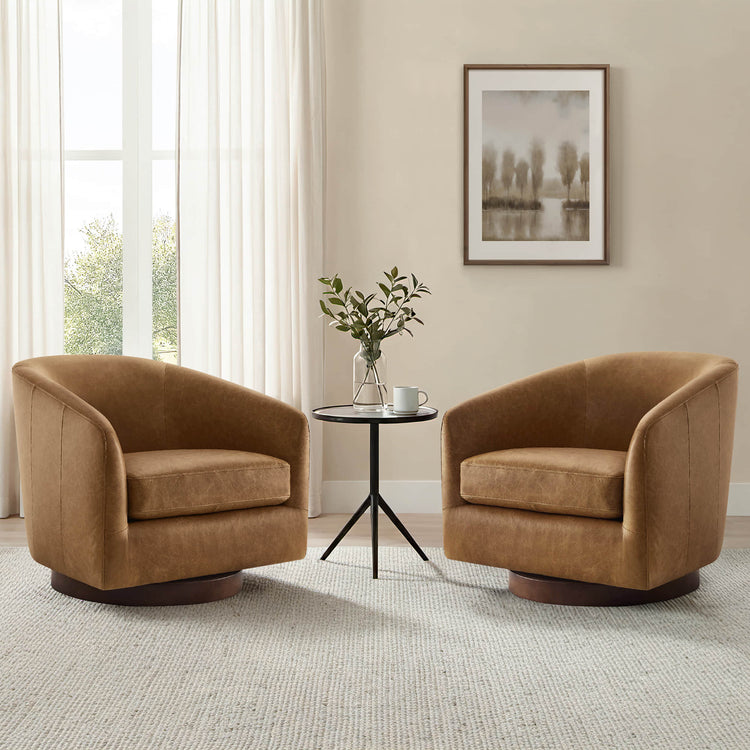
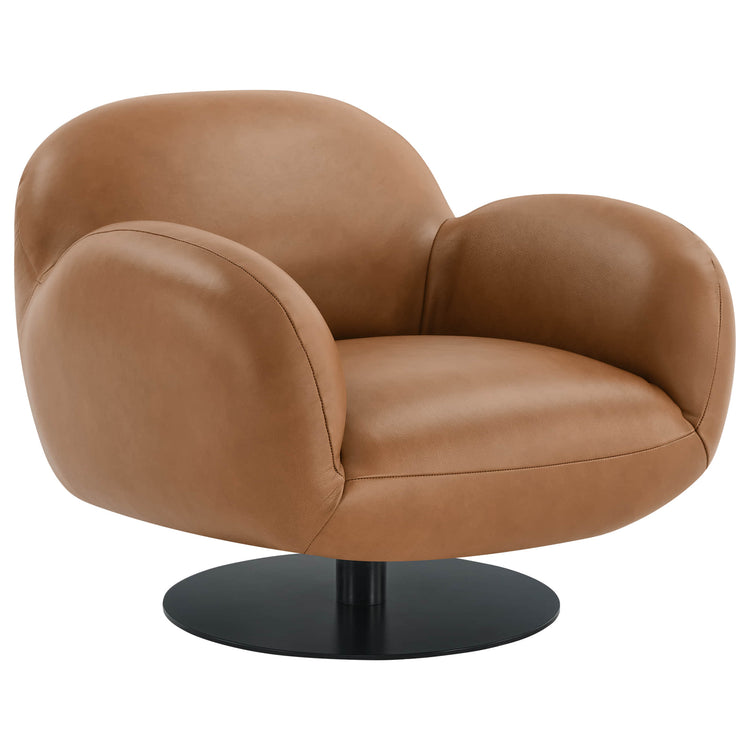
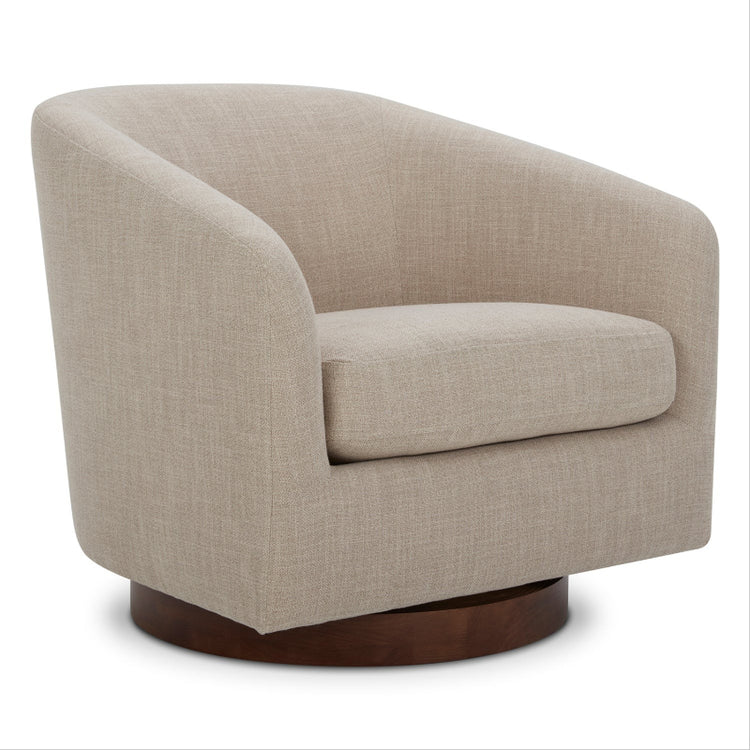
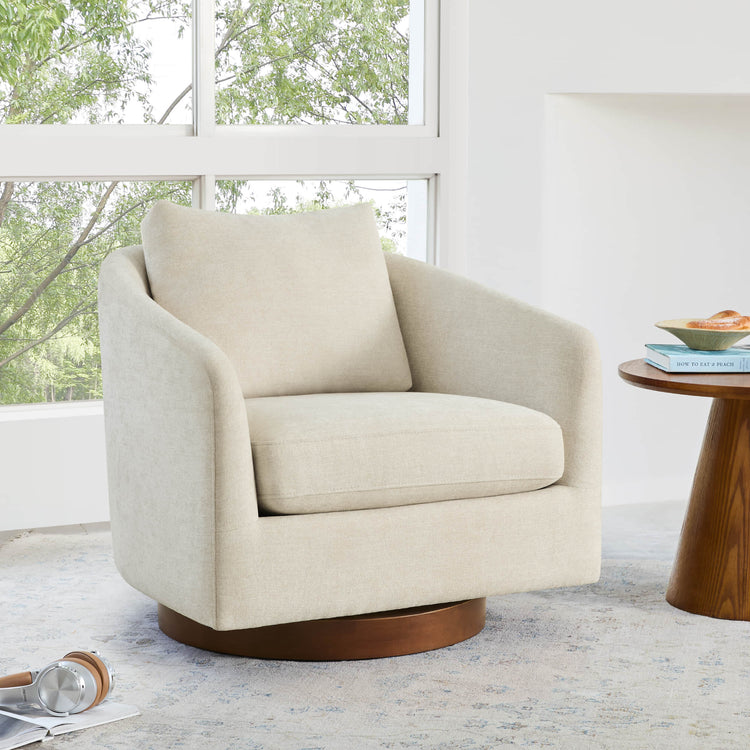
A nursery glider is an adult chair that moves backward and forward on its base. The caregiver sits in the chair and holds the baby. A traditional rocker moves on curved runners, while a swivel chair turns on its base. A model may combine several movements, so check the functions of the particular chair you are considering.
Gentle movement may settle some babies while they are held by an awake adult. You can also use a glider for a daytime feed, a story, or a quiet conversation with an older child. Choose it for the seat, support, and movement you find useful. A glider is optional nursery furniture.
Give your baby a separate sleep space
Babies should not sleep in a glider or on an adult armchair, either alone or with a sleeping caregiver. For every nap and nighttime sleep, place your baby on their back in a crib, bassinet, or portable play yard that meets current safety standards. Use a firm, flat, level mattress with a fitted sheet, and keep pillows, loose blankets, toys, and positioners out of that sleep space.
These recommendations come from the American Academy of Pediatrics’ safe sleep guidance. The NICHD Safe to Sleep program also identifies couches and armchairs as especially dangerous when an adult falls asleep while feeding or comforting a baby.
Use the glider for holding or feeding only while you are fully awake. If you feel sleepy, place your baby in their own sleep space and ask another alert caregiver for help when available. If your baby falls asleep in your arms, move them to that sleep space. A reclined chair and an elevated footrest remain adult seating.

Decide whether you need a glider
A glider may be a useful purchase if your current seating leaves your feet unsupported, puts the armrests too high, or makes it awkward to stand up. It also gives you a consistent place to sit when the nursery is the room you use for awake care.
If you already have a comfortable chair with suitable back and arm support, try it in your intended space. You may prefer to put the money toward another need. A family that spends most awake time in the living room may use a chair there more often than one in a separate nursery.
Compare the space available, who will use the chair, and what happens after the nursery years. A plain upholstered glider can remain useful for reading or conversation elsewhere in the home. Our reading-corner layout examples show ways to place a chair, lamp, and small table when you later use the chair elsewhere.
Try the chair as you would use it at home
Start with your feet resting securely and your back against the backrest. Check whether the seat lets you sit comfortably without sliding forward. Rest your forearms on the arms and notice whether your shoulders stay relaxed or have to lift to reach them. For seated breastfeeding, the NHS cradle-hold positioning advice describes using a chair with armrests and supporting your feet so you can avoid leaning forward. Use this position while fully awake.
When possible, have each regular caregiver try the chair. A taller person may need a different seat width or depth from a shorter person. Try the controls and practice sitting down and standing up while your hands are empty, before using the chair with your baby.
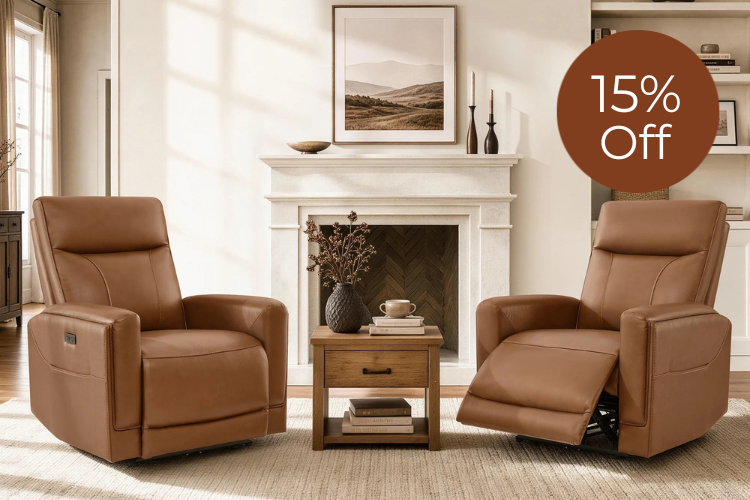
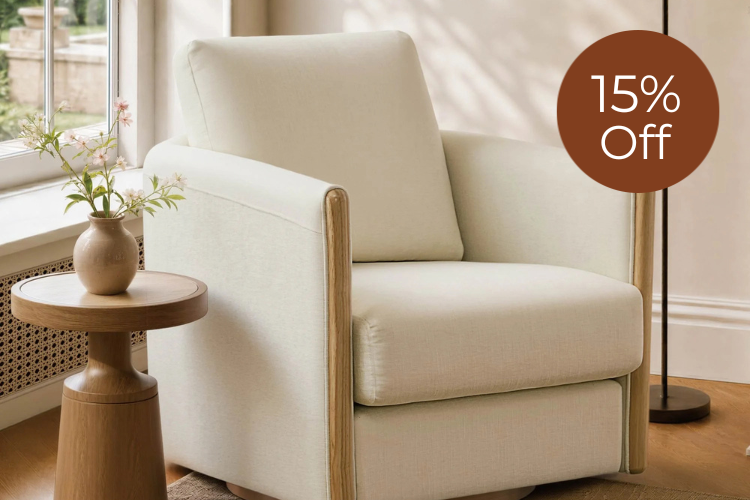
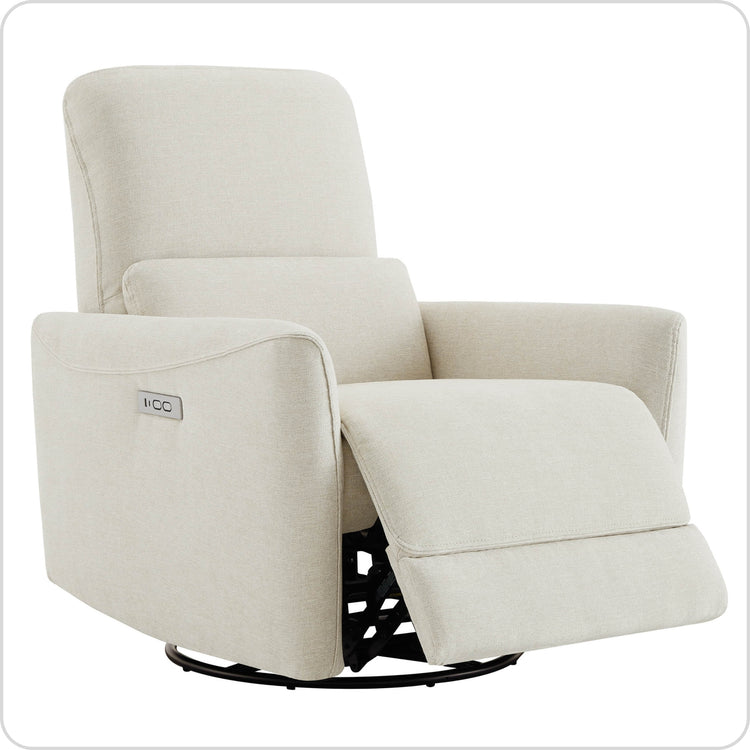
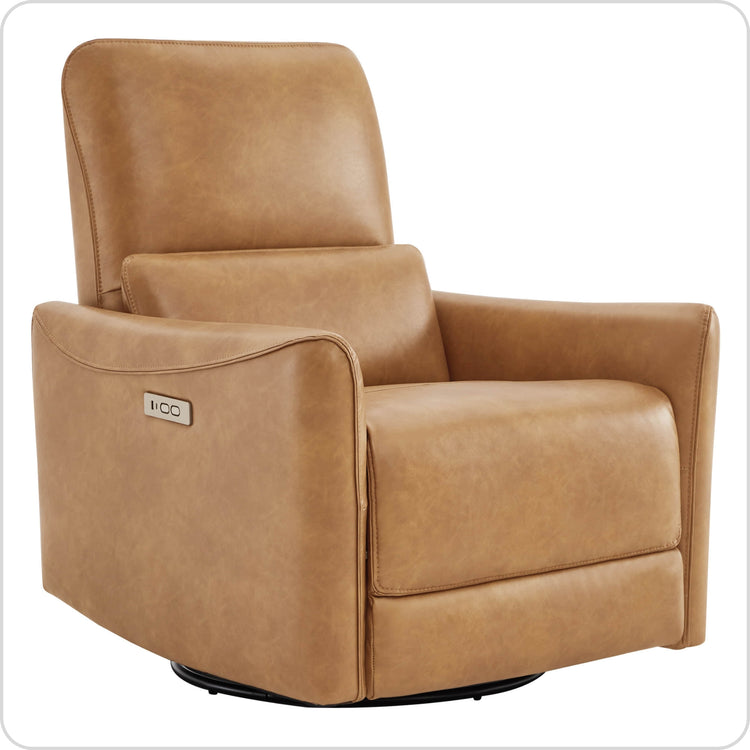
Our Tracee Power Swivel Nursery Glider Recliner combines gliding, a 270-degree swivel, and power reclining, with a fixed lumbar cushion. These functions give the seated adult different positions and directions to choose from. The fit of the seat and arms still deserves an individual check.
Plan space for movement and getting up
Mark the chair’s upright and fully reclined footprint on the floor. Add the clearance specified for that model, then check the complete swivel and glide path. Keep the chair clear of the crib, curtains, side tables, and other furniture through its full movement.
Leave a clear route from the chair to the baby’s sleep space. A stable side table can hold a water bottle, burp cloth, or book within easy reach. Route power and charging cords away from the moving mechanism and beyond a child’s reach. Keep fingers, children, and pets clear while the chair moves.
After assembly, operate the empty chair through its motions using its instructions. Confirm how the footrest closes and how you will get up. For a powered model, plan access to the outlet without laying a cord across the walkway.
Do you need an ottoman?
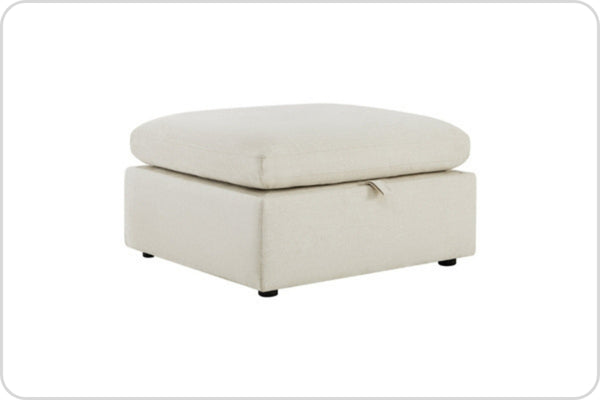
An ottoman is optional. It gives you a separate place to rest your feet if that position feels comfortable. A chair with a built-in footrest may already provide the position you want, and a smaller room may work better with the floor space left open.
Try the footrest at a distance that lets your legs rest naturally and leaves room to stand up. Place a separate ottoman where you can step around it easily. Storage is a feature of selected ottoman designs; choose a model with that feature if you need a place for adult blankets or reading supplies.

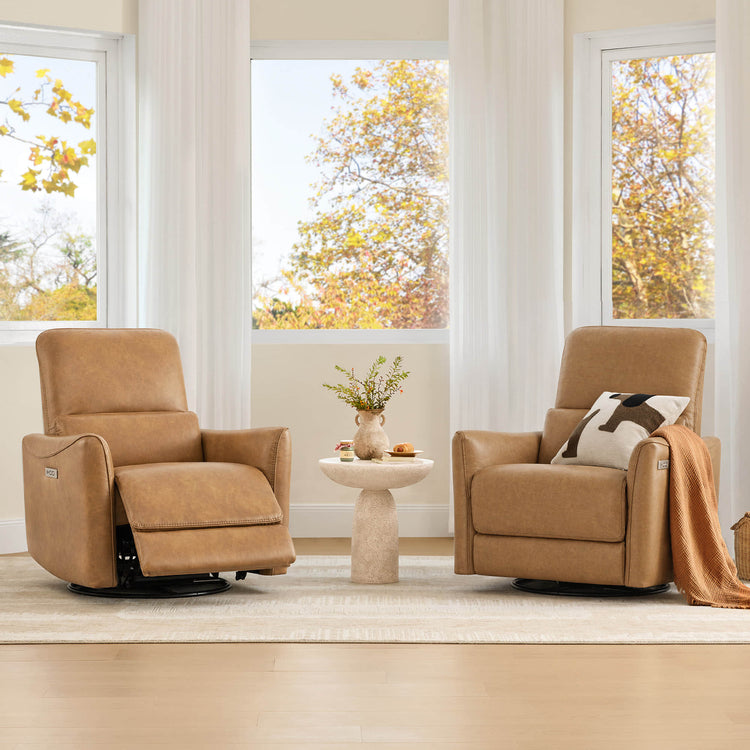
For a shared living room, place the chair where people can walk past while it is in use. Our nursery gliders and recliners include styles that can also sit alongside a sofa or in a reading corner.

Photo: @grayrosehome.
Questions about nursery gliders
Is a glider necessary for a nursery?
No. A supportive adult chair you already own may work for awake feeding and holding. A glider is worth considering when you want its gentle motion or when its seat and armrests fit you better than your current chair.
Can a baby sleep in a nursery glider?
No. Place your baby on their back in a safety-approved crib, bassinet, or portable play yard with a firm, flat mattress and fitted sheet. Move a baby who falls asleep in your arms to that sleep space, and avoid falling asleep in the chair while holding them.
Is a glider better than a rocking chair?
A glider suits someone who prefers a backward-and-forward motion on a fixed base; a rocker suits someone who enjoys movement on curved runners. Try the seat fit, motion, and ease of getting up. Those differences are more useful for choosing than the category name alone.
Can I use a nursery glider in the living room?
Yes. Give it the space required for its full glide, swivel, and recline functions, and keep the path beside it clear. Choose upholstery and a shape that fit the seating you already have, so it can stay useful for reading and conversation as your child grows.
Recommended Products

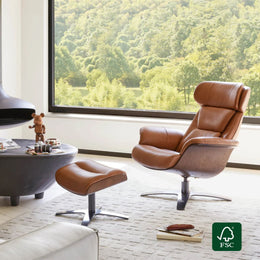
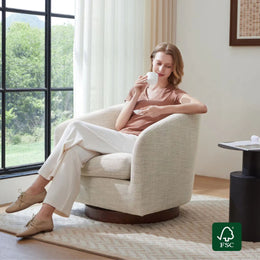

More to Read
 7 Sofa Trends That Actually Improve Comfort in 2026
Upgrade your living room with furniture that supports your body. Here are 7 modern sofa features designed to maximize your daily comfort...
7 Sofa Trends That Actually Improve Comfort in 2026
Upgrade your living room with furniture that supports your body. Here are 7 modern sofa features designed to maximize your daily comfort...
 Mother's Day Gift Guide: Cozy and Stylish Furniture Picks for Modern Moms
Make Mother's Day more meaningful with furniture gifts that bring comfort, smart features, storage, and quiet luxury into her everyday routine.
Mother's Day Gift Guide: Cozy and Stylish Furniture Picks for Modern Moms
Make Mother's Day more meaningful with furniture gifts that bring comfort, smart features, storage, and quiet luxury into her everyday routine.
 Performance Fabric Reality Check: Does It Really Repel Pet Hair and Stains?
Performance fabric is often marketed as a miracle solution for homes with pets and kids, but the reality is more nuanced. It...
Performance Fabric Reality Check: Does It Really Repel Pet Hair and Stains?
Performance fabric is often marketed as a miracle solution for homes with pets and kids, but the reality is more nuanced. It...