






















Modern Sofas: Styles, Seat Fit and Room Planning

A low profile, a curved arm or a set of tapered legs can make a sofa look modern. The choice becomes more useful when you connect those details to the room: how much seating fits between the arms, how you like to sit, and where people need to walk.
Recognize the style
In furniture shopping, modern usually describes a relatively simple silhouette with restrained decorative detail. Mid-century modern points toward familiar features such as tapered legs, exposed wood, tailored cushions and a visually light frame. Contemporary describes present-day design and can include rounded shapes, generous cushions or sculptural forms. The V&A's account of Modernist design traces the emphasis on simple lines and function to a movement that rejected decorative excess.
These terms overlap in product descriptions. Use the visible details to decide what you like. Tufting, a bright color or a curved shape can all work in a modern room.

Mid-century details
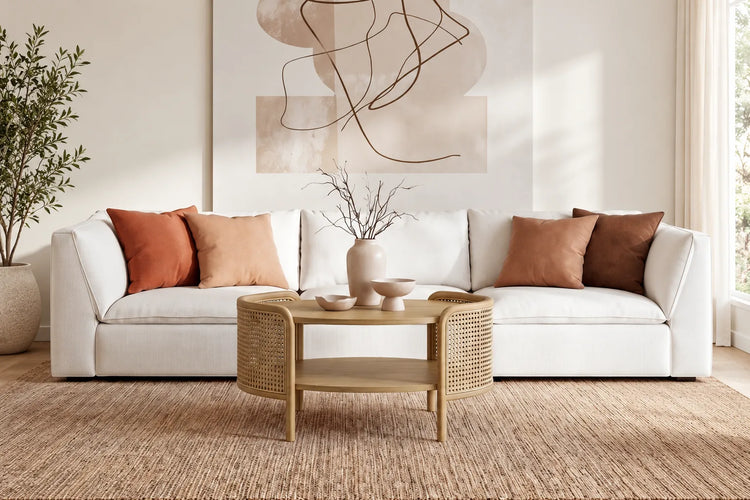
Look for the relationship between the frame, legs and cushions. Exposed legs show more of the floor; a tailored back keeps the outline clear. A wood or cane arm introduces texture even when the upholstery is a plain color.

Rounded contemporary shapes
A curved back or rounded corner softens the outline of a seating group. Check the actual footprint: the shape can occupy floor area behind or beside the seats that a straight sofa leaves open. Place a taped outline in the room to see how it meets nearby furniture.
Choose the shape for your room
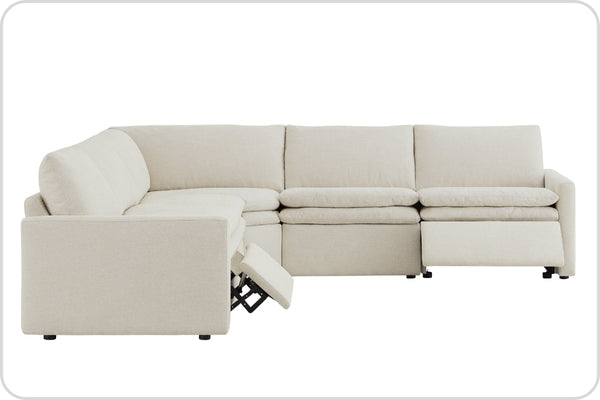
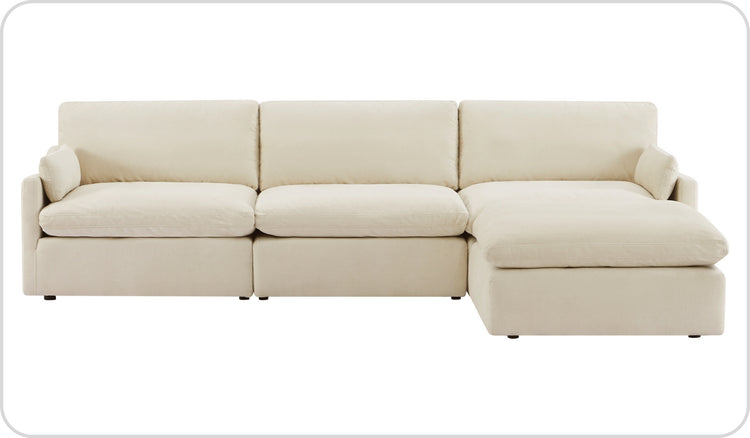
Style describes appearance. “Sectional” and “modular” describe how seating is arranged or assembled. You can choose a modern-looking sofa in a fixed three-seat form, a sectional with a chaise, or a modular arrangement made of separate units. Our sectional and modular sofa comparison explains how the layout, separate units and connectors affect possible arrangements.
| Shape | When it fits your routine | What to measure |
|---|---|---|
| Straight sofa | You want a clear seating line with room for separate chairs. | Overall width, arm width and access around both ends. |
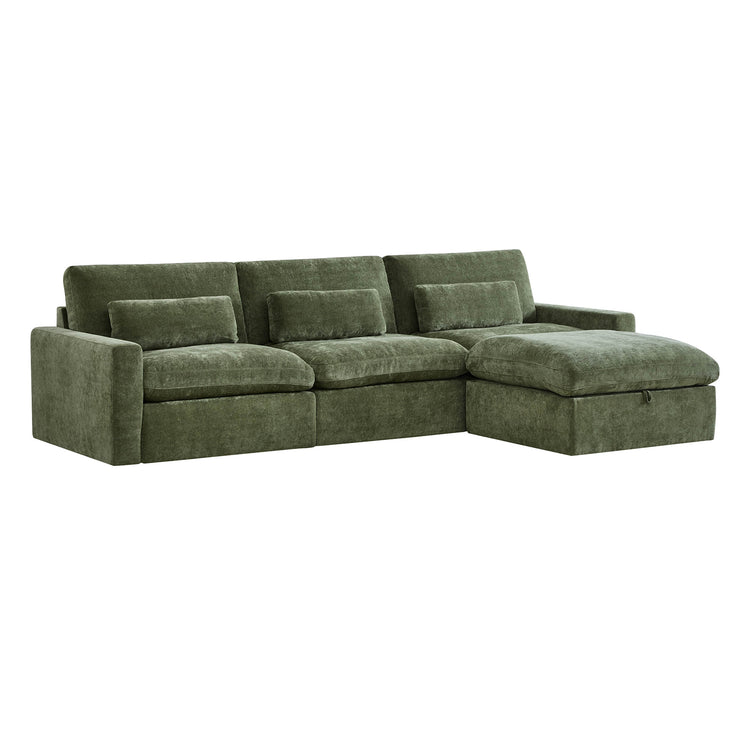
| Chaise sectional | One person often stretches out while others sit upright. | Chaise projection and the route around its end. |
| Modular arrangement | You want to choose a configuration from compatible pieces. | Every module and the total assembled footprint. |
| Curved sofa | Conversation and a rounded seating group suit the room. | Maximum depth, rear corners and each seat's TV angle. |
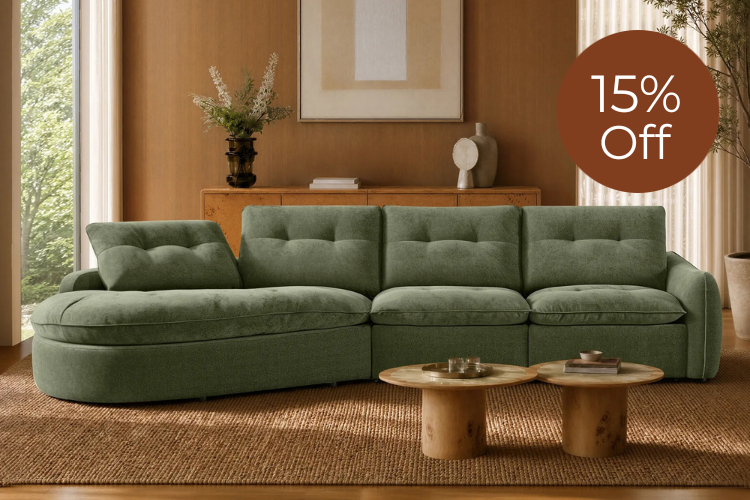
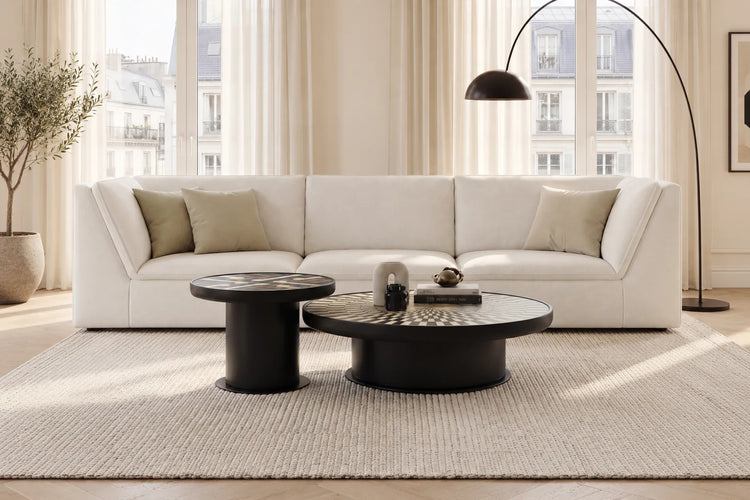
Our Teleri modular curved sofa combines a rounded form with visible wood legs. For a softer, cushion-focused look, our Ivy modular sectional uses feather-and-fiber cushions. Compare the configuration offered on each product page with the outline in your room.
Our sofa collection includes fixed and modular layouts; compare the assembled width and depth of the configuration you intend to use.
Check the seat as carefully as the silhouette
Overall depth includes the back and cushions. Seat depth describes the space where you sit. A sofa can look slim from the front and still have a deep seat. Sit back against the cushion with your feet supported, then try the position you use for reading or watching television. Our sofa seat-height and seat-depth measuring guide identifies the cushion edges to measure so you can compare like for like.
If you tend to sit upright, pay attention to how far you must move forward to put your feet on the floor. If you curl up, check that the usable seat gives you room for that posture. Bring a cushion into the comparison if that is how you normally sit.
Our Julane cane sofa lists a 78.8-inch overall width and a 63.5-inch seat width. That difference shows why the outside measurement alone cannot tell you how much sitting space you will have. Its listed seat depth is 24.3 inches; compare that with a sofa you already find comfortable.

Choose upholstery for daily use
Leather in a modern room
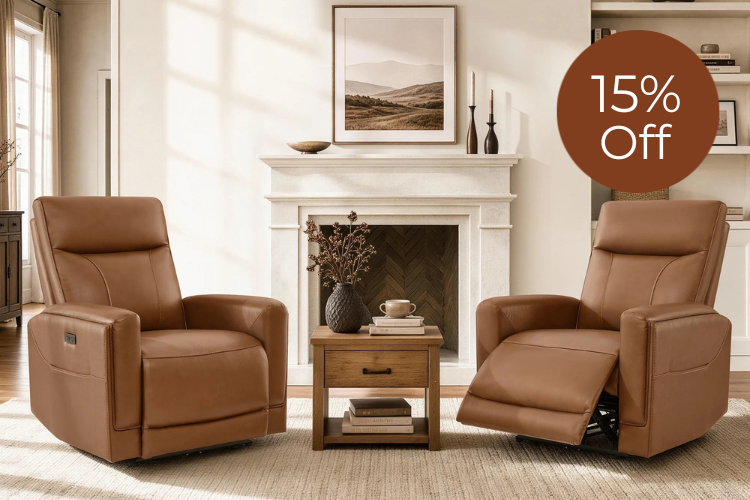
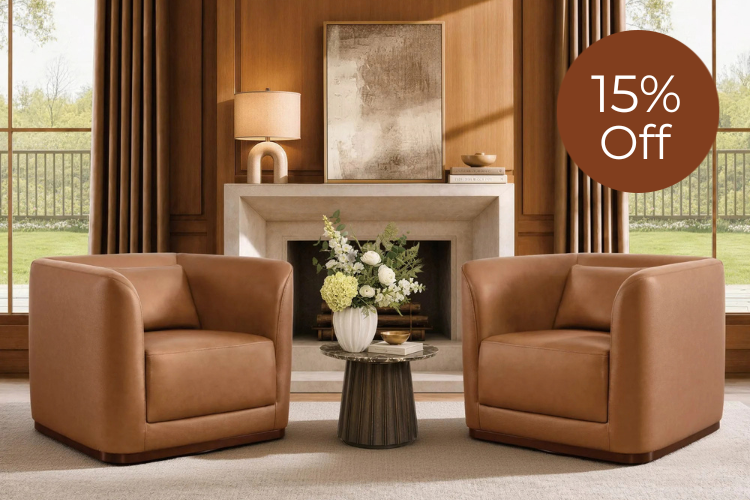
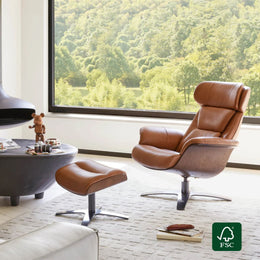
Leather works with modern furniture when its color, grain and the sofa's proportions suit the room. A simple leather silhouette can sit comfortably beside wood, cane or a textured rug. Choose the material for the surface you want to live with, then read which areas use genuine leather and which use matching synthetic material.
Fabric and cushion care
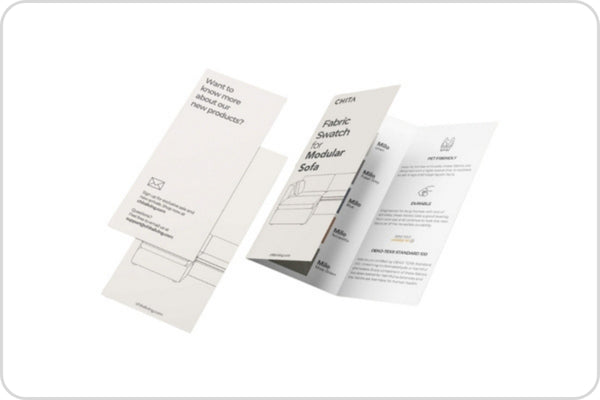
Use samples to judge texture and color beside your floor and curtains. Check the care instructions before choosing a pale color for a heavily used seat. For our Ivy sectional, the listed care is water-free stain remover for non-removable areas, with cleaning code S, and dry cleaning for cushion covers. A removable cover can still have a dry-clean-only requirement. A repellent finish does not change which cleaners suit the fabric, as the Association for Contract Textiles explains in its guidance on stain repellency and cleaning compatibility.
If a fabric lists a rub count, treat it as one test result. The Association for Contract Textiles' guidance on abrasion testing and fabric lifespan explains why higher counts alone do not predict longer service life.
Loose cushions also have a daily upkeep routine. Follow the product instructions for fluffing or turning them; reverse only cushions designed to be reversible. Consider that work alongside the feel you prefer.

Measure the delivery route
- Measure the proposed footprint, including a chaise or curved corner.
- Allow the walking route and opening space for nearby doors or drawers.
- Compare the packaged dimensions with doorways, stairs, lifts and hallway turns.
- Check which parts are removable for assembly and how each module enters the room.
- Confirm the configuration, upholstery and care instructions before ordering.
A modular sofa arrives as separate pieces, and each package still needs a workable route. For an awkward staircase or tight turn, send measurements and photos to our sofa delivery support team so we can help with the specific model.
FAQ
What makes a sofa look modern?
A clear silhouette, relatively simple decorative detail and deliberate proportions usually create the look. Modern sofas can have straight or rounded lines, and their upholstery can be neutral or colorful. Choose the shape and details that work with the room around them.
What is the difference between modern and contemporary sofas?
Modern often describes a pared-down design language, while contemporary describes design associated with the present. Contemporary sofas can borrow modern or mid-century details. Compare the visible shape, arms, legs and cushions when the labels overlap.
Are modern sofas comfortable?
A modern sofa can be comfortable when its seat depth, height, cushion feel and back support suit the person using it. Style alone gives little information about fit. Try an upright position and your usual lounging position before choosing.
Are leather sofas out of style?
Leather remains a workable choice for a modern room. The sofa's shape, scale and color determine how it relates to nearby furniture. Pick a finish you enjoy and a care routine that suits your household.
Recommended Products


More to Read
 7 Sofa Trends That Actually Improve Comfort in 2026
Upgrade your living room with furniture that supports your body. Here are 7 modern sofa features designed to maximize your daily comfort...
7 Sofa Trends That Actually Improve Comfort in 2026
Upgrade your living room with furniture that supports your body. Here are 7 modern sofa features designed to maximize your daily comfort...
 Mother's Day Gift Guide: Cozy and Stylish Furniture Picks for Modern Moms
Make Mother's Day more meaningful with furniture gifts that bring comfort, smart features, storage, and quiet luxury into her everyday routine.
Mother's Day Gift Guide: Cozy and Stylish Furniture Picks for Modern Moms
Make Mother's Day more meaningful with furniture gifts that bring comfort, smart features, storage, and quiet luxury into her everyday routine.
 Performance Fabric Reality Check: Does It Really Repel Pet Hair and Stains?
Performance fabric is often marketed as a miracle solution for homes with pets and kids, but the reality is more nuanced. It...
Performance Fabric Reality Check: Does It Really Repel Pet Hair and Stains?
Performance fabric is often marketed as a miracle solution for homes with pets and kids, but the reality is more nuanced. It...
1 comment
Kudos on your insightful blog post, “Modern Sofas: What You Should Know.” Your guide to modern sofa trends is informative and engaging. Thanks for keeping readers in the loop on contemporary designs.