


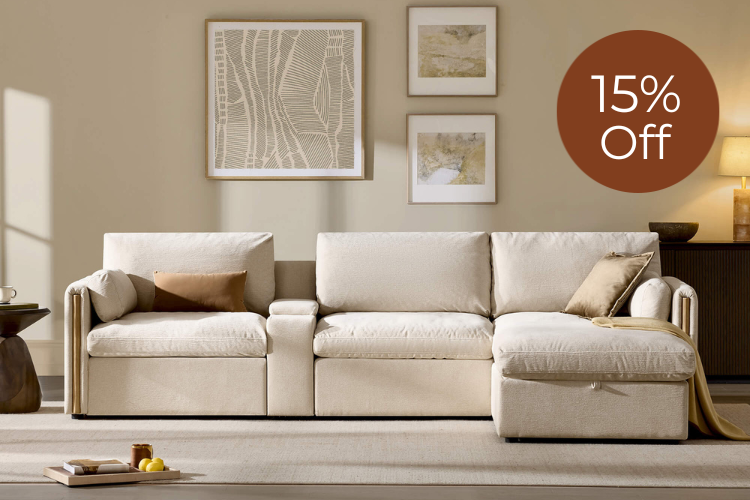


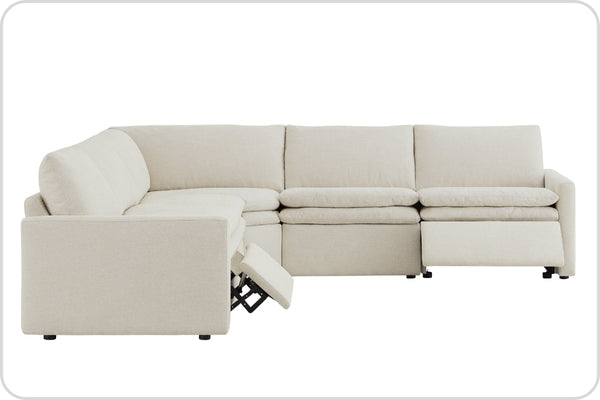


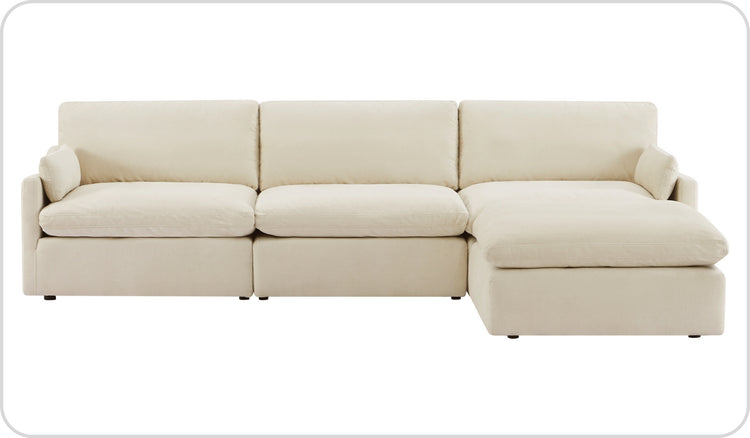


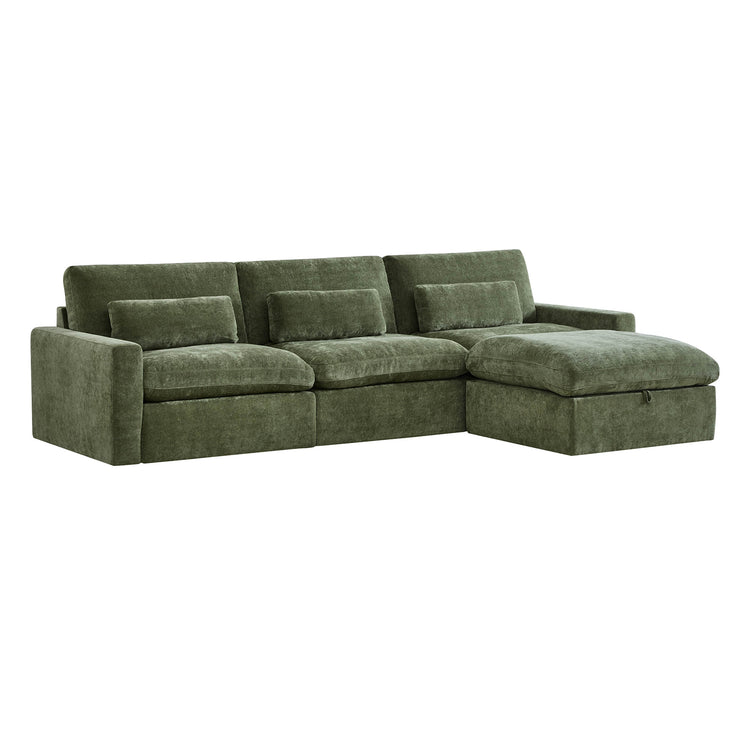


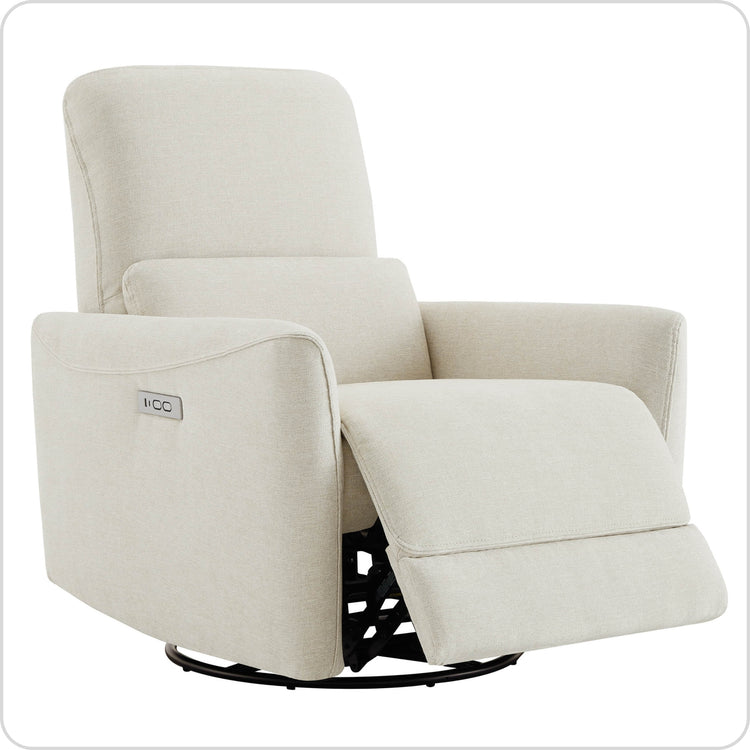
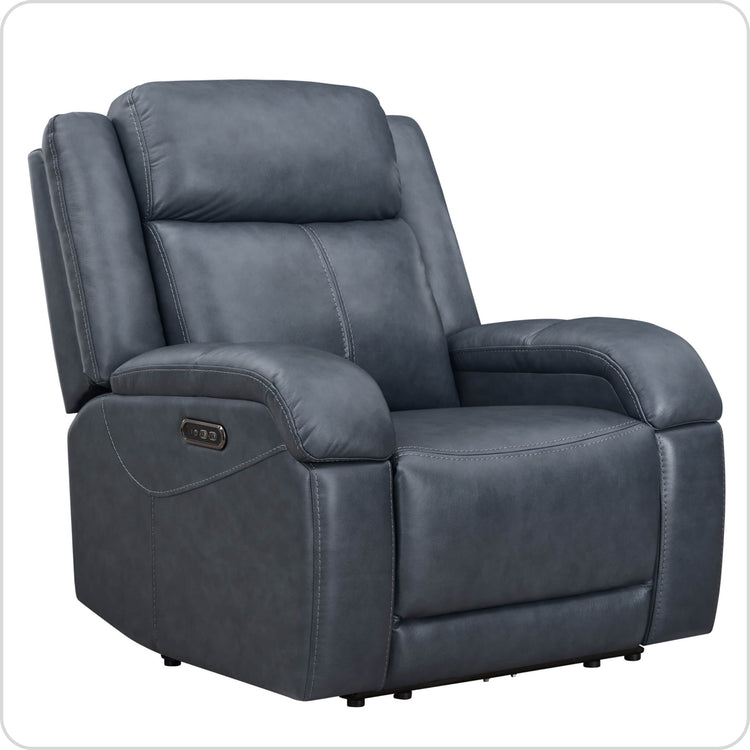











In 2026, the best modular sectional sofa for families with kids and pets combines inherent performance fabric, mechanical stability connectors, and realistic maintenance expectations rather than relying on marketing claims of being completely stain-proof or scratch-proof. Prioritize sofas with at least 30,000 double rubs for heavy residential use, high-resiliency foam between 1.8 and 2.5 lbs per cubic foot, flat-weave or velvet textures for pet resistance, and mechanical U-clips or brackets if your home has active kids, dogs, or hardwood floors. This setup offers long-term flexibility as your household grows while avoiding the common regret of modules that shift apart or fabrics that demand constant deep cleaning.

What 'Performance Fabric' Actually Means in 2026
Performance fabric is not a marketing buzzword, but its definition has evolved. According to the Association for Contract Textiles (ACT) performance guidelines, residential "heavy duty" classification begins at 30,000 double rubs on the Wyzenbeek test. This threshold helps predict whether a sofa will hold up to several years of kids jumping and daily use or show wear within 12-18 months.
The bigger shift in 2026 is from topical DWR (durable water repellent) coatings, which wear off with repeated cleaning, toward inherent fiber-level resistance. Solution-dyed polyester and similar fibers build stain and fade resistance into the yarn itself. This matters for busy families because it reduces the speed at which a sofa looks tired even after regular spot cleaning.
Parents should also separate performance from safety. OEKO-TEX Standard 100 certifies that fabrics have been tested for harmful substances, including many PFAS-free "C0" water-repellency options now common. These certifications do not guarantee stain or scratch resistance; they address health concerns. Look for both the ACT heavy-duty rating and OEKO-TEX labeling when comparing options.
Stain-Resistant Treatments vs. Truly Washable Covers
Many families ask whether they can simply throw their sofa covers in the washing machine. The honest answer reveals the "maintenance illusion": most mid-tier modular sectionals offer washable cushion covers but require spot-cleaning for the frame and base. This hybrid approach improves hygiene for spills and accidents yet does not eliminate all upkeep.
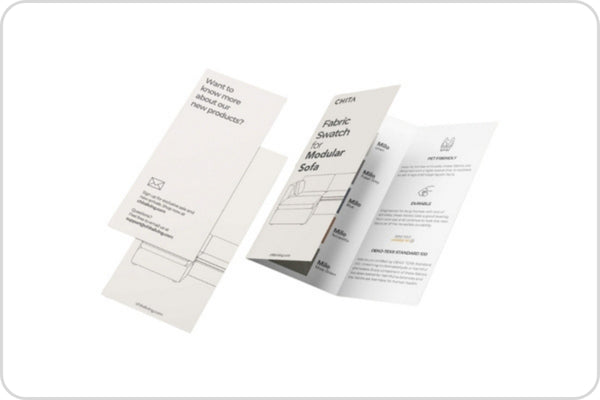
Cleaning codes clarify what is realistic. Code W fabrics tolerate water-based cleaners suitable for milk, juice, or pet accidents. Code S fabrics require solvent-based cleaners and limit home machine washing. As noted in CHITA's own performance fabric guide, verifying the exact code before purchase prevents disappointment when a "washable" claim applies only to removable cushions.
Truly full-slipcover designs that allow machine washing of every panel remain higher-end options. For most 2026 family rooms, machine-washable cushion covers represent the practical minimum standard, provided you accept that frames still need prompt spot treatment. This distinction helps you avoid over-promising convenience that daily life with snacks and pets will not deliver.
Pet-Resistant Materials: Navigating Claws, Hair, and Odors
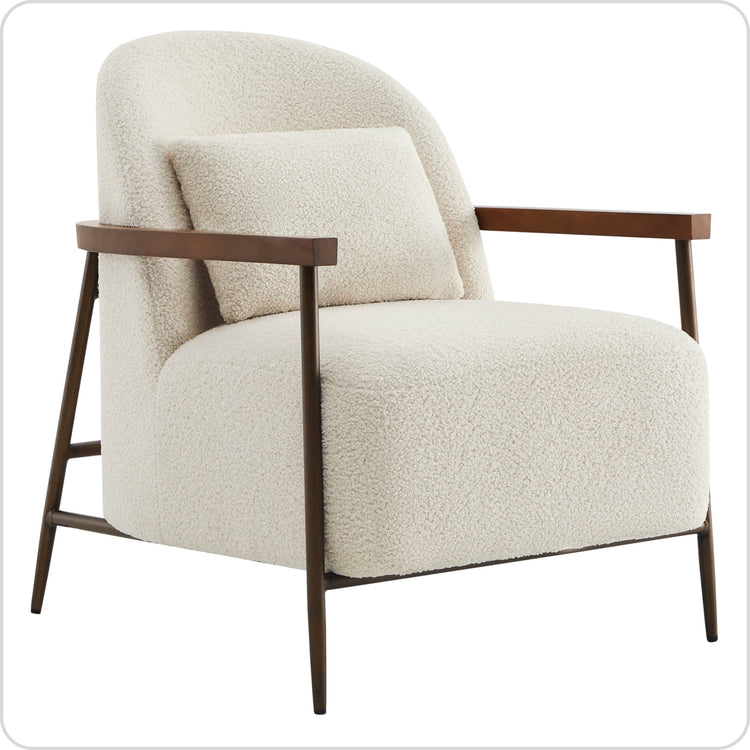
Pet owners quickly learn that texture choice often matters more than any single performance rating. Looped fabrics such as bouclé act as claw magnets and trap hair in their texture, creating the "bouclé pet dilemma" that leads to visible snags and constant lint-rolling. Tightly woven flat-weaves and polyester velvets resist snagging far better while allowing a vacuum or lint roller to remove hair efficiently.
For dogs that shed heavily or cats that scratch, these smoother textures also help with odor control. Breathable, non-absorbent fibers reduce how deeply smells penetrate compared with more porous natural weaves. While no fabric is completely immune to determined claws, selecting the right weave dramatically lowers the frequency and severity of damage you will manage over time.
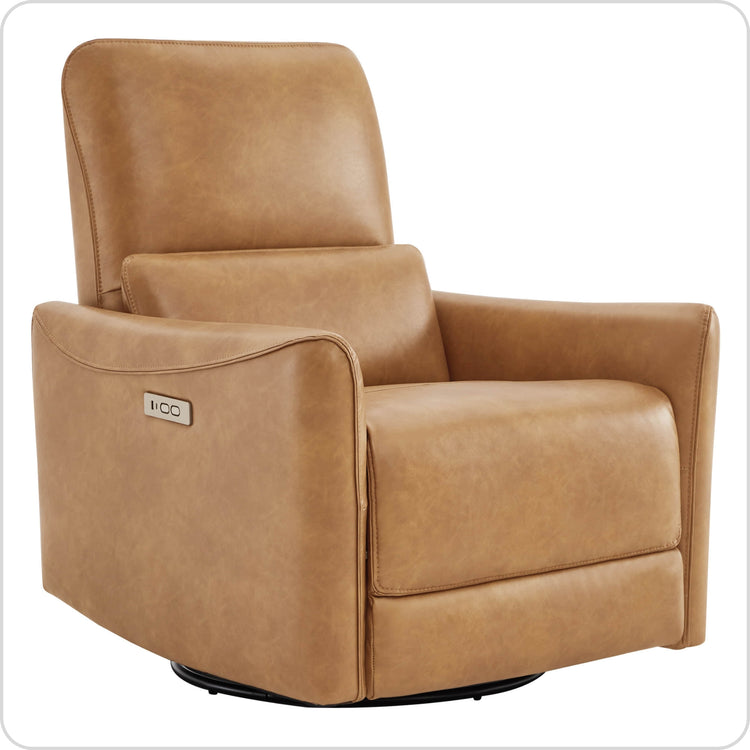
Many pet parents combine performance fabric with simple habits such as weekly vacuuming and immediate blotting of accidents. This combination extends the sofa's good looks far longer than trendy but pet-vulnerable materials. See our related guide on pet-proof luxury power recliners for more on coordinating living-room pieces.
Translating Durability Specs into Family-Use Decisions
Spec sheets can feel overwhelming, yet three numbers drive most real-world longevity. Cushion foam density between 1.8 and 2.5 lbs per cubic foot serves as the benchmark for preventing the "slouch trap" where seats lose support within a year of heavy use, according to upholstery longevity metrics. Higher-density high-resiliency foam holds its shape better under frequent rearranging and jumping.
Frame construction should feature kiln-dried hardwood or reinforced modular bases rather than particleboard that flexes over time. Rub count remains the clearest wear indicator: while 30,000 double rubs meets the residential heavy-duty floor, 100,000 rubs (as found in premium options like the Ohana collection) provides the gold standard for kid-proof durability in high-traffic homes.
These specs translate directly into buying decisions. A sofa with low-density foam and only 15,000 rubs may look attractive in the showroom but will likely disappoint within two years of toddler activity. Checking these three metrics first helps you filter options before falling for style or reclining features that will not survive daily family life.
Modular Flexibility: Stability and Long-Term Value for Families
Many shoppers worry that modular sectionals will feel unstable or slide apart, especially on hardwood floors with active kids or dogs. Non-slip pads on legs work adequately in calm rooms, but mechanical connectors such as U-clips or locking brackets deliver the fixed feel required for high-energy households. This distinction becomes critical when children jump between modules or large dogs lean against seams.
The friction of modules shifting creates gaps that trap crumbs, toys, and pet hair while eroding the "one-piece" sofa experience. Mechanical connectors solve this while still allowing easy reconfiguration as your family grows or your layout changes. Our guide comparing sectional versus modular sofas explores these stability trade-offs in greater depth.
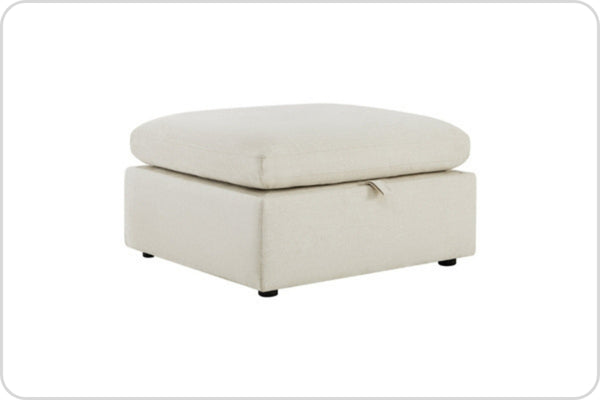
Modularity also delivers long-term value. Replacing a single worn seat or adding an ottoman costs far less than buying an entirely new sofa. Watch for restocking fees when testing configurations in your space; many retailers now offer generous in-home trials that reduce this risk. When your household needs evolve, a well-built modular system adapts instead of becoming obsolete.
Choosing the Right Configuration for Your Household Needs
The right modular sectional sofa depends on your specific mix of kids, pets, traffic level, and floor type. The chart below maps common household stress tiers to practical recommendations across maintenance, pet resistance, stability, and overall durability. It visualizes the patterns that emerge from ACT standards, foam benchmarks, weave heuristics, and real-family connector needs.
Family-Grade Durability Matrix
Match household stress level to the safest family-proof fabric tier, maintenance level, stability need, and pet resistance.
Show tier table
| Household Stress Tier | Maintenance Level | Pet Resistance | Stability Needs | Durability Tier |
|---|---|---|---|---|
| Toddler Chaos | Full Slipcover | Med | Active | High |
| Active Pet Home | Hybrid | High | Active | High |
| High-Traffic TV Room | Hybrid | Med | Calm | Medium |
| Calm Family | Spot-Clean | Low | Calm | Low |
Tiered guidance derived from ACT heavy-duty thresholds, foam benchmarks, and pet-weave heuristics, with maintenance and stability mapped as household-fit tiers rather than exact performance scores.

For a nursery setup, prioritize OEKO-TEX certified fabrics and power features for late-night feeding. High-traffic TV rooms benefit most from 100,000+ rub counts and mechanical connectors to handle constant rearranging. Pet-heavy homes should focus on flat-weave textures that pair well with a lint roller and resist hair embedding.
Not every seemingly attractive modular sectional fits every household. Avoid low-density foam or looped bouclé in active homes even if the price is tempting; the frustration of sagging seats or constant snags usually outweighs initial savings. Similarly, sofas relying solely on non-slip legs on hardwood floors often lead to repeated realignment and safety concerns with small children.
Frequently Asked Questions
Are performance fabrics truly pet-proof?
No fabric is 100% pet-proof, but tightly woven flat-weaves and velvets significantly reduce snagging and hair embedding compared with looped bouclé. Combine the right texture with prompt cleaning and regular vacuuming for best results. Performance fibers resist stains better than untreated upholstery, yet immediate blotting remains essential.
Can I machine wash the entire modular sectional cover?
Most modular designs in 2026 allow machine washing of cushion covers only; the frame and base typically require spot cleaning per the fabric's code (W or S). Always confirm the exact cleaning instructions rather than assuming full slipcovers. Cold-water cycles and air drying help prevent shrinkage on washable pieces.
What is the minimum rub count for a kid- and pet-friendly sofa?
Look for at least 30,000 double rubs for residential heavy-duty performance. Sofas reaching 100,000 rubs provide noticeably longer wear in homes with jumping children or active pets. This metric measures abrasion resistance and correlates strongly with how quickly a sofa shows wear under family conditions.
Do mechanical connectors make modular sectionals feel like a traditional sofa?
Yes, U-clips or locking brackets create a much more stable, fixed feel than non-slip legs alone, especially on hardwood with active use. They still allow reconfiguration but reduce shifting and gaps that trap debris. This upgrade is particularly valuable for households with toddlers or large dogs.
How do I choose between stain-resistant treatments and washable covers?
Choose inherent performance fibers over topical treatments for longevity, then decide on washability scope. Hybrid systems (washable cushions, spot-clean frame) suit most families. Full removable slipcovers offer maximum convenience but may cost more and require careful laundering to maintain appearance.
Is higher foam density always better for family sofas?
Densities between 1.8 and 2.5 lbs per cubic foot strike the best balance for support and comfort in high-use homes. Lower densities sag faster under frequent jumping and rearranging; excessively high densities can feel too firm for lounging. Pair density with quality high-resiliency foam for optimal results.