














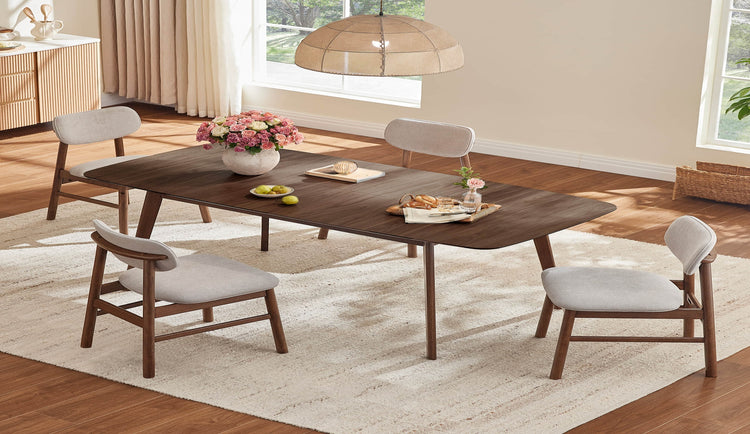
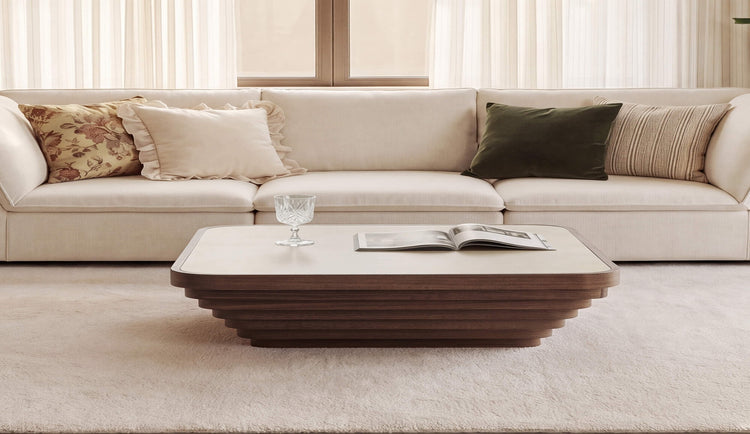
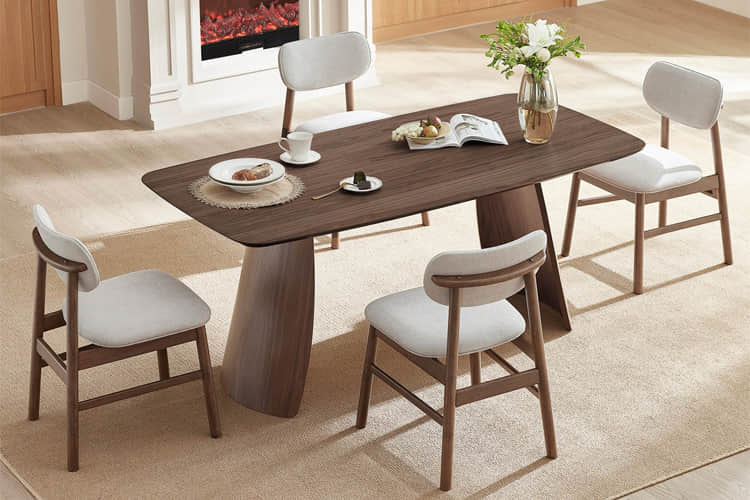










Banquette seating can be a smart way to make a small dining room or kitchen corner feel more intentional, but only if the layout still leaves room to move. The main win is not a magic size increase. It is that a bench can hug a wall or corner, reduce visual clutter, and create a built-in look without custom cabinetry.
Why Banquette Seating Works in Small Rooms
For compact dining areas, the appeal is simple: banquette seating can reclaim perimeter space that chairs often leave partly unused. In some layouts, a banquette bench may reduce the dining footprint in a directional way, but treat that as a planning estimate, not a guarantee.
That trade-off matters. Banquette seating is strongest when the room is tight enough that chair pull-out, wall clearance, and traffic flow are the real problems. It is less compelling when the room already has comfortable circulation or when you need to rearrange seating often. In those cases, the flexibility of chairs can outweigh the compact look.
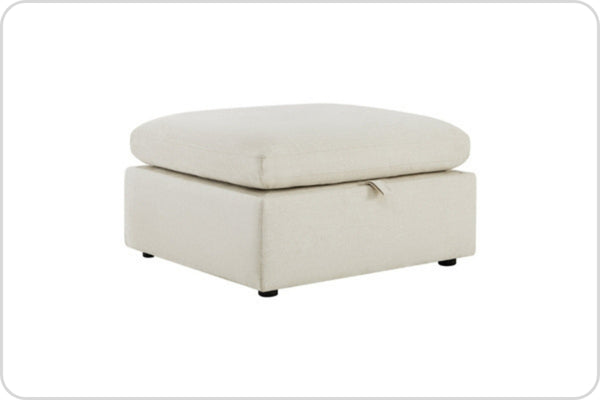
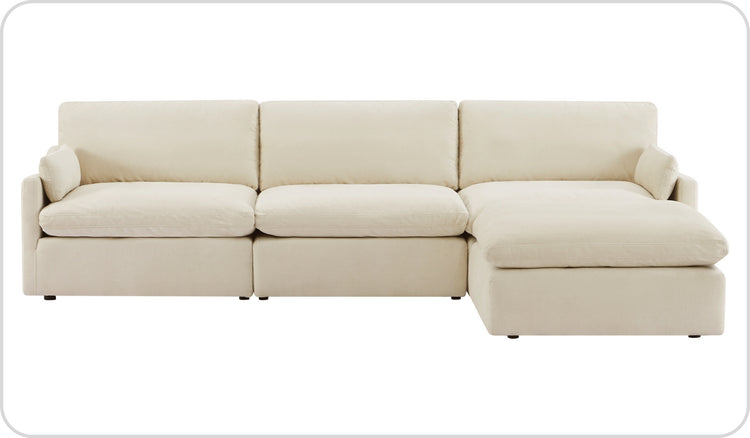
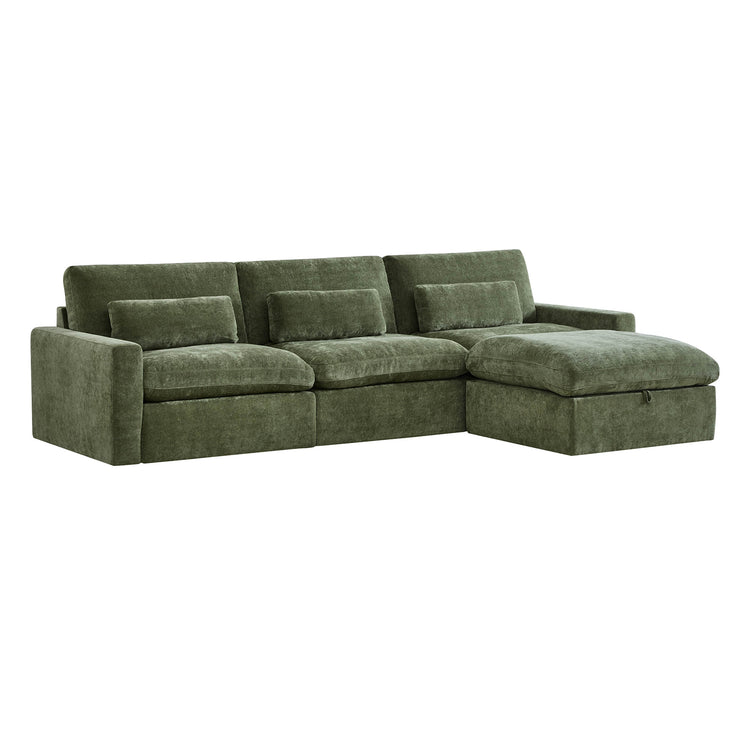
For renters and apartment dwellers, a modular banquette can also mimic a built-in feel without committing to permanent millwork. A small dining room bench seating setup can work especially well when you want that effect in a corner without adding visual clutter. If you want more small-space layout ideas, the 2026 small-space furniture trends article is a useful follow-up.
Banquette Layouts That Fit Tight Spaces
The first layout check is clearance. The NKBA kitchen planning guidelines recommend at least 32 inches from the table edge to the wall when no one needs to pass behind seated diners. If that spacing disappears, the setup may still look neat on paper but start to feel cramped in daily use.
Straight Banquette Against a Wall
A straight run works well along one long wall in a narrow dining room. It keeps one side of the table anchored and can make the room easier to walk through on the open side. This layout is usually the cleanest option when the room is long and thin, but it still needs enough depth so the table does not feel pinned to the wall.
Corner Banquette Seating
A corner banquette is often the best way to turn an awkward dead corner into a usable breakfast nook. It can feel more efficient than two chairs in the same spot because the seating follows the room shape instead of fighting it. The catch is that corners can compress both entry and exit paths, so check the open sides carefully before you commit.
L-Shaped Nooks and Open-Plan Edges
An L-shaped banquette can define a dining zone in an open-plan apartment without blocking the sightline to the rest of the room. It works best when the table size matches the bench scale, not when the seating overshoots the nook. In practice, this layout is often the most polished-looking option for a kitchen corner that needs to feel like part of the home, not an afterthought.

How to Size a Banquette for Comfort
Sizing is where many good-looking setups fail. Start with the wall length, then decide how much of that wall the banquette should occupy, then measure the table and walking path around it. The goal is to size the seat and table together, not separately.
For a standard 30-inch dining table, a clear knee space of at least 18 inches is a good comfort baseline, according to NKBA-aligned planning guidance from WC Supply. That number matters because it helps prevent the "looks fine, feels tight" problem once people actually sit down. If the knee space shrinks too much, the banquette may still function, but it will feel less comfortable over a normal meal.
Seat height also matters. A 17- to 19-inch banquette seat height is a practical range for pairing with a 28- to 30-inch dining table, which is why many designs land there. That is a useful target, not a universal rule. Cushions, trim, and table base shape can all change the final fit, so keep the tape measure out until the end.
A simple way to check the setup is: wall length first, then seat depth, then table edge to wall clearance, then knee space, then walkway. If one of those measurements falls short, the room may still hold a banquette, but it will be a compromise rather than a clean win.
For modular seating options that can support a flexible nook, you can browse the dining room collection after you confirm your measurements.
Style and Materials That Finish the Look
A banquette looks finished when the upholstery, table shape, and nearby finishes feel coordinated. The trick is not matching everything exactly. It is repeating one or two tones so the nook feels intentional and calm.
Upholstery Choices for Busy Kitchen Zones
If the seat will be used every day, upholstery deserves as much attention as the footprint. Heavy-residential fabrics are commonly described in the 15,000- to 30,000-Wyzenbeek double-rub range, which is a useful durability cue for kitchen-adjacent seating. The term means abrasion resistance, not spill-proof or maintenance-free performance, so it should guide selection rather than create false confidence.
If you want a deeper plain-language explanation of upholstery terms, the performance fabrics guide can help. In a busy nook, neutral textured fabrics often make the seat feel more deliberate and less temporary, while still being easier to live with than a highly delicate finish.
Table Shapes and Finish Pairings
Table shape changes how the banquette reads in a small room. Round tables soften a tight corner and can make traffic flow easier, while rectangular tables usually feel more efficient along a wall. The right choice depends on whether your priority is circulation, seating capacity, or visual balance.
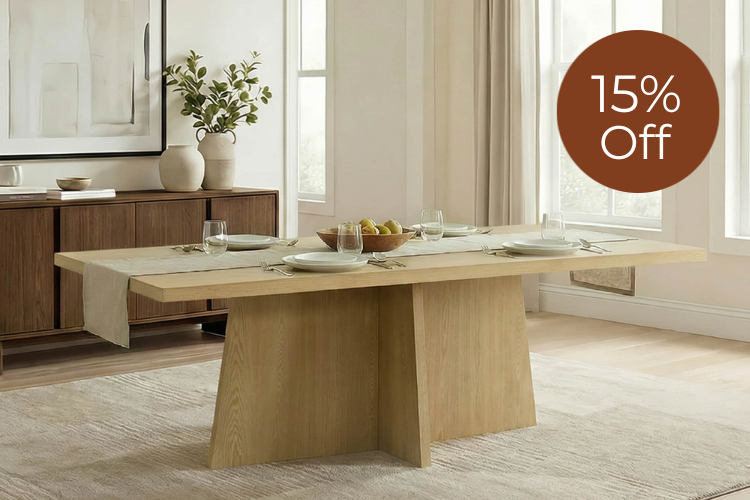
Pedestal-style tables are often a smart match for banquette seating because they reduce leg obstacles when people slide in and out. In a small room, that small detail matters more than it would in a larger dining area. The finish should support the room, not fight it, so a lighter table can keep the nook from feeling heavy.
How to Blend a Banquette With Existing Decor
If the banquette is the only major new piece, echo one wall color, one wood tone, or one metal finish already in the room. That is usually enough to make it feel integrated. A single pendant light, one or two pillows, and a restrained art choice can finish the nook without adding clutter.
If you are mixing an upholstered bench with other furniture, the how to mix furniture styles article can help you keep the scale and texture balanced.

When a Banquette Beats Chairs and When It Does Not
| Decision Factor | Banquette Is A Better Fit | Chairs May Work Better |
|---|---|---|
| Compactness | You need to reclaim perimeter space in a small room or corner. | The room already has enough open floor area. |
| Flexibility | You can live with a fixed or mostly fixed dining zone. | You rearrange the room often or host mixed-size groups. |
| Circulation | One side of the table can stay open without blocking traffic. | People need easy access from multiple sides. |
| Visual finish | You want a built-in look without custom cabinetry. | You prefer a lighter, more moveable layout. |
| Renter fit | A modular setup makes more sense than permanent millwork. | You expect the layout to change soon. |
The real difference is compactness versus flexibility. Banquette seating usually wins when the room is tight, the nook is defined, and the goal is to make awkward perimeter space useful. Chairs usually win when the room needs to stay adaptable. If the layout cannot hold both the 32-inch clearance check and a comfortable seating relationship, the banquette starts to feel like a compromise rather than a solution.
That is why the "best" choice depends less on style and more on how the room is used every day. If a breakfast nook is mostly for two people and the bench can stay against a wall, a banquette is often the better fit. If the table has to stay open on all sides, chairs are usually easier to live with.
Final Checks Before You Buy
Before you order, recheck the wall length, table clearance, and walking path with painter's tape on the floor. Decide whether you need storage, loose cushions, or a slimmer profile, because those choices change the feel of the nook more than a photo can show. Then compare the upholstery finish against real daily use, not just the inspiration image. If you are still deciding, start by browsing a dining room setup that matches your measurements and room shape.
FAQs
How Do You Measure for Banquette Seating in a Small Dining Room?
Measure the wall first, then the table, then the walk path around both. A good check is whether you can keep the room open enough for daily movement while still preserving comfortable knee space at the table. If you have to shrink one side to make the photo look right, the layout may be too tight in real use.
Is Corner Banquette Seating Better Than a Table With Chairs?
Corner banquette seating is often better when the room has an awkward angle or a dead corner that you want to turn into usable space. Chairs are usually better when access from multiple sides matters or when you change the layout often. The better choice is the one that fits how you actually move through the room.
Can a Banquette Work in a Rental?
Yes, if you choose a modular or freestanding setup instead of permanent built-ins. That keeps the room flexible if you move later. The main thing to check is whether the bench still leaves enough circulation space, because a renter-friendly layout can still feel cramped if it is oversized.
What Fabrics Make Sense for a Kitchen Banquette?
Look for upholstery that is described in terms of abrasion resistance and everyday use, not just looks. Heavy-residential fabric ranges are a useful starting point for busy kitchen-adjacent seating. The right fabric still depends on how often the seat will be used, whether kids or pets are part of the picture, and how much maintenance you are willing to handle.
How Do You Make a Banquette Look Finished Instead of Temporary?
Use one or two repeated materials or colors, choose a table shape that fits the nook, and add lighting that makes the area feel intentional. A banquette starts to look finished when it feels tied to the rest of the room instead of standing apart from it. Small details usually do more than adding more decor.