









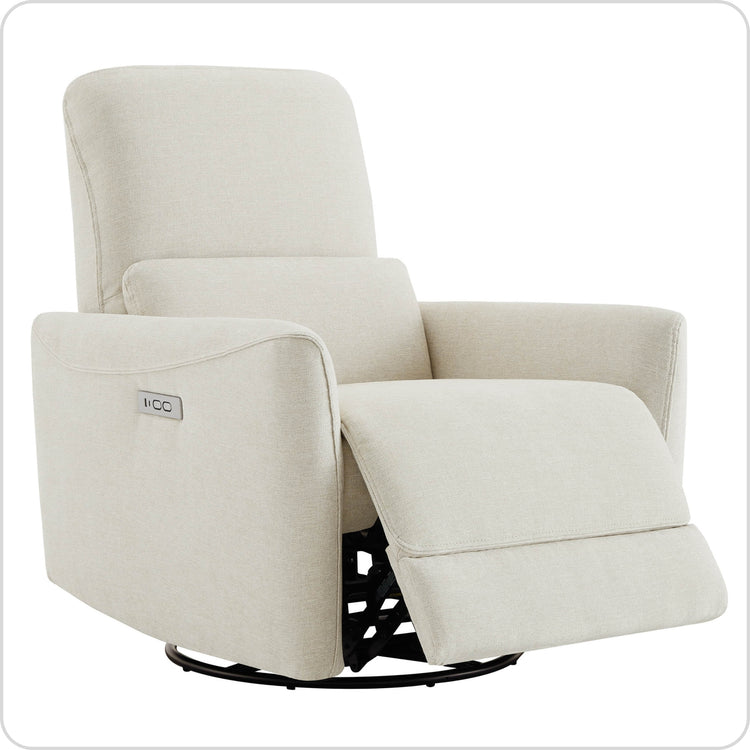
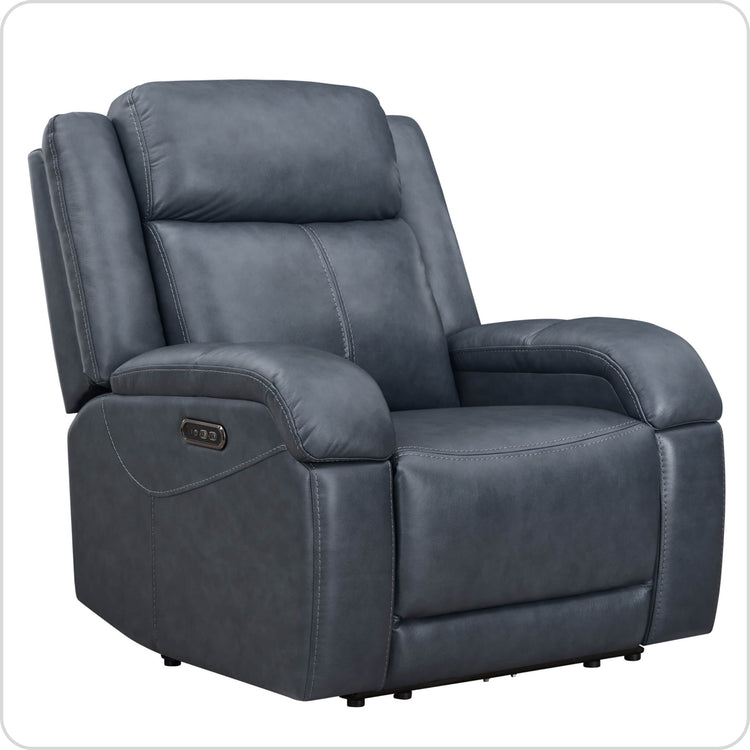
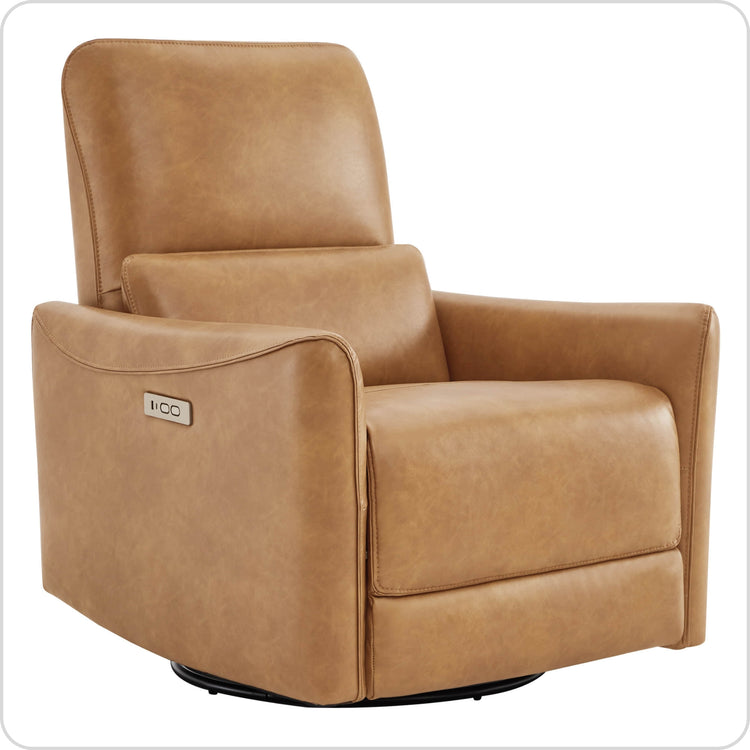


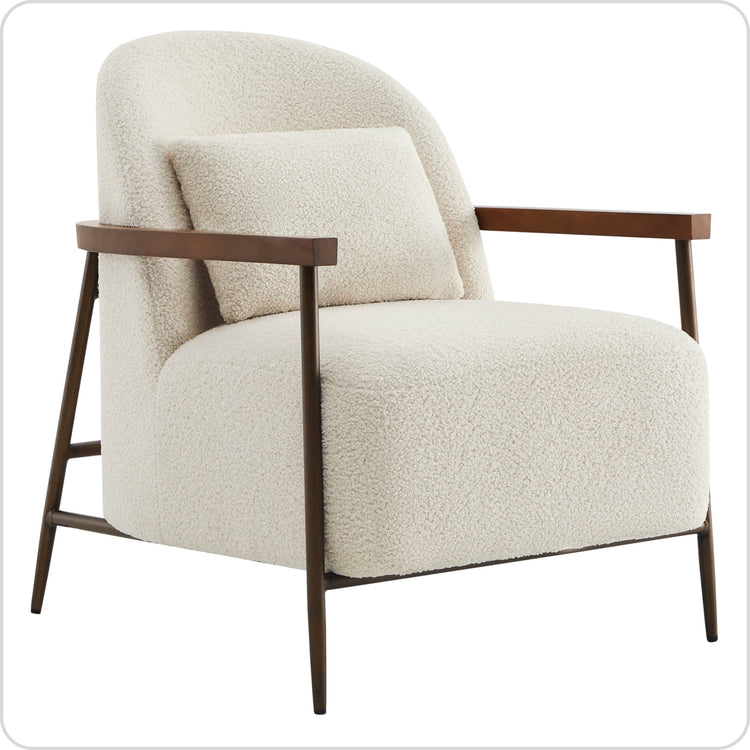
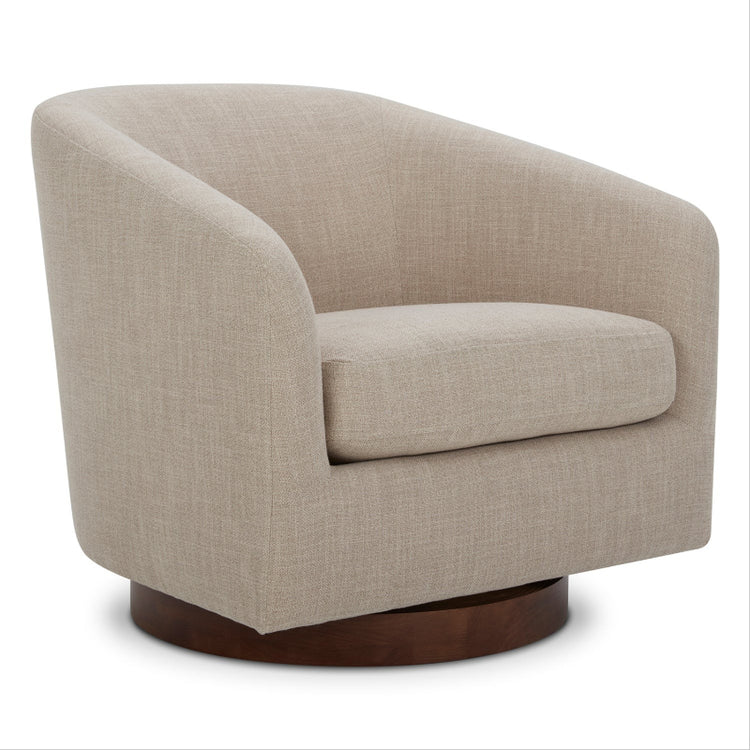

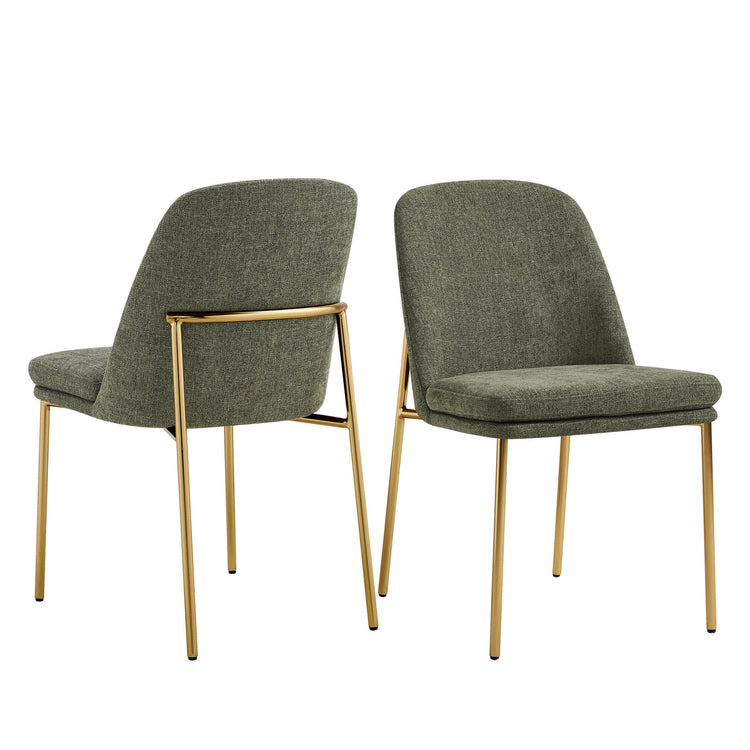
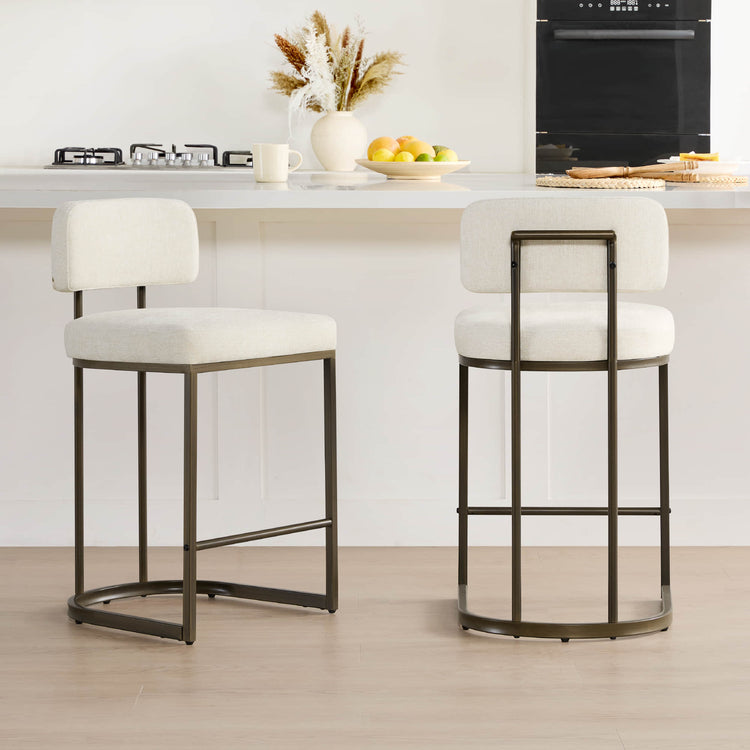


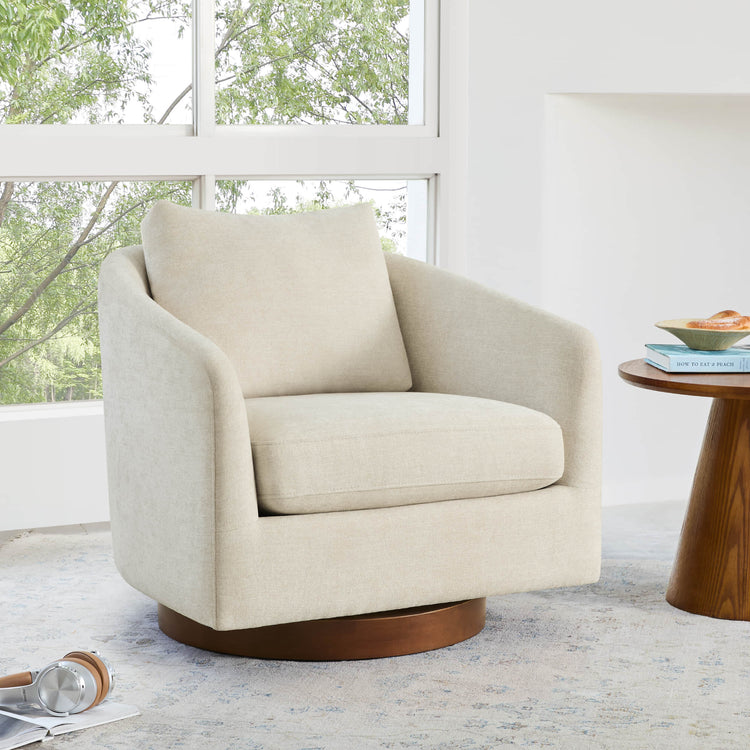










If you're comparing the best weather-resistant outdoor fabrics for outdoor furniture fabric, start with the conditions your furniture will actually face. Sun, rain, humidity, mildew risk, and everyday abrasion all affect performance, so the best choice is usually the one that fits your exposure and maintenance routine.

A weather resistant outdoor fabric is not a single thing. In shopping terms, it usually means a fabric that manages sun, moisture, and wear better than indoor textiles, while still being practical to clean. Some materials are better in full sun, while others dry faster after rain or feel easier to live with day to day.
What Makes Outdoor Fabric Weather-Resistant
A weather-resistant fabric is not just "outdoor-safe" by name. The AATCC standard test methods and fabric testing guides like ASTM and AATCC durability checks show that outdoor claims are usually tied to measurable traits such as colorfastness, water resistance, tear resistance, and mildew resistance.
For shoppers, the useful takeaway is simple: fiber type, weave, finish, and backing all matter. A synthetic fiber may handle moisture and cleaning better than many indoor fabrics, but it still needs the right construction to perform well outdoors.
Fiber Matters First
Synthetic fibers are usually the starting point for weather-resistant outdoor fabric because they can be engineered for better UV handling and easier cleaning. Fiber content affects how the fabric takes on moisture, how quickly it dries, and how likely it is to fade in sun.
Natural-looking does not automatically mean outdoor-ready. Some fabrics look soft and relaxed but are still built for sheltered spaces, so the construction matters as much as the style.
Weave and Finish Change Performance
A tighter, more stable weave can help a fabric hold up better outside. Finishes and backings can also improve water repellency or stain resistance, which is why two fabrics with similar fiber content can feel very different in use.
That said, coatings and treatments do not make every fabric equally suited to harsh exposure. They can improve practicality, but they do not erase the need to match the fabric to the setting.
Where Weather Resistance Shows Up in Real Use
In real patio use, weather resistance shows up in fading, drying speed, surface wear, and cleaning effort. A cushion that looks fine in a showroom may still struggle if it stays wet after storms or bakes in direct sun.
That is why the decision should start with exposure, not just style. If you want a deeper look at material choices that influence outdoor performance, woven rope outdoor construction is a useful context read, especially when you are comparing structure as well as fabric.
Compare the Most Common Outdoor Fabric Options
Different fabric families trade comfort, upkeep, and weather handling in different ways. The comparison below is a practical starting point, not a universal ranking.
| Fabric Type | Main Strengths | Likely Tradeoffs | Best-Fit Use Case | Maintenance Level |
|---|---|---|---|---|
| Solution-dyed acrylic | Strong UV color retention, soft feel, widely used for cushions | Often costs more than basic synthetics | Sunny patios, poolside seating, frequent outdoor use | Moderate |
| Polyester | Many looks and price points, versatile for outdoor use | Performance depends heavily on finish and build | Covered patios, moderate exposure, budget-sensitive projects | Moderate |
| Olefin (polypropylene) | Moisture handling, quick drying, stain resistance in many products | Can feel less plush than acrylic | Humid climates, casual seating, high-traffic spaces | Low to moderate |
| Canvas-style outdoor fabrics | Familiar texture, structured look | Can absorb more moisture unless treated | Traditional decor, shaded or semi-covered areas | Moderate to higher |
| Vinyl-coated fabrics | Easy wipe-clean surface, strong water shedding | Less breathable, more utilitarian feel | Dining chairs, very wet conditions, marine-style uses | Low |
If you need a sunny-climate starting point, solution-dyed acrylic is often the safest comparison candidate because it is commonly chosen for fade resistance. For damp or humid settings, olefin's moisture-management profile makes it a practical option when quick drying matters more than a plush hand feel.
The main tradeoff is straightforward: acrylic tends to win on color retention and comfort, olefin often wins on drying and low-fuss care, polyester can be a flexible middle ground, and vinyl-coated fabric is the most wipeable but usually the least textile-like. The right choice depends on which problem you are trying to solve first.
Match Fabric to Your Climate and Furniture Use
UV damage and moisture damage are different problems, so the best weather-resistant outdoor fabric depends on which stress is dominant. Phifer's UV protection guidance makes that split especially clear: sunny spaces need a different answer than humid or rainy ones.
Best Picks for Sunny, High-UV Spaces
For full-sun patios, rooftops, and south-facing decks, fade management should lead the decision. Solution-dyed acrylic is often the best first look because the color tends to hold up better in bright exposure than many basic outdoor fabrics.
A tighter weave and a lighter care burden also help here. If the furniture is fully exposed, treat it as a stricter test than a shaded porch or a piece that gets moved under cover after use.
Best Picks for Humid or Rainy Climates
In humid or rainy climates, moisture handling becomes the deciding factor. Olefin is often a practical choice because it is valued for quick drying and mildew resistance in many outdoor furniture applications.
That does not mean moisture-resistant fabric never needs care. It still helps to have airflow, to avoid storing cushions wet, and to use covers when storms or long damp stretches are part of the routine.
Best Picks for Cushions, Upholstery, and Covers
Cushions, fixed upholstery, and protective covers do not need the same fabric tradeoff. Cushions usually benefit from comfort plus easy care, fixed upholstery needs a more durable balance because it is harder to remove, and covers often prioritize wipeability and moisture shedding.
For a low-maintenance patio chair, a fabric that cleans easily may matter more than a premium hand feel. For a lounge set that stays outside most of the season, UV stability and dry-time behavior are usually more important. For a covered dining area, you can often relax the weather-resistance requirement a bit and focus more on texture and style.
What Maintenance Keeps Outdoor Fabric Looking Better
Care habits can change outcomes, not just cleanliness. Wet storage and poor airflow can undermine real-world performance, even when the fabric itself is a good match. A simple routine helps more than aggressive products.
- Brush off dust, pollen, and leaves regularly so debris does not hold moisture.
- Clean spills early so they do not soak into seams or backing.
- Let cushions dry fully before stacking, covering, or storing them.
- Follow the care tag first, because finishes and coatings can react differently to cleaners.
- Use the mildest cleaner that works, since harsh chemicals can shorten the life of some finishes.
- Store or cover fabric during long wet stretches or the off-season when possible.
If you are choosing between two similar materials, the one you will actually maintain is often the better buy. For more context on outdoor furniture materials and easy upkeep, easy-maintenance outdoor materials can be a helpful next read.
How to Narrow Down the Best Choice
The best weather-resistant outdoor fabrics are the ones that fit the worst-case weather in your setup, not just the nicest day.
Use this quick filter:
- Full sun? Prioritize fade resistance and color stability.
- Frequent rain or humidity? Prioritize quick drying and mildew awareness.
- Daily use? Prioritize cleaning ease and durable construction.
- Cushions or fixed upholstery? Choose easier care for cushions and stronger overall construction for upholstery.
- Covered or partially protected? You can often choose for comfort and style with less pressure on extreme weather performance.
- Will you store it? If not, pick the more forgiving option for your climate.
- Will you really clean it? If maintenance will be limited, avoid fabrics that need more attention than you will give them.
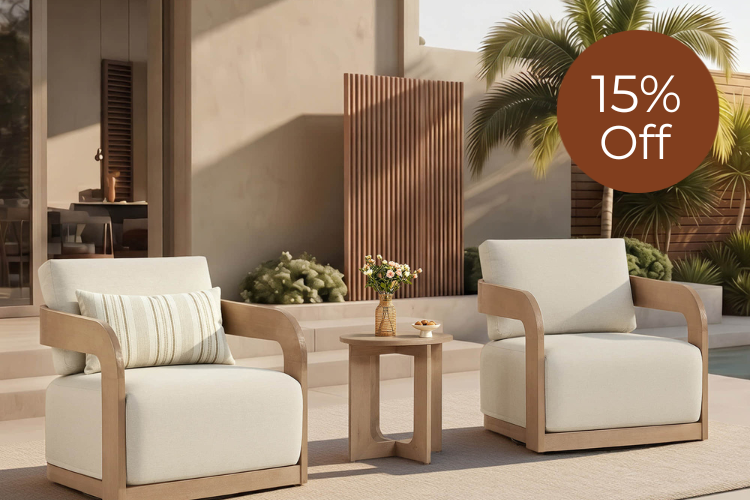
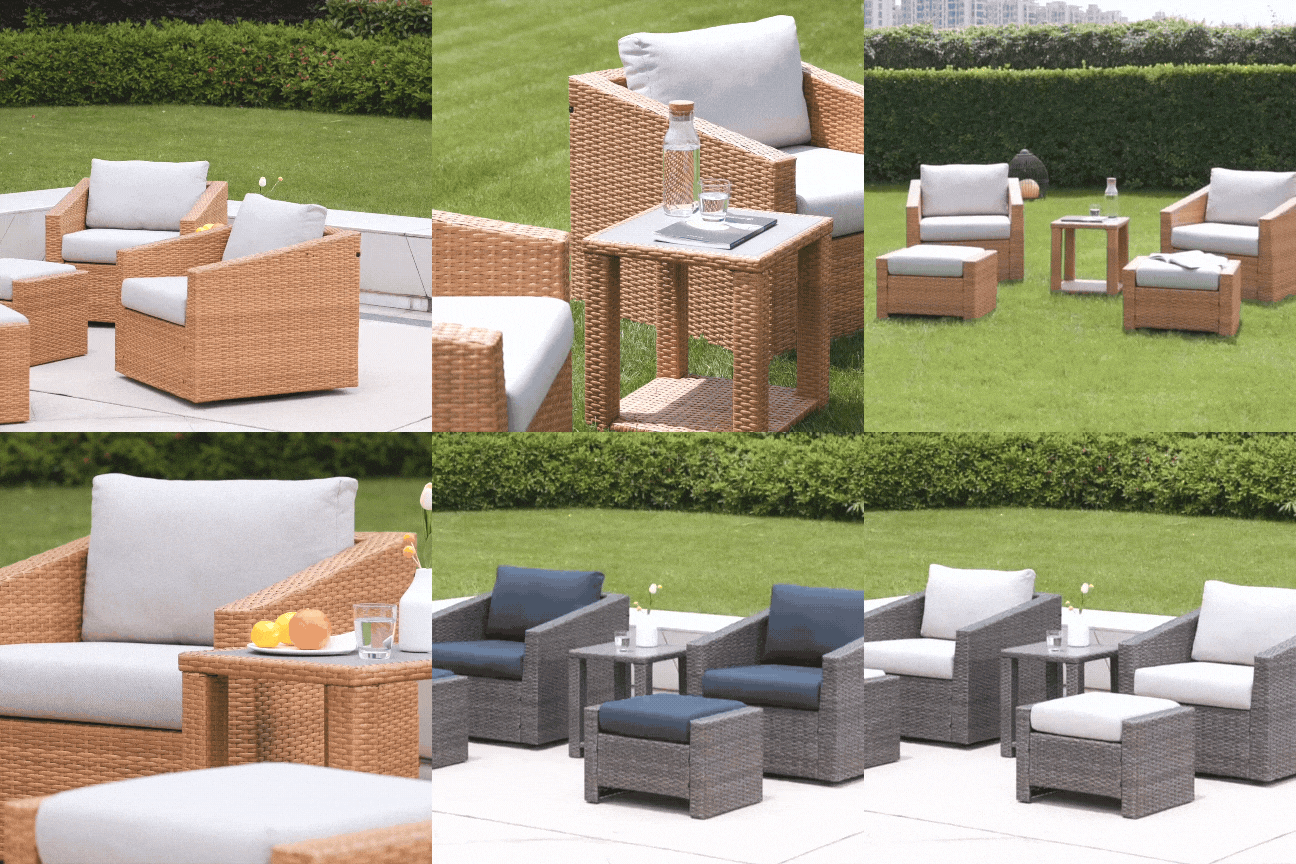
For a quick shopping shorthand, think of outdoor furniture fabric as the category to check when you want easier upkeep, and use outdoor-specific construction details to confirm whether it fits sun, rain, and storage habits. If you are already browsing seating, outdoor furniture is the better starting point than guessing from fabric labels alone.
Final Takeaway
The simplest way to choose weather-resistant outdoor fabric is to match the material to your strongest risk, not your favorite showroom sample. Use acrylic when sun is the main issue, olefin when moisture and drying matter most, polyester for more protected spaces, and vinyl-coated fabric when wipe-clean practicality is the priority. Then check the weave, finish, and care needs before you buy. If you want a better long-term result, buy for your climate and your habits, not just for the label.

FAQs
What Is the Best Fabric for Outdoor Furniture in Full Sun?
Solution-dyed acrylic is often the first fabric to check in full sun because it is commonly favored for fade resistance. Still, the final choice should also account for weave, backing, and how much direct exposure the furniture gets.
Can Outdoor Fabric Be Water-Repellent Without Being Waterproof?
Yes. Water-repellent fabric may shed light moisture or help water bead on the surface, while waterproof fabric is built to block water more aggressively. For many cushions and seating areas, water-repellent plus good drying habits is the more comfortable balance.
How Often Should Outdoor Fabric Be Cleaned?
There is no fixed schedule. Clean it when you see pollen, spills, bird droppings, or visible dirt, and check the care label first. In busy outdoor spaces, light cleaning more often usually works better than waiting for a deep clean.
What Fabric Works Best for Humid or Rainy Weather?
Olefin is often a practical option because it is valued for moisture handling, quicker drying, and mildew resistance. That said, airflow, storage, and regular drying still matter, especially for uncovered furniture.
Can You Use Indoor Upholstery Fabric Outside With a Cover?
Sometimes a cover can reduce exposure, but that does not make indoor fabric a true outdoor fabric. Sun, moisture, and airflow are different outdoors, so indoor upholstery can still fail sooner than expected even if it is protected part of the time.