

























Deep Seat vs Standard Seat Sofas: Finding the Right Depth for Lounging vs Upright Back Support

Choosing between deep seat and standard seat couches comes down to how you actually sit, not which style looks roomier in photos. If you read, work, or hold conversations upright, start with a standard or shallow seat: it lets your back rest against the cushion while your feet stay flat on the floor. If stretching out and lounging matter more, a deep seat can work, but only if you can still rest your full back against the cushion without your knees pressing into the front edge. Your body proportions and how your spine meets the seat back decide the right depth, not one universal industry number. Test both categories against your own sitting habits before you commit to either one.

Deep Seat vs. Standard Seat: Which Is Better for Your Sitting Style?
Match the seat type to your household's dominant use, then confirm your own body actually fits it. A shallow seat backs up everyday upright sitting, while a deep seat backs up sink-in lounging, but only after it passes a simple fit check.

| Option | What It Changes | Best First Test | Test Carefully When |
|---|---|---|---|
| Standard or shallow seat | Less front-to-back room, so your back reaches the cushion easily | Sit fully back and check that your feet rest flat and your knees clear the front edge | You have long legs and feel cramped, or your knees ride up toward your chest |
| Deep seat | More front-to-back room for stretching out or curling up | Sit fully back and confirm your knees still clear the front edge without pressure behind them | You are shorter or shorter-legged and end up perching forward or slouching to reach the back cushion |
Either option can fail if it forces you away from the back support or leaves your feet dangling. Treat "deep" and "standard" as starting labels, not a verdict on comfort.
Why Seat Depth Changes Upright Support
Seat depth is the distance between your lower back and the front edge of the cushion, and that distance decides whether your thighs, knees, and feet stay supported. When it fits, you can lean back fully; when it doesn't, you either slouch forward or feel pressure behind your knees.
Usable Seat Depth vs. Overall Sofa Depth
Overall depth and listed seat depth are separate product fields, and sellers may measure them differently. Look for a separate seat-depth measurement, since general seating guidance calls for a seat that supports most of the thigh without knee contact at the front edge while still letting a shorter user rest fully against the back support. If the listing does not explain how the measurement was taken, ask the seller before comparing it with your seated fit.
How a Depth Mismatch Shows Up
Too much usable depth pulls you away from the back cushion as you try to keep your feet on the floor, which often shows up as slouching or sitting on the front third of the seat. Too little usable depth may leave less of your thigh supported, while too much usable depth can press the cushion edge into the back of your knees. Neither problem is about willpower. Authoritative sitting guidance describes a neutral or slightly reclined seated position that keeps the back, thighs, and feet supported together, and it also notes that changing position from time to time matters as much as any single fixed posture.
How to Measure the Seat Depth You Actually Need
Sit in the posture you actually want the sofa to support, then measure from there instead of guessing from a tape measure alone. Follow these steps on any sofa you are considering, in a showroom or at home.
- Pick the posture that matters most for this room: upright reading and conversation, or reclined lounging.
- Sit fully back so your lower back touches the support, and keep your feet flat or comfortably supported.
- Notice where the front edge of the seat lands on your leg. It should sit just behind your knee, not underneath it. This lines up with checklist items that confirm thigh support, lumbar access, and clear knees during a seated evaluation.
- Record that distance as your personal usable-depth requirement, not a general rule for every sofa you shop.
- Repeat the check for every household member who will use the sofa often, and for both upright and reclined use if the room needs both.
Save these notes next to the product page so you can compare them against the seller's listed seat depth and back-cushion details before you order.
Which Sofa Depth Fits Different Households and Rooms?
Prioritize the activity the sofa handles most often, then confirm that the primary user's fit checks pass before worrying about anyone else. Shorter and taller household members should be judged by the fit signals from the previous section, not by a height number.
If Upright Sitting Is the Priority
Start with the option that lets the primary user sit fully back, keep both feet supported, and avoid pressure behind the knees. This path fits reading nooks, home offices, and living rooms used mainly for conversation, where back support matters more than extra lounging room.
If Lounging Is the Priority
Consider a deeper seat when the user can recline or curl up without losing back, thigh, knee, or foot support. Test the actual cushion and back configuration in person when you can, because the listed number alone does not show how the cushion and back configuration will feel in use.
For Mixed-Height or Mixed-Use Households
Give the seated-fit priority to whoever sits upright most often or has the least tolerance for unsupported feet or knee pressure. Then check whether other household members can adapt through a position change or a small support accessory, like a footrest, without recreating the same problem. If no single depth lets everyone sit comfortably, that is a signal to look at a modular or mixed-seating layout rather than forcing one depth to cover incompatible needs.
What to Verify Before You Order
Confirm the exact numbers on the product page before you add a sofa to your cart, since overall depth and seat depth are different measurements that both affect fit.
Separate the Measurements That Matter
Look for overall depth and listed seat depth as two separate fields, and ask how the seller measures seat depth if it isn't clear. Also check seat height and the back-cushion configuration, because a taller back cushion or a steeper back angle changes where your lower back actually lands.
Use Product Pages as Evidence, Not as a Fit Verdict
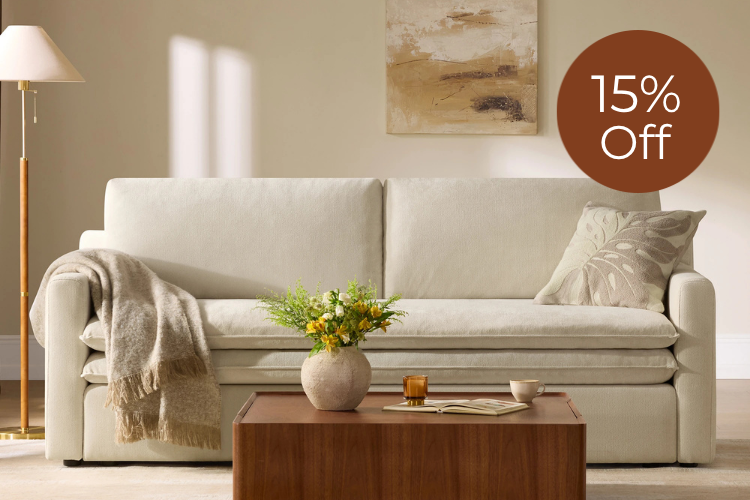
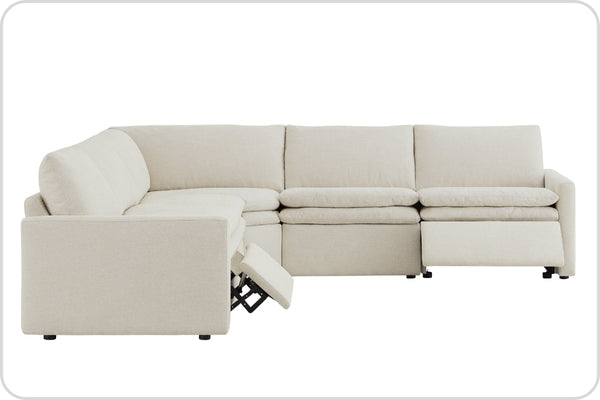
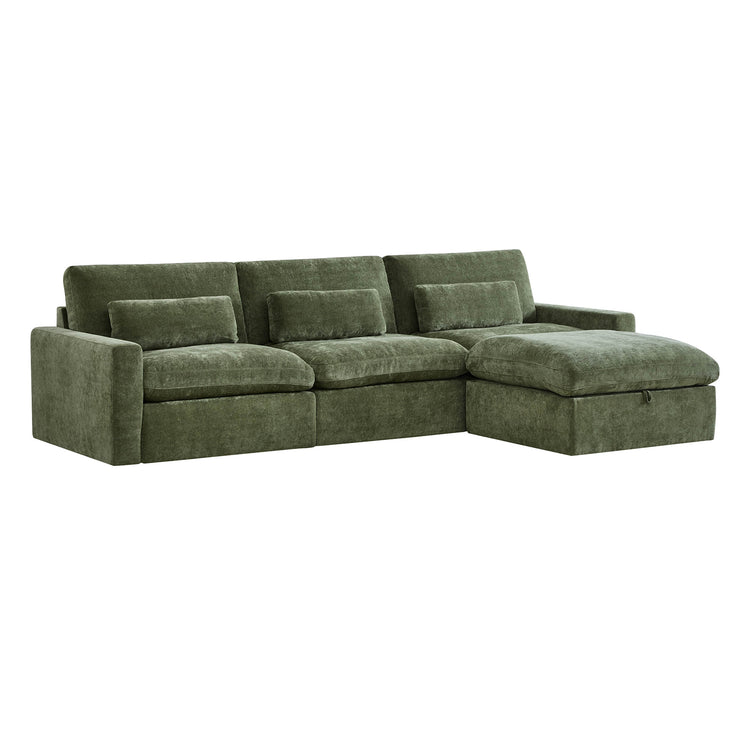
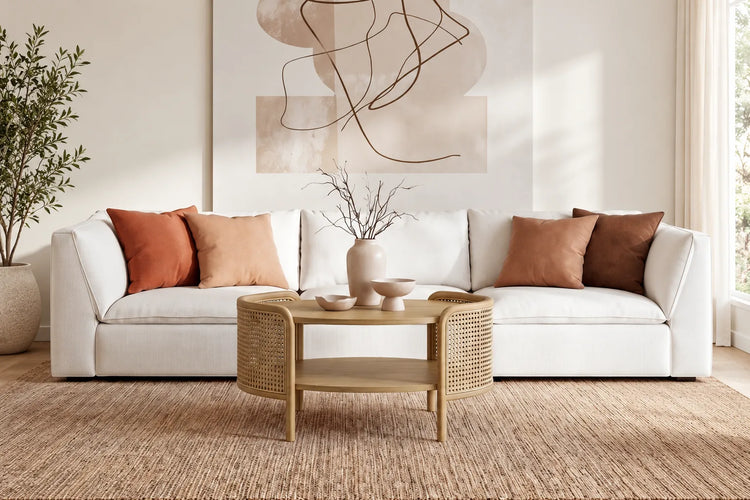
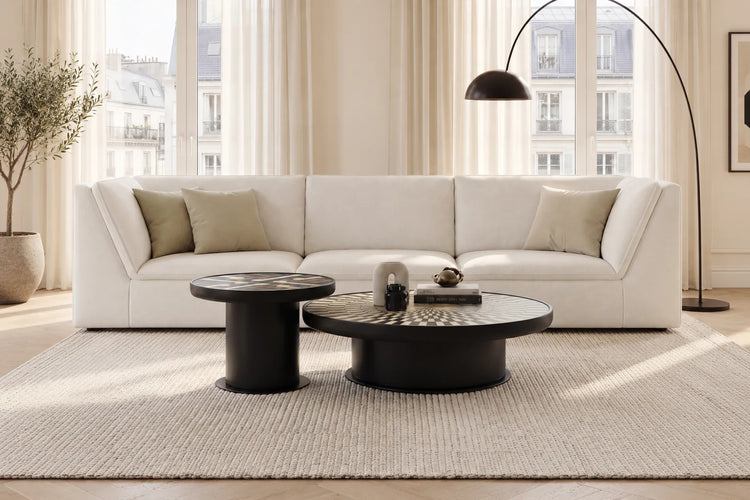
Our Maisie listing is a useful example of how these fields work: it lists a 33.9-inch overall depth alongside a separate 19.3-inch seat depth, and it is built around wide, sink-in cushions for a lounge-first feel. Those numbers describe the product; they do not classify it as universally deep, shallow, or right for your household. Use the current listing alongside your own seated-fit notes, and confirm the return window before ordering if you cannot test the cushion in person first.
FAQs
What is the standard seat depth for a sofa?
There is no single industry-standard seat depth backed by the evidence in this guide. Instead of hunting for one number, compare a listing's seat depth against the personal usable-depth measurement you recorded in the seated fit check, and treat any manufacturer label like "standard" as a starting point rather than a guarantee of fit.
How do I know if I need a deep seat sofa?
A deep seat is worth testing when lounging is your household's main use and you can still sit fully back with supported thighs, clear knees, and supported feet. If a shorter user in the household ends up perched on the front edge or slouching to reach the back cushion, that is a sign the depth is too much for them, regardless of how it feels for taller users.
Does seat depth affect back pain?
Seat depth can affect your sitting posture and comfort habits, but it is not a diagnosis or treatment for back pain. General sitting guidance supports neutral, well-supported sitting and regular position changes, but persistent back discomfort should not be treated as proof that one sofa depth is medically correct. Talk with a qualified professional if pain continues regardless of the furniture you use.
What should I check on a sofa listing besides seat depth?
Verify the overall sofa depth separately from the listed seat depth, then check seat height, back-cushion thickness or firmness, and the return policy. Together, those details tell you more about actual fit than the seat-depth number alone.
Sources
- Occupational Safety and Health Administration (2024). Workstation Components - Chairs.
- Occupational Safety and Health Administration (2024). Computer Workstations eTool: Checklists - Evaluation.
- Canadian Centre for Occupational Health and Safety (2024). Working in a Sitting Position: Basic Requirements.
Recommended Products


More to Read
 7 Sofa Trends That Actually Improve Comfort in 2026
Upgrade your living room with furniture that supports your body. Here are 7 modern sofa features designed to maximize your daily comfort...
7 Sofa Trends That Actually Improve Comfort in 2026
Upgrade your living room with furniture that supports your body. Here are 7 modern sofa features designed to maximize your daily comfort...
 Mother's Day Gift Guide: Cozy and Stylish Furniture Picks for Modern Moms
Make Mother's Day more meaningful with furniture gifts that bring comfort, smart features, storage, and quiet luxury into her everyday routine.
Mother's Day Gift Guide: Cozy and Stylish Furniture Picks for Modern Moms
Make Mother's Day more meaningful with furniture gifts that bring comfort, smart features, storage, and quiet luxury into her everyday routine.
 Performance Fabric Reality Check: Does It Really Repel Pet Hair and Stains?
Performance fabric is often marketed as a miracle solution for homes with pets and kids, but the reality is more nuanced. It...
Performance Fabric Reality Check: Does It Really Repel Pet Hair and Stains?
Performance fabric is often marketed as a miracle solution for homes with pets and kids, but the reality is more nuanced. It...