



























How to Use Fabric Swatches Before Buying a Sofa Online

Buying a sofa online gets easier when you treat fabric swatches for sofa shopping as your first filter, not a final promise. Swatches can help you spot color regret before it starts, but they do not guarantee a perfect match or eliminate returns. The smartest move is to check the sample in your own room, then use it to narrow the field before you commit.

Why Swatches Beat Product Photos
Product photos are useful, but they are still a controlled presentation. A swatch lets you judge the fabric in the room where the sofa will actually live, so you can see color, texture, and finish under your own lighting. That matters because photos can shift with studio setup, editing, and screen calibration.
For a quick authority check, the Energy Department's color-rendition guidance shows that color appearance changes with lighting conditions, which is exactly why a physical sample is more reliable than a screen image alone.
A good rule of thumb: if a fabric already looks uncertain on your phone, it will usually be even harder to trust once it arrives on a full-size sofa. Use the swatch early, before you get attached to a look that may not survive real room light.
Test Swatches in Your Home Light
The first real test is not touch, it is light. Lay the swatch near a window in daylight, then check it again after dark under the lamps and overhead lights you actually use. This is where beige, gray, taupe, and cream fabrics often surprise shoppers.
Daylight Near Windows
Daylight is the easiest way to see undertones without the extra color cast from bulbs. Hold the sample against your wall, flooring, or rug near a window and look at it from a few angles. If it already clashes in daylight, that is a warning sign.
Evening Lamp Light
Check the same swatch after sunset under the room lights you use most often. Warm lamps can make some fabrics feel softer or richer, while cooler bulbs can make the same color read flatter or harsher. If the sample only looks right in one lighting condition, it is probably not the best everyday choice.
Warm vs. Cool Bulbs
This is where many buyers make the mistake of judging the sample once and moving on. Warm bulbs can deepen neutral fabrics, while cooler bulbs can pull out gray or blue notes. If your living room uses a mix of light sources, test the swatch in each one before you decide.
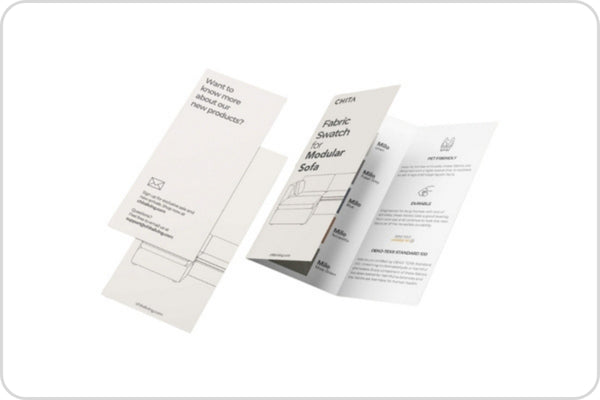
If you are comparing a specific sofa line, a sample kit like Ivy Sofa Swatches can be a useful navigation point, but the key is still how the fabric behaves in your home, not the product name itself.

Compare Texture, Feel, and Drape
Once the color is close, move to texture and drape. These are the details that decide whether a sofa feels tailored, relaxed, smooth, or slightly textured once it is in the room. A swatch will not fully replicate full-scale upholstery, but it can still tell you a lot about how the fabric feels in daily use.
Run your hand across the sample first. Notice whether it feels soft, slick, grippy, or nubby. Then fold it over itself to see whether it holds shape or collapses more loosely. That small step can hint at how structured or relaxed the finished sofa may look.
For a plain-language check, think of drape as how the fabric falls and bends. A stiffer sample often reads more tailored, while a softer or looser one usually feels more casual. If two colors are close, the one with the better hand feel often wins in real life.
Check Spills, Pets, and Daily Wear
This is the section where swatches can help, but only within limits. A small sample can show whether a fabric tends to bead or absorb quickly, whether it grabs lint, and whether it seems more likely to attract pet hair. It cannot prove long-term durability on its own.
For a standards-based reference point, ASTM D3597 covers woven upholstery fabric performance, including colorfastness-related requirements, and ACT's voluntary performance guidelines set common expectations for abrasion, crocking, and colorfastness. Those specs matter more than any at-home spot check if you need a real durability decision.
A simple home test can still be useful as a planning guideline:
- Put a tiny water drop on the swatch and blot it promptly to see how quickly it absorbs.
- Rub it lightly with a clean dark cloth to see whether it sheds visible fibers.
- Hold it near pet hair or a pet bed to notice whether fuzz and static cling are likely.
The boundary is important: these checks are indicative only. They help you compare samples, but they do not replace formal fabric specifications or tell you exactly how a full sofa will wear over time.
If pets are part of the decision, the broader choice between material types can help you frame the shortlist. Performance Fabric vs Leather: Which Recliner Material is Right for You? can help you think through the trade-off before you settle on a sample.
For households thinking about leather-like options, browse Leather Sofas as a navigation path, but verify texture and maintenance expectations before assuming any material is the easier fit.
Match the Sofa to Your Room
A swatch is most helpful when it is compared against the things already in the room. Put it next to your walls, floors, rug, pillows, and nearby wood or metal finishes. That is how you find out whether the new sofa blends in, creates a clean contrast, or fights with the rest of the palette.
| What To Check | Where To Check It | What A Good Match Usually Looks Like |
|---|---|---|
| Wall color | Hold the swatch beside the main wall | The fabric should feel intentional, not slightly off |
| Flooring | Place it on wood, tile, or carpet | The color should not disappear or look overly harsh |
| Rug | Set the swatch on top of the rug | The two should either harmonize or create a clear contrast |
| Trim and paint | Check near baseboards and molding | Whites and neutrals should not clash in undertone |
| Accent pillows | Compare beside existing soft goods | The mix should feel layered, not accidental |
| Wood tones | Hold it against side tables or frames | Warm and cool tones should work together |
Take a photo of the swatch in the room as well. That helps other people in the household compare options later without relying on memory, and it makes it easier to revisit the shortlist after a night of thinking about it.
If you are choosing from CHITA sample sets, Lauren Sofa Swatches and Josie Sofa Swatches are useful product pages to check when you are matching a specific sofa line to the room. Because those sample kits are tied to their own models, the main question is whether the fabric family fits your space before you order.
The broader sofa-selection process also matters here. If you are still balancing size, style, and daily use, How to Choose a Sofa for Your Living Room can help you step back from color alone and check the whole room fit.
Make the Final Swatch Decision
Use the final choice to solve the everyday problem, not the trendiest one. Rank the finalists by color accuracy, texture preference, pet-friendliness, and room fit. Then look at them again the next day in both daylight and evening light.
- Shortlist only the colors that still feel believable in your room.
- Recheck them in daylight and after dark.
- Compare texture and drape side by side.
- Keep the option that works best for your real life, not just for a photo.
- If the choice is still close, pick the safer everyday fabric instead of the flashier one.
A swatch that looks good only in one setting is a warning, not a win. For most buyers, the best choice is the sample that stays readable across the full day and does not create second thoughts when you imagine living with it for years.
If you want a deeper durability lens, Decoding Upholstery Standards: The 2026 Guide to Performance Fabric Durability is the right next read for understanding what fabric specs can and cannot tell you.
Sofa Swatch Test Order at Home
Use this sequence to stay systematic:
- Start with daylight by a window.
- Move to evening lamp and overhead light.
- Confirm color fit is clear.
- Check texture and drape.
- Run spill and rub checks last.
- Make the final decision.
These steps keep the focus on real-room conditions rather than isolated impressions.
Swatches Only Work If You Use Them Well
The best fabric swatches for sofa shopping are the ones you test in your own room, under your own lights, and against your actual furniture. If the sample clears color, texture, and basic wear checks, you can move forward with more confidence. If it does not, keep looking. That small delay is usually cheaper than living with the wrong sofa.
Related Resources
Recommended Products


More to Read
 7 Sofa Trends That Actually Improve Comfort in 2026
Upgrade your living room with furniture that supports your body. Here are 7 modern sofa features designed to maximize your daily comfort...
7 Sofa Trends That Actually Improve Comfort in 2026
Upgrade your living room with furniture that supports your body. Here are 7 modern sofa features designed to maximize your daily comfort...
 Mother's Day Gift Guide: Cozy and Stylish Furniture Picks for Modern Moms
Make Mother's Day more meaningful with furniture gifts that bring comfort, smart features, storage, and quiet luxury into her everyday routine.
Mother's Day Gift Guide: Cozy and Stylish Furniture Picks for Modern Moms
Make Mother's Day more meaningful with furniture gifts that bring comfort, smart features, storage, and quiet luxury into her everyday routine.
 Performance Fabric Reality Check: Does It Really Repel Pet Hair and Stains?
Performance fabric is often marketed as a miracle solution for homes with pets and kids, but the reality is more nuanced. It...
Performance Fabric Reality Check: Does It Really Repel Pet Hair and Stains?
Performance fabric is often marketed as a miracle solution for homes with pets and kids, but the reality is more nuanced. It...