









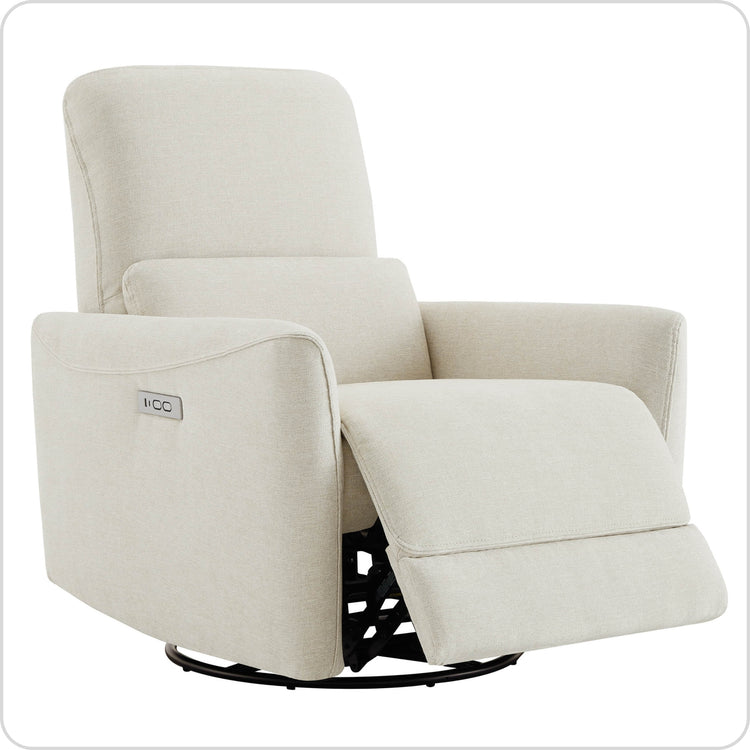
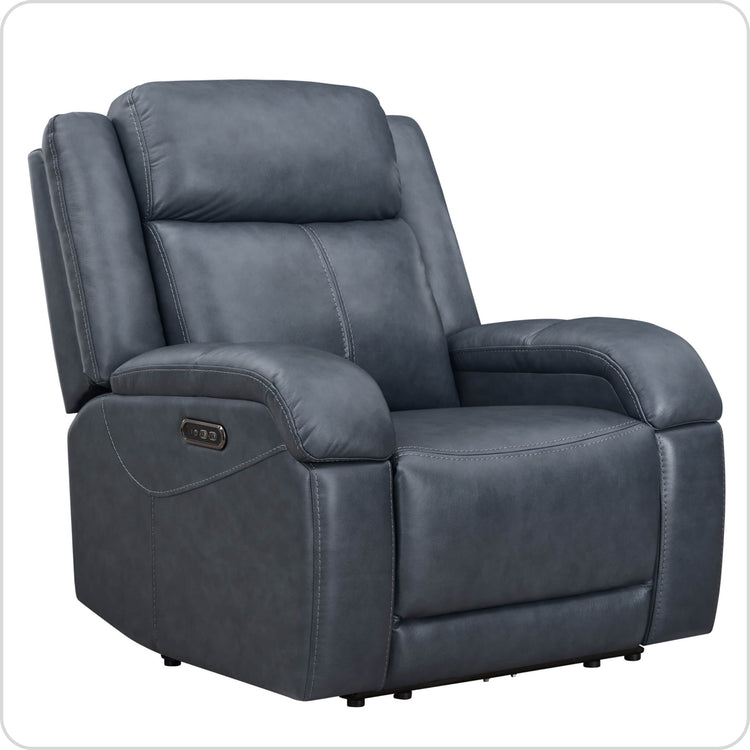
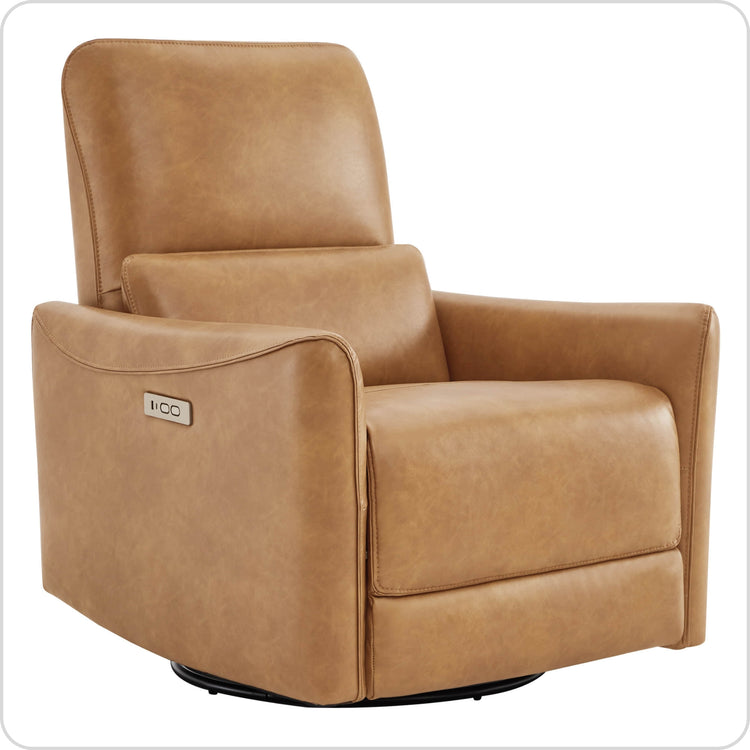


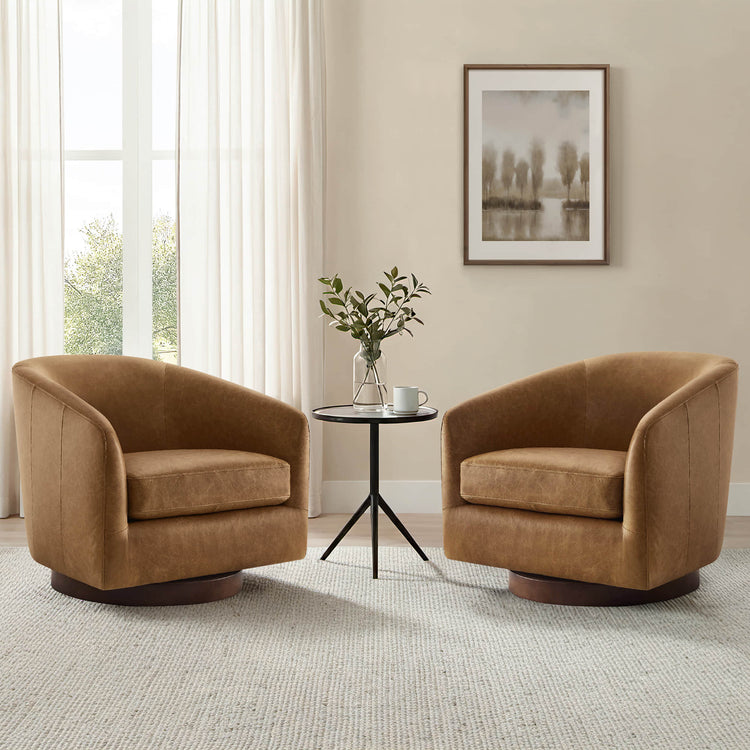



















Do Leather Recliners Get Hot and Sticky in Summer? Breathability and Material Realities

A leather couch or leather recliner can feel warm during summer, but it is not automatically hot and sticky. Two separate things are going on: breathability, which is about how well moisture moves through the material, and surface temperature, which depends on sunlight, room conditions, and how the chair is used. A recliner sitting in direct afternoon sun will heat up no matter what covers it. A sticky, tacky touch feel is a different problem, and it usually points to a sealed finish or a synthetic surface that softens under heat. Humidity can instead make skin feel damp or clammy against upholstery.

Before changing materials or buying a cleaner, it helps to separate three questions: Is the surface just warm, does skin feel damp or clammy against it, or does the material itself feel tacky like plastic? Each has a different fix, and none of them require guessing.
Do Leather Recliners Get Hot and Sticky in Summer?
The direct answer is no, not automatically. Genuine leather is not immune to heat, and neither is faux leather immune to feeling clammy. What changes the outcome is a combination of sun exposure, room temperature, humidity, airflow, and the specific upholstery construction and finish on the piece you own.

Surface heat and sticky touch are not the same failure. A recliner near a window can get hot from the sun regardless of what covers it. Humidity mostly affects how damp skin feels against any surface, breathable or not. A true tacky, plastic-like stickiness has a narrower cause: some untreated PU or PVC synthetic leather can soften and turn sticky at high temperatures because the plastic coating itself softens under heat, according to research covered by Ohio State University. That finding describes a tested material coating, not a guarantee about how any specific couch or recliner will behave in an ordinary living room.
The table below is a quick troubleshooting matrix for narrowing down what you are actually dealing with before you treat it as a material defect.
| What you notice | What it likely indicates | First reversible check |
|---|---|---|
| Chair is warm only in the afternoon | Sun or nearby heat source, not the material | Move it or add shade for a few days |
| Skin feels damp, not tacky | Humidity and limited airflow in the room | Improve ventilation or run a dehumidifier or AC |
| Surface feels plastic-tacky when hot | Possible untreated PU or PVC surface | Check the upholstery spec and finish documentation |
| Stickiness persists after cooling the room | Finish or construction issue | Consult manufacturer care instructions |
Treat this as a practical starting point, not a lab result. Once you know which category fits, the rest of this guide gives you the next step.
Genuine Leather vs. Synthetic/Faux Leather: What the Evidence Supports
Genuine leather is generally the better-supported starting point for moisture-vapor movement, but that advantage depends on verified construction, not just the word "leather" on a tag. Engineered PU can narrow that gap, but neither material comparison guarantees a cool feel by itself.
Breathability Is About Water-Vapor Movement
Leather chemistry research notes that permeability changes with porosity, thickness, grease content, and surface finish. That is why two pieces of genuine leather can feel different against skin even though both are labeled real leather. This property affects how quickly sweat or moisture can dissipate during extended sitting. It does not mean the surface will always feel cool to the touch, since surface temperature is driven separately by sunlight and room heat.
Why Faux Leather Is Not One Uniform Material
Faux leather covers a range of constructions, and lumping them together leads to bad assumptions. Conventional PU synthetic leather generally has lower water-vapor permeability than genuine leather, but that same research on PU leather manufacturing found that modifying the PU structure, for example with added porosity, increased both water vapor and gas permeability compared with standard PU. In practice, this means a generic "faux leather" label tells you less than a documented specification. If a synthetic option lists a tested, more permeable construction, it can narrow the moisture-comfort gap with genuine leather. If it does not, treat conventional PU as the more likely lower-permeability option.
| Comfort factor | Genuine leather | Synthetic/faux leather | Buying implication |
|---|---|---|---|
| Material structure | Collagen-fiber hide, varies by grade and processing | Fabric or backing coated with PU or PVC plastic | Ask what specific construction is used, not just the category name |
| Moisture-vapor movement | Generally higher, but depends on hide and finish | Conventional PU is generally lower; engineered PU can be higher | Prioritize documented permeability over the word "leather" or "faux" alone |
| Surface-temperature caveat | Not immune to heat from sun or a warm room | Can soften and feel sticky if untreated and very hot | Placement and room conditions matter for both materials |
| Finish dependence | Sealed or heavily treated finishes reduce breathability | Coating type changes texture and heat response | Check the finish, not only the base material |
| Care considerations | Needs finish-appropriate cleaners | Often more tolerant of mild cleaners, but varies | Confirm care instructions before buying or cleaning |
Room Conditions and Placement Can Change Summer Comfort
Environmental changes usually solve summer discomfort faster than changing the upholstery. Start with sunlight and heat sources, then adjust room conditioning, and only after that consider whether the material itself is the issue.
Test Sunlight and Heat Sources First
Check whether the recliner sits in direct sun for part of the day or near a heat source like a vent, radiator, or sunny window. Moving the chair a few feet, closing a curtain, or adding a shade for a week is a reversible test. If the warmth disappears once the chair is out of direct sun, the material was never the real problem. Leather and faux leather both absorb radiant heat, so relocation helps regardless of what covers the seat.
Then Improve Room Conditioning and Airflow
If the chair is already shaded and still feels warm or sticky, look at the room itself. Running air conditioning, opening a window for cross-breeze, or using a fan or dehumidifier during humid stretches can reduce the damp, clammy feeling that humidity causes on any upholstery. There is no single ideal temperature or humidity setting that works for every home, so treat this as an adjustment you tune to your own space. Sit in the chair again after a day or two of the new setting before concluding anything about the material. If a tacky, plastic-like stickiness remains after these changes, that points toward the finish or construction rather than the room, and it is worth checking the care documentation next.
Summer Care and Maintenance Without Guesswork
Care should match the specific leather category and finish on your piece, not a generic summer routine. The safest first step is always a small test in a hidden spot before treating the whole surface.
Match Care to the Leather Finish
Leather care guidelines from furniture industry standards group upholstery leather by category and finish, because a protected, pigmented finish tolerates different products than an unfinished or aniline leather. Skip any product marketed as a "summer treatment" or cooling spray, since cleaning and conditioning address soil and finish upkeep, not surface temperature.
Use a Small Test Before Cleaning the Main Surface
Start by vacuuming or wiping away loose soil before applying anything wet. Then test any cleaner or slightly damp soft cloth on an inconspicuous area, such as the back or underside, and check for colorfastness and finish stability before continuing, following the joint industry guidance for testing and cleaning upholstery leather. If that test spot changes color or the finish looks different, stop and follow the manufacturer's specific care instructions instead of continuing with that product.
What to Verify Before Buying a Leather Recliner
The buying takeaway is straightforward: choose genuine leather when moisture-vapor movement and long skin contact matter most and you can confirm the construction, or choose a synthetic option only when its permeability or finish is documented rather than assumed. Either way, check the full upholstery spec before you check out.
Verify the Contact Surfaces and Mixed Materials
Many recliners billed as "leather" use genuine leather only on the seat, back, and armrests, with PU or another material on the outer sides and back where hands and skin rarely touch. That distinction matters less for looks and more for comfort claims, since a moisture-comfort advantage only applies to the surfaces actually touching skin. Reading the mixed upholstery details on a product's specification page before buying shows you exactly which materials cover which panels, rather than relying on the product name alone.
Match the Specification to the Room
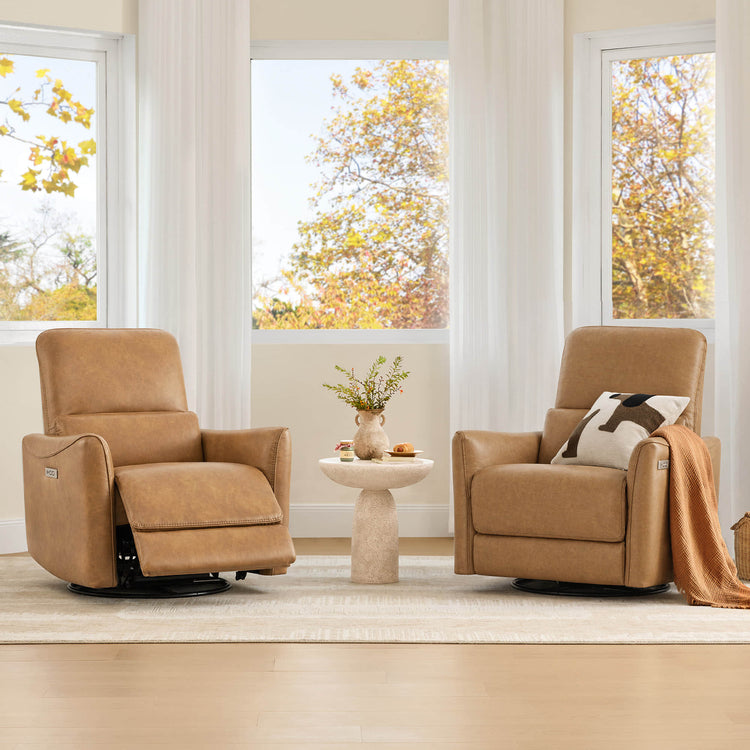
If the recliner is going in a humid room or will see long sitting sessions, prioritize documented moisture-comfort or permeability information over marketing language. If it is going near a sunny window, prioritize placement flexibility, shade options, and a lighter color or finish over material alone, since sun exposure affects both genuine and synthetic leather. When a listing does not include test information, do not assume the piece will stay cool. Once you have confirmed the construction fits your room, you can browse our leather recliner lineup for options that list their upholstery materials clearly.
In short, genuine leather is the stronger starting point when moisture-vapor movement matters, but no upholstery label guarantees a cool surface. Test shade, airflow, and room conditioning first; if discomfort persists, use documented finish and construction details to guide care or a purchase decision.
FAQs
Does leather get hot?
Yes, leather can get warm, especially in direct sun or a poorly ventilated room, but breathability does not guarantee a cool touch. Warmth from sunlight or room heat is a separate issue from moisture-related stickiness, and both genuine and synthetic leather can heat up under the same conditions.
How do I keep my leather recliner cool?
Start by checking for direct sun or a nearby heat source and relocating or shading the chair if needed. Next, improve room airflow or conditioning with a fan, AC, or dehumidifier during humid weeks. Reassess comfort after a day or two before assuming the material itself is the problem.
Is real leather better than faux leather for summer?
Genuine leather generally offers stronger water-vapor movement than conventional PU faux leather, which can help with moisture comfort during long sitting sessions. That said, real leather is not automatically cooler, and a synthetic option with documented, engineered construction can narrow that gap. The right choice depends on verified specifications rather than the material label alone.
Sources
- Journal of the American Leather Chemists Association (2009). Nano-TiO2 In-Situ Hybrid Polyurethane With Enhanced Permeability for PU Leather Manufacture.
- Ohio State University (2018). A better fake leather, inspired by plants.
- American Home Furnishings Alliance (n.d.). Joint Industries Standards and Guidelines for Upholstery Leather.
Recommended Products


More to Read
 7 Sofa Trends That Actually Improve Comfort in 2026
Upgrade your living room with furniture that supports your body. Here are 7 modern sofa features designed to maximize your daily comfort...
7 Sofa Trends That Actually Improve Comfort in 2026
Upgrade your living room with furniture that supports your body. Here are 7 modern sofa features designed to maximize your daily comfort...
 Mother's Day Gift Guide: Cozy and Stylish Furniture Picks for Modern Moms
Make Mother's Day more meaningful with furniture gifts that bring comfort, smart features, storage, and quiet luxury into her everyday routine.
Mother's Day Gift Guide: Cozy and Stylish Furniture Picks for Modern Moms
Make Mother's Day more meaningful with furniture gifts that bring comfort, smart features, storage, and quiet luxury into her everyday routine.
 Performance Fabric Reality Check: Does It Really Repel Pet Hair and Stains?
Performance fabric is often marketed as a miracle solution for homes with pets and kids, but the reality is more nuanced. It...
Performance Fabric Reality Check: Does It Really Repel Pet Hair and Stains?
Performance fabric is often marketed as a miracle solution for homes with pets and kids, but the reality is more nuanced. It...