
























Sofas: leather vs Alternatives for small living rooms

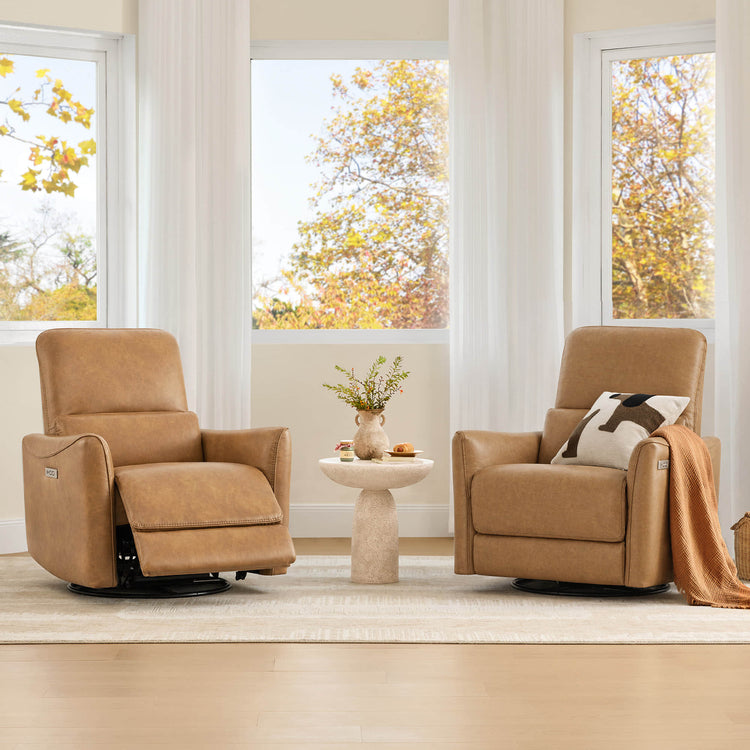
Leather sofas for small living rooms can look sharp, but the best choice depends on how much wear the sofa will take, how much cleanup you want, and how visually heavy the piece feels in the room. In a compact apartment, material matters as much as size because the sofa often has to do triple duty as seating, lounge space, and guest overflow.

Why Material Matters in Tight Spaces
For a small room, upholstery affects more than style. Smooth leather, textured fabric, and lighter or darker colors change how dominant the sofa feels against walls, floors, and nearby tables. Wirecutter's sofa buying guide treats color, texture, and profile as part of the fit decision, which is the right way to think about a compact layout.
The practical question is not just, "Do I like the look?" It is also, "Will this sofa feel visually calm or visually heavy once it is in the room?" A lower-profile sofa in a lighter tone usually feels easier to live with in a tight footprint, while a bulky silhouette can crowd the room even if the upholstery is attractive.
If you want broader placement ideas, How to Style a Small Living Room is a useful next stop for layout and zoning help.
Leather, Performance Fabric, and Other Alternatives
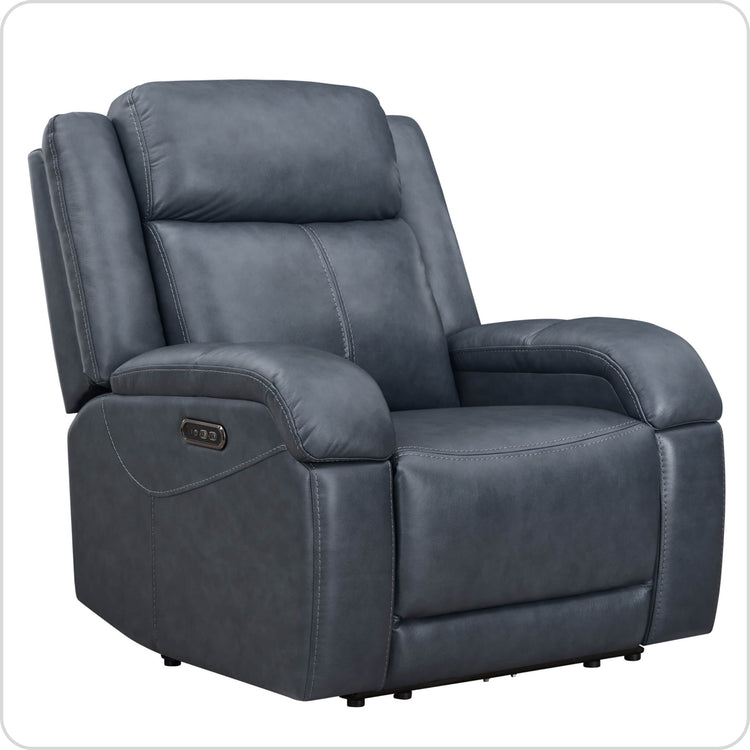
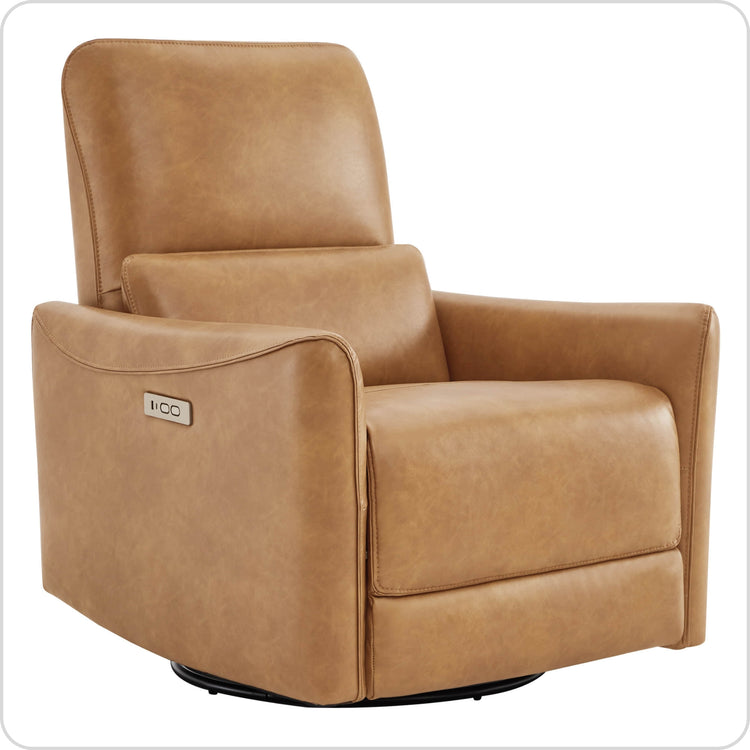
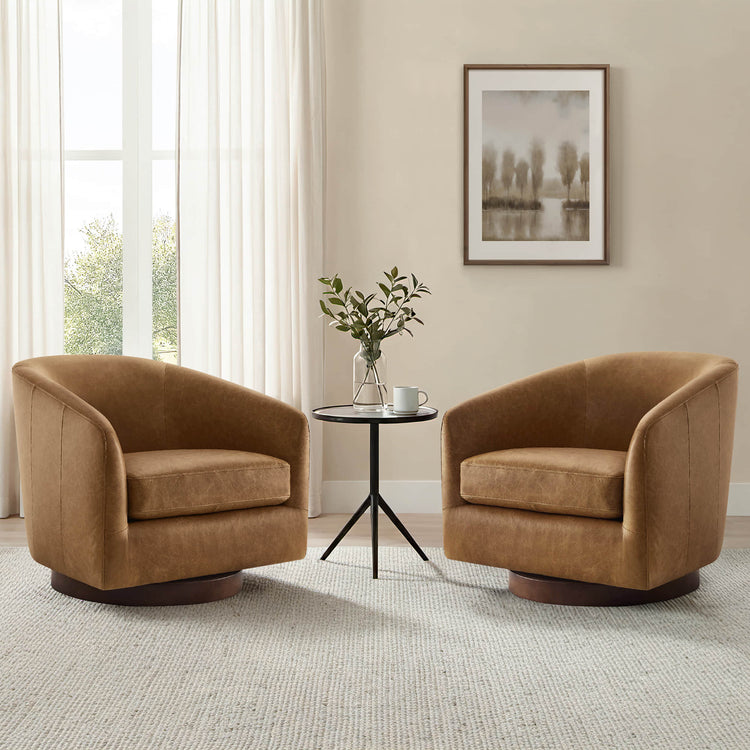
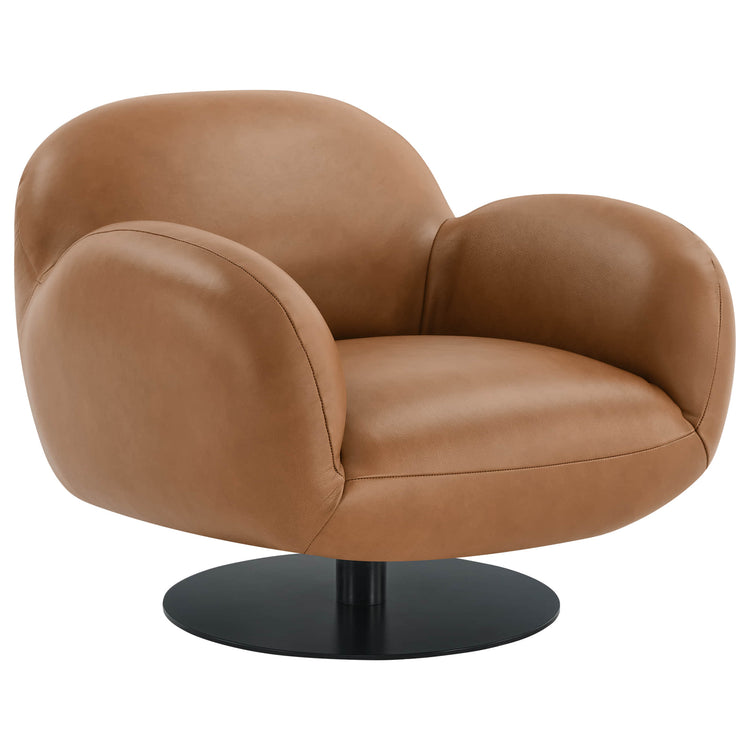
Leather brings a polished, furniture-store look that many shoppers want in a living room. It is also easy to wipe down after a spill, which makes it appealing if you dislike routine fabric care. The trade-off is that scratches, scuffs, and general wear can show more visibly in busy, close-quarter spaces, especially when people sit, shift, and brush against the same arms and corners every day. That is why leather sofas for small living rooms are often a style-first choice, not the most forgiving one.
Performance fabric is usually the safer practical pick for apartments. Performance fabrics are designed around stain resistance and everyday durability, which lines up well with small homes where the sofa sees frequent use. If you entertain often, work from the couch, or eat near the seating area, that extra forgiveness matters more than a glossy finish.
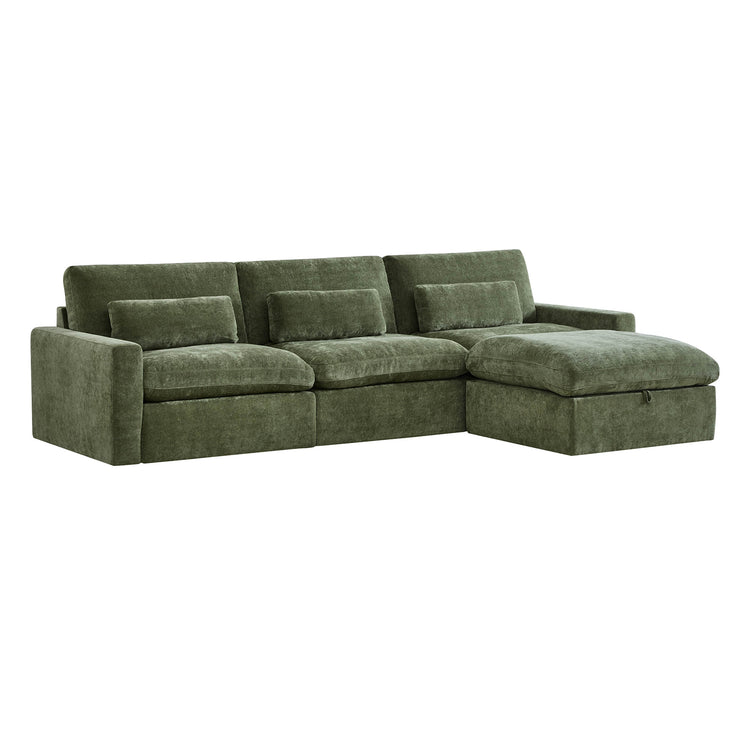
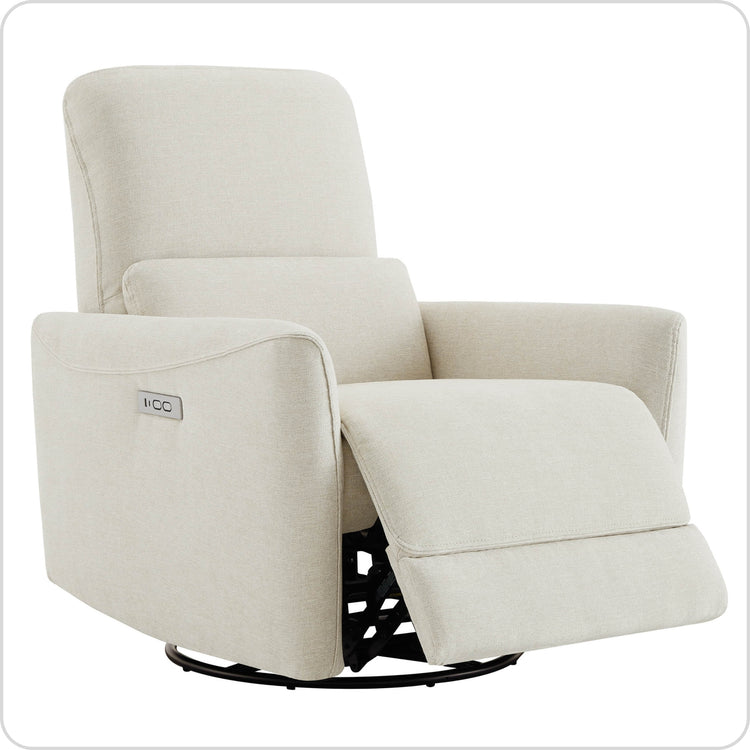
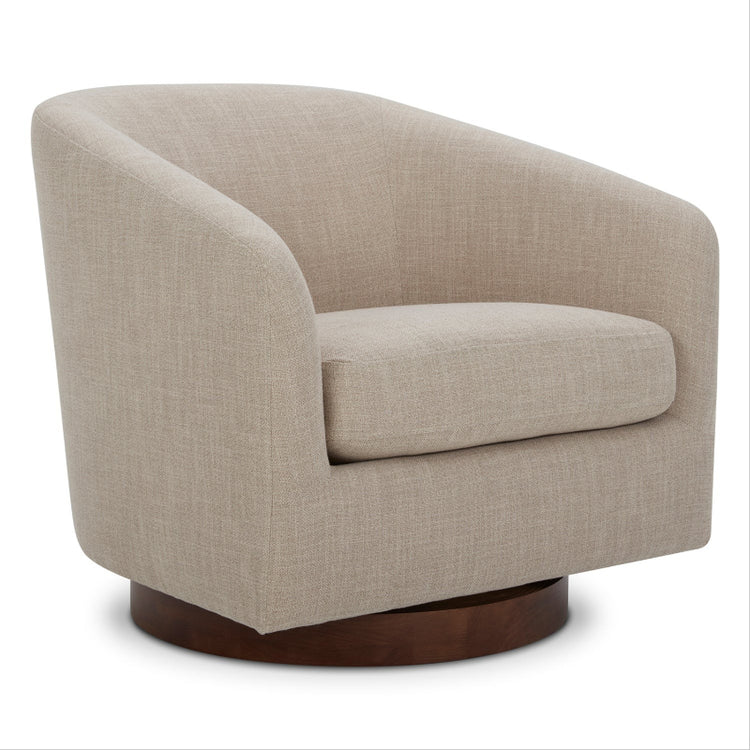
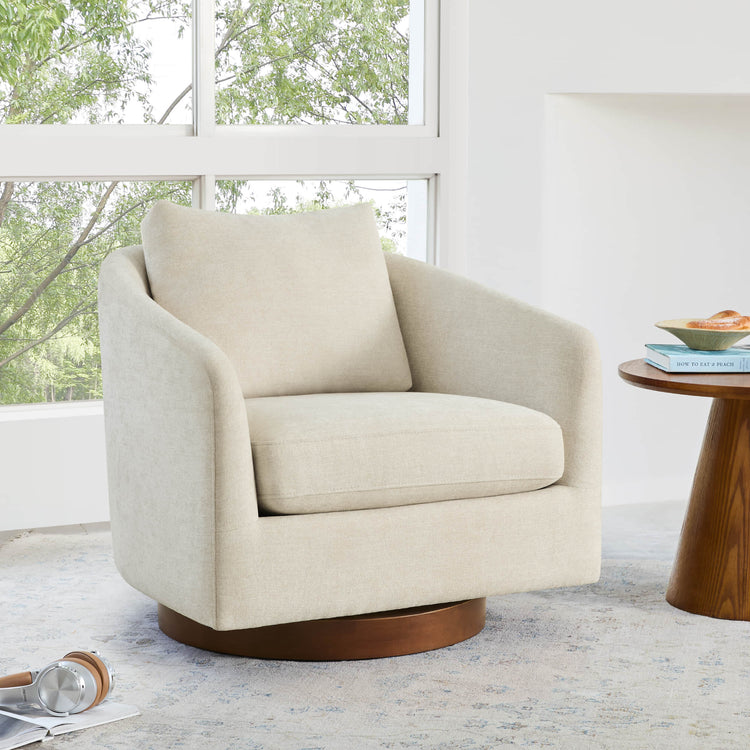
Soft woven or textured fabrics sit between those two options. They can make a room feel relaxed and inviting, but the exact result depends on weave density, color, and cushion shape. A plush fabric sofa can feel cozy, yet it may also read as visually fuller than a slim leather frame. For a small room, that means the fabric choice should always be checked alongside the silhouette.
| Material | Visual Feel | Cleanup | Wear Visibility | Best Fit |
|---|---|---|---|---|
| Leather | Clean, polished, more reflective | Easy to wipe | Scratches and scuffs may show | Buyers who want style and simple surface care |
| Performance fabric | Softer, more relaxed, usually less reflective | Usually easiest for everyday messes | Often more forgiving in busy use | Apartments, pets, guests, and frequent lounging |
| Textured woven fabric | Casual, cozy, can feel warmer | Depends on the weave and finish | Can vary a lot by construction | Shoppers who want softness and can handle more upkeep |
A useful shortcut: if your priority is low-stress maintenance, performance fabric usually wins. If your priority is a cleaner, more premium visual, leather can be the better match, but only when you are comfortable living with visible wear and a firmer feel.

Best Material Traits for Small Rooms
Visual Lightness and Profile
A sofa that looks lighter is often easier to place in a compact room. Wirecutter guidance on sofa selection emphasizes that profile matters, and in practice that means low arms, slimmer legs, and less visual bulk usually help a sofa feel less dominant. That does not mean the room becomes larger, only that the sofa is less likely to overpower it.
For leather, this effect can work especially well when the design is simple and the color is not too dark. For fabric, the same rule applies, but texture can either soften the look or make the sofa feel busier. If your room already has patterned rugs, mixed wood tones, or heavy window treatments, a simpler upholstery choice tends to stay calmer.
Cleaning Ease and Spill Management
Small rooms collect mess faster because the sofa is often close to a desk, dining nook, or entry path. Smooth leather is easy to wipe after a quick spill, which is one reason it appeals to busy urban households. Performance fabric is usually more forgiving for real-life use, though the exact result depends on the specific weave and finish rather than the category name alone.
This is where the choice often flips. If you rarely eat on the sofa and want a dressed-up feel, leather can be a smart fit. If the sofa will see snacks, pet hair, and everyday lounging, a performance fabric sofa is often the lower-friction option.
Durability for Daily Traffic
In a small room, one sofa tends to absorb more of the household's daily wear. That makes construction and material behavior more important than they might be in a larger home with separate seating areas. Leather can hold up well, but it may show use earlier at the touch points. Textured fabrics can soften that look, although they may also need more upkeep to stay fresh.
For a compact apartment, the real decision is whether you prefer visible aging that is easier to wipe or softer aging that may need more cleaning. There is no universal winner, only the better match for your habits.
Comfort in Multi-Use Rooms
A small living room usually serves as more than one zone. It may need to support movie nights, laptop work, occasional guests, and daily lounging. Leather often feels firmer and cooler at first, which some shoppers like and others find less inviting. Fabric usually feels warmer and less slippery, which can matter if the sofa doubles as your main hangout spot.
If the room is your primary place to unwind, comfort should weigh as heavily as appearance. If the room is mostly for short sits and visual polish, a cleaner-lined leather sofa may be enough.
Space-Smart Sofa Styles That Work
Loveseats for Narrow Layouts
Loveseats are often the easiest fit when you want a cleaner path through the room. They give you the look of a real sofa without demanding as much floor area, which helps in wall-adjacent apartments where circulation space is tight. If that is your layout, the category naturally narrows the fit problem before you start comparing finishes.
Modular Pieces for Flexible Zones
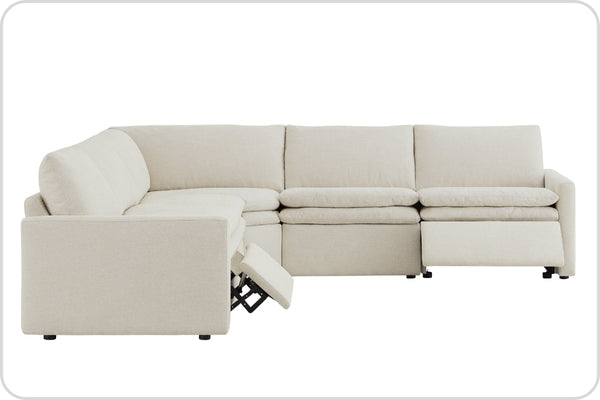
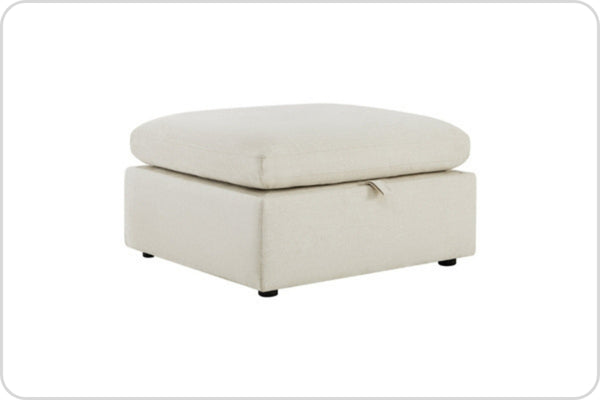
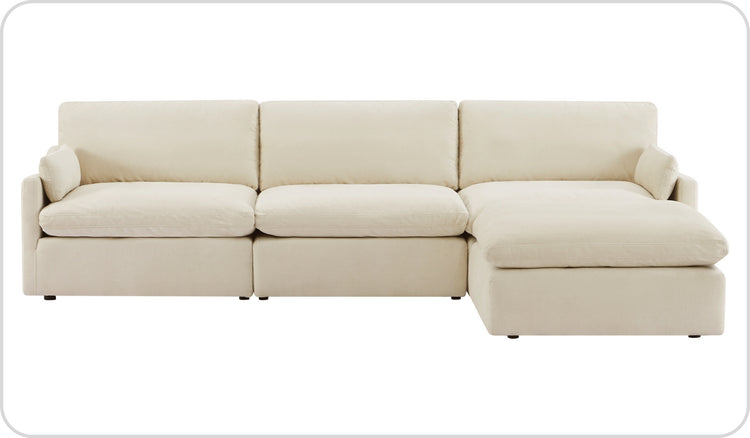
Modular seating makes sense when the room has to change roles during the day. If you sometimes host friends, sometimes work from home, and sometimes want to stretch out, a modular layout can adapt better than a fixed one. The trade-off is that modular pieces need more planning, especially around delivery paths and the final footprint.
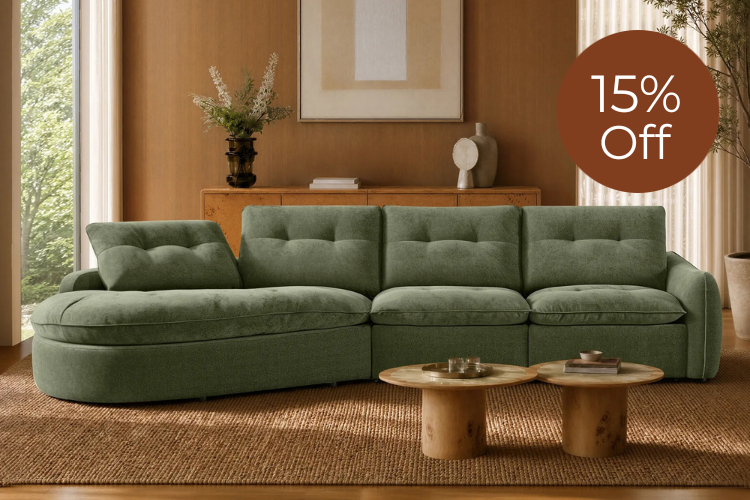
If you want a compact modular example to compare against a more traditional layout, the Delaney 2-Seat Modular Sofa is a helpful starting point for browsing. Treat it as a reference point for scale and configuration, not as a substitute for measuring your own room.
Curved or Rounded Forms for Softer Sightlines
Curved sofas can soften the hard lines of a small room, especially when the rest of the furniture is boxy. They often feel more inviting in open-plan studios because they break up straight circulation paths. The downside is that curves can consume more usable space than they first appear to, so the footprint still needs to be checked carefully.
Tight-Clearance Seating for Wall-Adjacent Rooms
When the sofa sits close to a wall or opposite a narrow walkway, the best material is only part of the decision. Shape, arm thickness, and leg height matter just as much. A lighter-looking leather or fabric sofa can still feel cramped if the dimensions are too deep for the room.
For renter-friendly layout ideas, How to Choose a Sofa for Rental Apartments is a useful companion piece because it focuses on doorway access, modular formats, and space constraints that often decide the purchase before upholstery does.
Choose the Right Sofa for Your Layout
-
Measure the room, doorways, and walkways first. Wirecutter is right to put fit ahead of finish, because the wrong footprint ruins the decision no matter how good the material looks.
-
Decide how the sofa will be used every day. If it will host pets, snacks, and long lounging sessions, performance fabric usually makes life easier. If it is mainly for sitting and styling, leather can feel more elevated.
-
Check how much maintenance you will actually tolerate. Leather is simple to wipe, but scratches can stand out. Fabric can feel softer, but it may ask for more cleaning depending on the weave.
-
Only then choose the color and texture. In a small room, a lighter and simpler finish usually keeps the sofa from feeling visually heavy. That is a useful rule of thumb, not a guarantee that the room will look bigger.
A common mistake is buying for the photo instead of the room. A sofa that looks luxurious online can still be the wrong choice if it is too deep, too dark, or too high-contrast for the rest of the space. If you want a fuller list of traps to avoid, 9 Common Sofa Buying Mistakes and How to Avoid Them is a practical follow-up.
What to Check Before You Order
Before you buy, confirm the sofa's depth, height, and overall footprint against your actual layout, not just the listing photo. In small rooms, even a few extra inches can change how easily you move around the piece.
Then ask how the material will behave in your real routine. Sunlight, pet claws, and repeated use can make one finish age faster than another. Leather may be worth it if you want a polished look and quick wipe-down care. Performance fabric may be the better call if you want a softer feel and more everyday forgiveness.
Leather or Fabric, the Smarter Fit Depends on Use
For leather sofas for small living rooms, the best choice is the one that matches your layout and your daily habits, not just your style mood. Leather works when you want a clean, polished look and can live with more visible wear. Performance fabric usually wins when cleanup, comfort, and everyday practicality matter more. Measure first, then choose the finish that fits the room you actually live in.
Related Resources
Recommended Products


More to Read
 7 Sofa Trends That Actually Improve Comfort in 2026
Upgrade your living room with furniture that supports your body. Here are 7 modern sofa features designed to maximize your daily comfort...
7 Sofa Trends That Actually Improve Comfort in 2026
Upgrade your living room with furniture that supports your body. Here are 7 modern sofa features designed to maximize your daily comfort...
 Mother's Day Gift Guide: Cozy and Stylish Furniture Picks for Modern Moms
Make Mother's Day more meaningful with furniture gifts that bring comfort, smart features, storage, and quiet luxury into her everyday routine.
Mother's Day Gift Guide: Cozy and Stylish Furniture Picks for Modern Moms
Make Mother's Day more meaningful with furniture gifts that bring comfort, smart features, storage, and quiet luxury into her everyday routine.
 Performance Fabric Reality Check: Does It Really Repel Pet Hair and Stains?
Performance fabric is often marketed as a miracle solution for homes with pets and kids, but the reality is more nuanced. It...
Performance Fabric Reality Check: Does It Really Repel Pet Hair and Stains?
Performance fabric is often marketed as a miracle solution for homes with pets and kids, but the reality is more nuanced. It...