
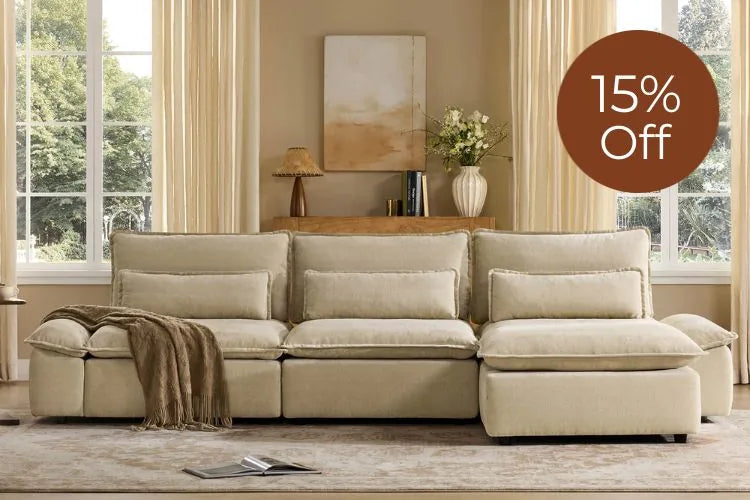













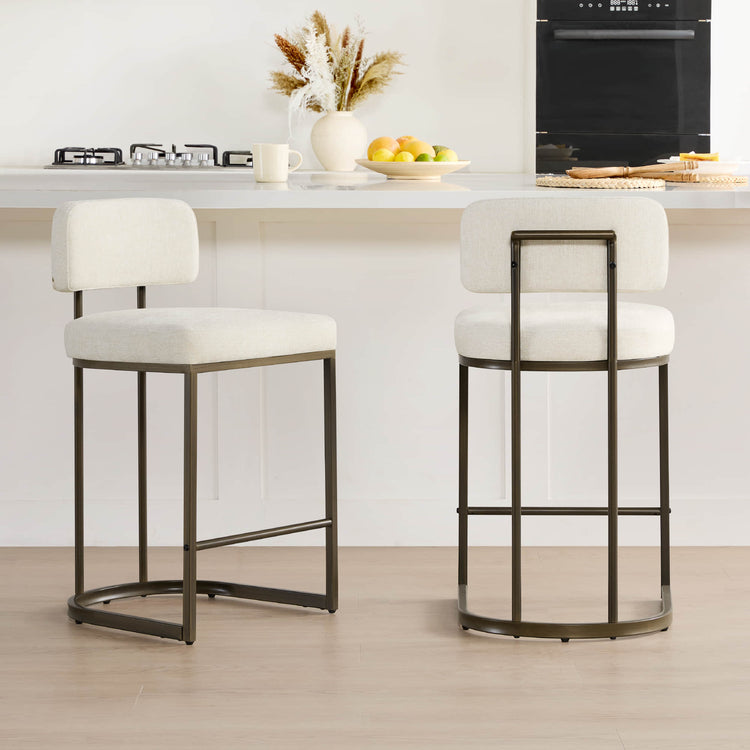


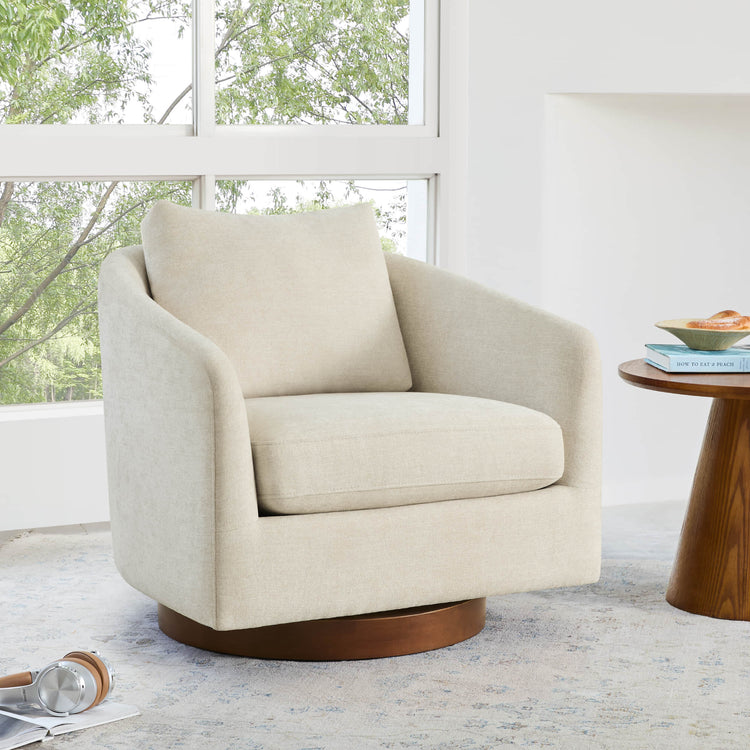
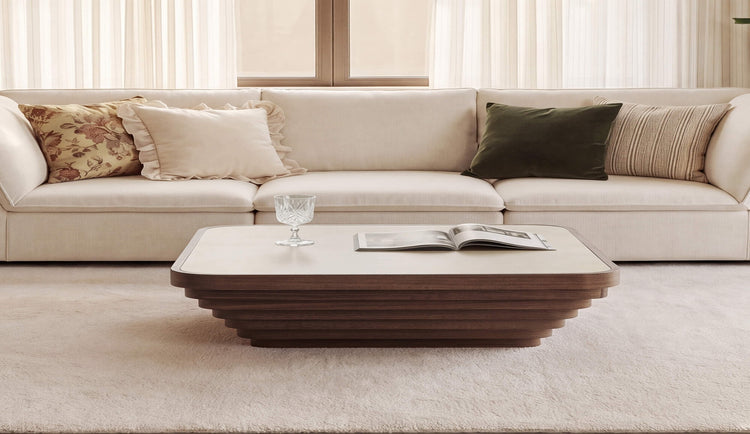










Performance fabric is often marketed as a miracle solution for homes with pets and kids, but the reality is more nuanced. It can significantly reduce the hassle of pet hair and stains compared to traditional options like linen when you choose the right weave and finish, yet no fabric is completely immune to damage from claws or deeply set-in messes. The key is understanding weave density, cleaning codes, and realistic limits so you can pick upholstery that matches your household's actual needs.

What is Performance Fabric? Separating Science from Marketing
Performance fabric refers to upholstery textiles engineered for enhanced durability and cleanability, typically through tight weaves, specialized fibers like polyester, and sometimes protective treatments. It is not simply a marketing label, though many manufacturers apply the term broadly. True performance fabrics often rely on solution-dyed yarns where color is embedded in the fiber rather than surface-applied, allowing for better resistance to fading and more aggressive cleaning without color loss, as explained in this performance fabric guide from Wirecutter.
Many performance options, including those at CHITA, carry OEKO-TEX certification. This verifies the fabric has been tested for harmful substances, making it a safer choice for households with children or sensitive individuals. However, the term does not guarantee identical performance across all products — differences in weave tightness and cleaning codes create meaningful variations in real-world results.
For pet owners, the most practical performance fabrics tend to be smooth, tight-weave polyesters rather than heavily textured styles. These characteristics directly influence how easily hair slides off versus embeds, and how readily spills can be blotted before they set.
The Pet Hair Reality Check: Weave Density Over Rub Counts
Pet hair resistance comes primarily from weave density rather than chemical coatings or high abrasion ratings. Tightly woven micro-denier polyesters prevent hair from stapling between yarns, so it can usually be wiped or vacuumed away easily. In contrast, looser weaves or textured surfaces create pockets where hair lodges and resists removal.
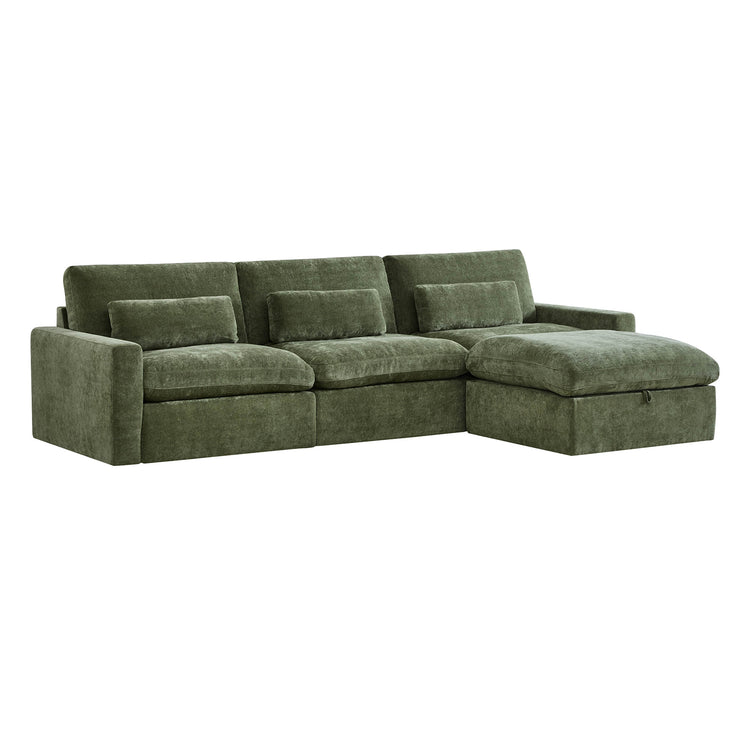
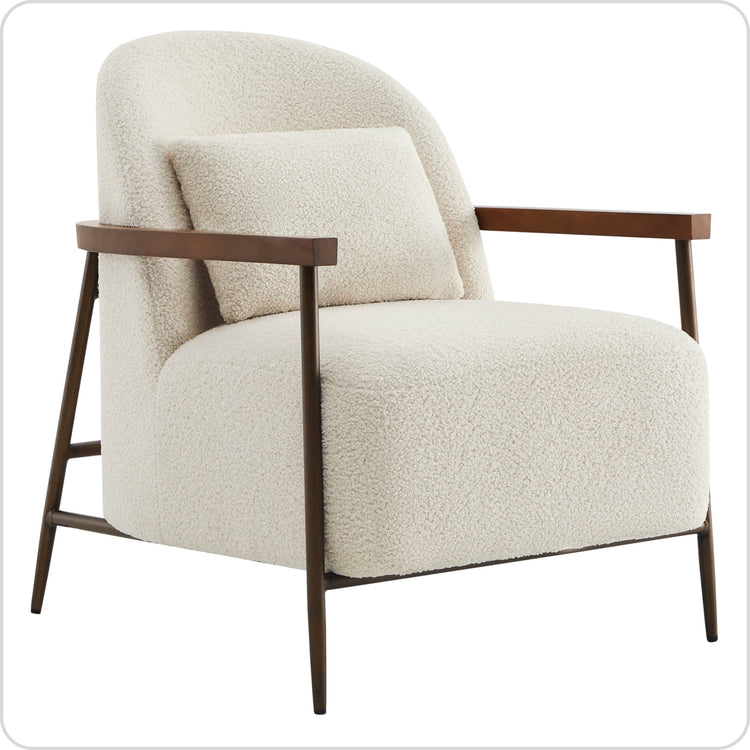
This guide to pet hair resistant fabrics highlights how smooth faces outperform trendy looped or bouclé textures. The "Velcro effect" of bouclé and chenille turns them into hair magnets, especially for heavy shedders. Even high double-rub counts, which measure surface abrasion, do not address this mechanical trapping.
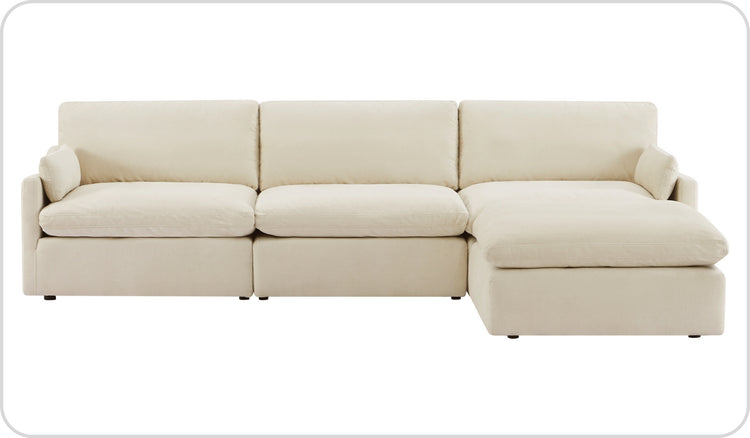
Skip textured upholstery in cat-heavy homes. Bouclé loops become targets for claws, and the valleys trap hair that regular vacuums struggle to extract. In these scenarios, flat performance polyester like the Maisie collection offers far easier daily maintenance than the style-focused Josie boucle option.
If you run your hand across a swatch and feel drag or see visible gaps between yarns, expect more hair embedding regardless of the advertised rub count. Smooth, low-pile surfaces remain the most reliable choice for minimizing cleanup time.
Stains and Spills: Why 'Beading' is Only the First 30 Seconds
Many performance fabrics cause liquids to bead on the surface thanks to applied or inherent repellency. This buys valuable seconds to blot spills before they penetrate. However, once liquid works into the weave, cleanability depends on the fiber chemistry and the fabric's cleaning code rather than the initial beading.
Cleaning codes provide the practical roadmap: Code "W" allows water-based cleaners and suits most household messes, while "S" requires solvent-based solutions. Many performance fabrics earn a versatile "WS" rating. According to industry standards from the Decorative Fabrics & Interior Furnishings Association, these labels help prevent damage during cleaning and clarify what actually works for pet and child accidents.
Solution-dyed performance fabrics further improve outcomes because the color is locked inside the fiber, reducing the risk of fading or discoloration when you scrub. Still, prompt action remains essential — waiting too long turns a manageable spill into a permanent mark on even the best fabrics.
Performance Fabric vs. Microfiber vs. Linen: The Comparison
Choosing the right material involves clear trade-offs between durability, appearance, and maintenance. Performance polyester, microfiber, linen, and textured boucle or chenille each behave differently with pets.
Pet-Friendly Upholstery Materials: Aesthetics vs. Durability
Tiered comparison for common upholstery materials using pet-owner decision criteria. Higher tiers indicate better fit for homes with pets, while breathability is shown as a comfort-oriented trait rather than a durability score.
View chart data
| Category | Performance Polyester (Maisie-like) | Microfiber | Linen | Boucle / Chenille |
|---|---|---|---|---|
| Hair Resistance | 3.0 | 3.0 | 1.0 | 2.0 |
| Stain Cleanability | 3.0 | 3.0 | 1.0 | 2.0 |
| Breathability | 2.0 | 2.0 | 3.0 | 2.0 |
| Claw Snag Risk | 3.0 | 2.0 | 1.0 | 1.0 |
Built from product guidance and upholstery care notes comparing weave texture, cleaning-code compatibility, and pet-oriented collection descriptions, then grouped into High/Medium/Low tiers for decision use.
This visualization clarifies the likely patterns across typical setups. Performance polyester and microfiber generally deliver the strongest combination of hair and stain resistance for pet homes. Linen offers excellent breathability and a premium look but performs poorly on durability. Bouclé and chenille sit in the middle on most measures yet carry higher snag risk from claws.
High abrasion ratings such as those defined by the Association for Contract Textiles do not guarantee resistance to pet claws. The ACT guidelines and supporting durability white paper emphasize that double rubs test surface wear, not puncture or snagging. A fabric rated for heavy residential use can still show damage from sharp claws.

For families wanting both style and practicality, smooth performance polyester strikes the best balance. Check our guide to family-proof modular sectionals for more on pairing materials with active households.
The DIY Reality Check: 4 Tests for Your Fabric Swatches
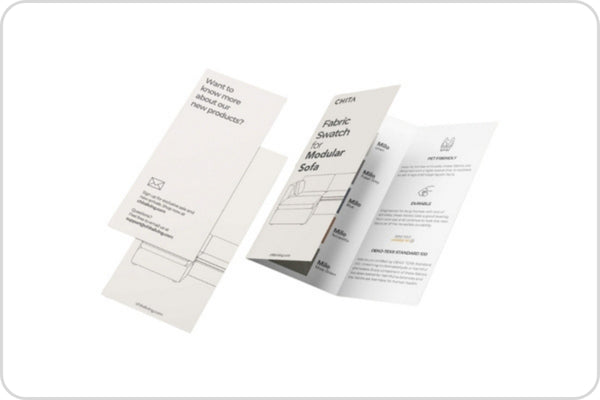
Before committing to a sofa, request swatches and perform simple home tests. These checks reveal how the fabric will likely behave with pets far better than marketing claims.
-
The Hair Embed Brush Test: Rub pet hair or a similar synthetic fiber vigorously into the swatch, then try to remove it with your hand or vacuum. Smooth weaves release hair quickly; textured or loose weaves hold onto it.
-
The Dry Rub Pilling Test: Rub the fabric against itself or with an abrasive cloth. Excessive pilling signals lower long-term durability under regular use.
-
The Pressed-In Stain Test: Place a small drop of water or coffee on the fabric. Blot immediately, wait 30 seconds on a second drop, then attempt cleaning per the care label. Note how easily each comes out.
-
The Claw Snag Simulation: Gently drag a paperclip or fingernail across the surface. Fabrics that catch or pull threads will likely snag with real claws.
Treat visible yarn gaps or noticeable texture as red flags for heavy shedders. These tests take only minutes yet help avoid costly regret.
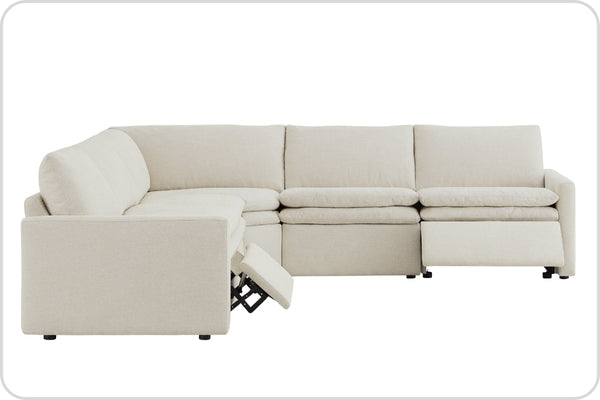
Many CHITA collections, such as the Maisie 5-seat Modular Sofa and Ivy 3-Seat Performance Fabric Modular Sofa, use tight-weave performance polyester well-suited to these tests. The Josie Performance Boucle Sofa, while stylish, shows more vulnerability in textured scenarios.
How to Clean Performance Fabric Sofa: Routine vs. Stains
Routine maintenance keeps performance fabric looking its best. Vacuum weekly with a brush attachment to remove loose debris and hair. For spills, blot immediately with a clean cloth — never rub, which can drive the mess deeper.
Use cleaning products matching the fabric code. Water-based cleaners work on "W" or "WS" codes for most pet accidents. Microfiber cloths and mild soap solutions usually suffice for everyday dirt. Avoid harsh chemicals that could degrade protective finishes over time.
For set stains, follow the manufacturer's instructions closely. Many performance polyesters allow gentle scrubbing without color loss thanks to solution dyeing. Periodic professional cleaning helps maintain the fabric's appearance in high-traffic homes.
Explore our pet-friendly furniture buying guide for additional maintenance strategies that extend the life of your upholstery.
Choosing the Right Performance Fabric Sofa for Pets and Kids
Focus first on your household's primary challenges. Homes with heavy shedders or playful dogs benefit most from smooth performance polyester in tight weaves. Families prioritizing style may accept some extra maintenance with textured options, but they should expect more frequent cleaning.
Request multiple swatches and run the DIY tests described earlier. Prioritize "W" or "WS" cleaning codes for the easiest care. Consider modular designs like those in the Modular Sofas collection that let you reconfigure around pet habits.
Performance fabrics can dramatically reduce the stress of pet ownership on furniture, but only when matched thoughtfully to your lifestyle. By focusing on weave, cleaning code, and honest testing rather than buzzwords, you can select upholstery that delivers on its practical promises.
Frequently Asked Questions
Does Performance Fabric Resist Pet Hair Better Than Regular Fabric?
Yes, when it features a tight, smooth weave. Loose or textured fabrics allow hair to embed, while performance polyester typically lets hair sit on the surface for easy removal.
Can You Remove Red Wine or Mud Stains From Performance Fabric?
Prompt blotting and the correct cleaner for the fabric code usually succeed. Deeply set stains may require professional treatment, so immediate action is important.
Is Bouclé Performance Fabric Suitable for Homes With Cats?
Bouclé is generally less suitable due to claw snagging and hair trapping in the loops. Smoother performance fabrics are the safer choice for cats.
How Often Should You Clean a Performance Fabric Sofa?
Vacuum weekly and address spills immediately. Deep cleaning every 6–12 months, or more frequently in active pet homes, helps maintain appearance and extend fabric life.
What Is the Difference Between Performance Fabric and Microfiber?
Performance fabric is a broader category that often uses microfiber technology but adds solution dyeing and specific treatments for cleanability. Both can perform well, but not all microfiber qualifies as high-end performance material.