



























What Performance Fabric and Leather Mean for Recliners
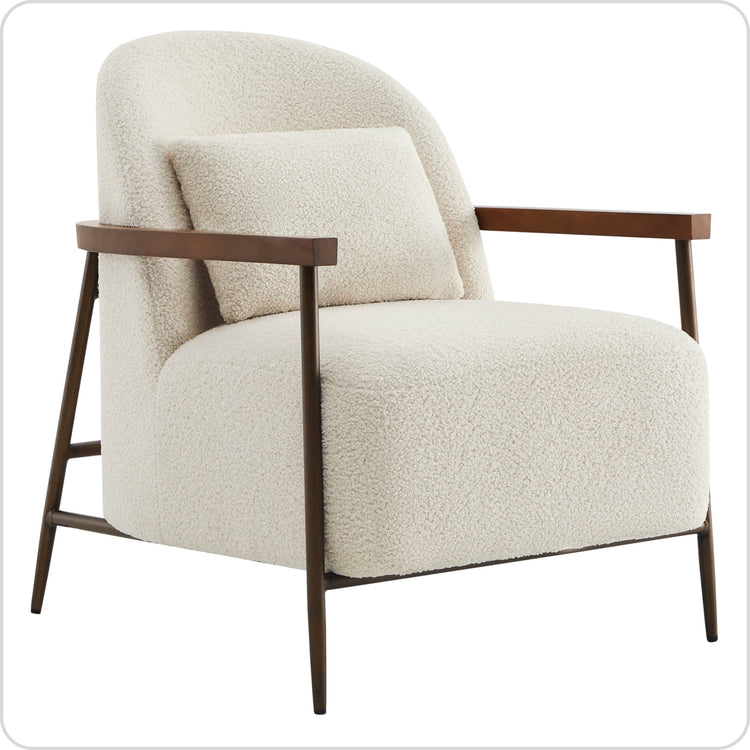
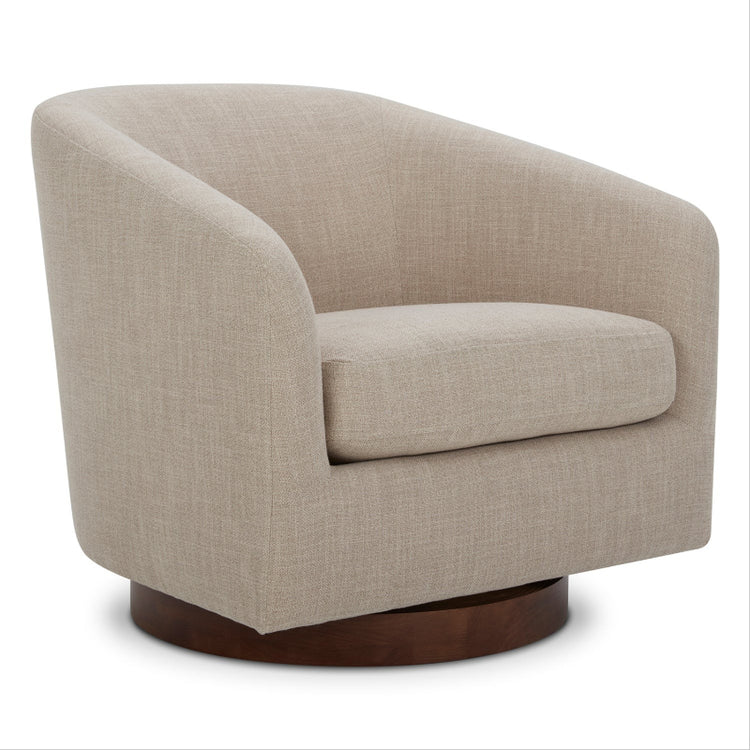
Performance fabric refers to engineered upholstery textiles designed for enhanced durability, often with special coatings or fiber blends that improve stain and abrasion resistance. It is a broad category rather than a single material, so performance varies by the exact fiber, finish, and manufacturer specifications. As this IICRC S300 Standard for Professional Upholstery Cleaning notes, care and durability depend on the specific item rather than blanket assumptions about the label.
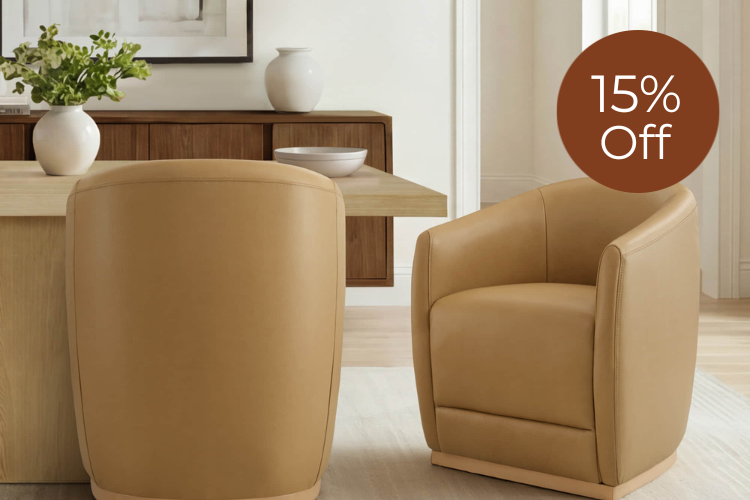
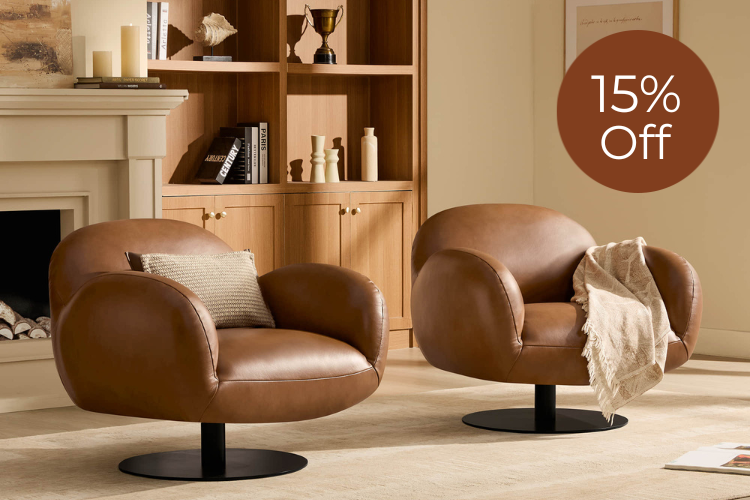
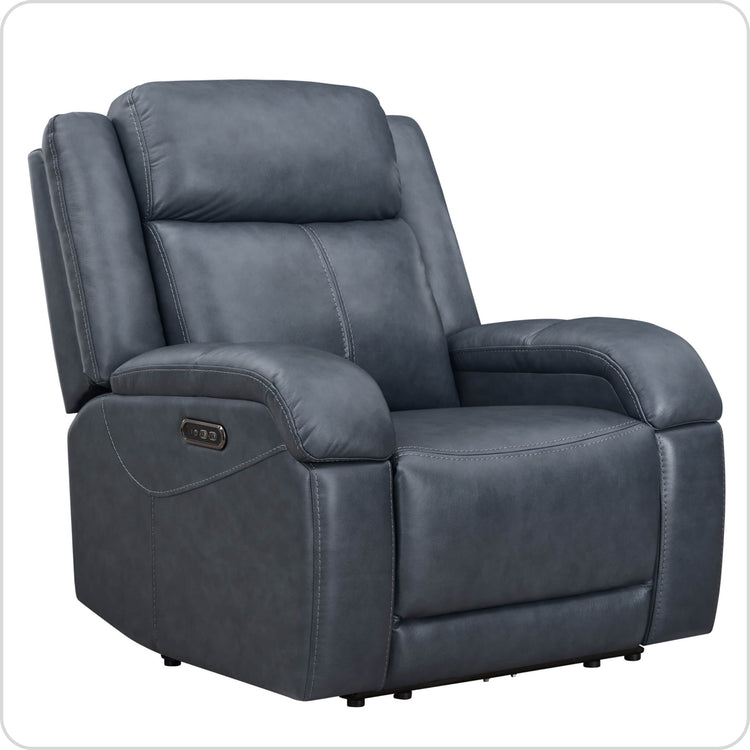
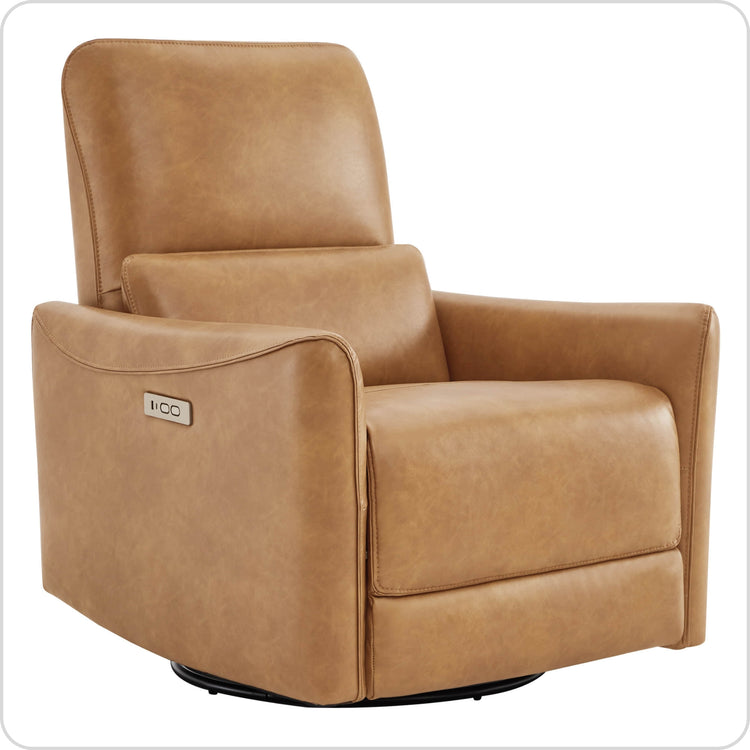
Leather, typically top-grain or genuine, is a natural material valued for its smooth surface and ability to develop character with age. It requires its own specialized care routine and should not be cleaned the same way as textile upholstery. Official conservation guidance emphasizes that leather needs its own care approach distinct from washable fabrics.
Faux Leather vs. Performance Fabric
While genuine leather is a premium natural product, many shoppers also consider faux leather (PU or vegan leather). Faux leather is highly resistant to liquid penetration and is the easiest to wipe clean, making it a popular budget-friendly choice. However, it lacks the breathability of performance fabric and is more prone to "delamination" (peeling or cracking) over time. If your priority is a soft, breathable seat that won't feel sticky in the summer, performance fabric is generally the superior choice over faux leather.
When shopping for recliners, remember that the cover material is only one part of quality. The frame, foam density, and suspension system also determine long-term comfort and support. Distinguishing the upholstery from these structural elements helps avoid fast-furniture pitfalls where a stylish cover hides weaker construction.
How the Materials Feel and Perform in Daily Use
Performance fabrics generally feel softer and more breathable in many climates, making them comfortable for extended lounging. They can reduce perceived stickiness in warmer rooms compared to some leathers. Leather, by contrast, often delivers a cooler, smoother initial feel but may become less comfortable in hot or humid conditions without proper room ventilation.
Breathability matters for power recliners used daily. Many performance options wick moisture better, while leather can feel warmer. Your room's climate and air circulation play a large role in real-world comfort.
Durability and Longevity: What Actually Matters
Durability in recliner upholstery depends on more than the material name. Factors like abrasion resistance, exposure to sunlight, and heat all influence how well the piece holds up. As noted in university extension resources on upholstered furniture, selection should account for environment and use rather than look or price alone.
Performance fabrics are often tested for abrasion using standards such as Martindale or Wyzenbeek, though exact ratings vary by product. High-quality versions resist pilling and fading better in high-traffic areas. Leather can develop a desirable patina but may show scratches from pets or sharp objects more visibly over time. Both materials benefit from routine maintenance to postpone deeper cleaning, according to upholstered furniture care guidance.
Premium recliners built with anti-fast-furniture principles often utilize tighter weaves or protected leathers. When combined with a robust frame and consistent maintenance, these pieces are designed to withstand years of daily family use, often significantly outlasting entry-level alternatives that lack reinforced construction.
Maintenance and Cleaning Differences
Maintenance is one of the largest practical differences. Performance fabric often allows spot cleaning with mild solutions, but many still require following specific care codes rather than machine washing. Leather demands conditioning and specialized products; harsh cleaners can damage the surface. Professional upholstery cleaning follows material-specific procedures, as outlined in IICRC standards, rather than a universal method.
Regular light maintenance, such as vacuuming and immediate blotting of spills, helps both materials retain appearance. Some stains or situations are better handled by professionals instead of DIY treatment. Leather cleaning is typically a specialized task compared to standard fabric methods.

Performance Fabric vs Leather for Families, Pets, and High-Use Rooms
The best material often depends on your household. Here is a practical breakdown:
- Families with kids and spills: Performance fabric usually performs better thanks to higher liquid resistance and softer feel. Quick blotting prevents permanent marks in many cases.
- Homes with pets: Leather frequently edges out for claw resistance and ease of removing hair. Smooth surfaces do not trap fur like some textiles, though quality matters.
- Hot or humid climates: Performance fabric tends to feel more breathable and less sticky.
- Low-maintenance priorities: Leather can simplify daily wipe-downs, but it still requires periodic conditioning.
Our Choosing the Right Fabric for Your Power Glider Recliner guide explores additional factors for motorized models common in busy homes.
Illustrative Household Fit: Performance Fabric vs Leather Recliners
Modeled for comparison based on common household patterns; scores are heuristic 1-10 suitability ratings, not measured performance.
View chart data
| Series | Spill Resistance | Pet Claw Resistance | Breathability/Comfort in Heat | Ease of Daily Cleaning | Long-term Durability |
|---|---|---|---|---|---|
| Performance Fabric | 9.0 | 7.0 | 8.0 | 8.0 | 7.0 |
| Leather | 7.0 | 8.0 | 6.0 | 9.0 | 8.0 |
This radar chart illustrates trade-offs across common scenarios using heuristic suitability ratings for comparison only. It underscores that the optimal choice shifts based on your priorities.
How to Choose the Right Recliner Material for Your Home
Evaluate your situation with these checkpoints before purchasing:
- List the main risks in your space, such as spills, pet claws, sunlight exposure, or heavy daily use.
- Check the specific care code and abrasion rating on product spec sheets rather than relying on marketing terms.
- Consider your climate and how the material will feel during peak seasons.
- Factor in your maintenance tolerance. Are you comfortable with periodic conditioning for leather or occasional spot cleaning for fabric?
- Test samples if possible, or review detailed photos and reviews for real-home performance.
- Prioritize quality construction overall to support the chosen upholstery and avoid fast-furniture disappointment.
Quick Selection Summary
- Choose Performance Fabric if: You prioritize a cozy feel, live in a warm climate, or need a material that resists liquid stains while remaining breathable.
- Choose Genuine Leather if: You have pets that shed, want a "buy it for life" piece that develops character, and are willing to perform annual conditioning.
- Choose Faux Leather if: You need a budget-friendly, wipeable surface for a low-traffic area and don't mind replacing the piece sooner than genuine alternatives.
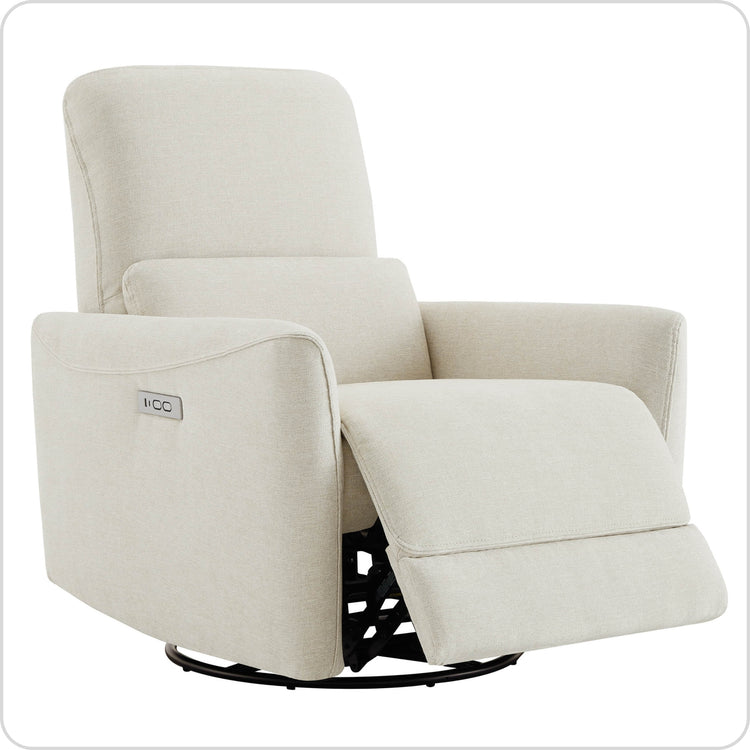
For power recliners, our Hadley Modern Zero Wall-hugger Power Recliner and similar models are available in both performance fabric and leather options to suit different needs. Families may prefer the Tracee Modern Power Swivel Glider Recliner in performance fabric for its certified cleanability.
Explore more in our How to Identify If A Sofa or Chair is Good or Bad Quality? for broader construction advice, or see Leather Sofa Cleaning: How Often Should You Clean It? for leather-specific tips.
Common Questions About Recliner Upholstery
Is Performance Fabric Better Than Leather for Recliners?
It depends on your household. Performance fabric may offer advantages in stain resistance and breathability for families with children, while leather can provide easier surface cleaning and longevity with proper care. Always review the specific product's test ratings and care instructions rather than general labels.
How Do I Clean Performance Fabric on a Power Recliner?
Follow the manufacturer's care code, typically involving gentle blotting with mild soap and water. Routine vacuuming prevents soil buildup. For stubborn spots, consult professional cleaners using material-specific methods to avoid damage.
Does Leather Work Well With Pets?
Genuine leather often resists snagging better than textured fabrics and allows simple wiping of hair or dirt. However, claws can leave visible scratches, so consider your pets' behavior and opt for protected or thicker hides when possible.
Which Material Lasts Longer in a Busy Living Room?
Both can deliver years of service when quality is high and maintenance is consistent. Leather may develop a patina that hides minor wear, while well-engineered performance fabrics maintain appearance through abrasion-resistant construction. Environment and upkeep matter more than the material category alone.
What Should I Look for When Buying Online?
Examine detailed specifications for abrasion ratings, fiber content, and care requirements. Read recent customer experiences with similar household conditions. Check for strong frame construction and warranties that cover the entire recliner, not just the upholstery.
This practical approach helps you invest in a recliner that delivers lasting value instead of quick replacement. Browse our Recliner Latest collection to find styles available in both materials, or explore Leather Sofas for complementary pieces.
