
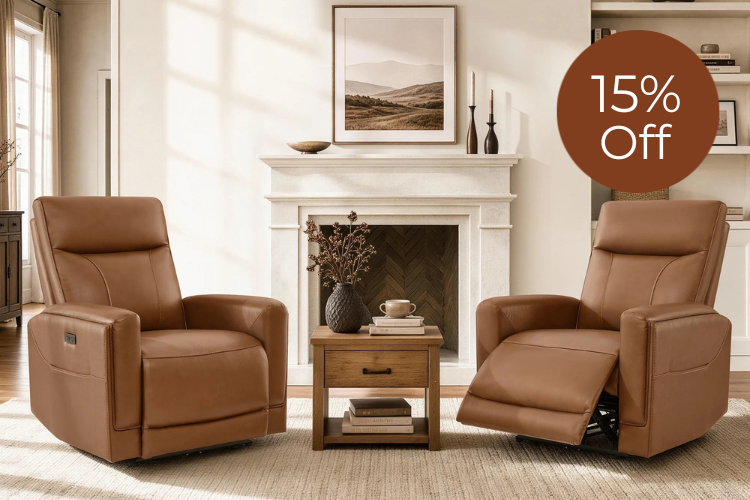
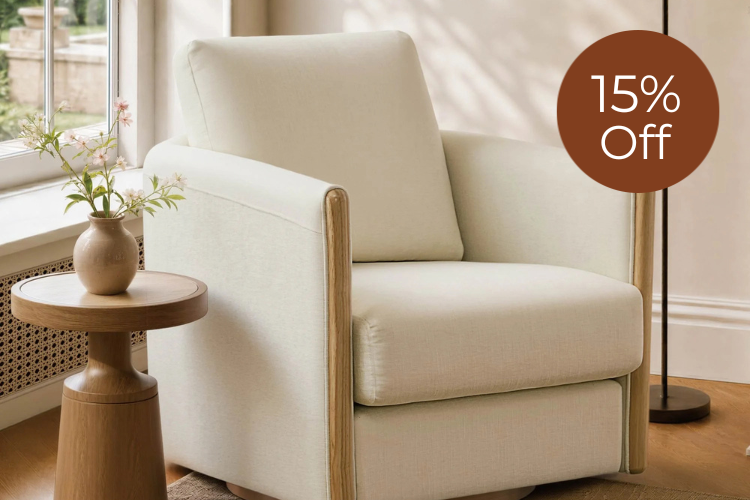








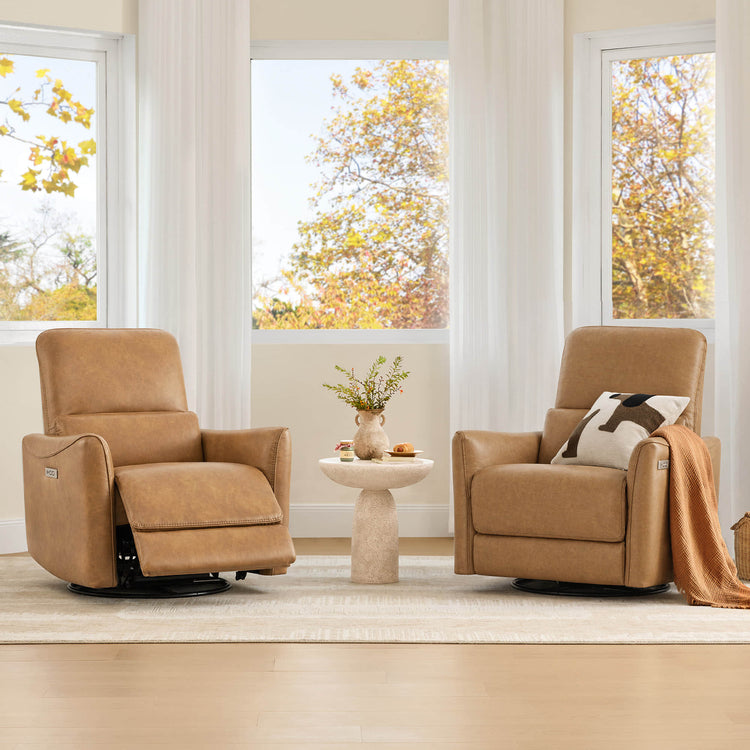
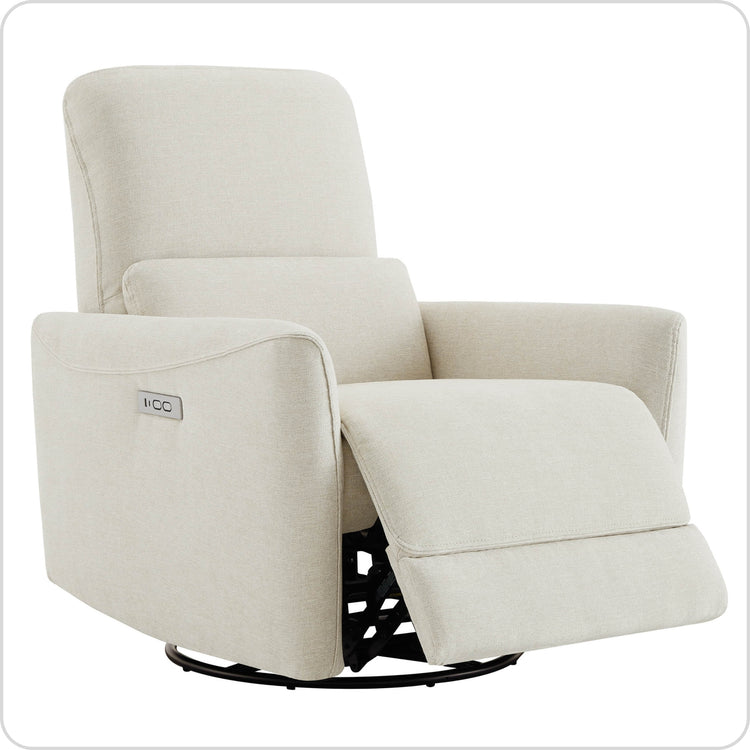
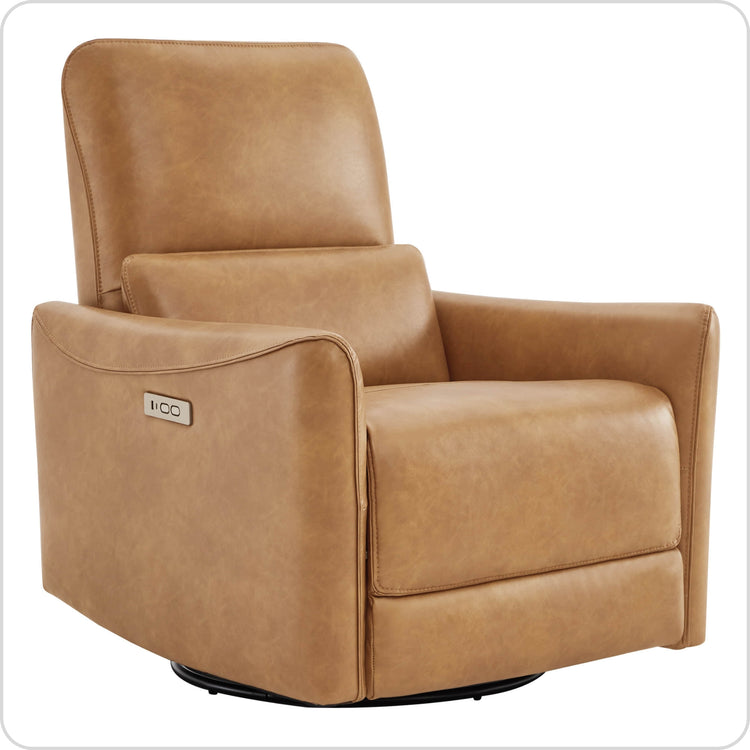


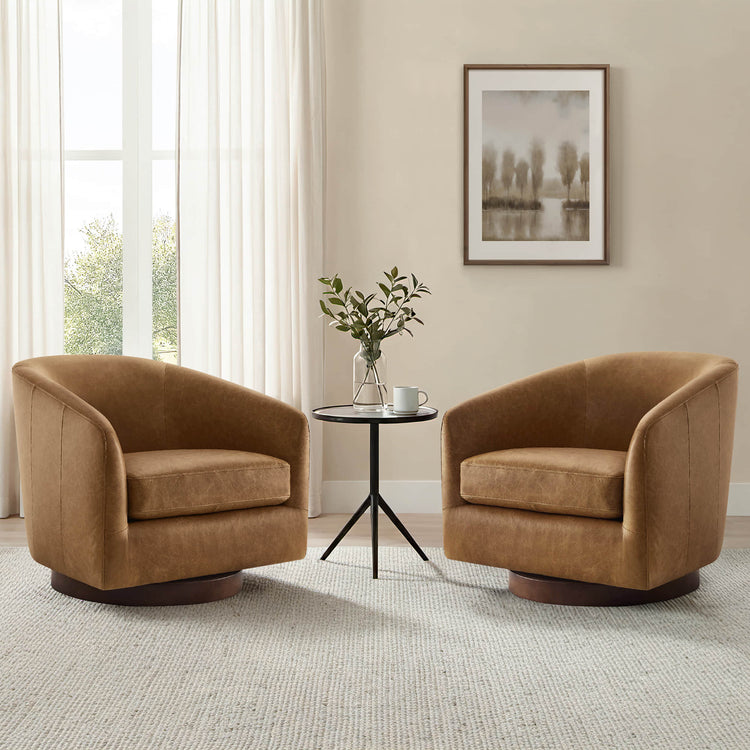
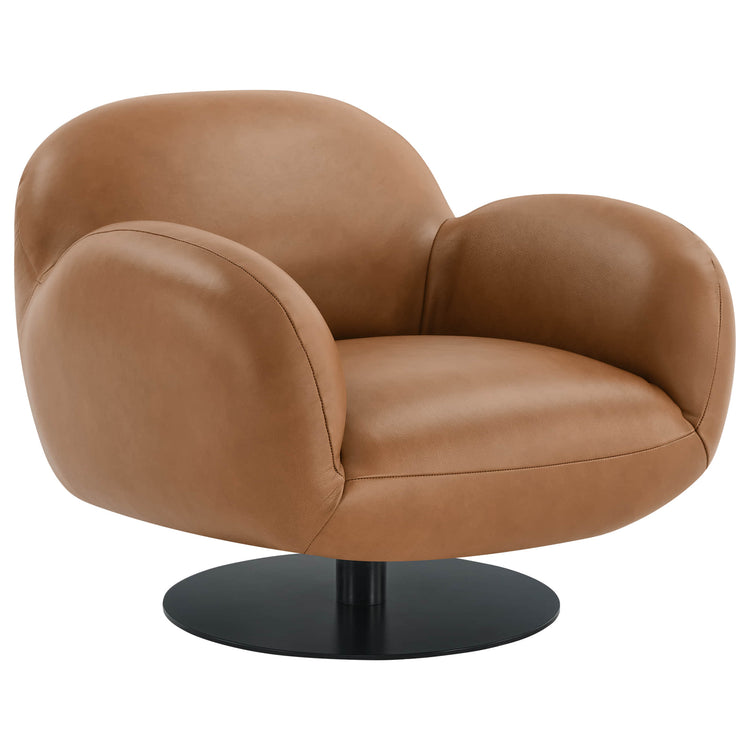
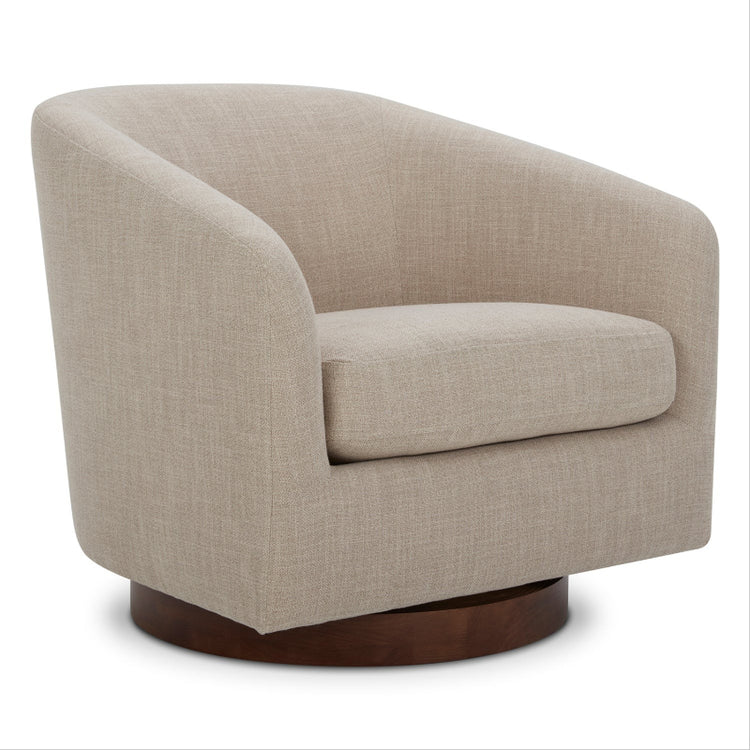

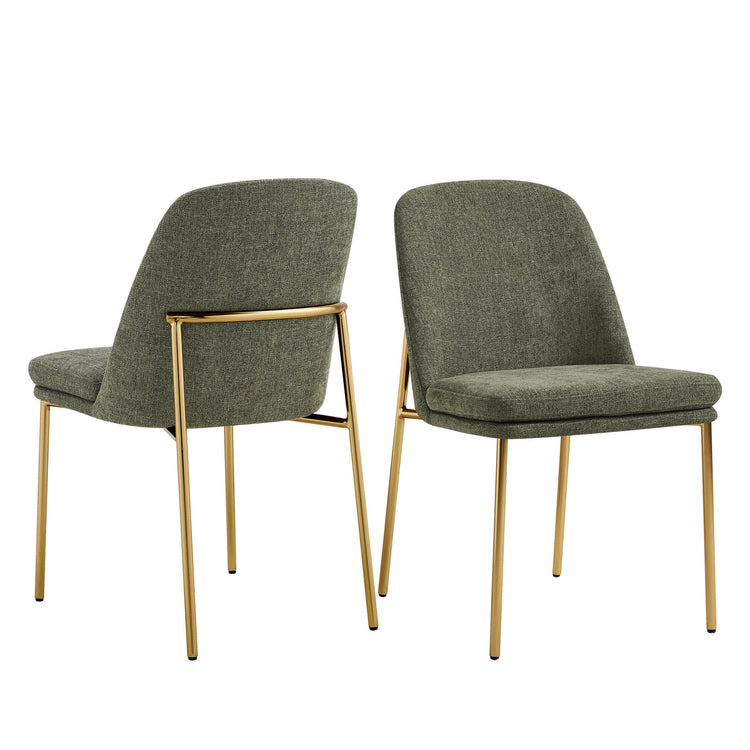


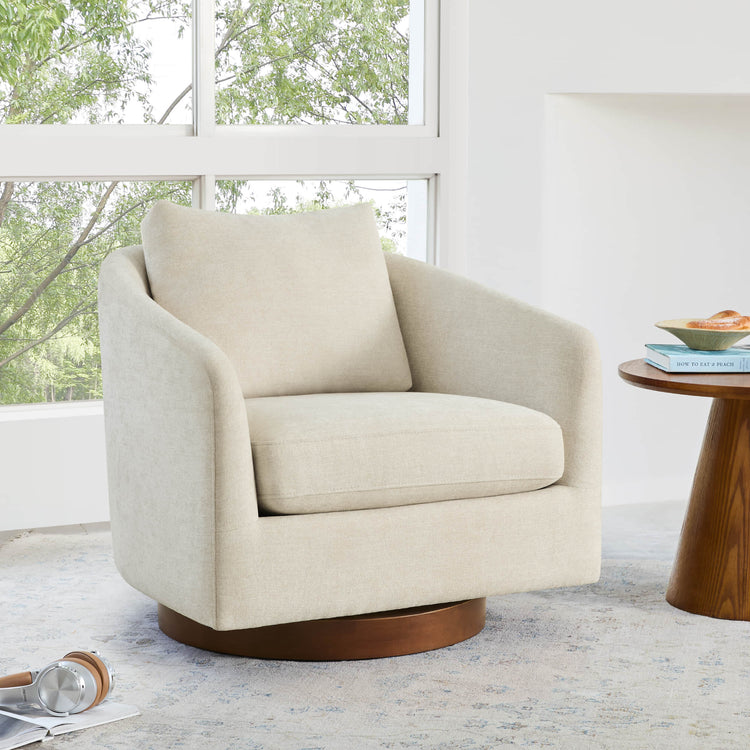










Modern living rooms demand furniture that delivers both refined style and genuine relaxation. Aesthetic power recliners solve this by hiding advanced mechanical features behind sleek silhouettes, clean lines, and tailored upholstery so the chair blends seamlessly with contemporary décor instead of dominating it.

These chairs prove you do not have to choose between Instagram-worthy design and the ability to recline fully with power headrests, lumbar support, and convenient charging ports. The best modern recliner chairs maintain visual lightness while offering the ergonomic support your body needs for long reading sessions, streaming, or napping.
Why Traditional Recliners Clash with Modern Interiors
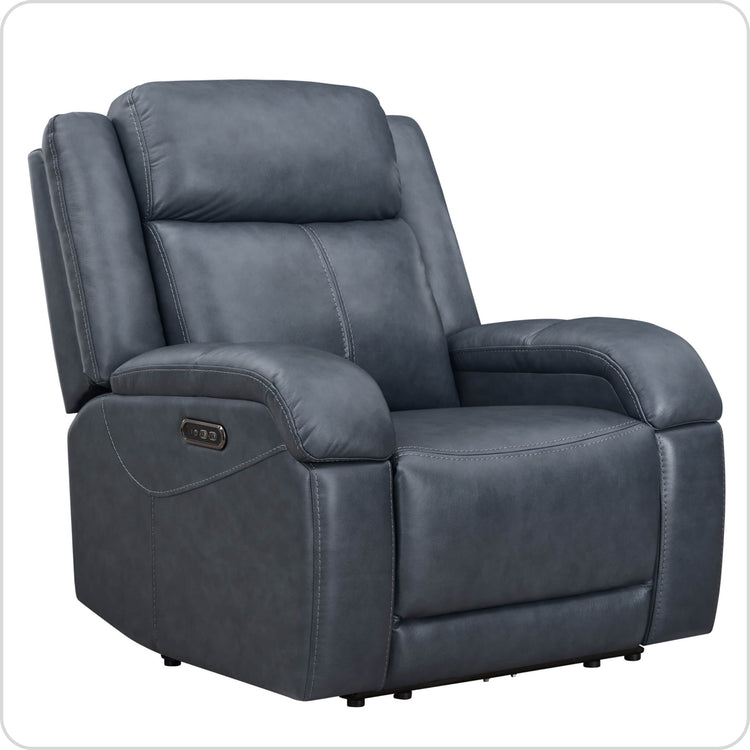
Bulkier traditional recliners often overwhelm curated spaces with oversized padding, thick arms, and obvious mechanical levers or bases. In small-to-medium living rooms or open-plan apartments, they can make the entire room feel heavy and dated, disrupting traffic flow and visual balance.
Design-conscious buyers frequently struggle to find power recliners that look refined once placed among minimalist sofas, accent tables, and neutral palettes. Many models still appear too masculine, oversized, or mechanically obvious for style-first environments. The core challenge lies in identifying chairs where high-tech comfort features remain invisible from everyday viewing angles.
As this official ergonomic seating guide explains, true comfort requires proper lumbar support and thigh support regardless of style. A well-designed aesthetic power recliner delivers that support without adding visual bulk.
What Makes a Power Recliner Look Like a Designer Chair
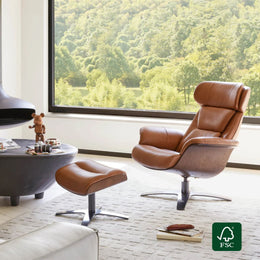
The most successful stylish power recliners share several visual cues that make them read as refined accent seating rather than traditional recliners. Look for streamlined arms, slimmer tapered legs, tighter tailoring, and neutral or textured upholstery in performance fabrics or top-grain leather.
Hidden or minimized mechanisms are essential. Models with power controls integrated into a discreet side panel or touch-sensitive zones avoid the bulky handset look of older designs. Power headrests that adjust independently allow the chair to follow the spine's natural curve without oversized back cushions.
This Cornell University ergonomics overview highlights that lumbar contour and backrest shape matter more than sheer height or bulk. A thoughtfully contoured modern recliner chair can therefore appear lighter while still providing the necessary support for reclined postures.
Many current designs also incorporate zero-gravity or near-zero-gravity positioning that elevates the legs comfortably without requiring excessive seat depth. When these features pair with clean tailoring, the result is a chair that looks like high-end designer furniture yet offers full power recline.

Key Features to Prioritize in Sleek Power Recliners
Beyond appearance, functional features determine whether a designer recliner chair meets real-life needs. Power mechanisms provide smooth, quiet operation with one-touch controls, often including USB or Type-C charging ports built directly into the arm or base.
Zero-wall or wall-hugger designs are particularly valuable in apartments and condos. These require as little as 4 inches of clearance, preserving circulation paths around the chair. Power lumbar and independent headrest adjustments let users fine-tune support to match their preferred posture, whether upright for reading or fully reclined for streaming.
Upholstery choice affects both aesthetics and maintenance. Top-grain leather offers a premium, easy-to-clean surface that ages gracefully in modern rooms, while performance fabrics in neutral tones resist stains and wear. Always follow the fabric code: most call for regular vacuuming and mild spot-cleaning rather than harsh chemicals, as noted in this university extension guide on upholstered furniture care.
How to Choose the Right Size and Placement for Your Room
A sleek power recliner for living room use must fit the actual space, not just look good in marketing photos. Measure your room's traffic flow, seating groupings, and available clearance before shopping. Even visually light chairs can have substantial dimensions once reclined.
Zero-wall models excel in tight layouts because they slide forward rather than requiring rear space. Typical footprints for aesthetic power recliners range from 30-40 inches wide by 35-40 inches deep when upright, expanding in recline. Accent-chair-style versions often stay closer to standard armchair dimensions.
The chart below illustrates key differences using bounded planning estimates derived from common design heuristics. It shows why aesthetic power recliners often strike the best balance for modern rooms.
Recliner Types for Modern Rooms: Lightness, Space, and Features
Illustrative comparison for choosing a recliner style that fits a modern room.
View chart data
| Category | Visual Lightness Score | Min Wall Clearance (in) | Typical Footprint (sq ft) | Power Features (count) |
|---|---|---|---|---|
| Traditional Recliner | 2.0 | 12.0 | 36.0 | 0.0 |
| Aesthetic Power Recliner | 4.0 | 1.0 | 12.0 | 2.0 |
| Accent Chair Recliner | 5.0 | 3.0 | 18.0 | 0.0 |
Modeled comparison built from common design heuristics: slimmer arms and cleaner silhouettes read as lighter; zero-wall or wall-hugger mechanisms reduce clearance needs; power functions add convenience without necessarily adding visual clutter. Values are bounded planning estimates for article comparison, not measured product averages.
Interior layout principles recommend preserving clear circulation paths rather than forcing one oversized piece into every arrangement. Test placement by marking the chair's footprint and recline arc on your floor. This interior design guidelines paper underscores the importance of traffic flow in successful furniture arrangements.
Styling Tips to Make Your Recliner Disappear Into the Décor
Treat your modern recliner chair as an intentional design element rather than an afterthought. Position it to anchor a conversation area or reading corner, pairing it with complementary side tables, floor lamps, and area rugs in similar tones.
Neutral palettes help the chair blend: warm grays, taupes, soft beiges, and charcoal leathers integrate easily with existing sofas. Add texture through throw pillows or a knitted blanket to soften the look without adding visual weight.
In open-concept homes, choose a chair with a swivel base or compact footprint so it can face different zones without dominating the sightline. Avoid placing it directly against a busy patterned wall; a simple backdrop lets the clean lines stand out.
For guest rooms or secondary seating, an accent-chair-style power recliner offers the most seamless integration. These models often resemble stationary designer seating until the power recline activates.
How to Decide Which Aesthetic Power Recliner Fits Your Home
Start by auditing your room and habits. List must-have features (power headrest, zero-wall clearance, USB ports, specific upholstery) then match them against actual dimensions and visual style. Visit showrooms when possible to test recline feel and confirm the chair looks as refined in person as in photos.
Prioritize models from collections that specialize in high-quality leather and power mechanisms, such as our Leather Recliners or Power Recliner selections. Consider pieces like the Raven Wall Hugger Genuine Leather Power Recliner with Cup Holders for tight spaces or the Maxwell Genuine Leather Swivel Glider Recliner with Power Lumbar & Headrest for added movement and support.
Read related guidance on specific needs. Our article What Is a Wall Hugger Recliner? explains clearance mechanics in detail, while Headrest Recliners vs. Traditional Recliners: Which Is Right for You? helps evaluate adjustable support. For apartment dwellers, Power vs. Manual Recliners: Key Differences clarifies convenience trade-offs.
Remember that a sleek appearance does not automatically guarantee compact dimensions. Always verify measurements against your floor plan. This approach ensures your chosen recliner enhances rather than compromises your modern living room.
Frequently Asked Questions
Do Aesthetic Power Recliners Really Look Like Regular Accent Chairs?
Many do when designed with slim profiles, hidden mechanisms, and tailored upholstery. However, once reclined the silhouette changes, so test in person or review detailed photos from multiple angles. The chair should complement your existing furniture rather than stand out as mechanical seating.
What Is the Minimum Room Size for a Stylish Power Recliner?
Most aesthetic models need roughly 4-6 feet of width and depth to allow full recline and circulation. Wall-hugger versions reduce rear clearance to as little as 4 inches, making them ideal for apartments. Always measure your specific layout including traffic paths.
How Do I Keep a Modern Recliner Clean Without Damaging the Fabric?
Follow the manufacturer's fabric code. Most leather and performance fabrics require regular vacuuming with a soft brush attachment and prompt spot-cleaning with mild soap and water. Avoid harsh chemicals that can discolor premium upholstery.
Are Power Recliners Suitable for Small Living Rooms?
Yes, provided you select zero-wall or compact models with streamlined proportions. Look for chairs under 35 inches wide and confirm the recline arc will not block walkways. Neutral colors and clean lines further help the piece feel lighter in tight spaces.
Can a Designer Recliner Chair Provide Enough Lumbar Support?
Quality models with power lumbar and adjustable headrests deliver targeted ergonomic support that follows the spine's natural curve. This OSHA workstation guidance reinforces that proper lumbar contour remains important in any long-term seating.
What Should I Look for When Comparing Recliners to Accent Chairs?
Evaluate footprint, recline capability, and visual weight. Accent-chair-style recliners offer the closest aesthetic match but may have less extreme recline. Power versions add convenience at the cost of slightly larger mechanisms. Prioritize real-room testing over photos alone.
Recommended Products

More to Read
 7 Sofa Trends That Actually Improve Comfort in 2026
Upgrade your living room with furniture that supports your body. Here are 7 modern sofa features designed to maximize your daily comfort...
7 Sofa Trends That Actually Improve Comfort in 2026
Upgrade your living room with furniture that supports your body. Here are 7 modern sofa features designed to maximize your daily comfort...
 Mother's Day Gift Guide: Cozy and Stylish Furniture Picks for Modern Moms
Make Mother's Day more meaningful with furniture gifts that bring comfort, smart features, storage, and quiet luxury into her everyday routine.
Mother's Day Gift Guide: Cozy and Stylish Furniture Picks for Modern Moms
Make Mother's Day more meaningful with furniture gifts that bring comfort, smart features, storage, and quiet luxury into her everyday routine.
 Performance Fabric Reality Check: Does It Really Repel Pet Hair and Stains?
Performance fabric is often marketed as a miracle solution for homes with pets and kids, but the reality is more nuanced. It...
Performance Fabric Reality Check: Does It Really Repel Pet Hair and Stains?
Performance fabric is often marketed as a miracle solution for homes with pets and kids, but the reality is more nuanced. It...