

































A rolling dining chair with armrests tucks under your table only when its highest armrest point, seat, base, and casters all clear the table's underside, apron, and legs along the path you actually use to push it in. Overall chair height and seat height won't tell you this on their own. If any one of those measurements is missing, treat the fit as unverified rather than assumed safe.
This guide covers the measurements for armrest clearance under the table apron, a quick fit test you can run at home, and what changes for caster wheels on carpet and hardwood, plus caster and glide upkeep and what to confirm before ordering a rolling dining chair with casters.
Can the Chair Tuck Under Your Table?
A chair passes the tuck-in test only when it clears the table vertically and horizontally at the same time. Vertical clearance means the highest point of the armrest sits below the table's underside and apron along the tuck path. Horizontal clearance means the chair's width, depth, base, and caster footprint can travel past any apron overhang, table legs, or pedestal without catching.
Neither measurement substitutes for the other. A chair with plenty of headroom under the apron can still snag its base on a pedestal foot or a low stretcher. A chair narrow enough to slide between table legs can still stop short if the armrests hit the apron first. Whichever obstruction you hit first is your bottleneck, and it's the one number that decides whether this particular dining chair works with this particular table.
Measure the Chair and Table Before Relying on a Fit
Two separate sets of measurements decide the fit: one for the chair as you'll actually use it, and one for the table's underside and apron. Take both in inches, with the chair fully assembled and its casters installed.
Chair side:
- Highest armrest point measured from the floor, with casters or glides installed
- Overall seat height from the floor
- Overall chair width and depth at the widest point, including the armrests
- Base width and depth, or the footprint the casters occupy when spread
- Caster or glide projection beyond the seat frame
- Any height change caused by cushions, add-on glides, or other hardware you plan to use
Table side:
- Height from the floor to the underside of the table
- Apron height and thickness where the chair will pass beneath it
- Apron setback from the table's outer edge
- Position of legs, a pedestal base, or stretchers near the intended chair spot
- The tucked position you actually want, since clearance can differ between centered, angled, and fully pushed-in

Record each figure, and mark any field you can't measure yet as unconfirmed instead of guessing a standard number.
Run the Fit Check and Identify the Bottleneck
Test the chair in the same configuration you'll use daily, casters and all, and stop at the first point where it doesn't move freely.
- Roll the chair up to the table squarely, in the same orientation you'll use for meals.
- Check the highest armrest point against the table's underside and apron first, since this is the most frequent vertical stopping point.
- If the arm clears, push the chair in and watch the base and casters for contact with legs, a pedestal, or a stretcher.
- Continue tucking until you reach the position you actually want to use, not just the first inch of clearance.
- Note exactly where the chair stops. That contact point, not the chair's overall dimensions, is your bottleneck.
- Use the result to decide: reposition and retest, request a missing dimension from the seller, or set the chair aside for this table.
Carpet Usability: Test the Actual Pile and Rug
A rolling chair that clears your table on paper can still struggle across a thick rug or plush carpet, so treat the actual pile, pad, and any surface transition as part of the fit decision, not an afterthought.
Pull-out effort, turning radius, and how the chair crosses a rug edge or transition strip all depend on the specific carpet construction in your dining room. Available flooring-care guidance doesn't establish a universal caster performance or snagging limit for carpet, so a product page's general "rolls smoothly" language is a starting point, not a guarantee for your rug.
Before committing, pull the chair out from the table, turn it, and push it back in on the actual installed surface, including any transition point. Our Elsa rolling chair lists hidden 360-degree casters for movement across wood, tile, or rug, which is a useful listed feature, but you should still confirm how it performs on your specific carpet and rug pile before relying on it for daily use.
Hardwood Usability: Control Contact and Debris
On hardwood, the deciding factors are the caster or glide's contact material and how clean the rolling path stays, not the wood finish itself. Confirm what touches the floor, and keep that path clear of grit before rolling the chair regularly.
Loose grit dragged under a moving chair can scratch a hardwood finish, so remove debris from the rolling path and avoid dragging the chair instead of rolling it deliberately. Use furniture protectors under stationary legs where applicable, and check pivot points and other high-traffic spots for new marks after a stretch of regular use.
A product listing stating that a chair moves across wood or tile describes that model under stated conditions, not a guarantee for every hardwood finish. Test controlled rolling on a clean, inconspicuous section of your actual floor first. Our Talia rolling chair lists hidden casters and a solid wood frame, which are useful listed facts, but its arm height and caster contact material still need confirming against your own table and floor before you rely on it.
Inspect Casters and Glides Before and After Use
Casters and glides need a quick check before every use and a closer look afterward, since the same hardware issue can affect both mobility and floor care.
- Before use: confirm every caster or glide is fully attached and that the chair doesn't wobble or lean to one side.
- Before use: spin each caster and clear trapped hair, grit, or fibers according to the manufacturer's cleaning instructions.
- During use: notice rough rotation, uneven contact, or resistance that wasn't there before, since these often signal debris or a developing hardware issue.
- After use: check the rolling path on your floor for new marks, scuffs, or material transfer.
- After any cleaning or adjustment: repeat the same rolling and turning test before returning the chair to regular use.
Stop using the chair until the issue is corrected if a caster or glide is loose, cracked, detached, or makes the chair unstable. That's a safety stop, not a routine maintenance note, since an unstable base can tip during a normal sit-down or stand-up.
Verify Product Evidence Before Ordering
Before you order, separate what a listing actually states from what you still need to confirm, because overall dimensions rarely include the two numbers that decide tuck-in fit: arm height and caster footprint.
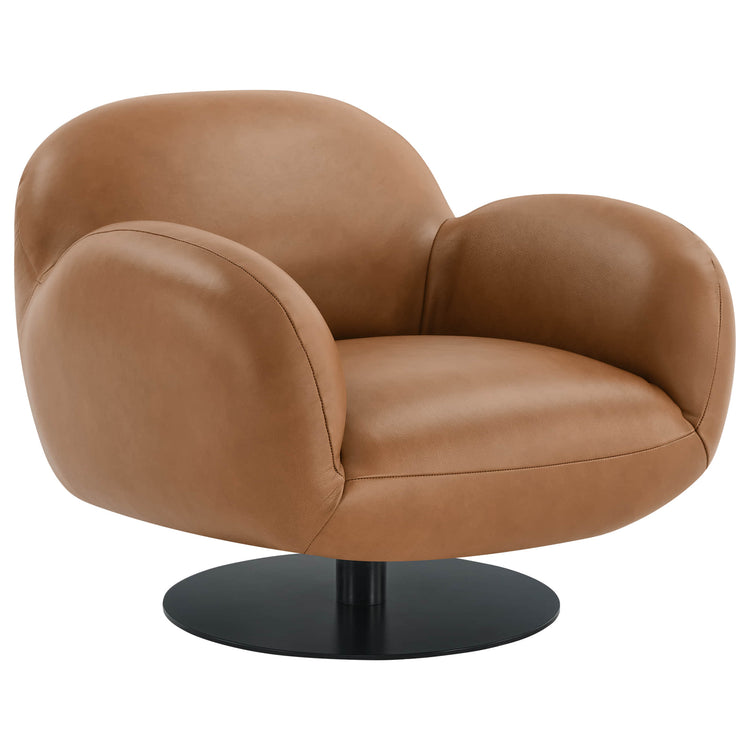
Our Talia chair lists overall dimensions of 25.2 inches deep by 24.4 inches wide by 34.3 inches high, an 18.9-inch seat height, curved armrests, and hidden casters. Those figures work as chair-side inputs for your measurement checklist, but the listing doesn't state the highest armrest point or the caster footprint, so confirm both separately before assuming a fit. Our Elsa chair lists a 24.8-inch by 24-inch by 25.2-inch overall size, an 18.9-inch floor-to-seat crown height, and hidden 360-degree casters, along with a stated ability to move across wood, tile, or rug. That surface claim describes the model under stated conditions, not your specific apron geometry or floor finish.
If a listing omits armrest height, caster contact material, or approved floor surfaces, contact the seller for those exact specifications before buying. If the seller cannot supply the missing clearance or caster data, test the chair in person at your table or choose a model with fully documented dimensions.
FAQs
What Is the Most Important Clearance Measurement for a Dining Chair with Arms?
The controlling measurement is usually the highest point of the armrest, measured with casters installed, compared against your table's underside and apron along the path you tuck the chair into. Width, depth, and base or caster footprint can still cause a separate failure even when the arm clears, so treat this as the first check, not the only one. There's no standard allowance that applies to every table, so measure your specific pair.
Are Casters or Glides Better for Carpet and Hardwood?
Neither option is universally better across both surfaces. What matters is the caster or glide's construction, any stated floor-use limits from the manufacturer, and how the chair actually moves on your installed carpet, rug, or hardwood finish. Test rolling, turning, and crossing any transition on your real floor before deciding, especially if the listing doesn't name tested surface conditions.
What Should I Ask a Seller if a Rolling Dining Chair Listing Doesn't Show Arm or Caster Dimensions?
Request the highest armrest height, overall width and depth, base or caster footprint, caster contact material, and any stated floor-use conditions. If those details aren't available, ask whether an in-person test is possible before you commit, since a missing dimension can be the exact one that determines whether the chair tucks under your table.
Recommended Products


More to Read
 7 Sofa Trends That Actually Improve Comfort in 2026
Upgrade your living room with furniture that supports your body. Here are 7 modern sofa features designed to maximize your daily comfort...
7 Sofa Trends That Actually Improve Comfort in 2026
Upgrade your living room with furniture that supports your body. Here are 7 modern sofa features designed to maximize your daily comfort...
 Mother's Day Gift Guide: Cozy and Stylish Furniture Picks for Modern Moms
Make Mother's Day more meaningful with furniture gifts that bring comfort, smart features, storage, and quiet luxury into her everyday routine.
Mother's Day Gift Guide: Cozy and Stylish Furniture Picks for Modern Moms
Make Mother's Day more meaningful with furniture gifts that bring comfort, smart features, storage, and quiet luxury into her everyday routine.
 Performance Fabric Reality Check: Does It Really Repel Pet Hair and Stains?
Performance fabric is often marketed as a miracle solution for homes with pets and kids, but the reality is more nuanced. It...
Performance Fabric Reality Check: Does It Really Repel Pet Hair and Stains?
Performance fabric is often marketed as a miracle solution for homes with pets and kids, but the reality is more nuanced. It...