

























Snag-Resistant Performance Fabrics: The 2026 Durability Guide for Active Pets
Pet-friendly labels on sofas and sectionals often emphasize stain resistance and easy cleaning, yet many owners still see pulled threads and snags from active cats and dogs. In the 2026 furniture market, the definition of "performance" has shifted: it is no longer enough for a fabric to repel liquids; it must maintain its structural integrity against mechanical stress. This guide decodes the latest durability specs, compares performance chenille, boucle, and velvet, and provides a practical home-testing framework to help you select upholstery designed to survive real-world pet interactions.

Why Your "Pet-Friendly" Sofa Is Still Snagging: The Difference Between Abrasion and Claws
Most sofas labeled pet-friendly focus on liquid resistance and cleanability, but mechanical damage from claws creates a different failure mode. A high rub count, typically measured by the Wyzenbeek test in double rubs, evaluates how well a fabric withstands repeated friction—such as sitting or sliding. However, this metric is often a poor predictor of how a material will hold up when a cat's claw hooks and pulls individual yarns.
Snagging occurs when a sharp point catches a loose float or loop in the weave and extracts a thread, creating visible runs that abrasion testing rarely replicates. As noted in official guidance on fabric snagging resistance, abrasion and snagging tests evaluate entirely separate physical behaviors. Looped or textured surfaces, especially traditional boucle, can amplify this problem because the loops act as a natural catch point for claws.
In active households, this distinction is critical. A fabric rated for 100,000 double rubs may survive years of human traffic yet show significant damage within weeks from a kneading cat. Understanding this gap is the first step toward buying upholstery that matches your pet's specific behavior rather than relying on generic marketing claims.
Read our Love Your Pet Day Special: Smart Furniture Solutions for Pet Parents for broader tips on balancing style and durability.
Decoding the 2026 Specs: Beyond Rub Counts to Snag-Resistance Ratings
In 2026, more manufacturers are providing detailed technical data beyond simple rub counts, responding to a more informed consumer base. The industry standard for evaluating snagging is the ASTM D3939 "Mace Snag" test, which uses a weighted, spiked metal ball to simulate sharp contact. Results are rated in classes, with the Association for Contract Textiles (ACT) setting Class 3 as a common performance floor for high-traffic upholstery. According to ACT performance guidelines, a Class 3 or higher snag rating is a reliable benchmark for residential settings with active pets.
Pilling, measured under ASTM D3512, describes small fiber balls that form on the surface. While often less critical for cats, pilling resistance is vital for large dogs that jump on and off furniture. A fabric can achieve impressive abrasion numbers yet still fail in a pet home if its snag or pilling rating is low.
The Pet-Durability "Triple Crown" (Directional Benchmarks)
When reviewing spec sheets, look for these three metrics as a baseline for durability. Note: These are directional heuristics; final performance depends on specific weave density and fiber type.
- Abrasion: 50,000–100,000 double rubs (Commercial-grade benchmark for longevity).
- Snag Resistance: Class 3 or 4 (The primary defense against cat claws).
- Pilling Resistance: Class 4 (Essential for high-friction areas and large dogs).
How to prioritize: Cat owners should prioritize the Snag Rating first. Large-dog households should emphasize Abrasion and Pilling while maintaining a solid snag floor.
Pet Durability Triple Crown: Which Metric Matters Most by Pet Type?
Use the durability metric that matches the pet behavior you actually need to survive: abrasion for dog traffic, snag resistance for cat claws, and pilling resistance as the shared finish check. Higher tiers indicate stronger fit for the scenario, not absolute pet-proofing.
View chart data
| Category | Abrasion (double rubs) | Snag resistance | Pilling resistance |
|---|---|---|---|
| Large dog / heavy daily use | 3.0 | 2.0 | 3.0 |
| Cat scratching or climbing | 2.0 | 4.0 | 3.0 |
| Mixed pets / frequent contact | 3.0 | 3.0 | 4.0 |
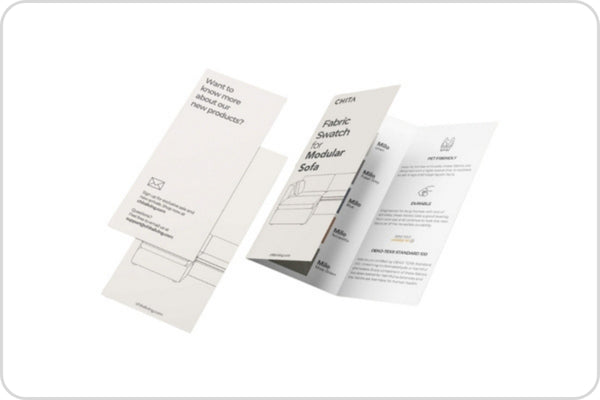
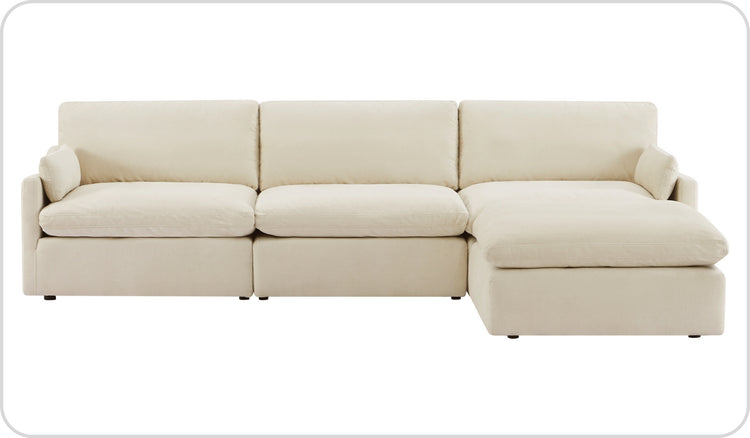
Order free Kenna Sofa Swatches to examine these ratings and textures in person before committing to a full piece.
The Performance Fabric Showdown: Chenille vs. Bouclé vs. Velvet
Performance fabrics vary widely in their construction, which directly impacts how they handle claws. Dense, non-looped constructions generally offer better resistance because they leave fewer opportunities for a claw to catch.
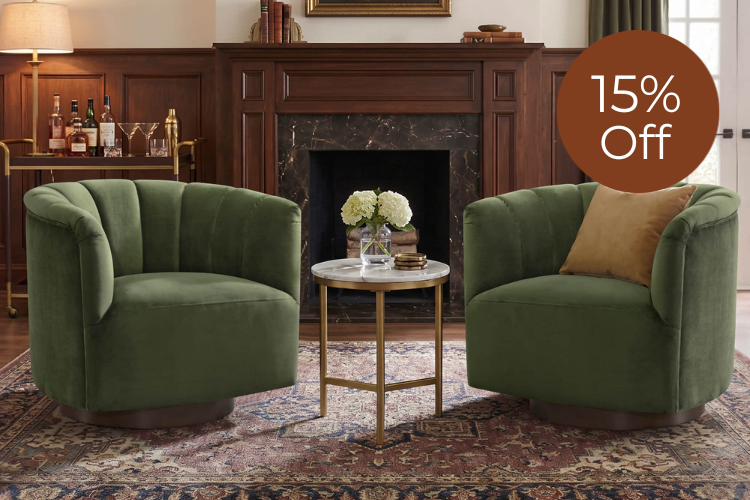
- Performance Velvet: Often considered a top-tier choice for cat owners. Its flat, compact pile and lack of exposed loops offer high snag resistance. Velvet also tends to release pet hair more easily during vacuuming.
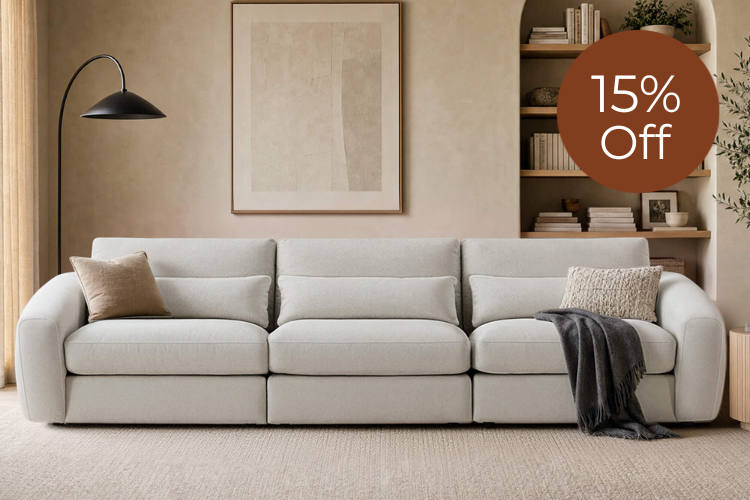
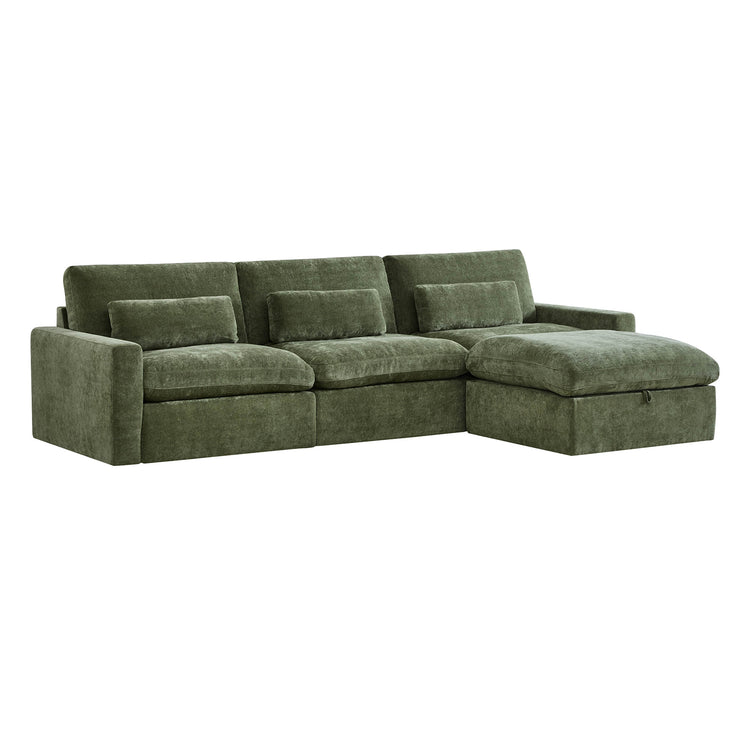
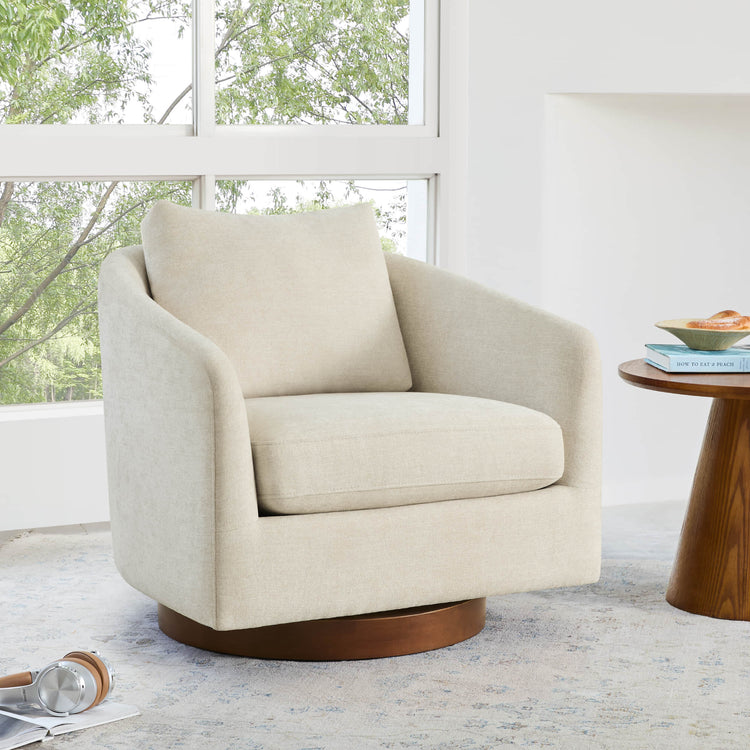
- Performance Chenille: Occupies the middle ground. When the weave is tight, as seen in many current Chita Living collections, it balances softness with respectable durability. However, looser chenille weaves can still be susceptible to pulled threads.
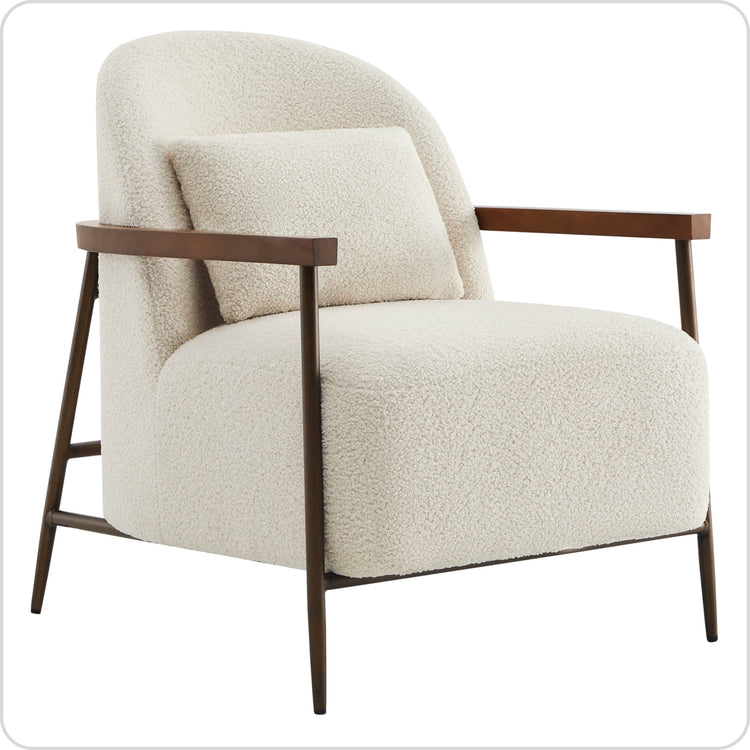
- Bouclé: Presents the highest risk for snagging. The characteristic loops act as ready-made hooks for claws. If you prefer this aesthetic, seek out "performance-grade" boucle with a tighter, reinforced weave and verify it with a physical swatch.

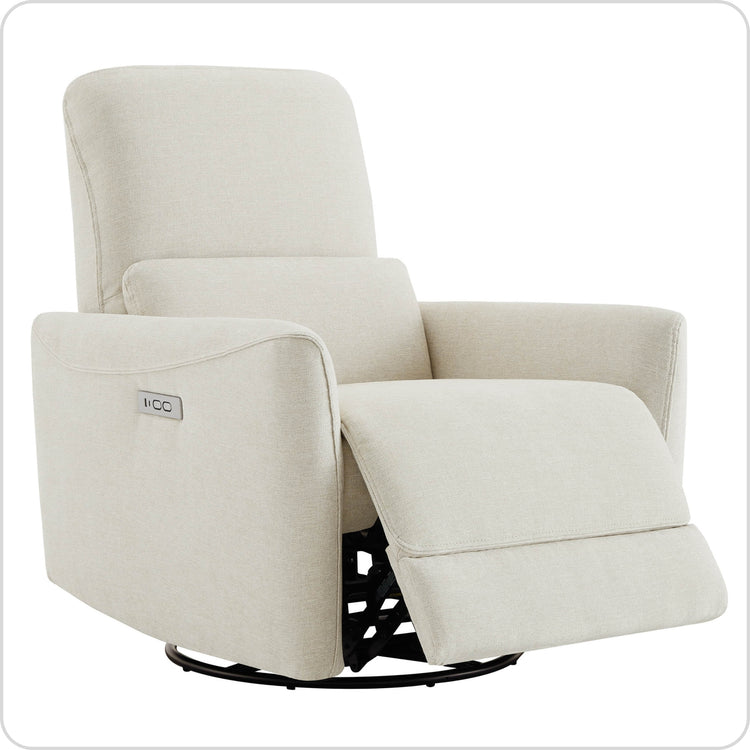
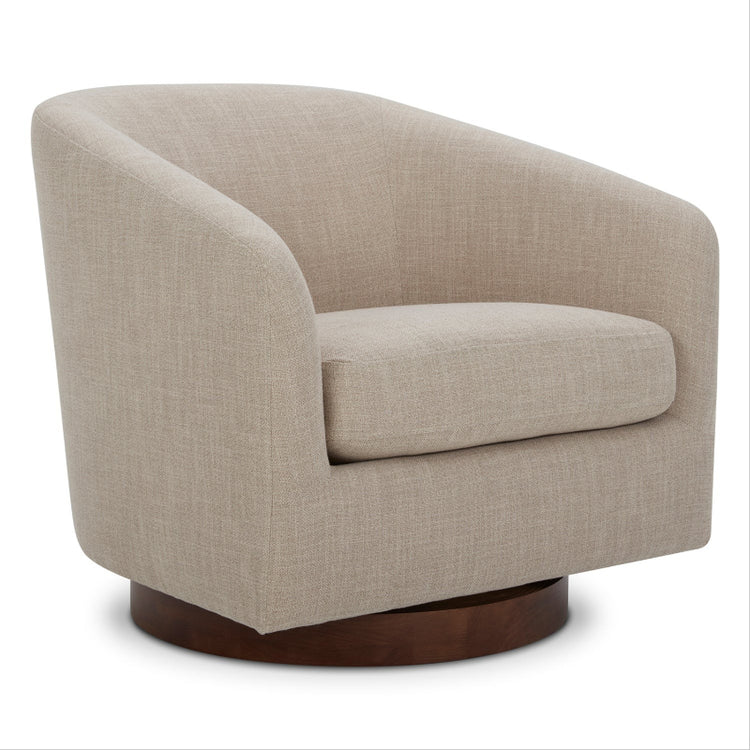
The Teleri Modern Curved Chenille Sofa features a tighter chenille construction that many pet owners find effective. The Jolie Performance Boucle Swivel Accent Chair offers the boucle look but should be stress-tested if your pets are highly active. For maximum cat-claw resilience, the dense velvet in the Kenna collection is typically the most robust option.
The Swatch-Stress Framework: A 3-Step Home Heuristic
While spec sheets provide essential data, a hands-on check with a fabric swatch is the best way to simulate real-world pet motion. This framework is a consumer heuristic, not a laboratory substitute, but it can help identify obvious weaknesses.
- Compress: Press and knead the swatch firmly with your fingertips for 15 seconds to imitate "biscuit making." Observe if the fibers shift permanently or rebound.
- Drag: Use a firm fingernail or the edge of a plastic card to pull across the surface with moderate pressure. Look for any pulled yarns or "opened" paths in the weave.
- Light-Inspect: Hold the swatch under a bright light at a shallow angle. Look for micro-snags or fuzzing, which often signal future pilling or structural failure.
Decision Rule: If a fabric shows yarn displacement or loop pulls during these steps, it may be higher risk for high-traffic pet areas. Passing this test increases confidence but does not guarantee lifetime performance, as variables like pet weight and claw sharpness vary.
Request Kenna Sofa Swatches to run this framework at home before making a final purchase.
Choosing Your Match: Which Fabric Fits Your Pet Profile?
Match the fabric to your pet's primary behavior rather than chasing a single "best" material.
- Multi-Cat Homes (Kneading/Climbing): Performance velvet usually delivers the most consistent snag resistance. The loop-free construction minimizes catch points.
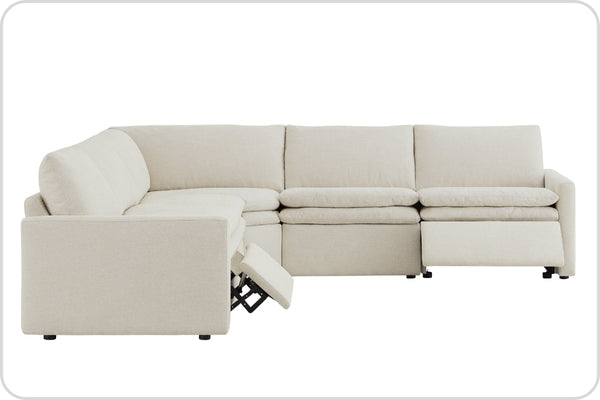
- Large-Dog Households (Jumping/Running): High-density performance chenille is often preferred for its balance of high abrasion numbers and pilling resistance. The Ivy 4-Seat Modular Sectional and Maisie Modular Sofa are designed for these high-traffic profiles.
- Mixed-Pet Homes: Look for a "Triple Crown" fabric—ideally a tight-weave velvet or reinforced chenille that meets Class 3+ snag and Class 4 pilling standards.
No material is 100% pet-proof. The most reliable strategy in 2026 is to verify technical ratings, apply the three-step home test, and select the construction that best aligns with your pet's daily habits.
Frequently Asked Questions
Does a 100,000 double rub rating protect against cat claws? Not necessarily. High abrasion ratings measure surface friction (sitting/sliding) and do not predict resistance to the hooking action of claws. Always check the ASTM D3939 snag rating for cat-heavy households.
Is performance velvet safer for cats than boucle? In most comparative scenarios, yes. Its dense, flat pile has fewer loops for claws to catch. However, you should still confirm the specific density of the velvet with a swatch test.
What snag rating is the minimum for active pets? Class 3 is the widely accepted industry minimum for high-traffic residential use. Class 4 provides an extra margin of safety for very active pets.
Can the Swatch-Stress Framework replace lab testing? No. It is a practical proxy to help consumers screen for obvious failures. It does not replicate controlled ASTM or ACT laboratory conditions and should be used as a secondary check alongside published ratings.
Which fabric works best for both cats and large dogs? A high-density performance velvet or a very tight-weave chenille that achieves the "Triple Crown": high rub count, Class 3+ snag resistance, and Class 4 pilling performance.
How does weave density affect cleaning? Tighter weaves (like velvet) allow hair to sit on the surface for easy vacuuming. Looser weaves (like some boucles) can trap hair deeper in the texture, requiring more intensive cleaning.
Should I avoid all boucle if I have pets? Not necessarily, but you should prioritize "performance-grade" versions with reinforced backings and tight loops. Traditional, loose-weave boucle is generally better suited for low-pet-traffic areas.