
























Sofas Mistakes to Avoid in pet owners

If you are searching for sofa buying mistakes for pet owners, the biggest one is choosing for showroom style first and real-life wear second. A better rule is simple: start with fabric, then frame, then cleanability. If those three do not fit your pets, the sofa is a poor buy no matter how good it looks.

The Cost of Choosing the Wrong Sofa
Pet owners often discover too late that a sofa can look right in the store and still fail at home. The usual cycle is familiar: claws catch in the fabric, hair sticks where you did not expect it, and cleaning takes longer than it should. That is how a cheap-looking compromise turns into a replacement you did not plan for.
The real cost is not just the purchase price. It is the cleanup time, the stress of trying to hide wear, and the replacement cycle that follows a poor choice. If you want a broader starting point, the Sofas collection is a useful browsing path, but only after you know what your pets will do to the material and build.
For most pet homes, the first filter should be whether the sofa can survive daily contact, not whether it photographs well. A good pet-friendly sofa balances fabric resilience, cleanability, and frame strength. If one of those is missing, the sofa may still work for light use, but it is usually not the right long-term pick.
Common Fabric Mistakes
Loose Weaves and Snag-Prone Textures
Loose or open weaves are one of the fastest ways to regret a sofa purchase in a cat or dog home. Looped yarns and textured surfaces can catch claws, and once a snag starts, it often keeps going. Secondary upholstery guidance also notes that tighter weaves are generally easier to keep clean than textured or looped fabrics pet-friendly upholstery fabrics.

That does not mean every texture is unusable. It means you should treat bouclé, open weaves, and other highly tactile surfaces as a higher-risk choice if your pets climb, knead, or jump on furniture often. If you love the look, consider it only when the room is mostly decorative or pet use is limited.
Light Colors That Show Every Mark
Very light upholstery can look calm and expensive in a showroom, but it becomes demanding once pets are on the sofa every day. Paw prints, shedding, and small spills stand out faster, which can make the sofa feel messy even when it is technically clean. That is a maintenance problem, not just a visual one.
This is where style-first buying often breaks down. A pale neutral may still work if you are unusually consistent with grooming and cleaning. For most pet owners, though, it is smarter to choose a mid-tone or patterned finish that hides small marks better without making the room feel busy.
Fabrics That Trap Hair and Odor
Some fabrics seem soft and luxurious, but they hold on to hair and dander more than buyers expect. That becomes annoying fast because the sofa starts to look tired even after routine tidying. Tightly woven synthetics such as microfiber are often easier to vacuum and less likely to embed hair than textured or looped options upholstery fabric advice for pets.
If odor resistance matters, do not assume the fabric will stay fresh on its own. Performance fabrics still need routine vacuuming and spot cleaning; they are not maintenance-free pet-safe fabrics. The right question is not "Will this never smell?" but "How easy is it to keep clean with my actual routine?"
Durability Checks Pet Owners Miss
Frame Strength and Joinery
A durable sofa frame matters because pets do not use furniture gently. They jump, pivot, push off, and land hard. Buying guides on sofa durability commonly point to kiln-dried hardwood, reinforced joinery, and corner blocks as stronger long-term building cues than weaker joint types durable sofa guide.
That is a useful screening rule, not a guarantee. If the frame feels light, flexes too much, or the seller cannot clearly explain the joinery, treat that as a warning sign. A pretty fabric can hide a weak frame, but it cannot make a weak frame last longer.
Seat Support That Holds Up to Jumping
Seat support matters because repeated pet use puts pressure on the same spots over and over. If the support system is weak, the sofa may start to sag before the fabric looks worn. Supportive cushion constructions and higher-density foam are commonly described as better at keeping shape under regular use durable sofa guide.
For buyers, this changes the decision in a simple way. If you have large dogs or multiple pets, prioritize a sofa that feels stable and resilient when you sit down, stand up, and shift side to side. If it already feels soft in a way that seems to collapse rather than cushion, that softness may age poorly.
Cushions That Keep Their Shape
Cushion recovery is one of the easiest details to miss because it does not sound dramatic. In real life, though, it affects how long the sofa keeps its clean lines and comfortable feel. When cushions flatten quickly, the sofa begins to look tired even if the upholstery is still intact.
That is why pet owners should ask how the cushions are built, not just how they feel on day one. If the answer is vague, or the cushions already look permanently compressed in the showroom, keep shopping. For homes with active pets, shape retention usually matters more than a deeply plush first impression.
Cleanability Beats Good Intentions
- Choose upholstery that you can vacuum often without a fight. If hair removal feels tedious on the floor sample, it will be worse on the sofa.
- Look for easy spot-cleaning instructions before you buy. A sofa that needs special care after every paw print is not a practical pet-home choice.
- Favor removable or easy-to-maintain components when the sofa will be used heavily. Maintenance that takes too long tends to get skipped.
- Ask how the material is meant to be cared for instead of assuming any performance label means low effort. Even better fabrics still need regular upkeep pet-safe fabrics.
Routine care is part of the purchase decision. If you do not want to vacuum frequently or deal with quick spot cleanup, then a "pet-friendly" label alone is not enough. You need a material and construction that fit the amount of care you will actually give it.
How to Shop Smarter for Pets
- Start with the fabric and judge it against your pets' habits. If your dog sheds heavily or your cat kneads surfaces, avoid open textures and fragile finishes.
- Check the frame, seat support, and cushion recovery before you compare colors. A sofa that looks elegant but feels flimsy is a bad trade.
- Measure your room and doorway paths so the sofa fits your space and delivery route. A durable sofa is still the wrong sofa if it crowds the room or cannot get inside.
- Test the color and texture in your own lighting when possible. Fabrics can look warmer, cooler, lighter, or busier at home than they did in the store.
If you want a more style-forward browsing path after you have narrowed the practical requirements, the Decoding Upholstery Standards: The 2026 Guide to Performance Fabric Durability guide is a useful next step for comparing fabric durability terms. For shoppers who are deciding whether a modular layout makes pet cleanup easier, The 2026 Guide to Family-Proof Modular Sectionals: Pets, Kids, and Performance F covers that decision path. Pet owners weighing velvet options can also review Is Velvet Pet-Friendly? The 2026 Guide to Performance Velvet Sofas.
A sofa can still be stylish and practical, but only if the practical checks come first. If the fabric snags, the frame flexes, or the cleaning routine is unrealistic, the sofa is not a fit no matter how good it looks.
Final Checks Before You Buy
| Pet-Owner Check | What To Look For | Buy Signal | Not-A-Fit Signal |
|---|---|---|---|
| Fabric snag risk | Tight weave, low-loop texture, easy hair removal | Surface feels smooth and closes back after rubbing | Open loops, loose yarns, obvious pull points |
| Cleanability | Simple vacuuming and clear spot-clean steps | Wipe-downs and vacuuming feel realistic | Special care that you are unlikely to keep up with |
| Frame support | Stable feel, reinforced construction cues | No wobble, no obvious flex, good sit-back support | Light frame, vague build details, soft collapse |
| Cushion recovery | Cushions bounce back after sitting | Shape returns quickly after pressure | Flat spots form fast or stay visible |
| Room fit | Doorways, traffic flow, and scale | Fits the room without crowding it | Great sofa that cannot fit delivery or daily living |
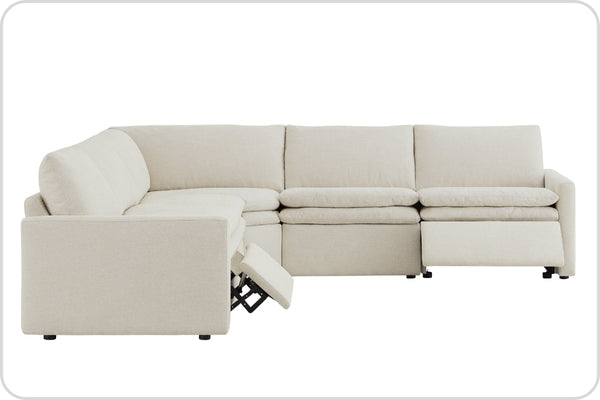
If you want a modular browsing option after checking fit, Delaney Modular Sofas is a practical place to compare layouts and sizes. For pet owners, the best sofa is usually the one that balances maintenance, durability, and the way you actually live, not the one that looks easiest to love for a day.
FAQs
Q1. What Sofa Fabrics Are Best for Homes With Dogs and Cats?
Tighter weaves and smoother finishes are usually easier to live with than loose, looped, or heavily textured fabrics. They tend to be less likely to snag and often make hair cleanup simpler. If you have a heavy shedder or a cat that kneads furniture, material texture matters as much as color.
Q2. How Do I Tell If a Sofa Frame Is Durable Enough for Pets?
Look for a stable feel, clear construction details, and a frame that does not flex too much when you sit down or shift your weight. Buying guides often point buyers toward kiln-dried hardwood, reinforced joinery, and corner blocks as better durability cues. If the seller cannot explain the build clearly, keep looking.
Q3. Can Performance Fabric Sofas Still Be Stylish in a Pet Home?
Yes, but style works best when it is built on practical material choices. Many performance fabrics come in cleaner textures and more neutral colors, so you can still get a tailored look. The key is to avoid choosing a trendy surface that creates cleaning problems later.
Q4. Why Does My Current Sofa Keep Showing Pet Hair and Odors?
Texture, absorbency, and cleaning habits all affect how much hair and odor linger. Loose weaves and high-texture fabrics trap more debris, while neglected vacuuming lets smells build up. Even a better sofa will need regular care if pets use it daily.
Q5. How Often Should I Clean a Sofa in a Pet-Friendly Home?
Plan on regular vacuuming and spot cleaning rather than waiting for a big mess. The exact rhythm depends on how much your pets shed, whether they sleep on the sofa, and how light the upholstery is. If routine maintenance feels unrealistic, choose a simpler surface before you buy.
The Best Sofa Is the One That Fits Real Pet Life
The safest sofa buying mistakes for pet owners are easy to avoid once you stop shopping by appearance alone. Start with fabric, confirm the frame, and make cleanup part of the decision. If a sofa needs perfect habits to stay nice, it is probably the wrong sofa for a real pet household.
Recommended Products


More to Read
 7 Sofa Trends That Actually Improve Comfort in 2026
Upgrade your living room with furniture that supports your body. Here are 7 modern sofa features designed to maximize your daily comfort...
7 Sofa Trends That Actually Improve Comfort in 2026
Upgrade your living room with furniture that supports your body. Here are 7 modern sofa features designed to maximize your daily comfort...
 Mother's Day Gift Guide: Cozy and Stylish Furniture Picks for Modern Moms
Make Mother's Day more meaningful with furniture gifts that bring comfort, smart features, storage, and quiet luxury into her everyday routine.
Mother's Day Gift Guide: Cozy and Stylish Furniture Picks for Modern Moms
Make Mother's Day more meaningful with furniture gifts that bring comfort, smart features, storage, and quiet luxury into her everyday routine.
 Performance Fabric Reality Check: Does It Really Repel Pet Hair and Stains?
Performance fabric is often marketed as a miracle solution for homes with pets and kids, but the reality is more nuanced. It...
Performance Fabric Reality Check: Does It Really Repel Pet Hair and Stains?
Performance fabric is often marketed as a miracle solution for homes with pets and kids, but the reality is more nuanced. It...