



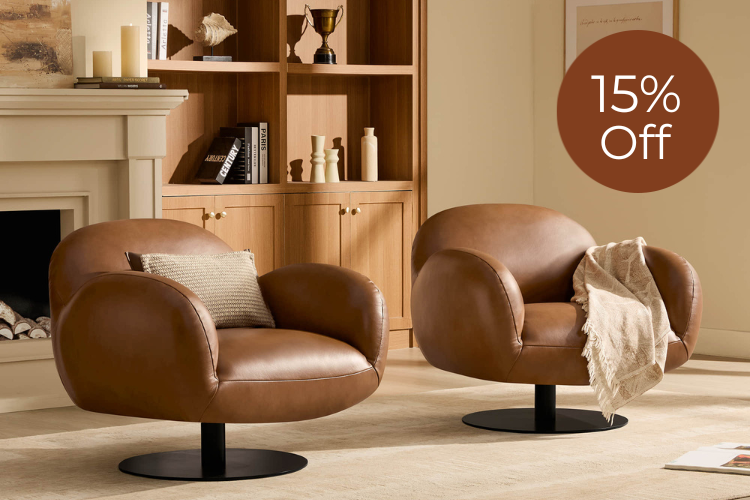



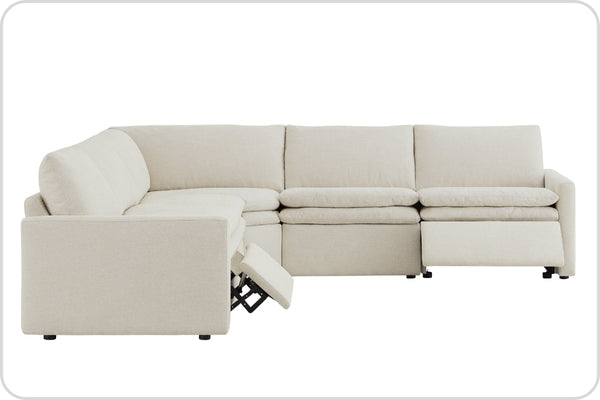

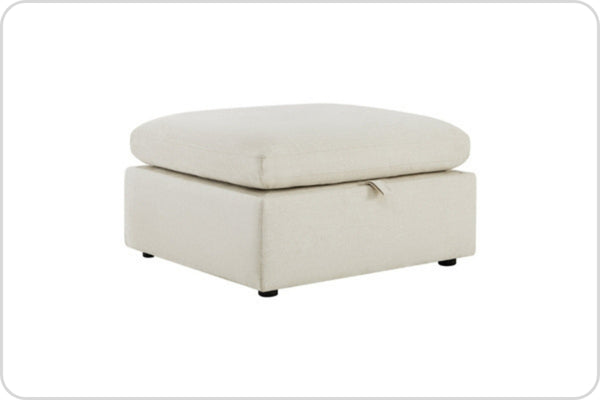

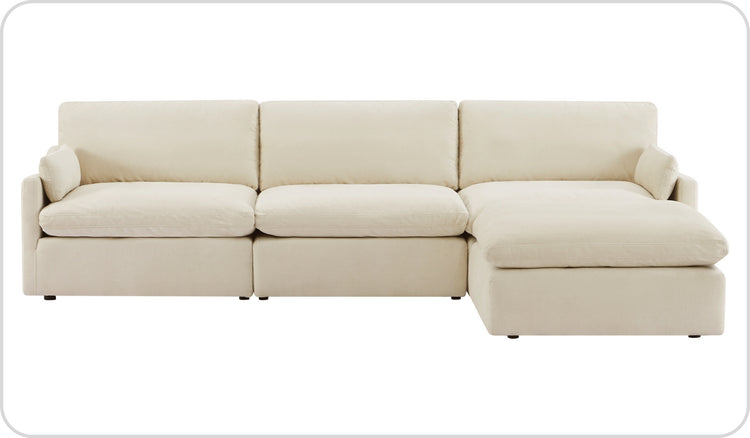


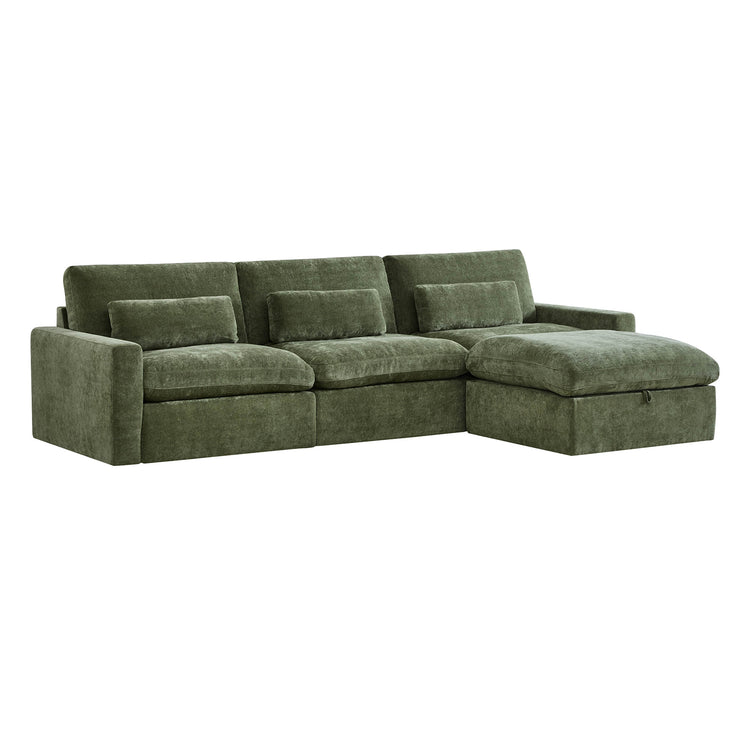


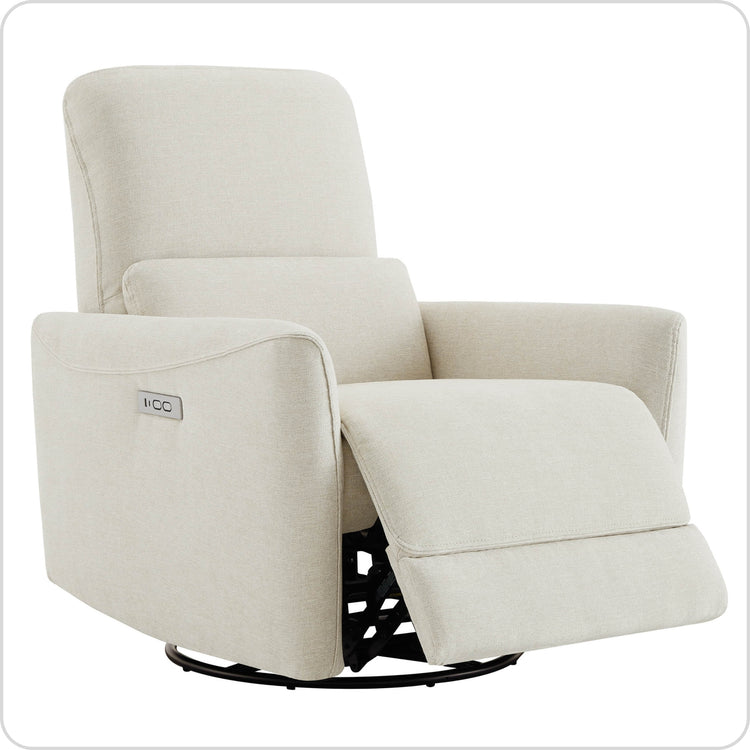
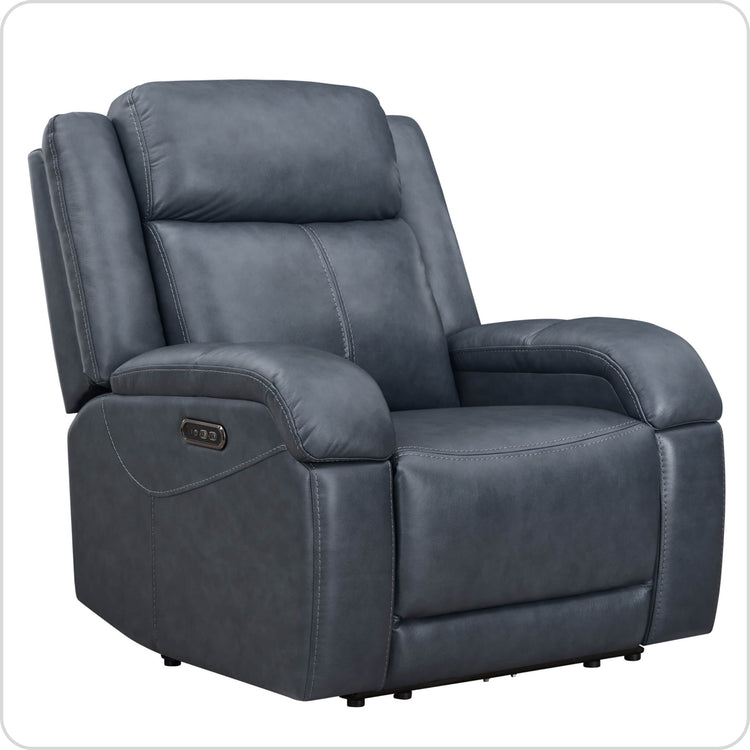
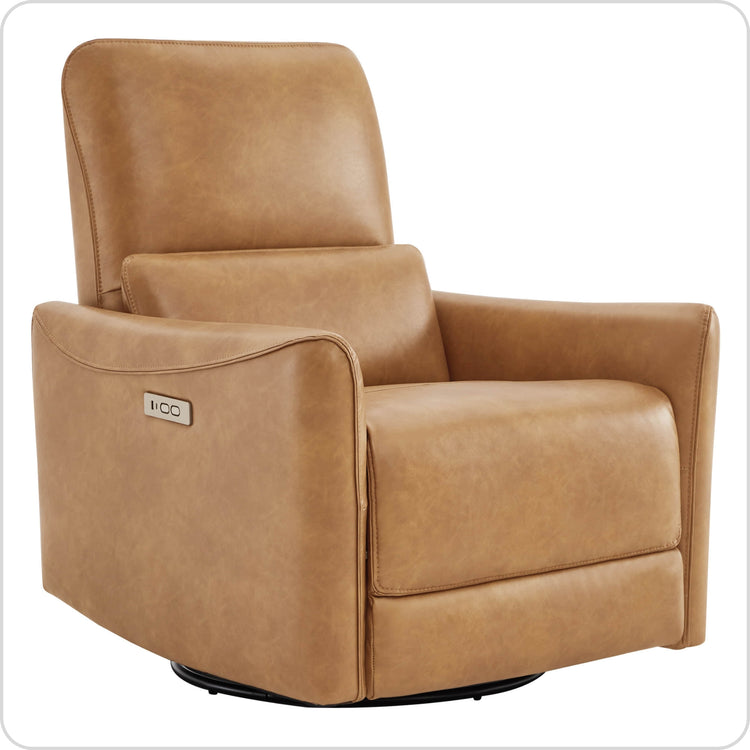















Wall-hugger recliners make it possible to place comfortable seating much closer to the wall than traditional models, which is why they are a top choice for apartments, condos, and other small living spaces. The key is understanding that these chairs typically need only 3 to 6 inches of wall clearance to recline fully, while also accounting for front extension and walkway space to avoid blocking traffic or hitting furniture.

What Is a Wall-Hugger Recliner and Why Does It Matter for Small Spaces?
A wall-hugger recliner, also called a wall-away or space-saving recliner, uses a mechanism that slides the seat forward as you recline instead of simply tilting the backrest backward. This design keeps the chair from needing a large gap behind it, making it far more practical in tight rooms where every inch counts.
Apartment dwellers, condo owners, and parents setting up small nurseries often choose these chairs because they preserve walking paths and allow furniture to sit closer to walls without sacrificing comfort. Unlike standard recliners that demand significant rear space, wall-huggers prioritize efficient use of limited square footage while still delivering full recline functionality.
Wall-Hugger vs. Standard Recliner Clearance: What’s the Real Difference?
Wall-hugger recliners typically require only 3 to 6 inches of clearance from the wall to fully recline, whereas standard recliners generally need 12 to 18 inches of space between the chair back and the wall (Essential Guide to Wall-Away Recliners). This roughly one-foot difference can transform how you arrange a small living room or apartment.
For example, the extra room freed up behind a wall-hugger often lets you place the chair closer to a sofa or console without crowding the center of the space. Chita models such as the Oliver Power Recliner Sofa Chair and Isaac Zero Wall-hugger Power Recliner with Cup Holder are engineered with these minimal-footprint mechanisms, giving small-space shoppers more layout flexibility.
Does 'Zero-Wall' Really Mean Zero Inches?
“Zero-Wall” is a popular marketing term that indicates greatly reduced clearance needs, but it rarely means a literal 0.0-inch gap is safe for every model. Most designs still perform best with a conservative 2 to 3 inch buffer to prevent scuffing walls or putting stress on the mechanism.
Always check the specific product manual rather than relying solely on the label. Lift-assist or power models may behave differently from basic wall-huggers, and some require slightly more space than others. Treating “Zero-Wall” as “minimal clearance required” helps you avoid installation problems in real rooms.
Clearance Needed for Three Recliner Types
Wall clearance needed to fully recline by design type; use as a planning guide for small-room fit, not as a universal product spec.
View chart data
| Category | Typical clearance range (in.) |
|---|---|
| Standard recliner | 8.0 |
| Wall-hugger recliner | 4.0 |
| Zero-wall recliner | 0.0 |
Compiled from manufacturer and retailer descriptions that place standard recliners around 8–12 inches, wall-huggers around 3–6 inches, and zero-wall designs at 0–1 inch clearance.
The Front Extension Factor: Why Wall Clearance Isn’t the Only Number That Matters
Even when a chair clears the wall easily, you must still leave 16 to 18 inches in front for the footrest to extend fully without hitting a coffee table or other furniture (Essential Guide to Wall-Away Recliners). This front extension often becomes the real limiting factor in small rooms.
For safe traffic flow, maintain a minimum walkway clearance of 30 to 36 inches around furniture, according to NKBA residential planning guidelines. In nurseries or narrow apartments, a swivel recliner can also create a “strike zone” where the rotating motion bumps a nearby wall or crib even if the back clearance is fine.

Our Recliners collection includes several power models that let you fine-tune the recline angle, which can help preserve walkways in tight layouts.
Measuring Your Space: A Step-by-Step Guide for Apartments and Nurseries
Start by measuring the static footprint of the chair while it is upright. Next, simulate the fully reclined position plus front extension to map the operational footprint. Finally, check your delivery path—doorways as narrow as 28 to 30 inches can work if the model offers a removable back feature (Recliner Size Guide: 6 Tips for Small Rooms).
Use painter’s tape on the floor to outline the chair’s full range of motion and any required walkways. This quick exercise reveals whether the recliner will block a crib, doorway, or main traffic lane before you order. The Oliver Wall-hugger Reclining Sectional Sofa Collection offers multiple configurations that suit different apartment layouts.
Small Space Fit Checklist: Before You Buy
Use this checklist to confirm a good fit:
- Verify at least 3 inches of wall clearance (or the exact specification for your chosen model).
- Confirm 16–18 inches of clear space in front for footrest extension.
- Map a 30-inch minimum walkway around the reclined chair.
- Measure doorways and look for removable-back designs if access is tight.
- Consider power recliners for precise positioning in constrained spots.
Reading the Creating a Private Retreat: How to Choose the Perfect Accent Recliner for Your Bedroom can give you additional ideas for compact placements that also work in living rooms.
Frequently Asked Questions
How much clearance does a wall hugger recliner need?
Most wall-hugger recliners need 3 to 6 inches from the wall, but always confirm the exact requirement for the model you are considering. Adding a small buffer prevents scuff marks and reduces mechanical stress.
What is the difference between a wall-hugger and a standard recliner?
A standard recliner typically requires 12 to 18 inches of rear clearance, while a wall-hugger needs far less because its seat slides forward during recline. This makes wall-huggers much easier to fit into apartments and small living rooms.
Do I need space in front of a wall-hugger recliner?
Yes. Plan for 16 to 18 inches of clear space in front so the footrest can extend fully without colliding with tables or other furniture. This front zone often matters more than the wall gap in compact rooms.
Can a wall-hugger recliner go flush against the wall?
Many “Zero-Wall” models come very close, but most manufacturers still recommend a 2–3 inch gap. Check the product manual to avoid damaging walls or the mechanism over time.
Will a wall-hugger recliner fit through my apartment door?
Measure your doorway width. Many modern recliners include removable backs that reduce the required opening to about 28 inches, solving a common delivery frustration in tight apartments.
What walkway space should I leave around a recliner?
Leave at least 30 to 36 inches of clear walkway according to NKBA guidelines. This keeps the room navigable even when the chair is reclined or someone is standing up.
Are power wall-hugger recliners better for small spaces?
Power models often provide smoother, more precise adjustments, which helps you stop at the exact angle that preserves walkways. Many also include USB ports for convenient charging in compact setups.