









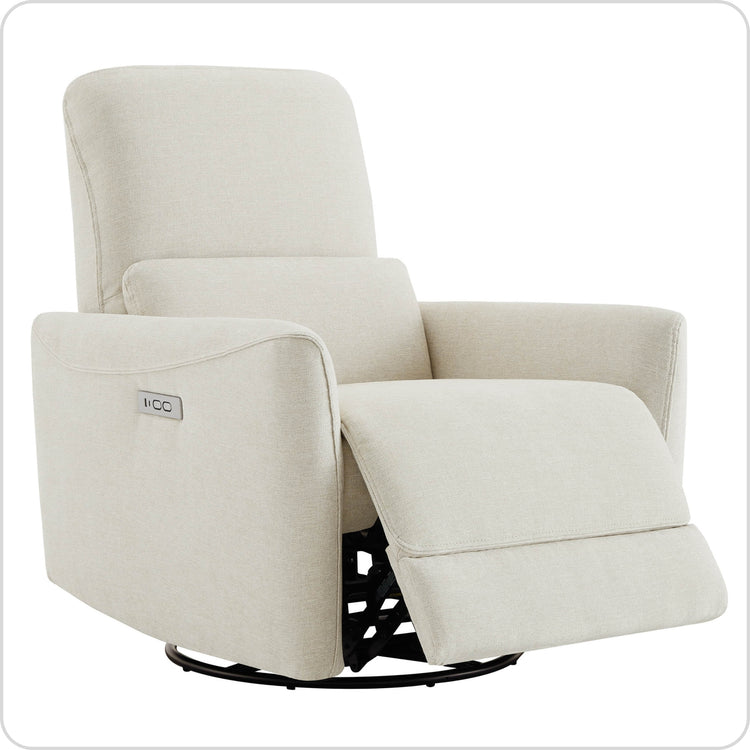
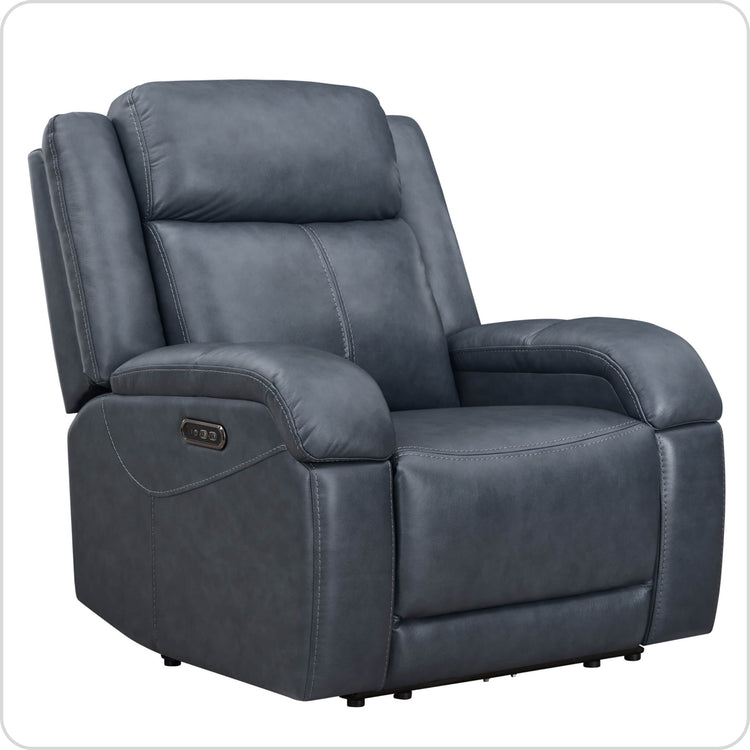
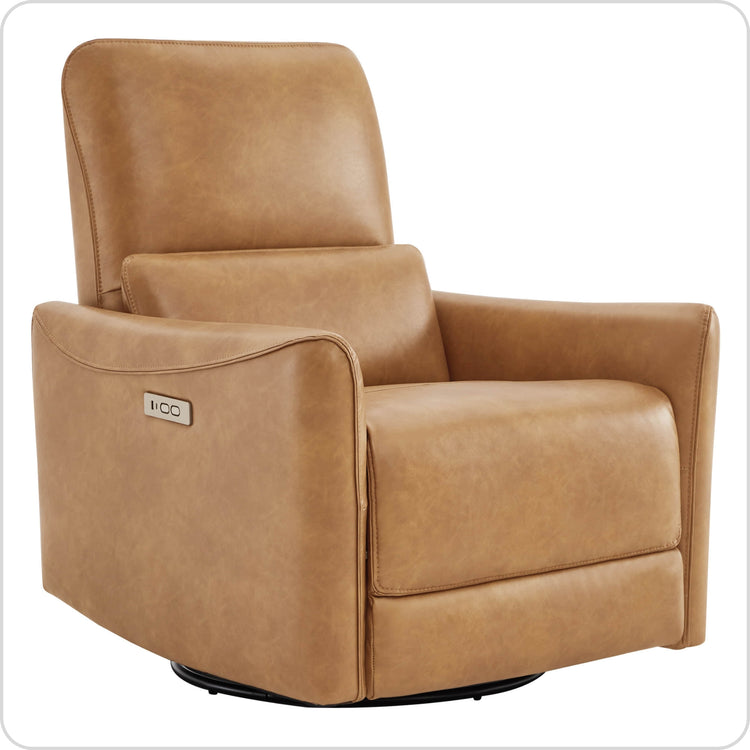



















The Science of Zero Gravity: From NASA to Your Living Room
Zero gravity recliners shift the traditional view of a lounge chair into a functional home recovery station. By mimicking NASA's research into the Neutral Body Posture (NBP), these chairs elevate your legs above heart level while distributing weight across your back. This alignment is designed to support circulation and ease the spinal tension that often accumulates during long workdays.
The concept originated from the relaxed position astronauts naturally adopt in microgravity. In this posture, the body forms approximately a 128-degree angle between the torso and thighs. This specific alignment minimizes stress on muscles and joints by reducing the constant pull of gravity experienced when sitting or standing upright.

In 2026, many users are integrating these chairs into "biohacking" or proactive recovery routines. Rather than all-day lounging, the posture offers a structured way to reset after sedentary work. As NASA spinoff research suggests, seating designed around neutral body posture can contribute to a reduction in physical fatigue by offloading the musculoskeletal system.
Spinal Pressure Relief: How Decompression Supports Back Health
When you recline into a zero-gravity position, the compressive load on your spinal discs and vertebrae is reduced. For remote workers or those spending hours at a desk, this can help alleviate built-up tension. Many users report a noticeable reduction in lower back tightness after short sessions, as the even weight distribution takes the "weight of the world" off the lower spine.
It is important to note that while these chairs provide significant support and comfort, they are wellness tools rather than medical treatments for chronic conditions. For those exploring a zero gravity recliner for back pain relief, the best results typically come from using the chair as one part of a broader routine that includes movement and proper ergonomics.
Circulation Support: Relieving Leg Fatigue and Swelling
One of the most practical benefits of this design is leg elevation. By positioning the feet above the heart, the chair aids venous return—helping blood and fluid move more easily back toward the heart. As the Cleveland Clinic explains, elevating legs in this manner helps drain built-up fluid and improves blood flow, which is particularly helpful for those experiencing end-of-day leg heaviness or mild swelling.
Compared to standard recliners that keep legs parallel to the floor, zero-gravity positioning provides a more effective angle for fluid management. This makes it a strong candidate for the best recliner for circulation and recovery, especially for those in sedentary roles.
Finding Your "Zero-G" Rhythm: Usage Guidelines and Safety
Treating your recliner as a recovery station works best with intentional, timed sessions. While there is no universal "medical dosage" for sitting in a chair, common user patterns suggest that a "pulsed" approach helps maintain benefits without causing stiffness.
- Circulation Focus: 15–30 minutes is often sufficient to notice a reduction in leg heaviness.
- Decompression & Relaxation: 30–45 minutes allows the muscles to fully relax into the neutral posture.
- Movement Break: We recommend getting up to move and stretch at least once every 60 minutes to prevent joint stiffness.
Zero-G Recliner Session Windows by Recovery Goal
Typical recovery windows for circulation, spinal decompression, and a full reset. Use these as common guidance ranges, not medical thresholds.
View chart data
| Category | Typical session window (min) | Upper limit (min) |
|---|---|---|
| Circulation | 15.0 | 30.0 |
| Spinal decompression | 30.0 | 45.0 |
| Full reset | 30.0 | 60.0 |
Based on community planning ranges and NASA-derived positioning guidance for recovery use.
When to Pause or Consult a Professional
While zero-gravity positioning is generally safe for healthy adults, certain groups should exercise caution:
- High-Sensitivity Groups: If you have a history of DVT (blood clots), recent spinal surgery, or severe vertigo, consult your physician before using extreme recline angles.
- Discomfort Boundaries: If you experience tingling, numbness, or a sharp increase in pain while reclined, return to an upright position slowly.
- Mobility Check: If you have significant difficulty standing up from a deep recline, prioritize power models with a "lift" assist or a more shallow "home" position.
Building Your 2026 Home Recovery Stack
A zero gravity recliner shines as the anchor for a broader wellness routine. A common "recovery stack" might involve 20 minutes in the neutral posture combined with other modalities:
- Zero-G Recline: Offload the spine and improve circulation.
- Layered Therapy: Use compression boots or a weighted blanket while reclined.
- Mindset: Finish with 5 minutes of breathwork or meditation.
For small spaces, wall hugger recliners are ideal, as they require significantly less clearance behind the chair (often as little as 2–8 inches). If your routine involves lotions or post-workout use, consider Performance Fabric vs Leather to ensure your "station" is easy to clean and durable.

Choosing the Right Recliner for Your Body Type
When selecting a model for recovery, focus on features that support consistent use:
- Motor Control: Dual or triple motors allow you to adjust the headrest and lumbar independently, which is vital for finding your specific "neutral."
- Height Compatibility: Taller users (over 6'0") should check for extended footrests to avoid "heel hang," which can cause calf pressure. Shorter users should ensure the headrest aligns with their neck to avoid strain.
- Space Planning: Even "space-saving" models need room to breathe. Measure your fully extended footprint before buying.
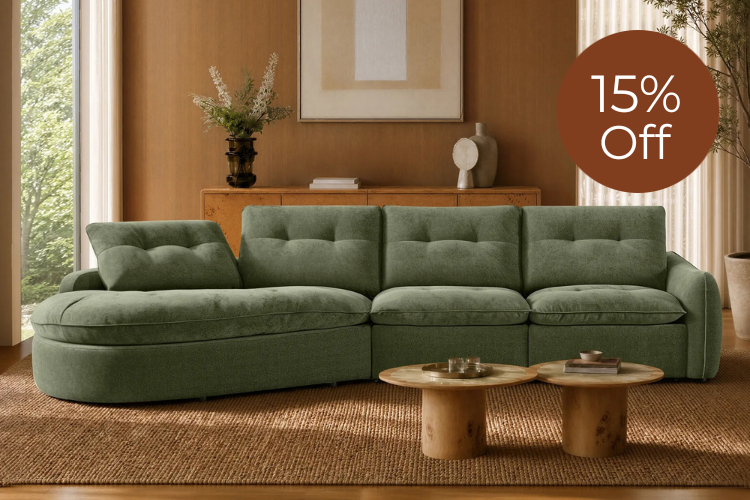
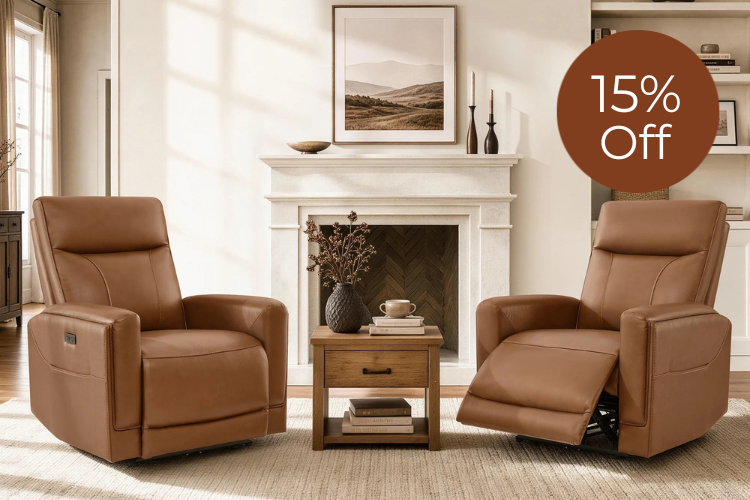
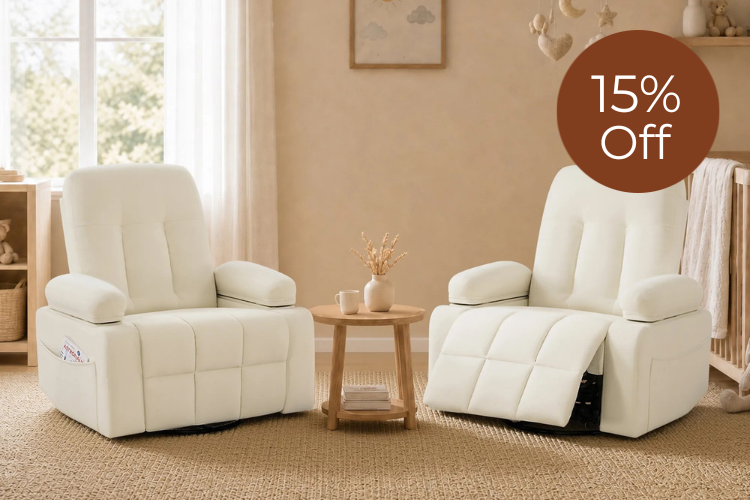
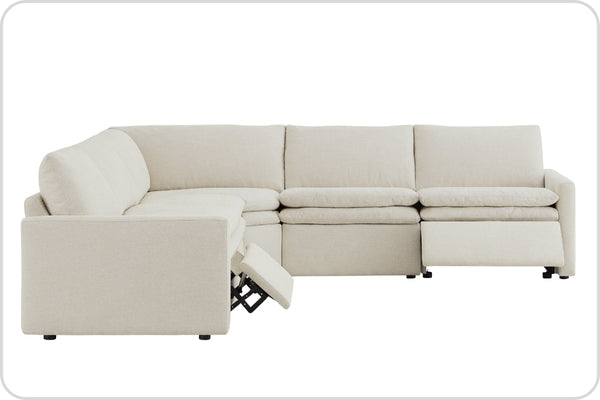
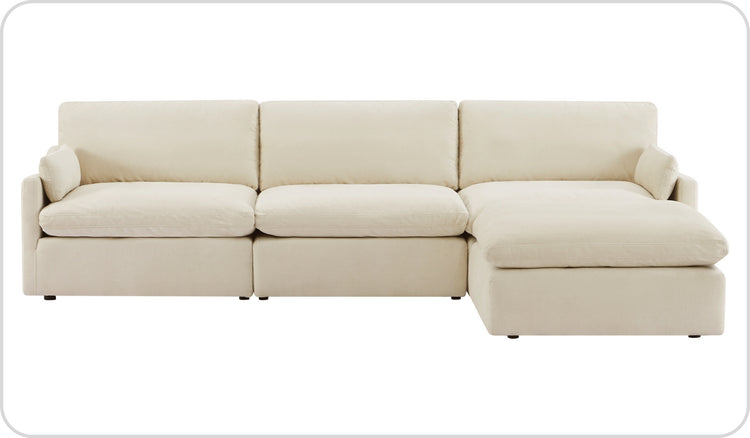
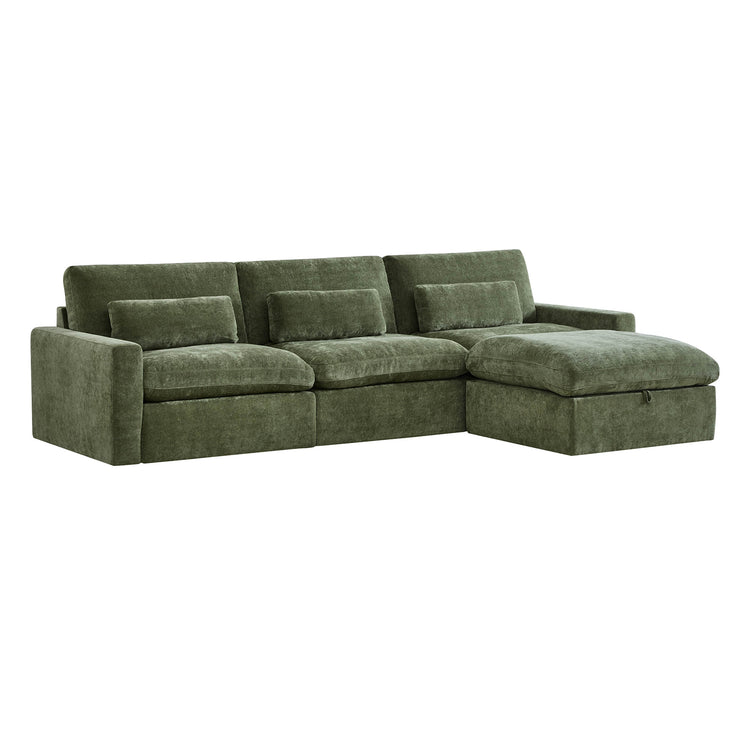
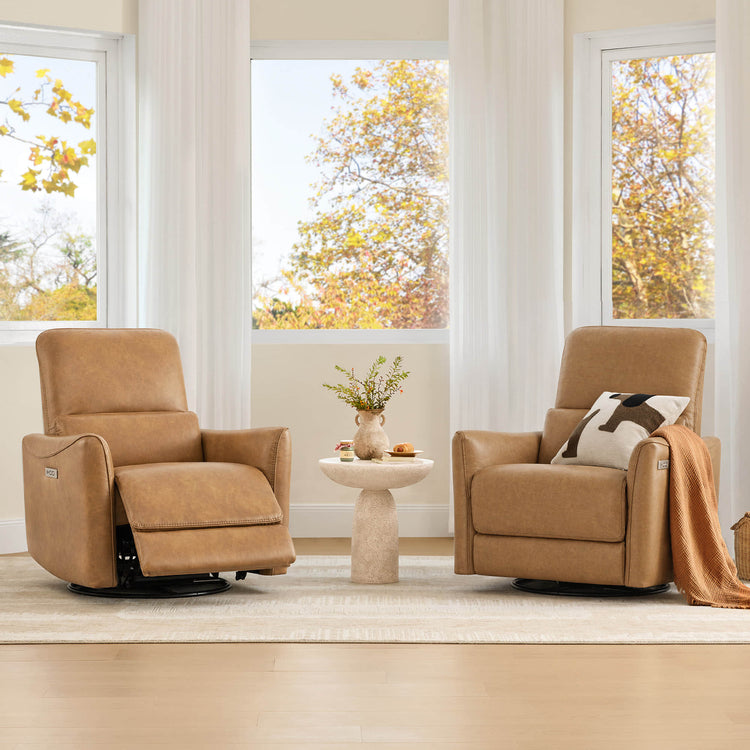
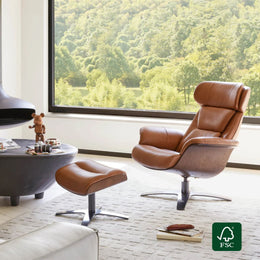
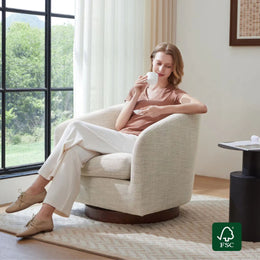
Our Ohana modular zero gravity reclining sofas and Skyline power reclining sectionals offer flexible configurations for dedicated wellness corners. For tighter layouts, the Stella lay-flat power recliner provides a compact footprint without sacrificing the zero-gravity feel.
Frequently Asked Questions
How do I integrate zero gravity into a daily routine?
Most users find the best results by using the chair for 20 minutes immediately after work or a workout. This helps "reset" the body before transitioning into evening activities.
Are power recliners better than manual for recovery?
Power models are generally preferred for recovery because they allow for micro-adjustments and smoother transitions. Read our comparison of Power vs Manual Recliners for more detail.
What maintenance is required?
To keep the motors and fabric in top shape, perform a "clearance check" monthly to ensure no objects are blocking the mechanism. For more tips, see our guide on how to make your recliner more comfortable.
Can I sleep in a zero gravity recliner?
While comfortable for naps, these chairs are designed for recovery sessions. For full overnight sleep, most experts recommend a flat mattress that allows for natural tossing and turning. If you do use it for longer periods, ensure you have adequate neck support.
By choosing a chair that fits your height and space, and by following a structured usage "dosage," a zero gravity recliner can become the most effective tool in your home wellness kit.
Recommended Products


More to Read
 7 Sofa Trends That Actually Improve Comfort in 2026
Upgrade your living room with furniture that supports your body. Here are 7 modern sofa features designed to maximize your daily comfort...
7 Sofa Trends That Actually Improve Comfort in 2026
Upgrade your living room with furniture that supports your body. Here are 7 modern sofa features designed to maximize your daily comfort...
 Mother's Day Gift Guide: Cozy and Stylish Furniture Picks for Modern Moms
Make Mother's Day more meaningful with furniture gifts that bring comfort, smart features, storage, and quiet luxury into her everyday routine.
Mother's Day Gift Guide: Cozy and Stylish Furniture Picks for Modern Moms
Make Mother's Day more meaningful with furniture gifts that bring comfort, smart features, storage, and quiet luxury into her everyday routine.
 Performance Fabric Reality Check: Does It Really Repel Pet Hair and Stains?
Performance fabric is often marketed as a miracle solution for homes with pets and kids, but the reality is more nuanced. It...
Performance Fabric Reality Check: Does It Really Repel Pet Hair and Stains?
Performance fabric is often marketed as a miracle solution for homes with pets and kids, but the reality is more nuanced. It...