

























Buying a new sofa is a huge commitment. It is likely the most used piece of furniture in your home, acting as a spot for naps, movie nights, and hosting friends. Because it costs a significant amount of money, you want it to provide comfort and style for many years. However, the process of picking one out is harder than it looks. This guide identifies the most frequent errors people make so you can find a sofa that actually fits your living room and your daily life.
Why Sofa Buyers Often Make the Wrong Choice
Buying a sofa often feels like a rush. Many shoppers get distracted by the fancy lighting and large open spaces in a furniture store. A couch might look small and perfect in a showroom but feel far too big in a normal living room.
In this way, an item that looks great in a picture or a shop can fail in daily life. Without a plan, people pick a style they like but forget to check if it fits their actual needs. To get the best value, you must balance at least these five things:
- Size of the piece.
- Comfort of the seats.
- Material durability.
- Layout of your room.
- Budget for the long term.
Focusing on just one detail leads to regret later. Keep reading on and figure out what are the common errors when buying a new sofa.
1. Choosing the Wrong Sofa Size
The most frequent error is misjudging how a sofa occupies space. A couch that looks small in a giant warehouse can easily overwhelm a standard apartment living room. Conversely, a tiny loveseat might look lost in a room with high ceilings and wide walls.
Many people measure the sofa itself but fail to measure the floor space around it. You need enough room to walk past the furniture without hitting your shins. To avoid this, use painter's tape to outline the sofa's dimensions on your floor at home. This shows you exactly how much walking space remains. If you have a small room, look for a 3-seater sofa with ash wood base because the exposed legs create a sense of openness compared to a sofa that sits flat on the floor.

The Keaton 3-Seater Sofa | Performance Fabric & Wood Base blends natural elegance with everyday durability, featuring a sturdy kiln-dried solid ash wood base, water-repellent performance fabric, and reversible, feather-filled cushions for supreme, long-lasting comfort.
2. Forgetting to Measure Doorways and Entry Paths
It is a nightmare to buy a beautiful sectional only to find out it won't fit through your front door. This mistake is expensive because you might have to pay restocking fees or professional disassembly costs.
The sofa has to travel through hallways, around tight corners, and potentially up a staircase or inside an elevator. Before you swipe your card, measure the height and width of every door and passage the delivery team will use. Compare these numbers to the "packaged dimensions" listed on the product page. If your home has very narrow entries, consider flexible modular pieces let you lounge without the stress, as these arrive in smaller, manageable boxes that fit through any standard door.

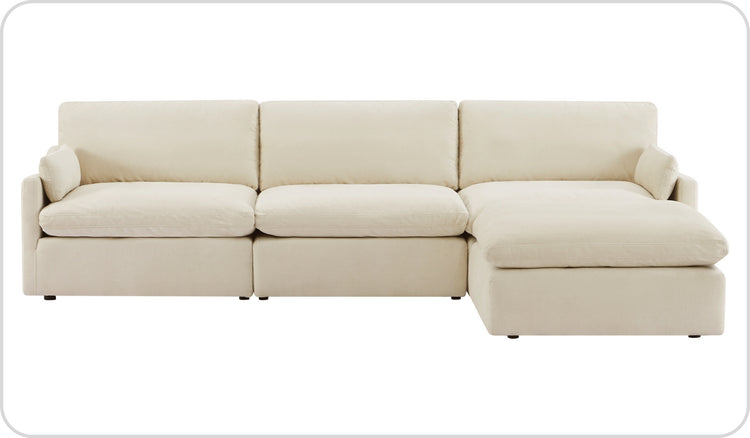
The Brendon Sofa Collection offers timeless modern appeal with its clean lines, oversized sink-in cushions, solid wood legs, and flexible modular pieces designed to let you easily rearrange and style your living space.
3. Prioritizing Style Over Comfort
A sleek, modern sofa with sharp lines might look like it belongs in a magazine, but if it feels like sitting on a wooden bench, you will regret it. Some designs are too deep, making your legs dangle, while others are so low that they are hard to stand up from.
Never buy a sofa without considering the ergonomics. If you are shopping in person, sit on it for at least ten minutes. Check the arm height to see if it supports your elbows and feel the backrest to see if it supports your spine. If you prefer a soft feel, look for oversized cushions that allow you to sink in. A sofa is a tool for relaxation, so if it isn't comfortable, the style doesn't matter.
4. Ignoring Your Lifestyle Needs
The way you use your home should dictate what you buy. A white linen sofa might be perfect for a quiet person living alone, but it is a disaster for a household with three toddlers and two dogs.
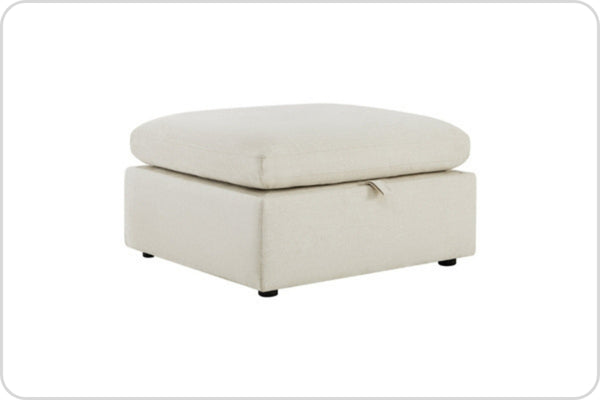
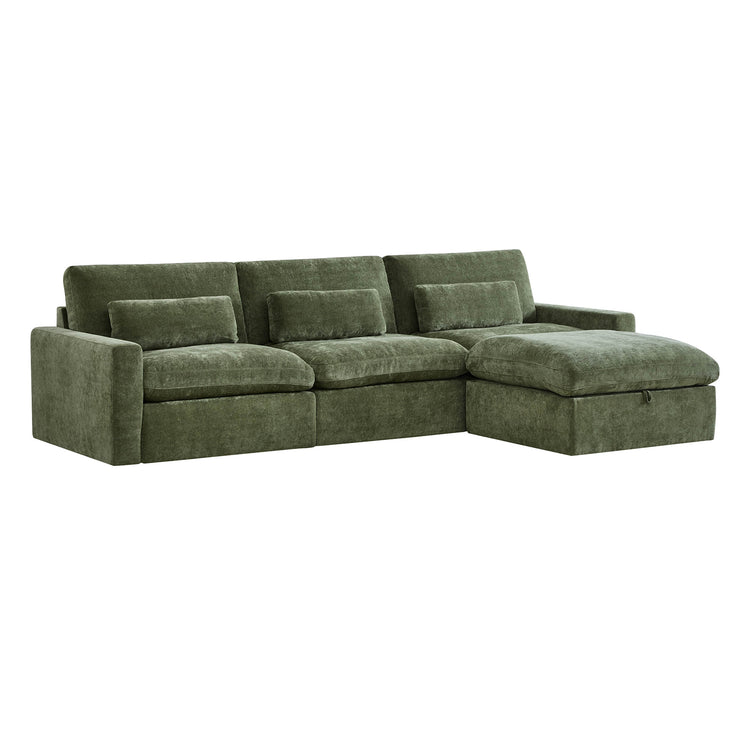
Think about your daily habits. Do you eat dinner on the couch? Do your pets jump on the furniture? If you have a large family that loves movie marathons, a modular sofa with storage ottoman provides a place to hide blankets and extra room for everyone to kick up their feet. If you want high-end comfort that handles heavy use, a dual-motor genuine leather sofa offers durability and easy cleaning while providing adjustable support for different family members.

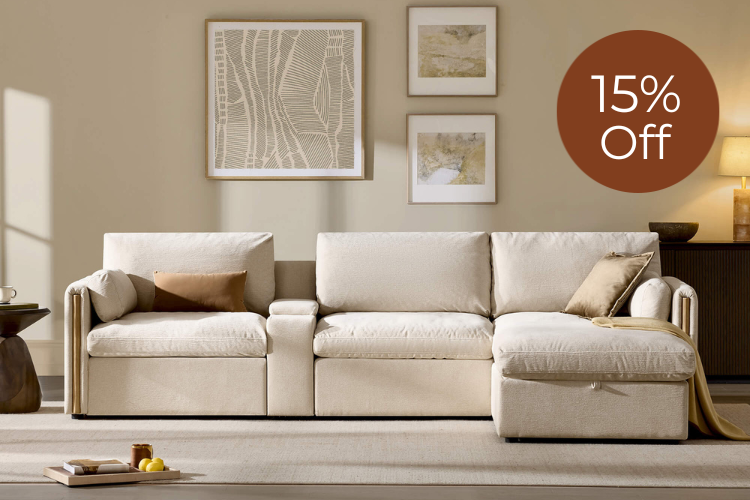
The Maisie 4-Seat Modular Sofa offers a lounge-first feel with wide seats and duvet-soft arm pillows, featuring an easily reconfigurable design, durable OEKO-TEX® fabric, and hidden storage for convenient, everyday comfort.
5. Picking the Wrong Upholstery Material
The fabric you choose affects both the look and the longevity of the piece. Some materials, like velvet, look luxurious but attract pet hair like a magnet. Others, like thin cotton, might stretch or tear after just a year of use.
Match the material to your environment. If you live in a humid area, heavy synthetic fabrics might feel scratchy or hot. If you have kids, look for "performance" fabrics that resist stains. Leather is excellent for durability and develops a nice patina over time, but it can feel cold in the winter. Always ask for fabric swatches to see how the color and texture look in your home's natural light before committing.
6. Overlooking Sofa Frame and Cushion Quality
What is inside the sofa is more important than the fabric on top. Cheap sofas often use particle board or plastic frames that crack under pressure. Similarly, low-density foam cushions will flatten out and lose their shape within a few months.
High-quality sofas usually feature kiln-dried hardwood frames and heavy-duty springs. Look for solid wood legs as a sign of sturdy construction. When checking cushions, ask if they are high-density foam or wrapped in down. High-density foam lasts longer and keeps the sofa looking new. If the sofa feels light or wobbly when you push on the armrest, it likely won't last more than a couple of years.
7. Choosing the Wrong Configuration
A common mistake is picking a trendy L-shaped sectional that blocks the natural flow of traffic in the room. If the "long" side of the sectional is on the wrong end, it can cut your living room in half or block a fireplace.
Think about how you move through the room. If you need seating that can change when guests come over, look for a modular reclining sofa that can be rearranged. For those who want maximum utility in a tight space, a sofa with customizable configurations and built-in consoles allows you to keep drinks and remotes nearby without needing extra side tables. Make sure the shape of the sofa complements the shape of the room.

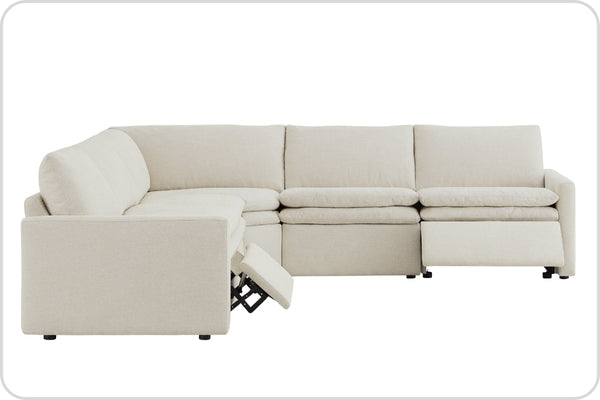
The Ohana Modular Reclining Sofas provide the ultimate relaxation experience with customizable modular layouts, built-in consoles, and smooth zero-gravity technology that elevates your legs to reduce strain and help you decompress.
8. Buying Based Only on Price
It is tempting to grab the cheapest option available, but a budget sofa often ends up costing more in the long run. If a couch breaks or sags in two years, you have to spend money all over again to replace it.
On the other side, a very expensive price tag doesn't always mean better quality; sometimes you are just paying for a designer name. Instead of looking at the price, look at the warranty and the materials. A mid-priced sofa with a 10-year frame warranty is a much better value than a cheap one with no protection. Evaluate the "cost per year" rather than the total price today.
9. Skipping Research Before Buying Online
Buying online is easy, but it carries risks. You can't feel the fabric or test the firmness. Many buyers skip the "fine print" and end up surprised by high shipping costs or a return policy that makes it impossible to send the sofa back if they hate it.
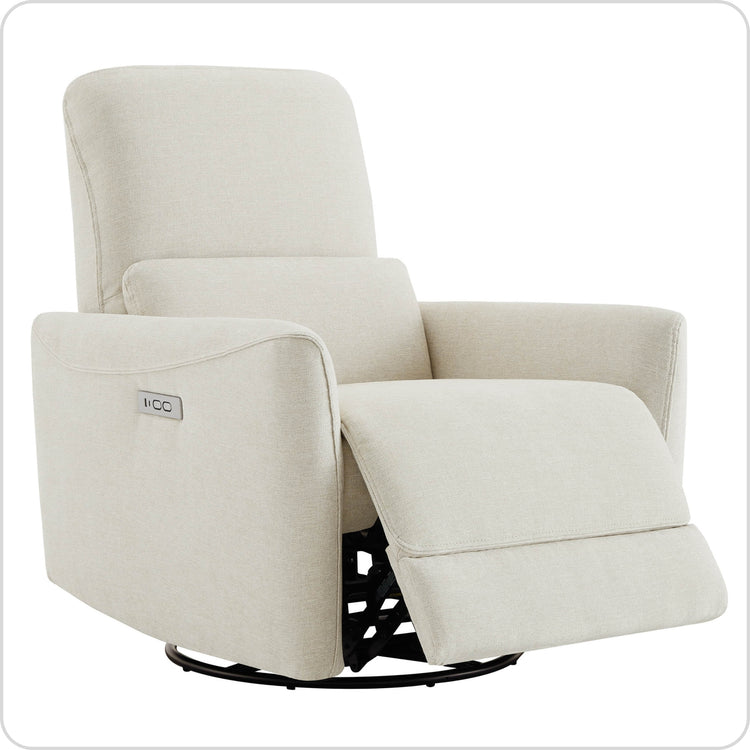
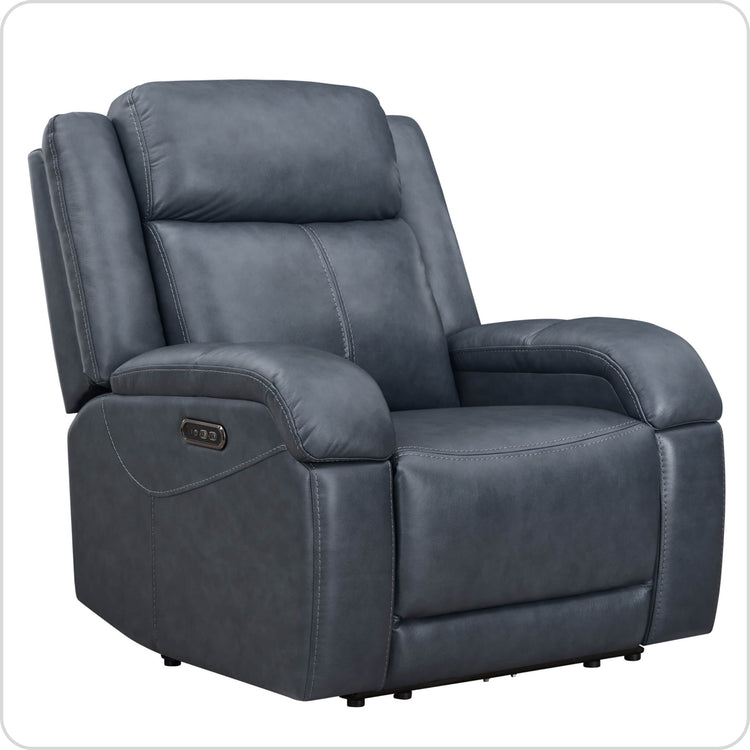
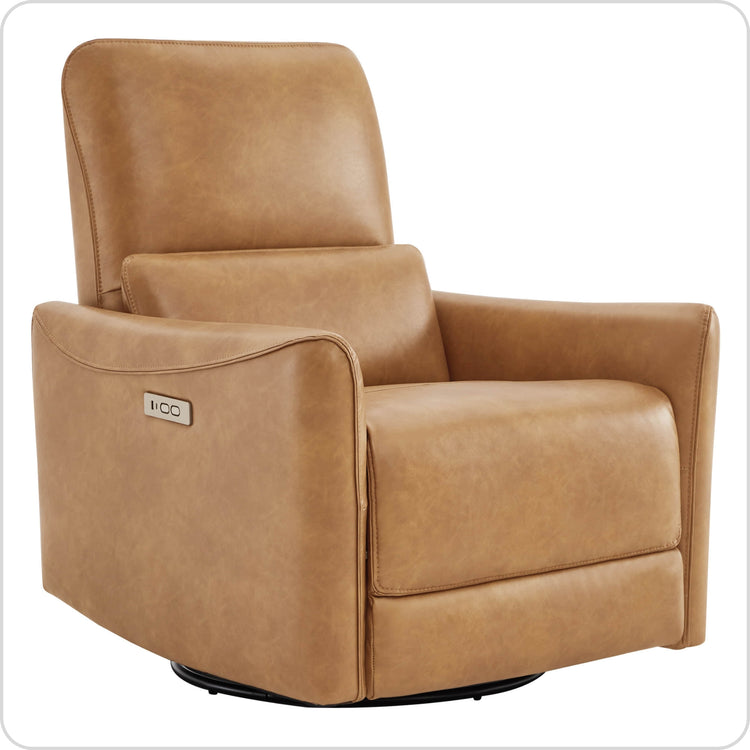
To avoid this, spend time reading customer reviews, especially the ones that include photos. These photos show how the color looks in a real house rather than a studio. Check the "firmness rating" usually provided by the manufacturer. If you are worried about the sofa hitting the wall when you lean back, look for a zero-wall power reclining sofa, which is designed to slide forward as it reclines so it can sit right against the wall.

The Murphy Power Recliner | Zero-Wall Dual-Motor Sofa combines modern function with thoughtful craftsmanship, offering a space-smart zero-wall design, top-grain leather touchpoints, and an independent dual-motor system for personalized headrest and reclining support.
How to Choose the Right Sofa with Confidence
A great purchase starts with a clear plan. Focus on these steps to find a piece that fits your home:
- Start with the basics: Use a tape measure to get the exact size of your room. Decide how many people need a seat every day.
- Filter your options: Narrow your search by size, shape, and fabric. If you have pets or children, look for tough, easy-clean materials.
- Compare the details: Check the frame quality, cushion softness, and how much work it takes to keep it clean.
Your sofa must work for your real life. A beautiful couch is only a good choice if it feels comfortable and holds up over time.
Quick Sofa Buying Checklist
Use this list as a final check before you pay for your new furniture:
- Measure everything: Check the room dimensions and every doorway or hallway the sofa must pass through.
- Capacity: Confirm the sofa provides enough seating for your household.
- Material check: Ensure the fabric or leather is easy to clean and suits your climate.
- Comfort test: Verify the seat depth and back support meet your needs.
- Build quality: Look for hardwood frames and high-density foam.
- Policies: Read the warranty and the return policy in case the sofa arrives damaged or doesn't fit.
Pick a High-Quality Sofa for Long-Term Value
Most people run into trouble because they let their eyes make the decision instead of their common sense. A sofa needs to be a workhorse that handles hours of sitting every single day. The best way to shop is to balance the way it looks with how it functions. If you take the time to measure your space, research the materials, and check the construction, you will end up with a sofa that stays comfortable and beautiful for a decade or more.
FAQs About Buying a Sofa
Q1: What is the most common mistake when buying a sofa?
The most frequent error is choosing a sofa that is the wrong size for the room. Many people guess the dimensions or only measure the wall, forgetting to account for how much floor space the piece takes up. This leads to a cramped living room where it is difficult to walk around.
Q2: How do I know if a sofa is good quality?
To judge quality, look past the fabric. A high-quality sofa typically has a kiln-dried hardwood frame and heavy-duty springs rather than just elastic webbing. Check the weight; a heavy sofa often indicates a solid wood frame. Also, look for high-density foam cushions that bounce back immediately after you sit on them.
Q3: Is it okay to buy a sofa online?
Yes, buying online is safe as long as you do your homework. Since you cannot sit on the sofa first, you must rely on customer reviews and detailed product specifications. Pay close attention to the return policy and shipping fees, as sending a large sofa back can be very expensive if it doesn't meet your expectations.
Q4: Which sofa material is best for families with kids or pets?
For busy households, performance fabrics or genuine leather are usually the best options. These materials are durable and resist staining or snagging. If you have pets that shed, avoid textured fabrics like chenille or velvet, which trap hair. Instead, look for smooth, tightly woven synthetic blends that are easy to wipe down.