
























Deep Seat Sofa Pros and Cons: Is It Right for How You Sit?

A deep seat sofa gives you more cushion space in front of the backrest for curling up, folding your legs or changing lounging positions. For upright conversation, that same depth may put the back cushion too far away while your feet are on the floor. Choose around the positions you use most often and the fit each regular user needs.
The pros and cons in everyday use
| How you use the sofa | What extra depth offers | Possible drawback |
|---|---|---|
| Curled-up reading or TV | More front-to-back space for folded legs | Arm shape and usable seat width may still restrict the position |
| Upright conversation | Room to adjust your position | The backrest may be hard to reach with feet supported |
| Standing up | A generous resting area | You may need to move farther toward the edge |
| A shared family sofa | Several lounging positions | Different users may need different back or foot support |
| A small living room | A roomy seat in one piece of furniture | A deep frame may use space needed for circulation |
A deep sofa is a strong candidate for a room used mainly for lounging. For a room used mostly for upright sitting, prioritize a seat that lets your back and feet stay supported together. A sofa with an ottoman or a chaise can provide a separate place to stretch out.

How deep is a deep seat? Read the two measurements
Usable seat depth measures the sitting space from the front edge to the supporting face of the back cushion or backrest. Overall depth measures the full furniture footprint from front to back. Ask how a listing measures the seat if the back cushions are loose or adjustable.
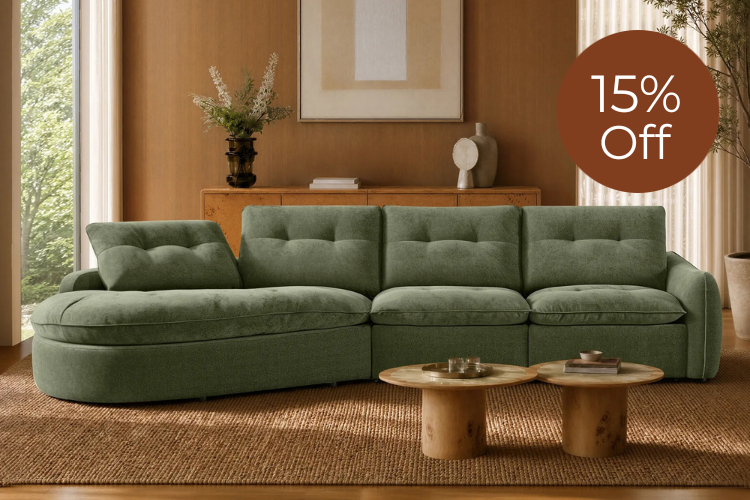
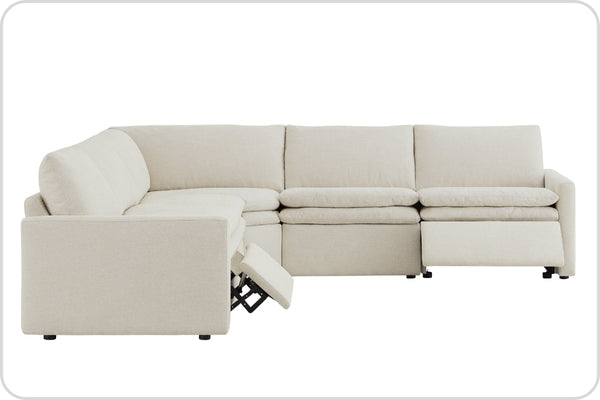
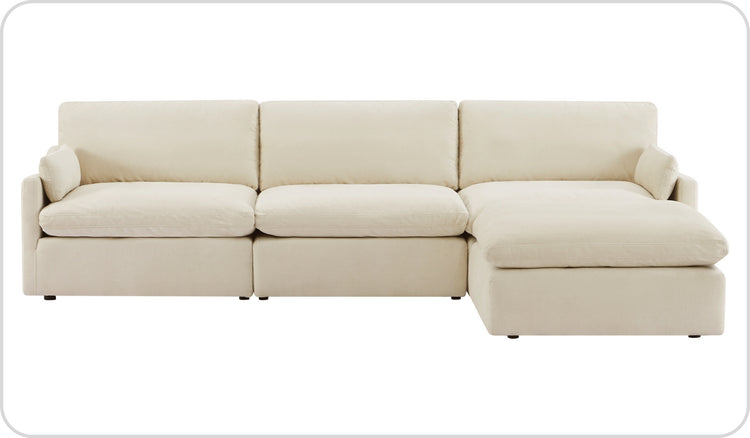
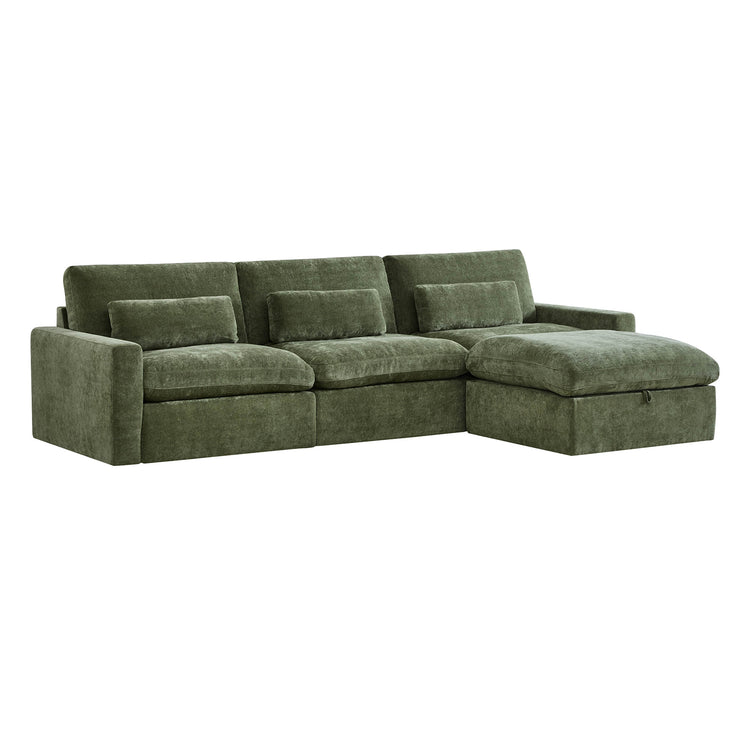
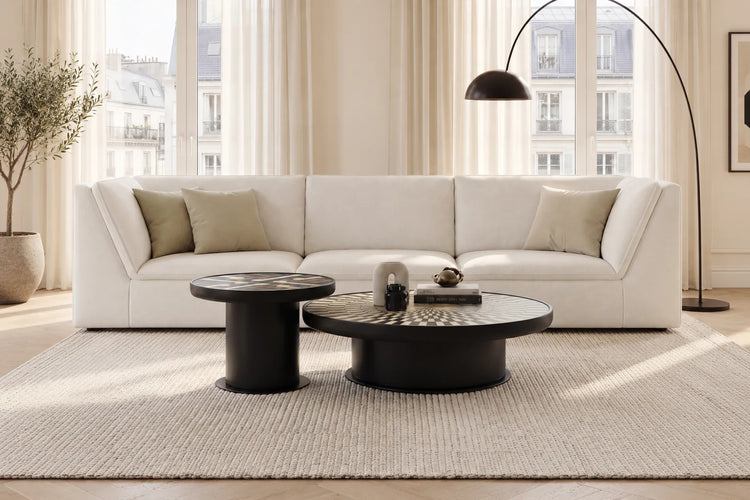
For a concrete example, our Kenna 3 Seat Modular Sofa lists a 27.6-inch seat depth and a 41.7-inch overall depth. Use the first measurement for comparing sitting space and the second for marking the room. The listing describes soft cushions with a blend of fiber and feathers that can be fluffed.
Retail descriptions use “deep” for different dimensions. Bring the actual number into the comparison. Our sofa seat height and depth guide explains the measurement points, and the deep versus standard seat comparison expands on upright fit.

Where extra depth feels useful
You tend to tuck your legs onto the seat
Extra front-to-back space can leave more room for folded legs during reading or a film. Try the posture itself and check your shoulder, arm and head position. The seat's width and arm shape matter alongside depth.
A shallow seat leaves you wanting more thigh support
Someone with longer legs may prefer more sitting space. Compare the front edge with the back of your knees while your back is against the cushion. Your leg proportions and the seat height give more useful information than height alone.
You like changing lounging positions
A generous cushion can make it easier to shift between resting sideways and sitting with your legs folded. On a design with an approved adjustable back, try each position you plan to use and check how the back support changes.
Where a deep sofa becomes awkward
Your feet leave the floor when you reach the back
For upright sitting, check whether your back and feet can be supported at the same time. If reaching the back cushion leaves your feet hanging, try a shallower seat or the support accessories you intend to use. A firm cushion placed behind your back can shorten the usable seat; test whether it stays comfortably in position.
The Canadian Centre for Occupational Health and Safety describes back and foot support in its upright workplace sitting guidance. Those are useful fit checks for an upright sofa position; choose the overall setup for the activities you actually do in the living room.
Getting up takes several moves
Stand from your normal resting position, then sit again. Notice how far you move forward and how much the cushion compresses. If the movement feels difficult, compare a shallower or firmer seat and a different height. Arm support can change the way you use the seat too.
The frame crowds the room
Mark the sofa's outside dimensions on the floor. Add the coffee table or ottoman and open nearby doors. Check the full extended footprint for reclining furniture. A seat that works well for lounging still needs an accessible route through the room.

Try this before you buy
- Start with your usual posture. Sit as you would at home and let the cushions settle under you.
- Check the front edge. Notice any uncomfortable pressure behind the knees.
- Check support together. Reach the back cushion while keeping your feet supported in your intended upright position.
- Try lounging. Put your legs where you normally rest them and check the arms and head support.
- Stand up. Judge the movement from the position you actually used.
- Repeat for regular users. Record which cushion or footrest adjustments each person needs.
For an online purchase, measure a seat you already find comfortable, using the same front edge and back-support points. Compare seat height, depth and cushion construction. Our online sofa buying guide explains the product details and delivery measurements to gather.
For illustration, comparing a familiar 22-inch usable seat with a 27.6-inch listed seat produces a 5.6-inch difference. The 22-inch value is an example measurement. Use your own seat as the reference and account for the back cushions and the way each seat compresses.

Choose a layout everyone can use
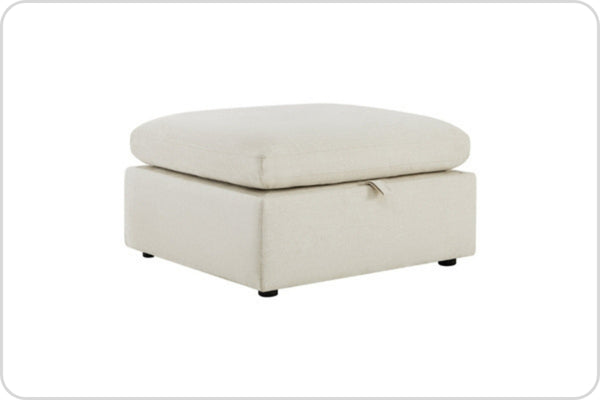
When one person likes curling up and another sits upright, compare a sofa-plus-ottoman arrangement, a chaise beside upright seats, or separate chairs with different dimensions. Our modular sofas offer different arrangements to compare with the room outline.
Keep the care routine in the decision. Some soft cushions need reshaping, and removable covers have their own wash instructions. The sofa cleaning guide explains how to choose a method for the upholstery you own.

Deep seat sofa questions
Are deep seat sofas more comfortable?
Deep seats can feel more comfortable for curling up because they leave extra room for your legs on the cushion. For upright sitting, that same depth may leave your back unsupported when your feet are on the floor. A shallower seat, or a firm back cushion that shortens the usable depth, may suit that posture better.
Can a shorter person use a deep sofa?
A deep sofa can suit a shorter person who likes to curl up. For upright sitting, try a firm cushion behind your back so you can reach the back support with your feet supported. Test standing up with the cushion in place. If you still need several moves to reach the edge or your feet remain unsupported, compare a shallower seat.
Can a deep sofa work in a small living room?
A deep sofa can work in a small room if its full frame leaves room to walk and use the other furniture. Tape out its width and overall depth, add the coffee table or ottoman, and open nearby doors. Include the extended footrest on a reclining model. Use that layout to judge whether the room still works for everyday movement.
What if I already own a sofa that feels too deep?
Try a firm support cushion behind your back and a stable footrest for the position you use most. Check that the arrangement stays in place and lets you stand easily. If those adjustments still leave you uncomfortable, use another seat for upright activities and reconsider the depth when replacing the sofa.
Recommended Products


More to Read
 7 Sofa Trends That Actually Improve Comfort in 2026
Upgrade your living room with furniture that supports your body. Here are 7 modern sofa features designed to maximize your daily comfort...
7 Sofa Trends That Actually Improve Comfort in 2026
Upgrade your living room with furniture that supports your body. Here are 7 modern sofa features designed to maximize your daily comfort...
 Mother's Day Gift Guide: Cozy and Stylish Furniture Picks for Modern Moms
Make Mother's Day more meaningful with furniture gifts that bring comfort, smart features, storage, and quiet luxury into her everyday routine.
Mother's Day Gift Guide: Cozy and Stylish Furniture Picks for Modern Moms
Make Mother's Day more meaningful with furniture gifts that bring comfort, smart features, storage, and quiet luxury into her everyday routine.
 Performance Fabric Reality Check: Does It Really Repel Pet Hair and Stains?
Performance fabric is often marketed as a miracle solution for homes with pets and kids, but the reality is more nuanced. It...
Performance Fabric Reality Check: Does It Really Repel Pet Hair and Stains?
Performance fabric is often marketed as a miracle solution for homes with pets and kids, but the reality is more nuanced. It...