
























How to Choose a Recliner for Bedroom Use: A Complete Guide
Create a private relaxation zone without cluttering your room. Get expert tips on sizing, fabric choices, and placement for the ideal bedroom recliner setup.

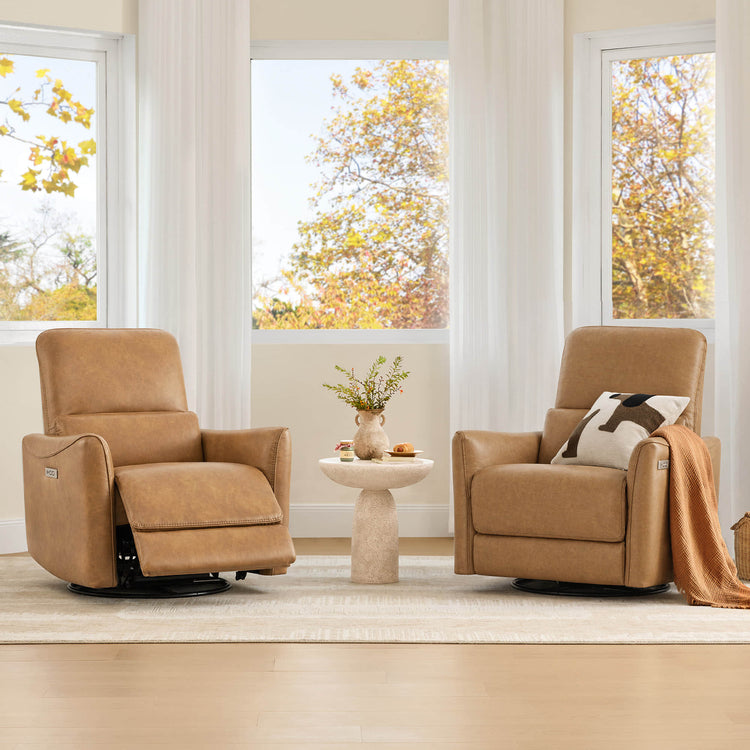
While many people once kept their bulky chairs in the living room, adding a recliner to the sleeping area provides a private place to unwind away from the noise of the rest of the house.
The main problem is that a chair designed for a large family room might not work in a smaller, quieter bedroom. You have to think about how much floor space you have, how the chair feels against your back, and if the size fits the room's layout. Choosing the right bedroom recliner is about finding the perfect balance between comfort and space efficiency.
Why Use a Recliner in the Bedroom?
Adding a chair to your personal suite changes how you use your home. It turns a simple sleeping area into a functional retreat where you can enjoy quiet moments without distractions.
A recliner for bedroom use offers several practical benefits:
- Creates a private relaxation zone: It provides a dedicated spot for reading, scrolling through your phone, or taking a quick nap.
- Improves sleep habits: Sitting in a chair reduces the time you spend lounging on your mattress. This helps your brain associate the bed strictly with deep sleep.
- Adds comfort without the bulk: You get the relaxation of a couch without needing the floor space of a full-sized sofa.
- Fits quiet routines: It is a smart choice for small personal spaces where you want a cozy corner for morning coffee or evening winding down.
Step 1: Measure Your Space First
You need to look at your floor plan before you look at fabrics or colors. A chair that seems small in a huge store may be too big for a normal bedroom when you get it home.
Room Size and Layout Considerations
Recliners need plenty of room to function. Unlike a standard armchair, these chairs extend outward. Most standard models need about 60 to 70 inches of total depth to open fully. If you place the chair too close to a dresser or the foot of your bed, you might find your feet hitting furniture when you try to kick back. You also need to keep walking paths clear so you don't trip in the dark.
Why Wall-Hugger Recliners Work Best
If you have a tight layout, a wall hugger recliner is the best solution. These chairs use a special track system that slides the seat forward as the back tilts down. Because of this design, they only need about 3 to 6 inches of clearance from the wall. This makes them a great recliner for small spaces, allowing you to maximize your usable floor area without sacrificing the ability to lie back and relax.

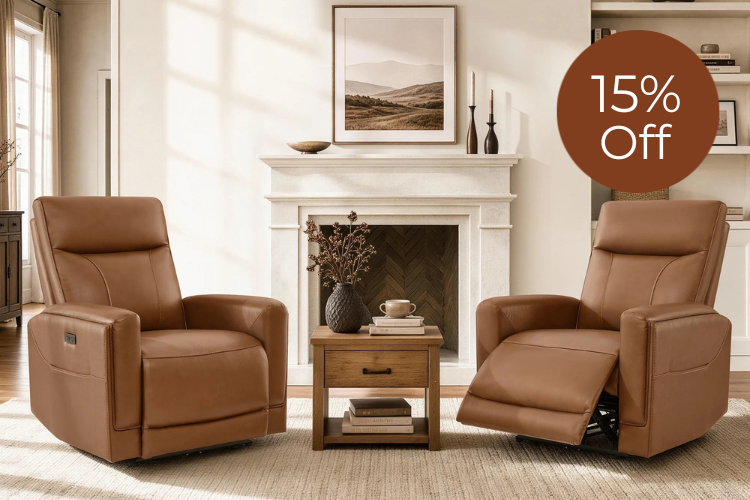
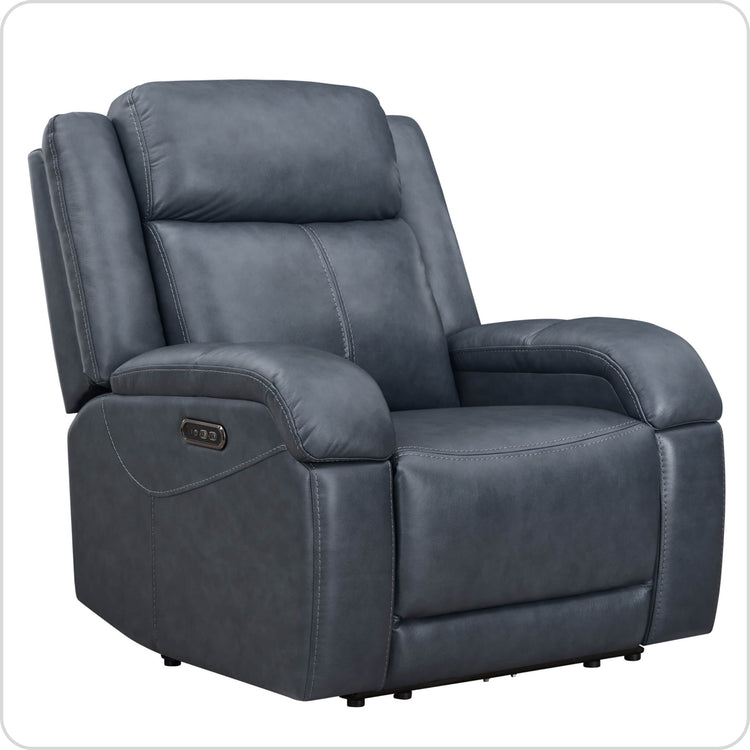
The Isaac Wall Hugger Power Recliner with Power Headrest provides a premium seating experience with its genuine leather upholstery and space-saving design, featuring dual-motor technology for independent headrest and recline adjustments that ensure personalized comfort and optimal ergonomic support.
Step 2: Choose the Right Size for Your Body
A chair that looks “soft” can still be uncomfortable if it doesn't fit your frame. You should treat a recliner like a pair of shoes; the fit matters more than the style if you plan to use it every day.
Fit Matters More Than Size
When you sit down, your feet should be able to rest flat on the floor while the chair is upright. If your legs dangle, it puts pressure on your lower back. The seat depth should support your thighs completely without forcing you to slouch to reach the backrest.
Also, check the back height. Your head and neck should feel fully supported when you lean back. A recliner that doesn't fit your body can cause physical aches even if the padding feels thick.
Consider User Height and Body Type
Manufacturers make chairs for different body types. Petite users should look for a compact recliner chair so they don't feel swallowed by the fabric.
Taller users will need a deeper seat and a much higher backrest to avoid neck strain. While an oversized chair might look cozy, it can feel awkward in a small room and may not provide the right support where you need it most.
Step 3: Pick the Right Recliner Type
The way a chair moves is also important. There are several different mechanical styles, and the one you choose will depend on your physical needs and your budget.
Manual Recliner
These are the most common and affordable options. They usually have a handle or a lever on the side, or they require you to push back with your weight. Manual chairs are lightweight and don't need to be near a power outlet. However, they offer less control over the specific angle of the footrest and back.
Power Recliner Chair
A power recliner chair uses a motor to move the seat. With the push of a button, you can stop the chair at the exact angle you like. This is often the best recliner for relaxation because it moves smoothly and stays exactly where you put it. Many of these models also include extra tech like USB ports for charging your devices while you rest.
Swivel, Glider, and Rocking Recliners
Some chairs do more than just lean back. Gliders and rockers move in a soothing motion that is great for a nursery or for someone who likes to move while they read. A swivel base allows the chair to turn in a circle, which is helpful if you want to switch between looking at a TV and looking out a window. Just remember that these motions often require more empty space around the chair.

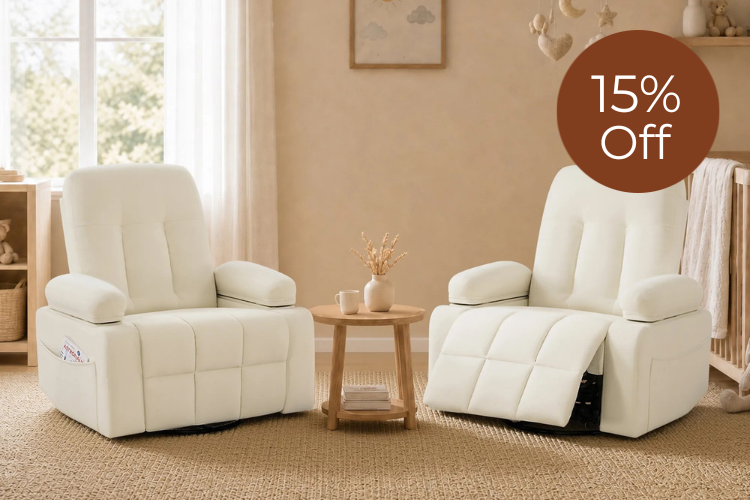
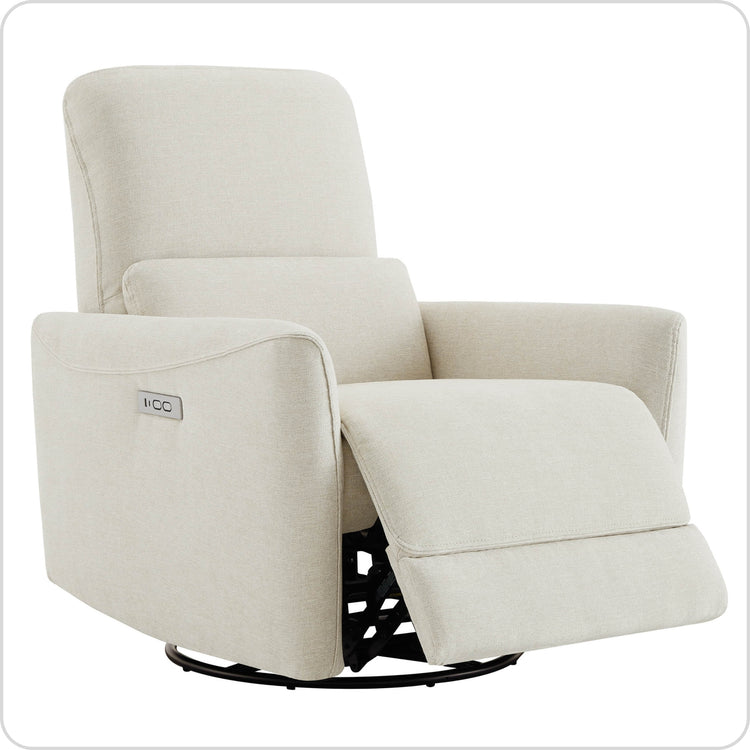
The Aurora Power Swivel Nursery Glider Recliner blends timeless elegance with practical functionality, offering a soothing 270-degree swivel and gentle gliding motion along with effortless power reclining to create the perfect sanctuary for bonding and relaxation.
Step 4: Focus on Comfort and Ergonomic Support
True relaxation comes from how the chair supports your bones and muscles. If the chair is too soft with no structure, you will likely feel stiff after sitting for an hour.
Key Comfort Features to Look For
Look for a recliner with lumbar support to keep your spine in its natural curve. This prevents the lower back pain that often comes from sitting in cheap furniture.
An adjustable recliner chair with headrest support is also helpful if you like to watch TV or read, as it keeps your chin up even when your body is tilted back. Being able to change the reclining angle helps improve circulation and takes the weight off your joints.
Cushion and Padding Considerations
The materials inside the chair change the feel significantly.
- High-density foam is very supportive and keeps its shape for years.
- Down or feathers feel very soft and “cloud-like” at first, but they require constant fluffing and offer less support.
- Memory foam is a great middle ground because it contours to your body while providing a firm base. This makes it a very comfortable recliner for long sitting.
Step 5: Choose the Right Material for Bedroom Use
The fabric you choose sets the mood for the entire room. In a bedroom, you generally want something that feels warm and inviting rather than cold and industrial.
Fabric Recliners
A soft recliner chair for bedroom use is usually covered in fabric. Options like chenille, microfiber, or linen blends feel cozy against the skin. Fabrics come in a huge variety of colors and patterns, making it easy to match your bedding. They stay a consistent temperature, so they won't feel freezing in the winter or sticky in the summer.
Leather Recliners
Leather is very durable and easy to wipe clean if you spill a drink. It provides a luxury look that fits well in modern rooms. However, leather can feel a bit cold when you first sit down, and it may not feel as snuggly as a fabric chair. If you choose leather, consider adding a soft throw blanket to make it feel more appropriate for a sleeping area.

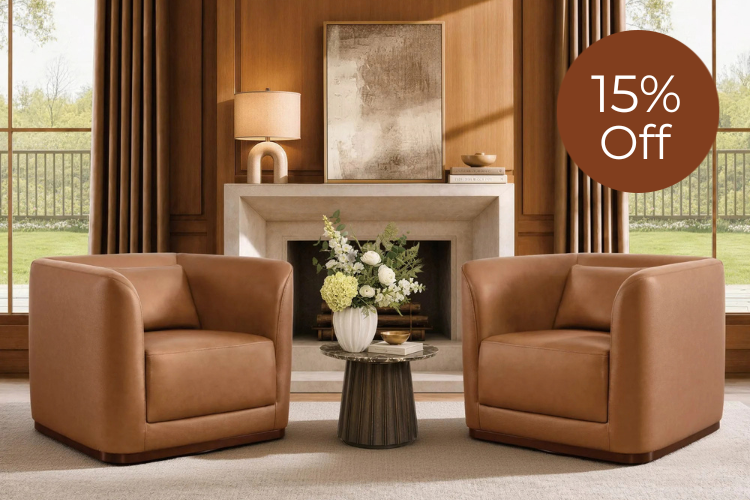
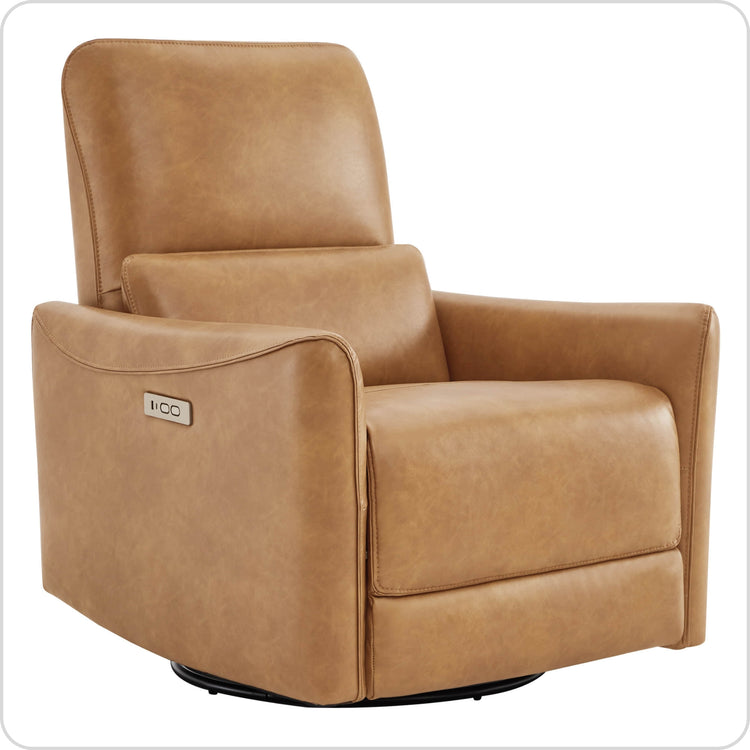
The Tracee Modern Power Swivel Glider Recliner delivers a sleek and sophisticated silhouette for contemporary bedrooms, integrating whisper-quiet swivel and glide motions with integrated USB charging ports to offer a seamless combination of modern style and effortless convenience.
Step 6: Consider Extra Features
Modern technology has made recliners much more than just a place to sit. You can find many smart features today, but you should prioritize the ones you will actually use.
Useful Features for Bedrooms
In a bedroom, quiet operation for recliner is a must. You don't want a loud, grinding motor waking up a partner if you decide to sit up in the middle of the night.
Other practical additions include side pockets for storing books or remotes. A recliner with nightlight features can also help you find your way around the room without turning on the bright overhead lights.

The Alicia Power Swivel Glider Recliner elevates nursery comfort with its unique warm LED base light and plush dual-layer padded arms, providing a smooth one-touch reclining experience and a handy side pocket to keep essentials close during quiet moments.
Optional Features
If you want to go all out, you can find a modern smart recliner that includes Bluetooth speakers or even massage and heat settings. These are great for sore muscles, but they do add to the cost. Think about whether these extras will truly improve your life or if they are just fun gadgets that you will forget to use after the first week.

The Sonia Recliner with Bluetooth Speakers and Power Lumbar Support offers a cutting-edge media escape, combining built-in wireless speakers and adjustable power lumbar support with a full 165-degree lay-flat recline to provide a truly immersive and personalized comfort experience.
Step 7: Match the Style to Your Bedroom
You want your new chair to look like it belongs in the room. A massive, puffy recliner might look great in a basement theater, but it can look like an eyesore next to a delicate bed frame.
- Try to find a recliner for small bedroom use that has clean lines and a slim profile.
- Chairs with track arms, meaning straight and thin arms, take up much less visual and physical space than rolled, padded arms.
- Stick to neutral colors or soft pastels to keep the room feeling calm and restful.
- Avoid heavy, dark frames if your bedroom is light and airy.
Step 8: Placement Tips for Bedroom Recliners
The placement should serve a purpose and not get in the way of your daily movement.
- A popular choice is placing the chair near a window to create a sunlit reading corner.
- If your room is tight, a corner placement is usually the best space-saving recliner chair strategy.
- To make the area feel complete, pair the chair with a small side table for your water glass and a floor lamp for evening reading.
- Just make sure the path from the bed to the bathroom remains completely clear to avoid accidents at night.
3 Common Mistakes to Avoid
Many people get excited and buy the first chair they sit in, but a few common errors can lead to regret.
- First, never buy a chair without measuring your room and the chair's full extension. A recliner for small bedroom use must be able to open without hitting the walls.
- Second, don't pick a chair just because it feels like a giant pillow. Without a best recliner for back support, you will eventually find the chair uncomfortable for long periods.
- Finally, if you choose a power model, make sure you have a wall outlet nearby so you don't have cords stretching across the floor.
Picking the Best Recliner for Your Bedroom
The right chair turns your room into a true retreat. Focus on these three points to find a perfect match:
- Check the fit: Ensure it clears your walls and furniture.
- Support your back: Choose a seat that matches your height.
- Pick useful tools: Select fabrics and features that help you relax.
A great bedroom recliner blends into your space. It offers a cozy, quiet spot to recharge every single day.
FAQs
Q1: What type of recliner is best for a small bedroom?
A wall hugger recliner is the top choice. It slides forward as it reclines, meaning it only needs a few inches of space between the back of the chair and the wall.
Q2: Is a power recliner better than a manual one for bedrooms?
Yes, a power model is usually better. It is a quiet recliner for bedroom use and allows for more precise angles. It is also easier to operate if you are feeling tired or have limited strength.
Q3: How much space do I need for a recliner in a bedroom?
You should plan for about 60 to 70 inches of total depth. This accounts for the chair itself and the space needed for the footrest to come all the way out.
Q4: Are recliners good for sleeping or napping?
Yes. If you choose a model with an ergonomic recliner chair design and good lumbar support, it can be a very healthy place for a nap. It helps keep your airways open and reduces pressure on your joints.
Recommended Products


More to Read
 7 Sofa Trends That Actually Improve Comfort in 2026
Upgrade your living room with furniture that supports your body. Here are 7 modern sofa features designed to maximize your daily comfort...
7 Sofa Trends That Actually Improve Comfort in 2026
Upgrade your living room with furniture that supports your body. Here are 7 modern sofa features designed to maximize your daily comfort...
 Mother's Day Gift Guide: Cozy and Stylish Furniture Picks for Modern Moms
Make Mother's Day more meaningful with furniture gifts that bring comfort, smart features, storage, and quiet luxury into her everyday routine.
Mother's Day Gift Guide: Cozy and Stylish Furniture Picks for Modern Moms
Make Mother's Day more meaningful with furniture gifts that bring comfort, smart features, storage, and quiet luxury into her everyday routine.
 Performance Fabric Reality Check: Does It Really Repel Pet Hair and Stains?
Performance fabric is often marketed as a miracle solution for homes with pets and kids, but the reality is more nuanced. It...
Performance Fabric Reality Check: Does It Really Repel Pet Hair and Stains?
Performance fabric is often marketed as a miracle solution for homes with pets and kids, but the reality is more nuanced. It...