How to Choose a Reclining Sofa When Your Family Members Are Different Heights


Key Takeaways
- Compare seat height, seat depth, backrest height, and footrest reach to match each family member's body proportions.
- Look for independent reclining seats and adjustable headrests to support different seating preferences.
- Test the sofa in both upright and fully reclined positions.
- Check room clearance, doorway access, and individual seat dimensions before ordering.
- Choose a sofa that balances fixed dimensions with useful adjustment features.
Sharing a reclining sofa can be challenging when family members have different heights. A seat that feels comfortable for a tall adult may leave a shorter person struggling to reach the floor. A deep seat may provide plenty of room for stretching out, but it can make upright sitting less comfortable for someone with shorter legs.
The right choice depends on more than overall sofa size. Seat height, seat depth, backrest support, and footrest length all affect how well a reclining sofa fits each person. By comparing these details and testing the available adjustments, families can find seating that works for their daily routines.
How Height Differences Affect Reclining Sofa Comfort
A reclining sofa changes the body's position, but its basic dimensions remain important.
Seat Height and Lower-Leg Length
Seat height is the distance from the floor to the top of the seat cushion. It affects foot placement, knee position, and how easily someone can sit down or stand up.
If the seat is too high, shorter family members may struggle to keep their feet flat on the floor. Their legs may hang without enough support. A seat that is too low can make taller users bend their knees more sharply and put extra effort into standing.
Ideally, users should be able to sit with their feet supported, knees comfortably bent, and thighs resting on the cushion.
Seat Depth and Thigh Length
Seat depth measures the distance from the front edge of the cushion to the backrest. It determines how much support the seat provides along the thighs.
A deep seat gives taller users more room to stretch out. An extra-deep seat design for spacious lounging can also suit people who enjoy sitting with their legs tucked up. Yet shorter users may struggle to reach the backrest while keeping their feet on the floor.
A shallow seat can help shorter users sit upright, but taller people may not receive enough thigh support. The best fit leaves a small gap between the seat edge and the back of the knees while allowing the user to sit against the backrest.
Backrest Height and Torso Length
People with longer torsos may need more support around the shoulders and head. A fixed backrest that works for a shorter person may stop below the shoulders of a taller user.
Headrest placement matters too. If the headrest sits too high or pushes the head forward, the user may need to adjust their neck to find a comfortable position. Adjustable headrests can help accommodate different torso lengths and reclining angles.
Footrest Reach and Leg Length
The footrest should support the lower legs without leaving the heels hanging over the edge. Taller users may need a longer extension, while shorter users should check that their legs rest naturally when the footrest is raised.
Also, distinguish footrest extension from fully reclined depth. The first describes how far the footrest extends, while the second refers to the total space occupied by the sofa in its reclined position.

Ohana 5-Seat Zero Gravity Modular Reclining Sofa
Check Five Reclining Sofa Measurements Before Buying
Once you know which body proportions affect comfort, compare the sofa's listed dimensions. These measurements provide a useful starting point when shopping online or visiting a furniture store.
Seat Height
Check the distance from the floor to the top of the seat cushion. Keep in mind that soft cushions compress under body weight, so the actual sitting height may be lower than the listed measurement. If possible, have each family member sit on the sofa and check their foot placement. Avoid choosing a seat based only on the tallest person's needs.
Seat Depth
Compare the listed seat depth with each person's thigh length. A standard-depth modular sofa may provide balanced seat depth for everyday sitting, while deeper seating offers more room for relaxed lounging.
For a practical fit, users should be able to sit against the backrest without pressure behind their knees. If the seat is too deep, a removable lumbar cushion may help bring shorter users forward.
Seat Width
Overall sofa width does not tell you how much usable space each person gets. Armrests, center consoles, and gaps between cushions can reduce the actual seating area.
Check the width of each seat, especially if family members have different body sizes or prefer more room to move. A wider sofa can provide spacious seating for family living, but each individual seat still needs to offer enough usable space.
Backrest and Headrest Height
Check how high the backrest reaches when the user sits upright. Taller people should pay attention to shoulder and upper-back support. If the sofa has an adjustable headrest, test its full range of movement. It should support the head without pushing it forward or leaving the neck unsupported.
Footrest Extension and Fully Reclined Depth
Ask for the footrest's extended dimensions and the sofa's full reclined depth. These measurements help you check leg support and plan the available floor space. A long overall reclining length does not automatically indicate a long footrest. Check both measurements separately, particularly if a tall family member will use the sofa regularly.

Elora Cloud-Soft Deep Lounge 3-Seater Reclining Sofa with Power Headrest
Choose Adjustable Reclining Features for Different Family Members
Fixed dimensions determine the basic fit, while adjustable features give each person more control. These options can make shared seating more comfortable for households with different needs.
Independent Reclining Seats
Independent reclining seats allow family members to choose their own positions without changing the settings of nearby seats. For example, one person can sit upright and read while another reclines to watch TV. This flexibility is useful for families with different routines and comfort preferences.
Check that each reclining section operates separately. Some sofas have a shared reclining mechanism, so multiple seats move together rather than independently.
Adjustable Power Headrests
Adjustable power headrests for personalized head and neck support can help users find a more comfortable position as they recline. A shorter person may need a different headrest angle than someone with a longer torso. The adjustment also helps users maintain a comfortable viewing angle while watching TV.
Check the headrest's range of movement and how it aligns with the back of the head. A headrest that moves only slightly may not provide enough flexibility for family members with noticeably different proportions.

Oliver 4-Seat Wall-hugger Reclining Sectional Sofa with Power Headrest
Separate Backrest and Footrest Controls
Some power reclining sofas offer separate footrest and backrest positioning. This allows users to raise their legs without fully reclining their upper bodies. This feature can be useful for reading, watching TV, or taking a short break. A dual-motor system may provide this type of independent movement, while some simpler models link the two parts together.
Multi-motor designs may also include adjustable headrests or lumbar support. Check the listed functions rather than assuming every power recliner offers the same adjustments.
Adjustable Lumbar Support
Lumbar support helps support the lower back while sitting. A fixed cushion may sit too high for someone with a shorter torso or too low for a taller user. Adjustable lumbar support can provide more control over the contact point. Removable lumbar pillows offer another option because users can reposition them to suit their backs.
If a sofa has neither feature, check whether its back cushions provide enough support in both upright and reclined positions.
How to Match the Reclining Sofa to Your Family's Specific Needs
Different household combinations create different seating challenges. Consider the people who use the sofa most often and prioritize the features that address their actual needs.
When One Family Member Is Much Taller
Taller users should pay close attention to seat depth, backrest height, and footrest reach. A deeper seat may provide more thigh support, while a taller backrest can offer better upper-body support.
Adjustable headrests and independent reclining controls can add flexibility. Still, avoid choosing an oversized sofa based only on the tallest person's needs. Shorter family members should also test the seat depth and foot placement.
When One Family Member Is Much Shorter
Shorter users often need a seat that allows them to sit against the backrest while keeping their feet supported. Prioritize manageable seat depth, suitable seat height, and accessible lumbar support. A removable cushion can help reduce the effective sitting depth, although it does not change the sofa's actual dimensions.
When Children and Adults Share the Sofa
Children may use the same sofa differently as they grow. Flexible seating arrangements can help accommodate changing needs, but safety deserves attention. Keep children away from moving footrests and reclining mechanisms. Check for exposed gaps and pinch points, and teach children not to play beneath an open footrest. Power controls should also be used with adult supervision.
When Older Adults Use the Sofa Regularly
Older family members may need more support when sitting down and standing up. A suitable seat height, stable armrests, and cushions that do not allow excessive sinking can make daily use easier.
Choose controls that are easy to reach and operate. If someone needs mechanical assistance to stand, consider a power lift recliner rather than assuming a standard power reclining sofa provides the same support.

Murphy Premium Dual-Motor Genuine Leather Zero-Wall Power Reclining Sofa
Test a Reclining Sofa With Every Main User Before Buying
Product specifications help narrow your choices, but actual comfort depends on how the sofa fits each person. Have the main users test the same seating positions.
Test the Upright Sitting Position
Ask each family member to sit with their hips against the backrest and feet resting naturally on the floor.
Check these points:
- Do both feet reach the floor comfortably?
- Are the knees bent naturally?
- Do the thighs receive enough support?
- Is there a small gap behind the knees?
- Does the lower back rest comfortably against the cushion?
- Can the arms rest on the armrests without raising the shoulders?
If someone has to sit at the front edge to reach the floor, the seat may be too deep or too high for them.
Test the Fully Reclined Position
Extend the footrest and recline the backrest to check how the sofa supports the entire body.
Pay attention to head and neck alignment, calf support, and heel placement. The feet should not hang far beyond the footrest, and the knees should not experience uncomfortable pressure.
Also check if the body slides forward during reclining. This can indicate that the seat angle or back support does not suit the user.
Test Different Reclining Positions and Controls
Try upright, partially reclined, and fully reclined positions. If the sofa has adjustable headrests or separate controls, test each feature individually.
Let every family member operate the controls. Buttons should be easy to reach, and users should be able to adjust their positions without assistance.
Compare Comfort Across Different Seats
Test every seat rather than assuming the entire sofa feels the same. The middle seat may have a different cushion structure or fixed configuration than the outer seats.
For a reclining sectional, check that each powered section operates independently and that extended footrests do not interfere with nearby seating.

Lana Deep Seat Tufted 3-Seater Reclining Sofa
Conclusion
Choosing a reclining sofa for a family with different heights starts with matching the seat dimensions to each person's body proportions. Seat height, seat depth, backrest support, and footrest reach all affect everyday comfort.
Adjustable headrests, independent reclining seats, and separate footrest and backrest controls can provide more flexibility for shared seating. Yet these features cannot compensate for a poorly fitting seat.
Have each main user test the sofa in upright and reclined positions, then check the room measurements and delivery access. A well-chosen reclining sofa should give every family member a comfortable place to sit, stretch out, and relax.
FAQs
Q1: What Is the Best Type of Reclining Sofa for a Family?
The best type depends on family size, room layout, and seating preferences. A reclining sofa works well for households that want traditional seating with reclining options, while a reclining sectional offers more seating space and separate relaxation areas. Modular sofas provide flexible configurations but do not necessarily include reclining mechanisms.
Q2: Are Power Reclining Sofas Worth It for Everyday Use?
Power reclining sofas can be useful for daily relaxation because users can adjust their seating positions with buttons instead of operating a manual lever. Some models also offer adjustable headrests and separate footrest and backrest controls. Check the motor warranty, power requirements, and available replacement parts when comparing options.
Q3: How Much Space Do You Need Behind a Reclining Sofa?
The required clearance depends on the reclining mechanism. Traditional models generally need more room behind the backrest, while wall-hugger designs can operate with a smaller gap. Always check the manufacturer's specifications and measure the sofa's fully reclined depth to ensure enough room in front.
Q4: How Do You Know If a Reclining Sofa Will Fit Through Your Doorway?
Measure the doorway width and height, hallway space, staircases, and any tight turns along the delivery route. Compare these measurements with the sofa's packaged dimensions. If the sofa comes in separate sections, check the size of each package and confirm the assembly requirements with the seller.

Recommended Products
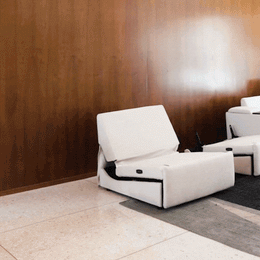 Recommended
Ohana 5-Seat Zero Gravity Modular Reclining Sofa
$4,616.99
 Recommended
Elora Cloud-Soft Deep Lounge 3-Seater Reclining Sofa with Power Headrest
$2,964.99
 Recommended
Oliver 4-Seat Wall-hugger Reclining Sectional Sofa with Power Headrest
$3,959.99
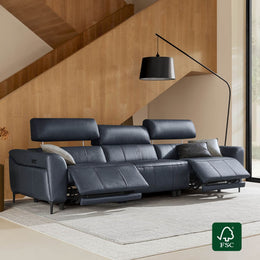 Recommended
Murphy Premium Dual-Motor Genuine Leather Zero-Wall Power Reclining Sofa
$2,670.99
More to Read
 7 Sofa Trends That Actually Improve Comfort in 2026
Upgrade your living room with furniture that supports your body. Here are 7 modern sofa features designed to maximize your daily comfort...
 Mother's Day Gift Guide: Cozy and Stylish Furniture Picks for Modern Moms
Make Mother's Day more meaningful with furniture gifts that bring comfort, smart features, storage, and quiet luxury into her everyday routine.
 Performance Fabric Reality Check: Does It Really Repel Pet Hair and Stains?
Performance fabric is often marketed as a miracle solution for homes with pets and kids, but the reality is more nuanced. It...