














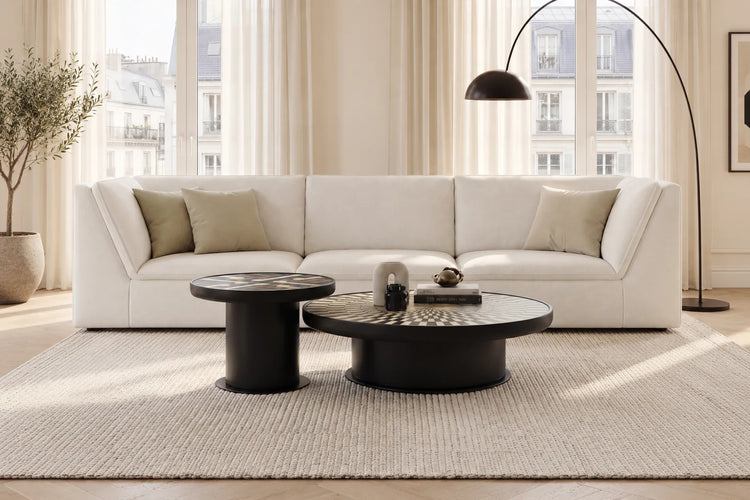
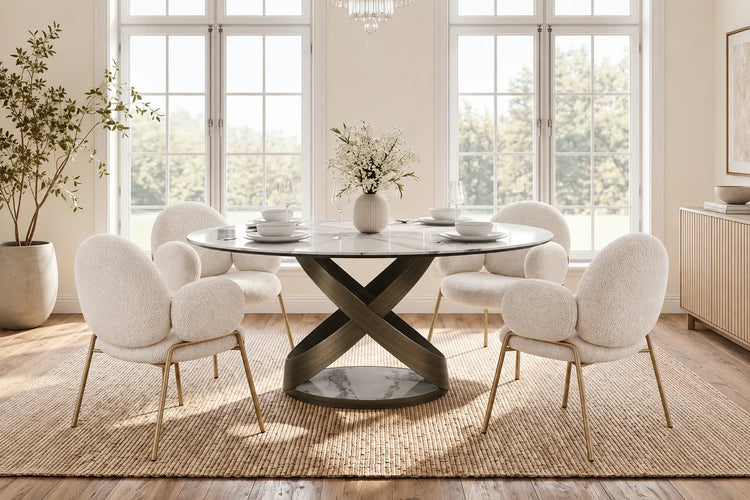
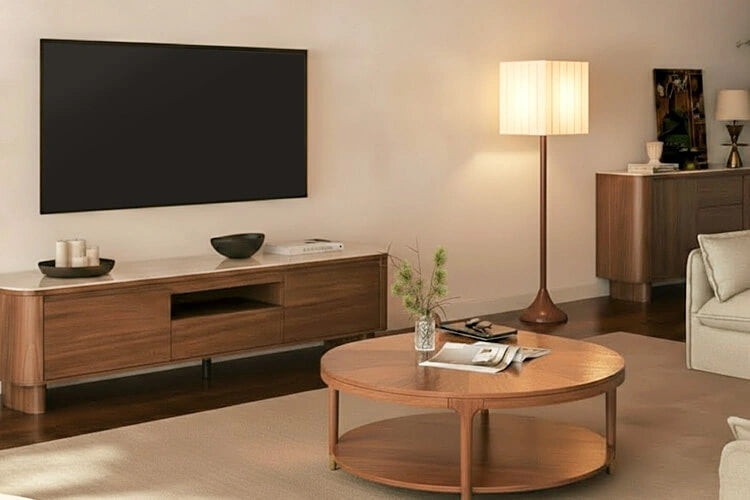









Sofa Shapes for Open-Plan Living: Layout and Walkway Guide

In an open-plan room, the sofa can mark where the living area ends and the dining area begins. Its position also affects how people reach the kitchen, doors, and windows. Start with those routes, then choose the shape and configuration that fit around them.
Map the routes through your room
- Sketch the room with doors, windows, columns, and fixed furniture.
- Mark the routes between the entrance, kitchen, dining table, and other frequently used areas.
- Choose the view from the main seating position, such as the TV, fireplace, or garden.
- Draw the sofa's actual footprint, including a chaise or extending footrest.
- Test the layout with removable floor tape before ordering.
Keep the routes you use most separate from the space between the sofa and coffee table where possible. Open nearby doors and pull out dining chairs while checking the layout. Include the door and window exits identified in your home fire escape plan when sketching the room.

Compare straight, L-shaped, U-shaped, and curved sofas
| Shape | How it defines the seating area | Check before choosing |
|---|---|---|
| Straight sofa | Creates one clear boundary, with space to approach from either end. | Whether extra chairs leave the main routes clear. |
| L-shaped sectional | Adds a return that can separate a seating group from an adjacent area. | The side of the chaise or return and the route around its end. |
| U-shaped sectional | Surrounds more of the conversation area with seating. | Enough room at the opening and around the outer edges. |
| Curved sofa | Creates a curved boundary and changes the approach around each end. | The full outer footprint and the usable space near the coffee table. |
An L-shape can work beside a dining zone when the return stays out of the chair-pullout area. A U-shape may suit a larger conversation group when the room has enough clear space around it. A curved sofa requires the same measured check as a straight one; its outside curve can occupy more space than the seat width suggests. Our L-shaped and U-shaped sectional layout comparison shows how the return and extra seating affect room access.

Choose a modular configuration
Modular describes separate components that form a seating arrangement. Those components may create a straight, L-shaped, U-shaped, or another layout. Check which pieces can stand alone, how they connect, and which sides have a finished appearance. Our modular sofa collection lets you compare the available component arrangements.
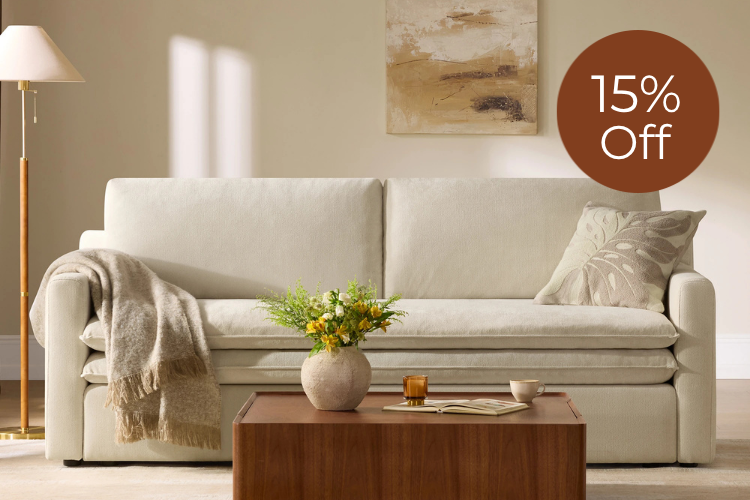
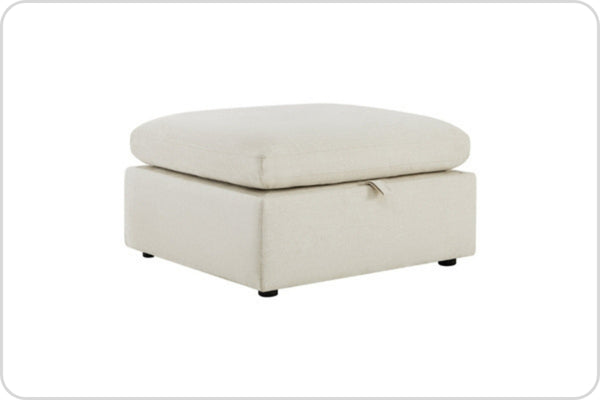
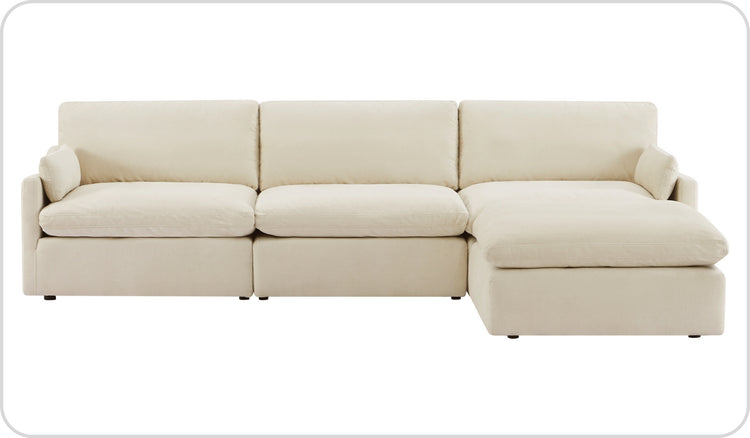
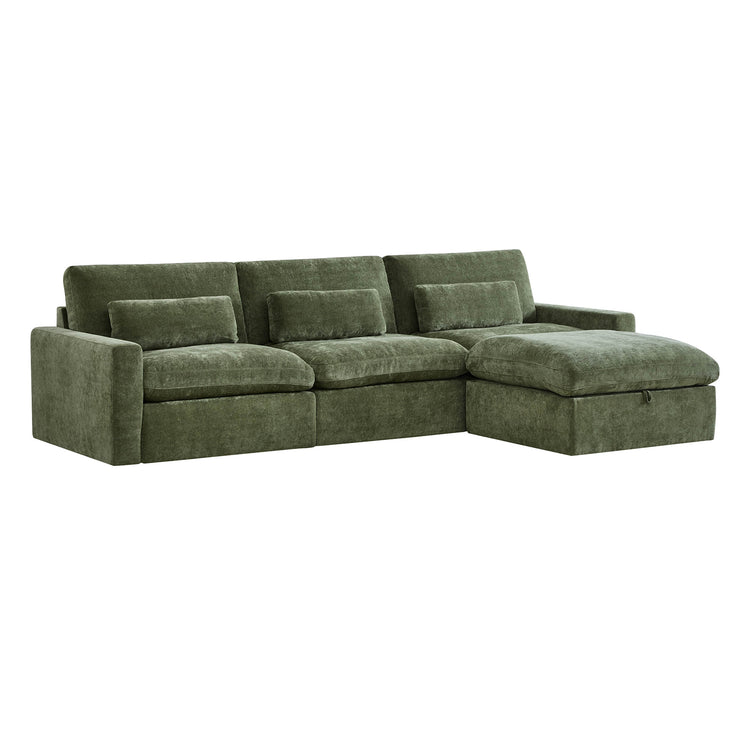
Our Ivy 4-seat sectional and Brendon 4-seat sectional offer different configurations to compare. Use the dimensions for the exact arrangement you intend to buy.
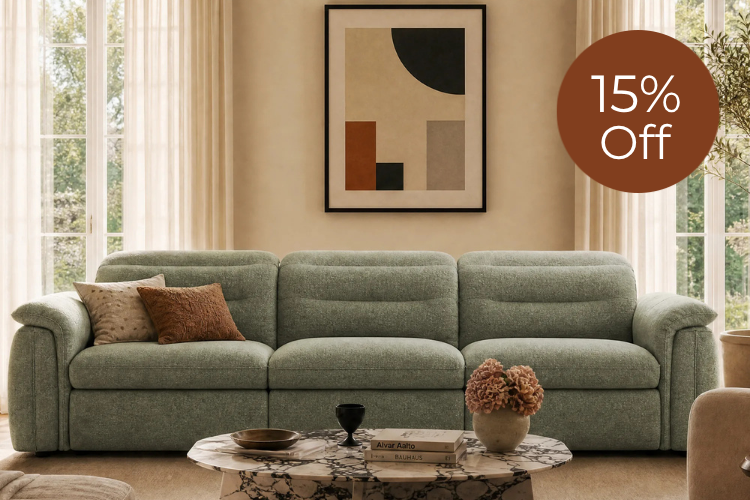
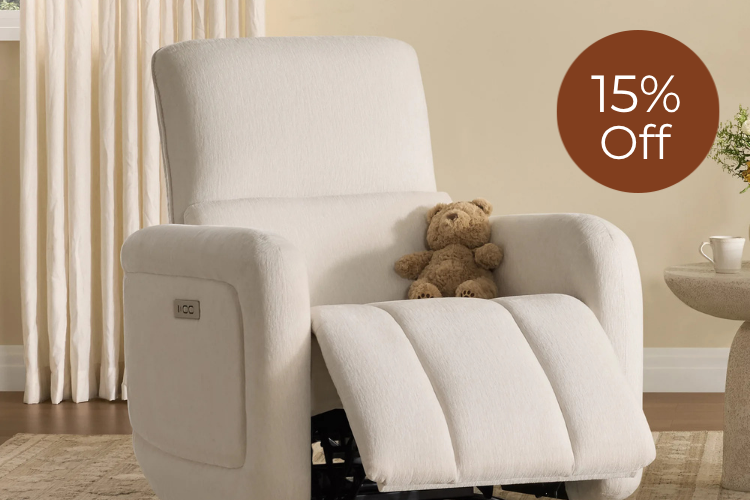
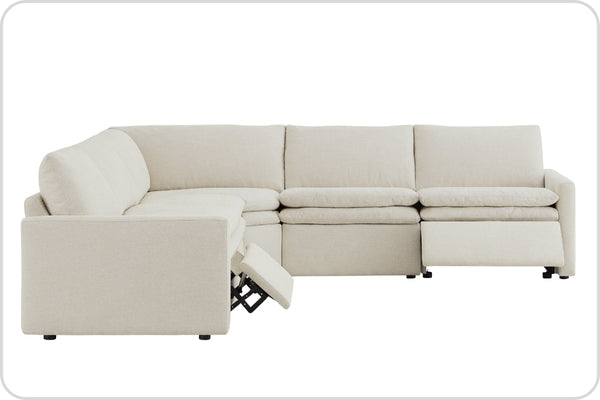
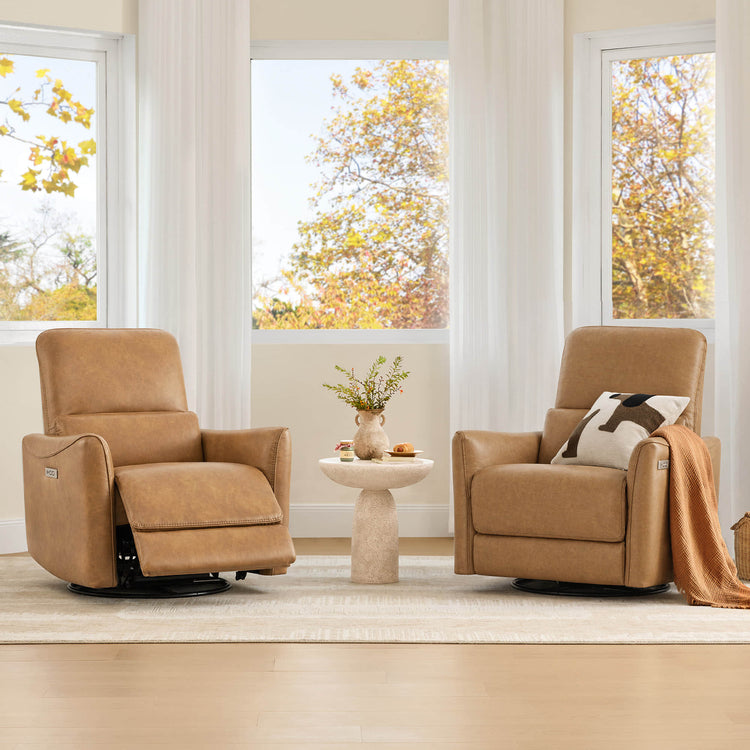
For a reclining layout such as our Ohana 5-seat sofa, check the seating footprint with the reclining positions open. Place occasional tables and lamps outside the movement area.

Test clearances with the furniture in use
For an ordinary home layout, a 30–36-inch route is a useful starting range to test on the floor. Choose the width that supports how your household moves, including carrying items or using a mobility aid. Check any access requirements that apply to your home. For a layout planned around wheelchair access, the U.S. Access Board illustrates accessible-route widths and turning clearances; confirm the requirements that apply to your setting.
Measure the narrowest point, including projecting arms, handles, and table edges. If you place a console behind the sofa, subtract the console depth from the available route. For example, 48 inches behind a sofa becomes 36 inches once a 12-inch-deep console occupies that space.
Walk the route with the room set up for normal use. Pull dining chairs out, open storage lids and drawers, and extend recliner footrests. Adjust the layout wherever one action blocks another.
Use rugs, lighting, and sofa-back furniture
A rug can group the sofa and chairs visually. Check the rug size against the entire arrangement, including the positions of the front legs. A floor lamp can provide reading light at an open end of the sofa when its base and cord stay out of the route. The CDC's home fall-prevention checklist covers keeping furniture routes clear and using non-slip backing for loose rugs.
A sofa placed away from the wall will show its back. Check the rear upholstery and connectors before choosing that placement. A console can add storage or a lamp surface if the remaining clearance works.
Our Daisy curved sectional provides a curved configuration to compare with straight-edged alternatives. Check the chaise orientation and outer dimensions against your sketch. Check the outside curve against nearby furniture and walking routes.

FAQs
Should a sofa face the kitchen or the TV?
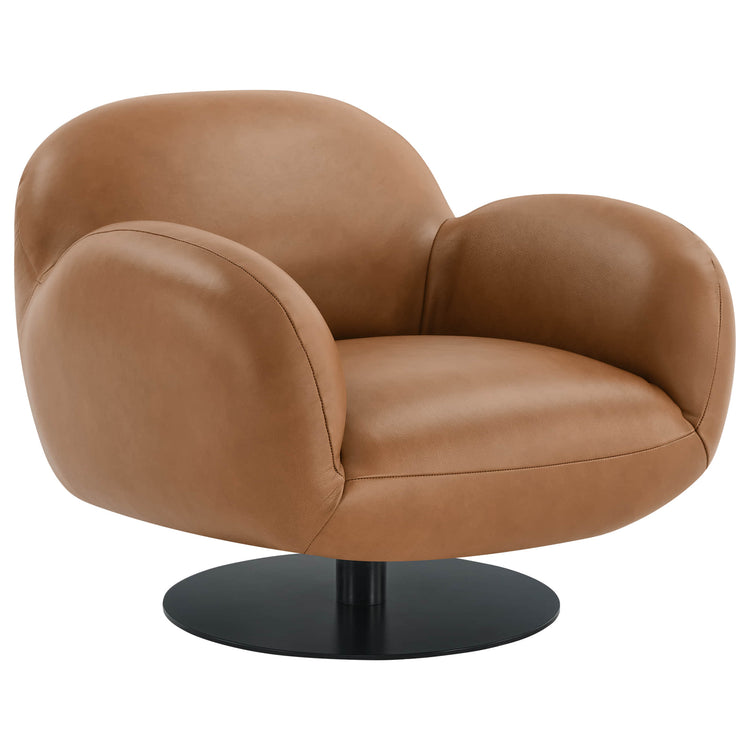
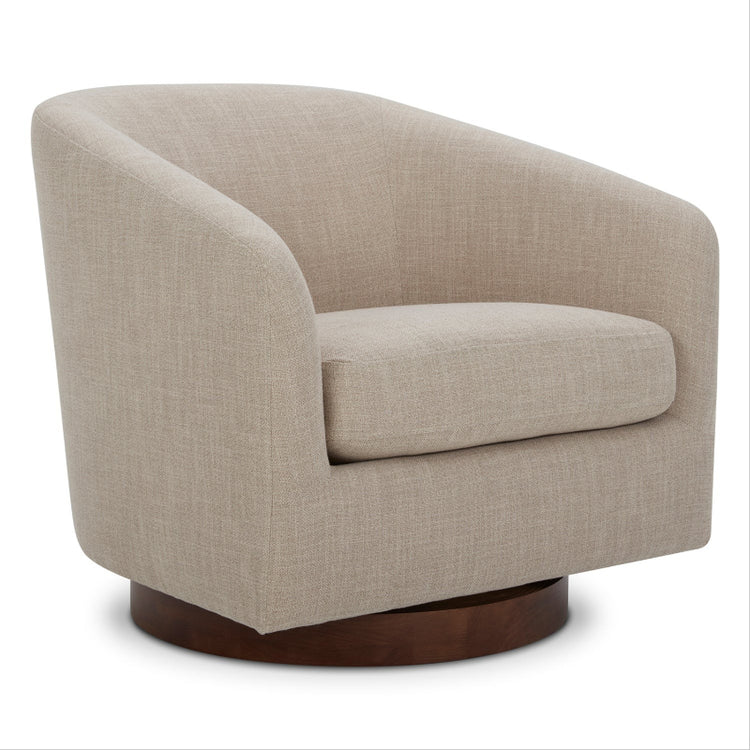
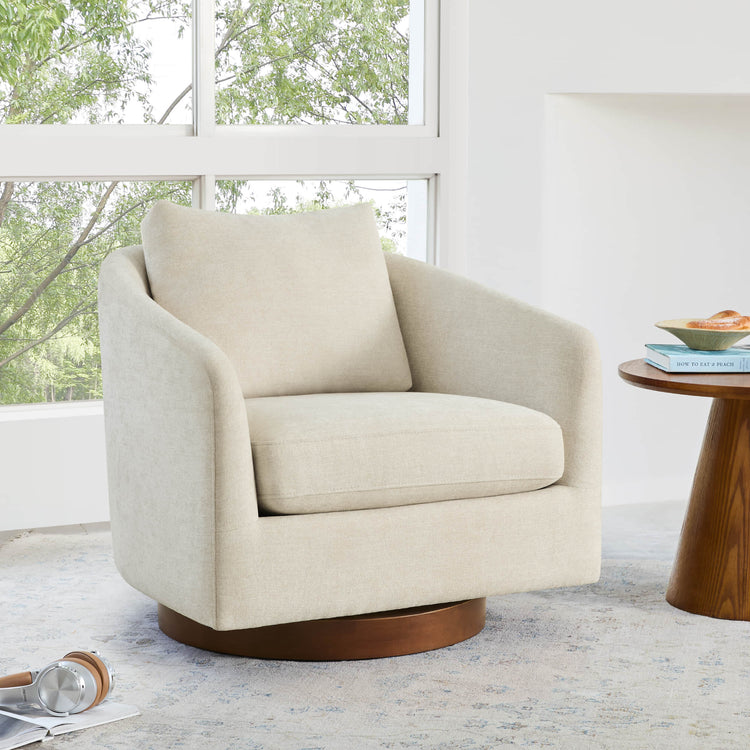
Start with the activity the seating area serves most often, then check conversation and circulation. A swivel chair can help connect two views without changing the sofa's main direction.
Can a straight sofa divide an open-plan room?
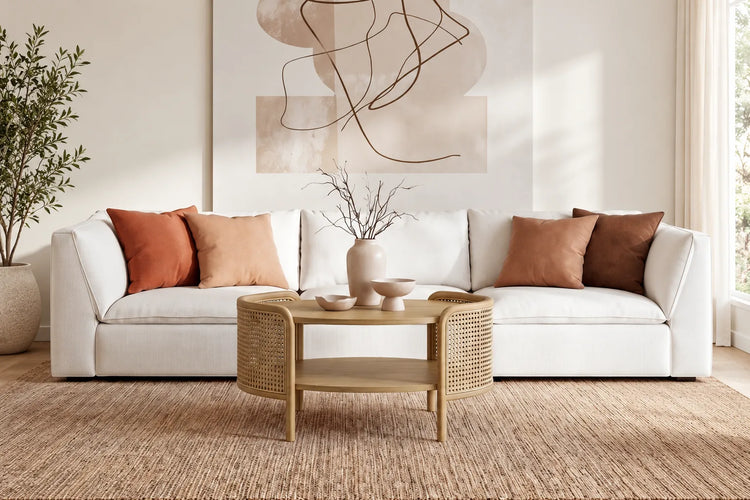
Yes. Its back can mark a single boundary between areas. Leave suitable approaches around the ends and check the visible rear finish.
Does a small room need the sofa against a wall?
Test both placements using the actual footprint. Choose the arrangement that leaves the useful seating and walking routes you need.
Can I rearrange any sectional into a new shape?
Check the specific components and connectors. Fixed sectionals and some reclining arrangements have prescribed layouts; modular systems also have model-specific rules.
Recommended Products

More to Read
 7 Sofa Trends That Actually Improve Comfort in 2026
Upgrade your living room with furniture that supports your body. Here are 7 modern sofa features designed to maximize your daily comfort...
7 Sofa Trends That Actually Improve Comfort in 2026
Upgrade your living room with furniture that supports your body. Here are 7 modern sofa features designed to maximize your daily comfort...
 Mother's Day Gift Guide: Cozy and Stylish Furniture Picks for Modern Moms
Make Mother's Day more meaningful with furniture gifts that bring comfort, smart features, storage, and quiet luxury into her everyday routine.
Mother's Day Gift Guide: Cozy and Stylish Furniture Picks for Modern Moms
Make Mother's Day more meaningful with furniture gifts that bring comfort, smart features, storage, and quiet luxury into her everyday routine.
 Performance Fabric Reality Check: Does It Really Repel Pet Hair and Stains?
Performance fabric is often marketed as a miracle solution for homes with pets and kids, but the reality is more nuanced. It...
Performance Fabric Reality Check: Does It Really Repel Pet Hair and Stains?
Performance fabric is often marketed as a miracle solution for homes with pets and kids, but the reality is more nuanced. It...