























Rental Bedrooms Layout Ideas with bedroom furniture

Bedroom furniture layout ideas for rental bedrooms work best when you start with the fixed parts of the room, then fit the bed, storage, and walking paths around them. In a typical 10x12 ft rental bedroom, the fastest way to make the room feel cramped is to ignore the door swing, closet access, and window placement first.

Start With the Room's Fixed Points
Before you move anything heavy, map the parts of the room that do not move: the door swing, closet door, window, outlets, vents, and any trim or radiator that eats into wall space. That is the first filter for bedroom furniture layout ideas for rental bedrooms because a beautiful layout still fails if it blocks the closet or creates a pinch point by the entry.
For a standard 10x12 ft rental bedroom, measure the usable wall space, not just the wall length. A simple room sketch is enough. Mark the bed wall, the closet wall, and the path you need to walk through without turning sideways. How to measure a room for furniture is a useful reminder that the room's fixed elements should shape the plan before you buy anything.
A practical rule: if the bed, dresser, and nightstand leave you with a clean walking lane and full closet access, the room is working. If the layout forces you to squeeze past corners every day, it is not a good fit even if the pieces look right on paper.
For a deeper small-space arrangement method, see How to Create Captivating Furniture Arrangements for Small Living Spaces.
Choose a Layout That Fits Your Room Shape
The best layout depends on whether your room is square, narrow, or awkwardly split by a window or closet. In real rental rooms, the best option is usually the one that protects traffic flow first and symmetry second.
The Classic Centered Bed Layout
A centered bed works when the room has enough clearance on both sides and the closet door does not compete with the bed footprint. This layout feels the most balanced, especially when the window is not directly behind the bed and you want a calm, hotel-style look.
Use this when the room has enough width for two small nightstands and at least one easy path to the closet. If the room starts feeling tight, the centered layout stops being the better choice because the symmetry is no longer worth the daily friction.
The Side-Window Offset Layout
An offset bed usually makes more sense in a rental when one side of the room needs to stay open for the closet, a reading chair, or a desk. It often gives better traffic flow than forcing the bed into the visual center.
As small bedroom layout ideas show, offset placement can help when the room shape is narrow or when one wall is more usable than the others. This is often the better option if the doorway, closet, and window are all competing for the same wall area.
The Corner-Fit Layout for Tight Rooms
A corner placement can free wall space when the room is especially narrow or when the only workable wall is interrupted by a window or closet. It is not the most symmetrical setup, but it can solve the real problem: getting usable circulation back.
Choose this only when the room is too tight for a more centered arrangement. If you have enough floor space for a centered or offset bed, corner placement can feel overly compressed and make the room harder to style.
The quick decision rule is simple. If you want the room to feel balanced, start with centered. If you need movement and access, start with offset. If the room is awkward and every inch matters, corner placement can be the rescue option.

Build Around Flexible Bedroom Furniture
When you are choosing bedroom furniture for a rental, the smartest pieces are the ones that do more than one job and are easy to move later. That is why modular beds, lighter nightstands, and storage pieces that disassemble cleanly are usually better long-term choices than oversized furniture that only looks good in one room.
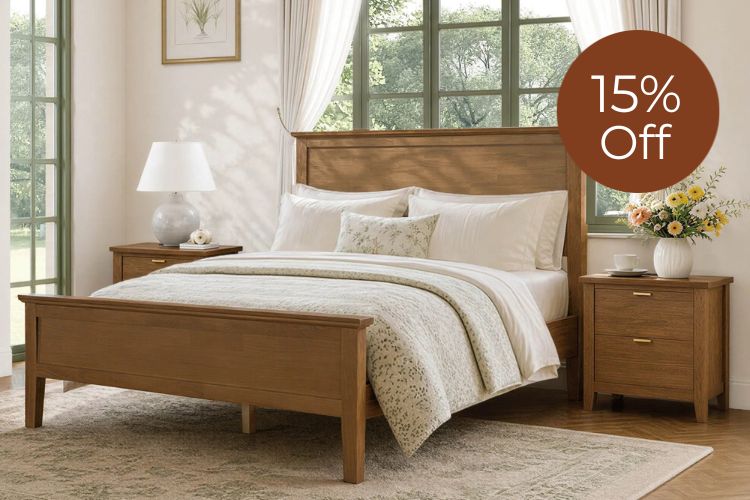
If you want a bed that feels polished without requiring extra hardware or a box spring, the Solace Full Solid Wood Boucle Upholstered Bed is a useful reference point. Its solid wood frame and upholstered design make it a natural fit for renters who want a calmer, finished look without building the room around a bulky foundation. Confirm dimensions against your room sketch before purchase.
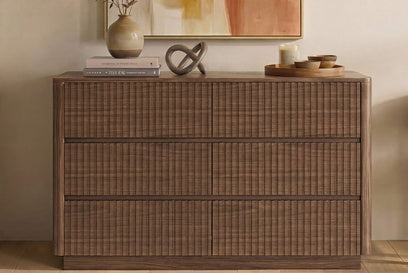
The 48" Vanessa 6-Drawer Wood Double Dresser Sideboard works as a strong storage anchor when you need concealed storage more than extra decorative pieces. Confirm the depth and clearance against your room sketch before you commit.
A useful renter filter is this: if the furniture will have to be carried up stairs, turned through doorways, and reused in another apartment, it should earn its place by being flexible, not just stylish. That is where modular bedroom furniture for apartments tends to outperform one-room-only pieces.
Here is the practical decision sentence: if you move often, prioritize pieces that can be taken apart, fit through standard doorways, and still look intentional in a new room. If you are staying long term and the room is generous, you can afford heavier, more permanent-looking pieces, but that is less common in rental bedrooms.
Modular Bed Frames That Adapt to New Rooms
A modular bed frame is especially helpful when your next apartment may have a different layout, a tighter entry, or a narrower closet wall. The benefit is not just convenience. It reduces the chance that you end up replacing a whole bed because one room change made it awkward.
For many renters, that means avoiding beds that depend on a very specific room depth or wall treatment. A platform bed with a clean profile usually makes rearranging easier because the bed itself does not demand extra visual space around it.
Nightstands and Dressers That Do More Than One Job
Nightstands matter more in small rental bedrooms than they do in large ones because they can either make the room feel organized or create clutter at eye level. Choose slimmer pieces when you want the room to feel lighter, and go a bit more substantial only when storage is the bigger problem.
A dresser can work harder if it replaces a separate storage unit, but it should still leave the room feeling breathable. That is why a single storage anchor usually beats scattering several small storage pieces around the room.
Storage Pieces That Hide Clutter Without Looking Temporary
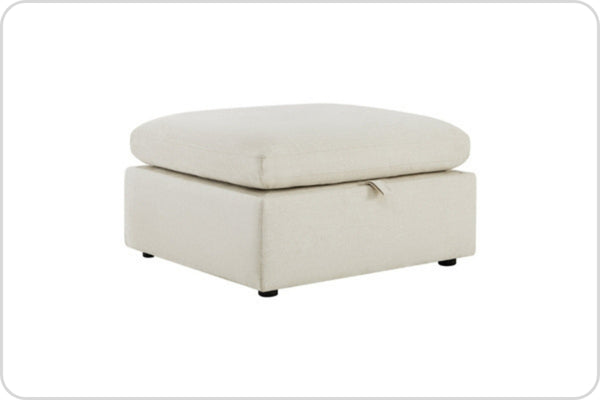
Closed storage is usually more useful than open shelving in rental bedrooms because it keeps the room calm without needing wall mounting. Underbed storage, drawers, and ottomans with hidden space are especially useful when the closet is already tight.
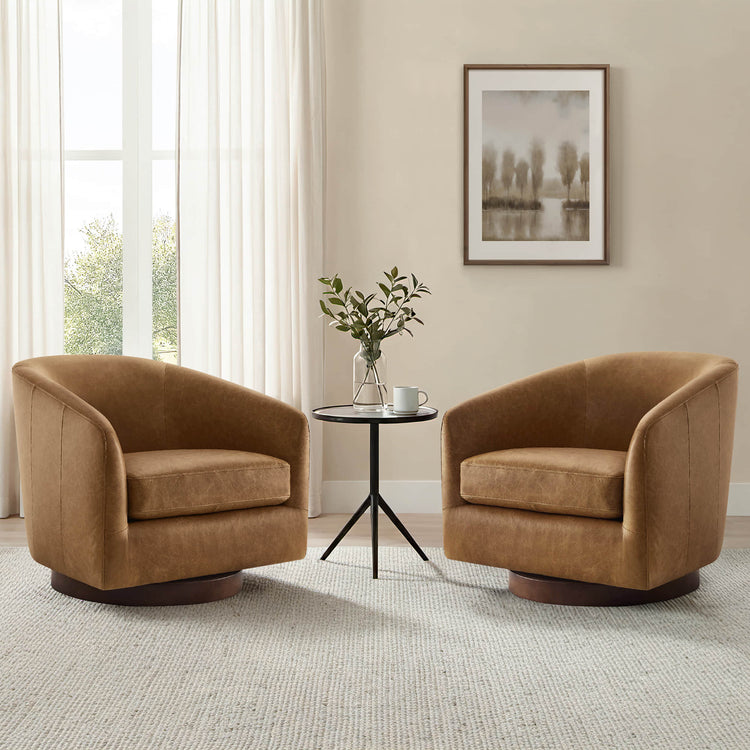
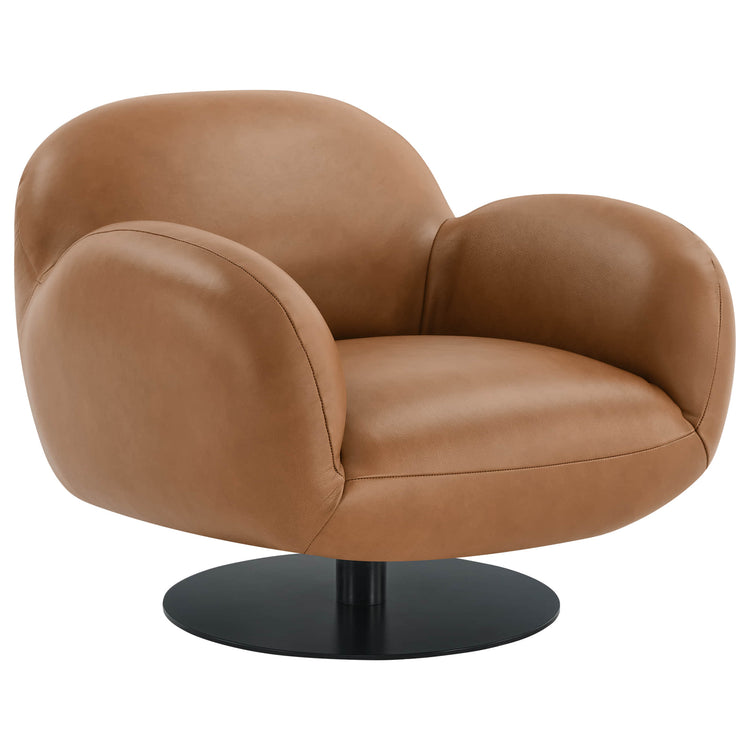
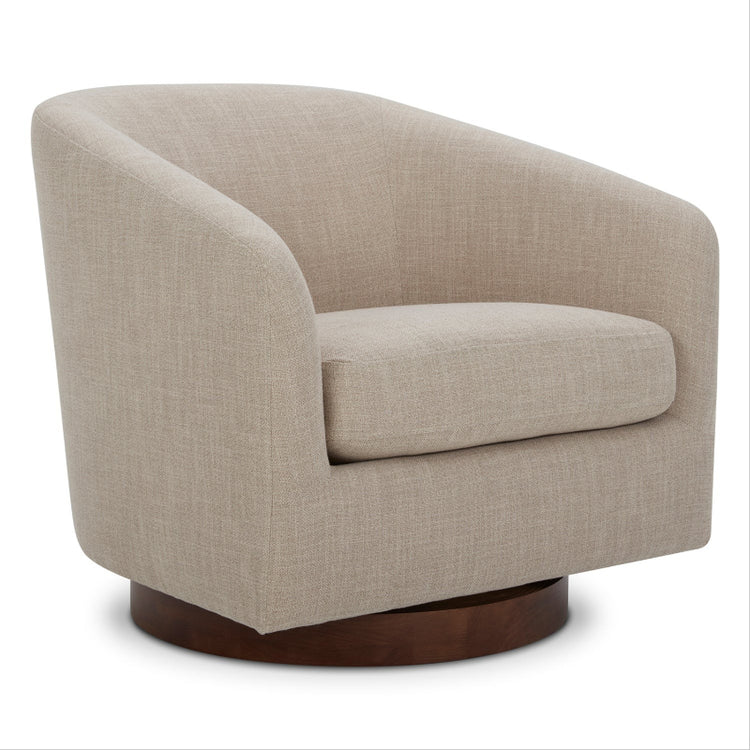
If you need flexible seating or overflow storage, browse the ottomans collection rather than adding another small decorative item. If the bedroom also needs a softer corner, the accent chairs collection is a better place to look than trying to squeeze in a second bulky storage piece.
Balance Storage and Visual Calm
In a small rental bedroom, the room feels calmer when one piece does most of the storage work and the rest of the furniture stays visually lighter. That does not mean the room should be sparse. It means every piece should have a reason to be there.
- Use one main storage anchor, such as a dresser or underbed storage, instead of scattering several small organizers.
- Keep nightstands slimmer than the bed or dresser so the room does not feel top-heavy.
- Repeat one finish, shape, or tone across the room so mixed furniture looks intentional.
- Leave more floor visible when the room needs to feel bigger, not more filled.
- Use closed storage before adding open shelving, especially if you cannot mount anything to the wall.
As small bedroom storage ideas point out, visual balance in tight rooms often comes from reducing the number of competing objects, not from adding more small ones. That is why one strong dresser and lighter side pieces usually feel more polished than an overbuilt mix of accent furniture.
A good self-check is to stand in the doorway and ask whether your eye goes straight to the bed and storage anchor, or whether it gets stuck on clutter. If the room reads as busy from the entry, simplify before you buy more.
Finish With a Lease-Friendly Checklist
Use this final pass before you buy anything for a rental bedroom. It helps prevent the most common mistake: choosing a pretty piece that creates daily friction once it is in the room.
- Measure the room's fixed elements first, including the door swing, closet clearance, and the wall space left after the window and outlets are marked.
- Decide whether the bed should be centered, offset, or tucked into a corner based on traffic flow, not just symmetry.
- Confirm that the room still has a clean walking lane on both sides of the bed, or at least on the side you use most.
- Choose storage that stays on the floor, such as a dresser, underbed drawers, or an ottoman, instead of planning around wall damage.
- Check whether the furniture can be moved, disassembled, or reused in your next apartment without creating move-out stress.
- Buy the bed first, storage second, and accent pieces last so the room solves function before styling.
If you want another layout reference while you decide, Mastering the Layout: How to Arrange Your Recliner, Sofa, and TV Stand for Perfect Flow offers a useful way to think about circulation, even though it is not bedroom-specific.
The simplest takeaway is this: if a piece does not fit the room map, support daily movement, and still make sense in your next apartment, it is not the right rental choice. The best bedroom furniture layout ideas for rental bedrooms are the ones that protect access, reduce clutter, and still leave the room looking finished.
FAQs
Q1. What Should I Measure First in a Rental Bedroom?
Measure the door swing, closet clearance, and the wall space you actually have after outlets and windows are marked. Those fixed points matter more than the room's total size because they decide where the bed and storage can go without creating daily friction.
Q2. Is a Centered Bed Always the Best Layout?
No. A centered bed is best when the room has enough width and the closet still opens comfortably. If the room is narrow or the window and closet compete for the same wall, an offset or corner layout usually works better.
Q3. How Much Storage Should a Small Rental Bedroom Have?
Enough to keep most clutter out of sight, but not so much that the room feels packed. In many rental bedrooms, one dresser plus underbed storage is enough if the closet is used well and the nightstands stay slim.
Q4. What Furniture Is Easiest to Move Between Apartments?
Pieces that come apart cleanly, fit through doorways, and do not depend on built-in mounting are usually easiest to move. Platform beds and compact storage pieces often travel better than oversized furniture with one-room-only proportions.
Q5. When Should I Choose a Corner Bed Layout?
Choose it when circulation matters more than symmetry and the room is too tight for a better-balanced setup. Corner placement is most useful in awkward or narrow bedrooms where it opens up wall space for storage or a small side chair.
Related Resources
These guides expand on circulation, sleep-focused choices, and seasonal refreshes that complement rental bedroom planning. Review them after mapping your fixed points to compare layout options or evaluate bed frames for easy moves. Cross-reference the small-space arrangement guide when your room is under 120 square feet, then check the recliner and sofa flow article for traffic patterns that translate to bedrooms.
Recommended Products

More to Read
 7 Sofa Trends That Actually Improve Comfort in 2026
Upgrade your living room with furniture that supports your body. Here are 7 modern sofa features designed to maximize your daily comfort...
7 Sofa Trends That Actually Improve Comfort in 2026
Upgrade your living room with furniture that supports your body. Here are 7 modern sofa features designed to maximize your daily comfort...
 Mother's Day Gift Guide: Cozy and Stylish Furniture Picks for Modern Moms
Make Mother's Day more meaningful with furniture gifts that bring comfort, smart features, storage, and quiet luxury into her everyday routine.
Mother's Day Gift Guide: Cozy and Stylish Furniture Picks for Modern Moms
Make Mother's Day more meaningful with furniture gifts that bring comfort, smart features, storage, and quiet luxury into her everyday routine.
 Performance Fabric Reality Check: Does It Really Repel Pet Hair and Stains?
Performance fabric is often marketed as a miracle solution for homes with pets and kids, but the reality is more nuanced. It...
Performance Fabric Reality Check: Does It Really Repel Pet Hair and Stains?
Performance fabric is often marketed as a miracle solution for homes with pets and kids, but the reality is more nuanced. It...