











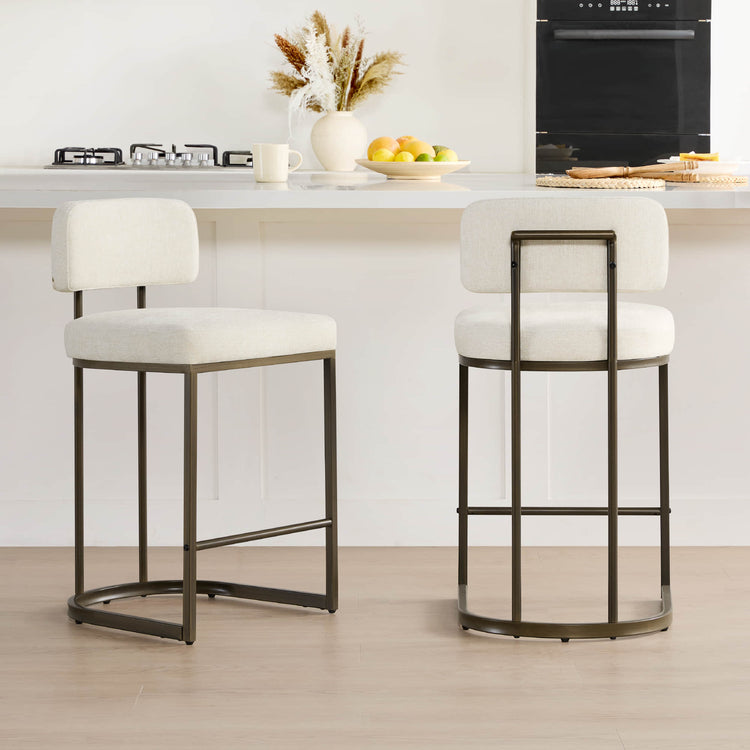


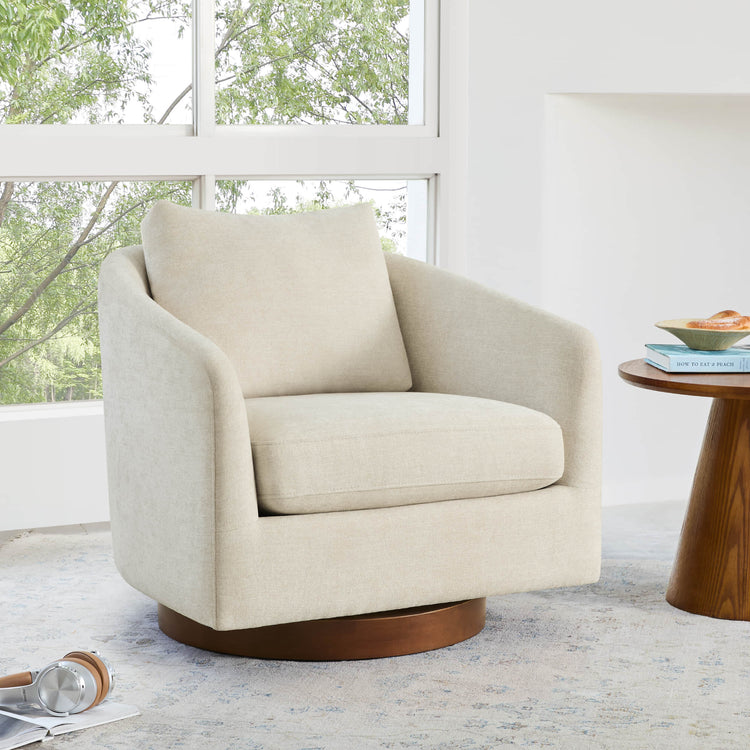
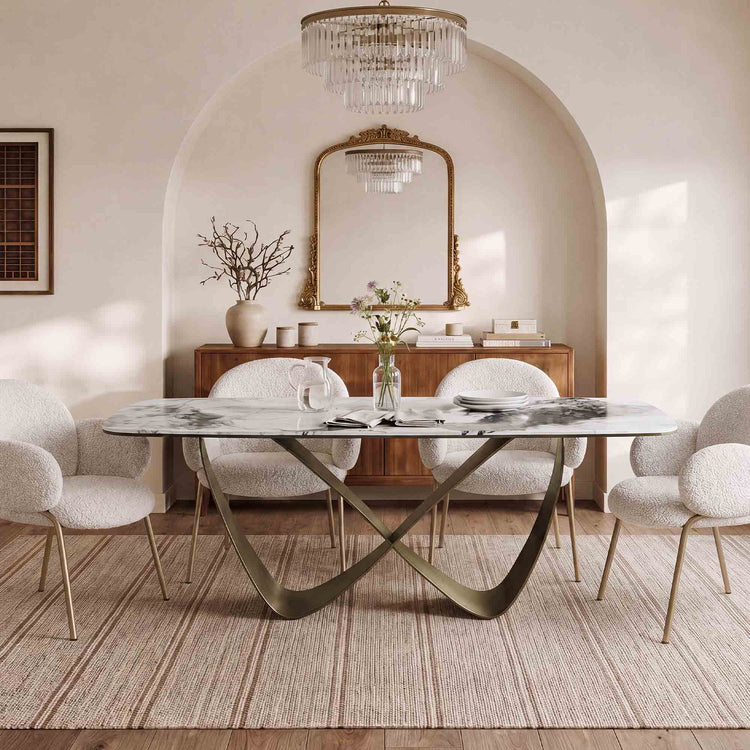
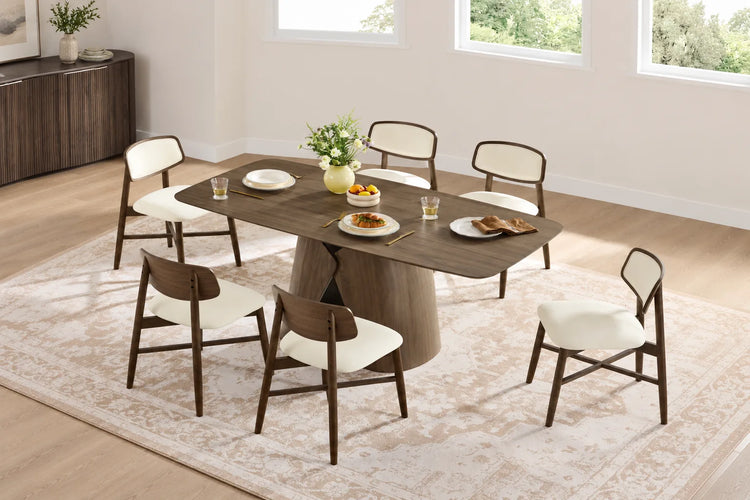










2026 Bedroom Furniture Trends for primary suites

2026 bedroom furniture trends for primary suites are moving toward calmer, more flexible rooms that handle sleep, dressing, reading, and light work without looking busy. The best updates in 2026 lean into quiet luxury, practical storage, and upholstery that is easier to live with over time.
The Move Toward Multifunctional Primary Suites
The biggest shift is that the primary suite is no longer treated as a single-purpose sleeping room. In many 2026 design roundups, it is being described as a daily-use retreat with more than one job, which changes how furniture should earn its place. For most homeowners, that means comfort and visual calm matter more than matching every piece.
A useful way to think about 2026 bedroom furniture trends for primary suites is this: if a piece only looks good but does not help the room function, it is probably not pulling enough weight. If it helps the room feel calmer and work harder, it is closer to the new standard.
That does not mean every suite needs to feel like a lounge. It does mean the room should support the routine you actually use, whether that is getting dressed faster, creating a reading corner, or reducing clutter near the bed.
Quiet Luxury Finishes Lead the Look
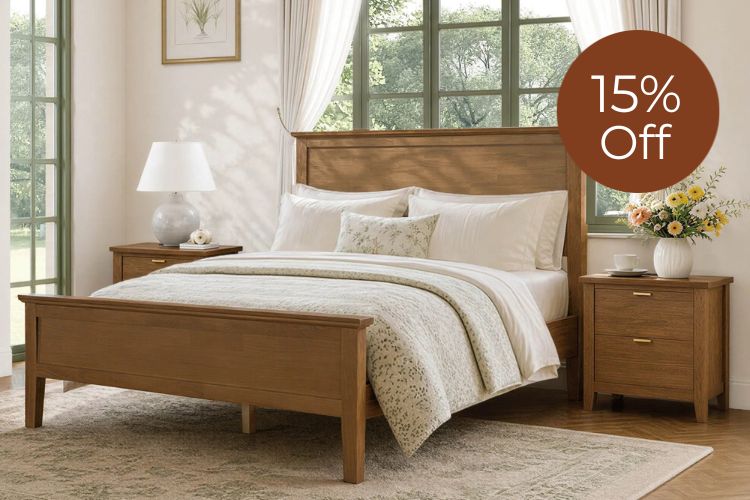
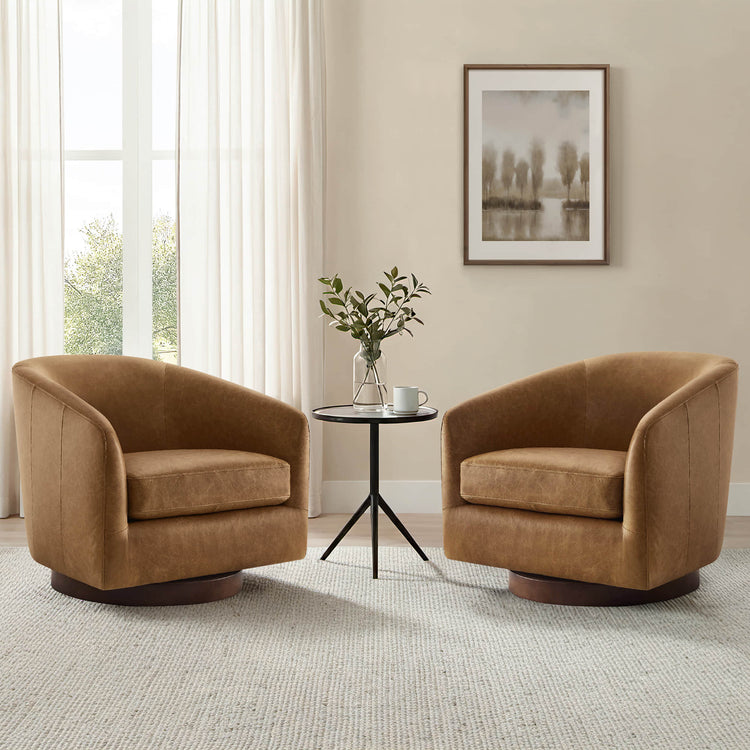
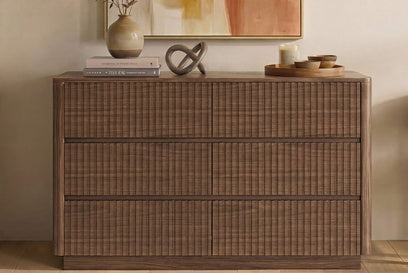
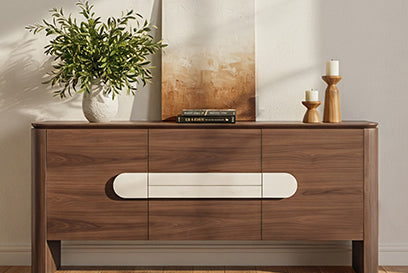
Quiet luxury is still the clearest visual direction for 2026, with softer neutrals, layered textures, tailored upholstery, clean lines, and warmer wood tones leading the look. As this bedroom trend overview notes, the effect is less about showy contrast and more about a collected, settled feel.
What that means in practice is simple. A bedroom feels more current when the finishes work together quietly instead of competing for attention. Smooth metal details, oversized ornament, and overly matched sets can make the room feel dated faster than people expect.
A better filter is to ask whether the room reads as calm in daylight and restful at night. If the answer is no, the palette or hardware may be too loud for the look 2026 is favoring.
Soft Neutral Color Stories
Soft beige, ivory, taupe, warm gray, and muted brown tones keep the room feeling steady. These colors are useful because they make it easier to layer bedding and accent pieces without turning the suite into a pattern-heavy space.
Tailored Upholstery and Clean Lines
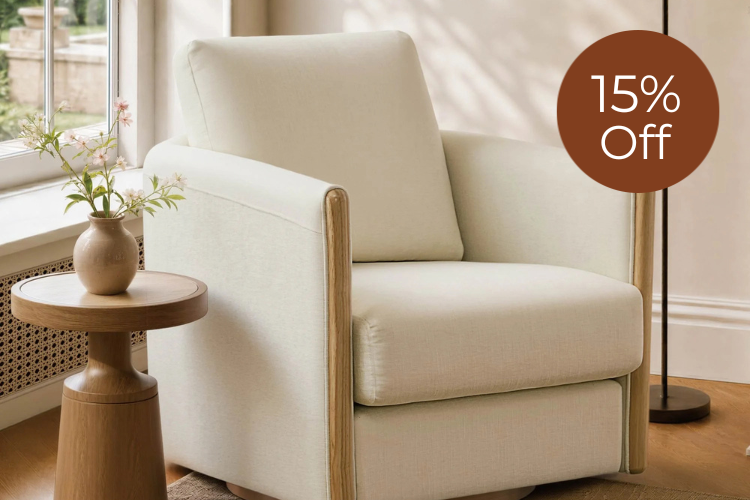
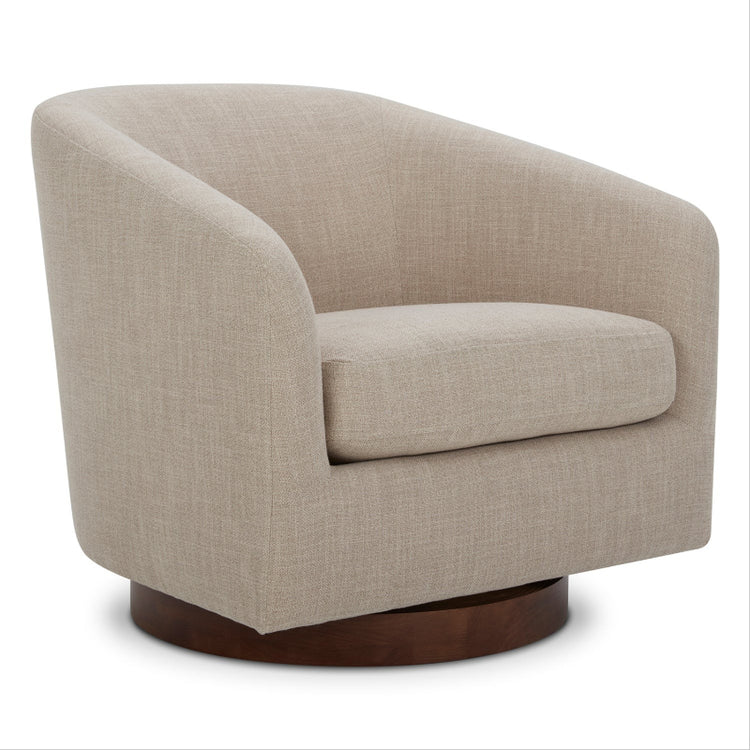
Upholstered beds and chairs with simple silhouettes fit the trend better than bulky, decorative shapes. The look is more finished when the stitching, seams, and profile feel intentional rather than fussy.
Low-Contrast Hardware and Warm Wood Tones
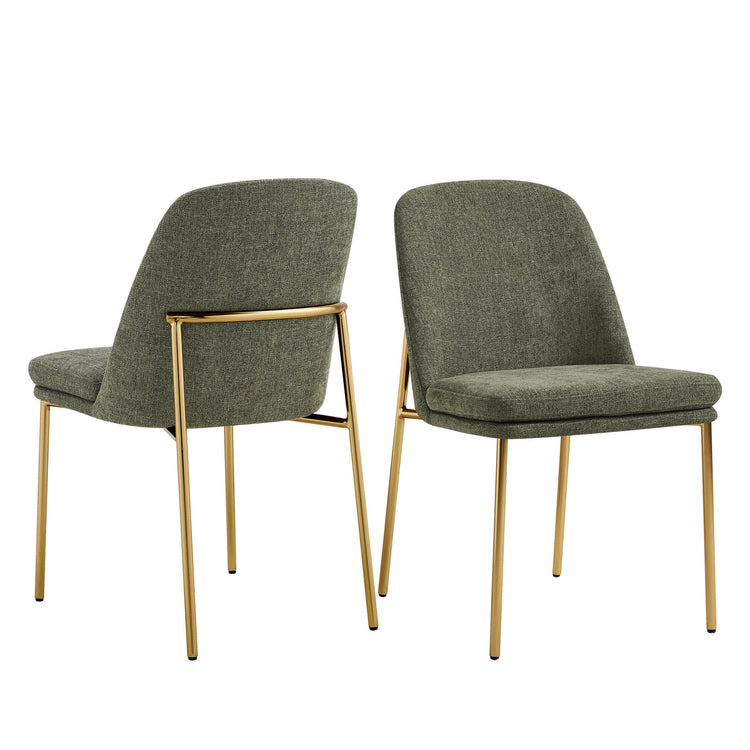
Low-contrast pulls, legs, and accents keep the furniture from feeling harsh. Warm wood tones help the room feel less sterile, especially when the rest of the room uses a restrained color palette.
Scaled-Down Ornamentation With High-End Texture
Texture is doing more work than decoration now. Bouclé, chenille, woven surfaces, and softly grained wood can create visual interest without making the room feel crowded.
If you want a related comfort-first styling read, this comfort-focused trend guide is a useful follow-up because it shows how quieter silhouettes can still feel substantial.
Performance Fabrics Make Upkeep Feel Easier
Performance fabrics are showing up more often in bedrooms because many primary suites are used every day, not just at night. Performance and textured upholstery are being chosen for easier upkeep and slower visible wear in high-use spaces, which is the main reason they matter here.
That does not mean every bedroom needs a technical-looking fabric. The better choice is usually a soft, low-sheen surface that does not look precious and can handle normal touchpoints on beds, benches, and chairs.
This is where many buyers overthink the trend. The point is not to chase a label. The point is to reduce regret from finishes that look great in photos but feel too delicate once the room is used daily.
Performance Upholstery for Daily Use
Performance upholstery makes the most sense on pieces that get touched often, like upholstered beds, benches, and reading chairs. It is a practical choice when the room has to stay presentable with less maintenance.
Easy-Clean Surfaces for High-Touch Pieces
If a piece is close to the bed, next to the chair, or in the path you use every day, easier-clean surfaces usually make more sense than delicate fabrics. That does not guarantee perfect durability, but it can make upkeep more manageable.
Textured Fabrics That Hide Wear Better
Textured fabrics tend to be more forgiving than flat, shiny surfaces. In a bedroom, that can matter because light changes throughout the day and visible wear often shows up sooner on smoother finishes.
Where to Use Family-Friendly Finishes
If the suite doubles as a dressing space, a reading corner, or a quiet hangout, the more durable finish belongs on the most handled pieces first. That is often the bed frame, bench, or accent chair rather than a purely decorative object.
For buyers who want a deeper look at fabric reading, this upholstery standards guide helps you compare durability language without guessing. And if you are comparing easier-care paths for other rooms, this family-proof modular sectionals guide is a relevant browsing path for the same upkeep mindset.

Modular Pieces Solve Real Bedroom Layout Problems
Modular bedroom furniture in 2026 is less about novelty and more about flexibility. In a primary suite, that usually means pieces that can shift when routines change, storage that reduces visible clutter, and seating that does not block circulation. Trend coverage on multifunctional bedrooms points in that direction because the room is being asked to do more.
This is also where the best choice can flip. If the room is compact, modular pieces can be the difference between calm and crowded. If the room is already spacious and the layout is fixed, you may not need as much reconfiguration, just better-scaled furniture.
The hidden trade-off is that modular pieces can look cleaner, but only if the room has a clear plan. Without that plan, they can feel like extra moving parts instead of a real upgrade.
Nightstands and Storage That Can Reposition
Repositionable nightstands and small storage pieces help when the room has multiple uses. They are most useful when you want the room to adjust without a full redesign.
Benches, Chairs, and Ottomans That Flex by Season
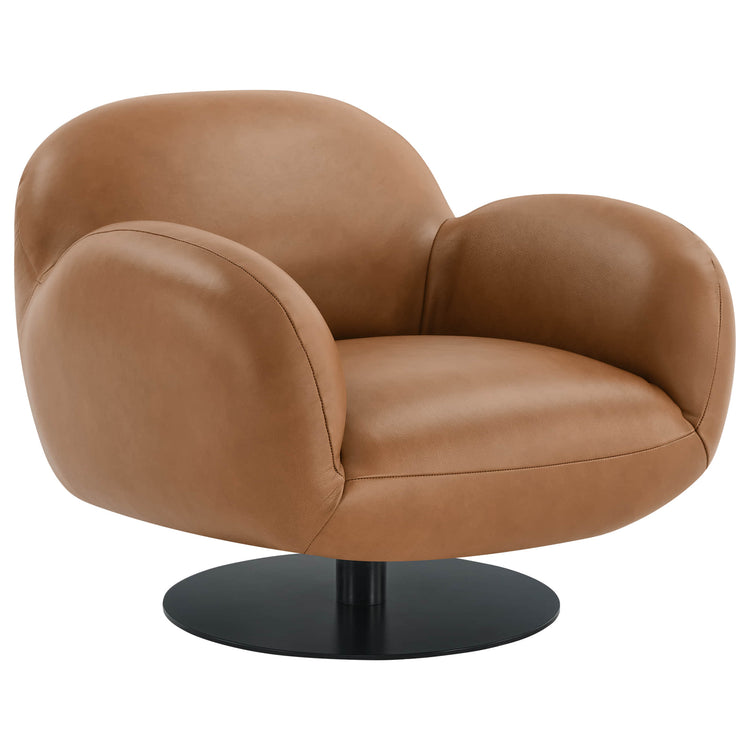
A bench or chair can work as seating, a staging spot, or a soft visual anchor. If the room needs occasional flexibility, these pieces are often more useful than adding another fixed cabinet.
Beds With Integrated Storage for Smaller Footprints
Integrated storage matters most when the room has limited closet space or when the goal is to reduce extra furniture. It can simplify the room, but only if the stored items are things you access often enough to justify the added bulk.
Keeping Walkways Open Around Sleeping and Dressing Zones
The best modular setup still needs clear paths around the bed, dresser, and any dressing area. When circulation gets tight, the room stops feeling restful no matter how nice the finish is.
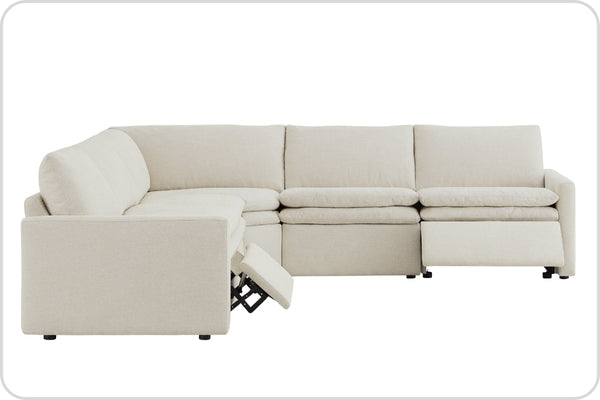
If you want a broader layout example, this modular zoning guide shows how flexible pieces can reduce clutter when a room needs more than one function. For shoppers comparing room-scale seating, this power reclining sectionals guide is a useful navigation point if you are thinking in modular terms, even though bedroom fit still depends on your footprint and circulation.

Match Features to Your Home and Routine
The right features depend on how the suite is actually used. The table below helps compare common setups so you can see when quiet luxury, performance fabrics, modular storage, or simpler upkeep matter most.
| Buyer Situation | Furniture Priority | Material Or Feature To Favor | What To Avoid |
|---|---|---|---|
| High-use couple's suite | Calm but durable pieces | Performance upholstery, simple storage, easy-clean finishes | Delicate fabrics that need constant upkeep |
| Smaller primary suite | Fewer pieces with more function | Integrated storage, scaled-down seating, modular accents | Oversized furniture that crowds walkways |
| Renovation refresh | Visual cohesion with limited change | Quiet luxury finishes, warm woods, restrained hardware | Trend-heavy shapes that age fast |
| Wellness-first retreat | Calm routines and low clutter | Light seating, soft textures, clear zones | Too many separate pieces competing for space |
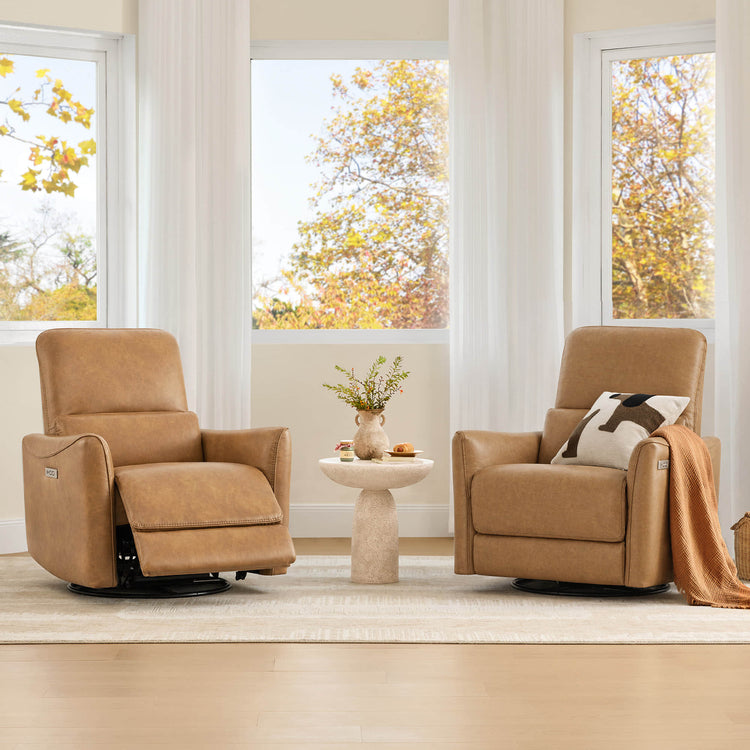
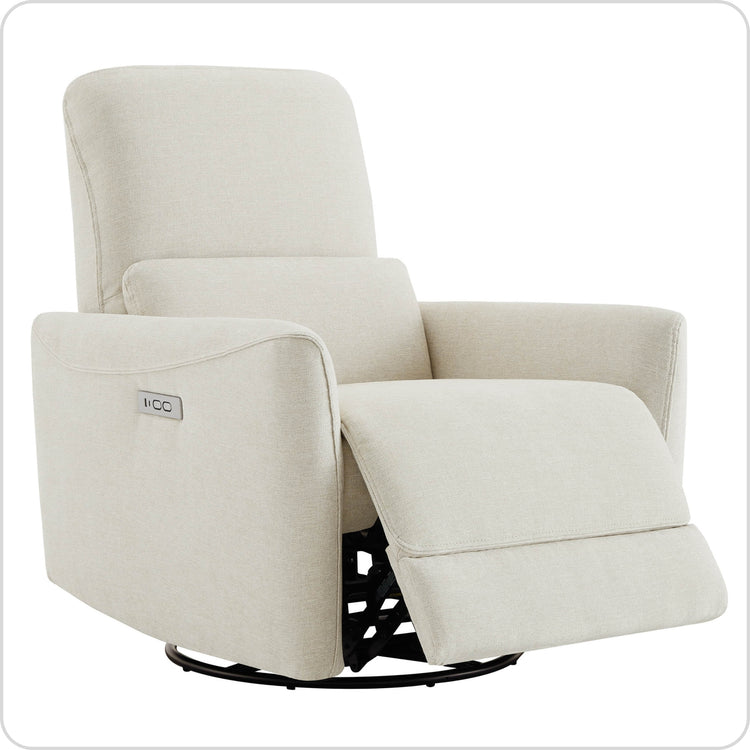
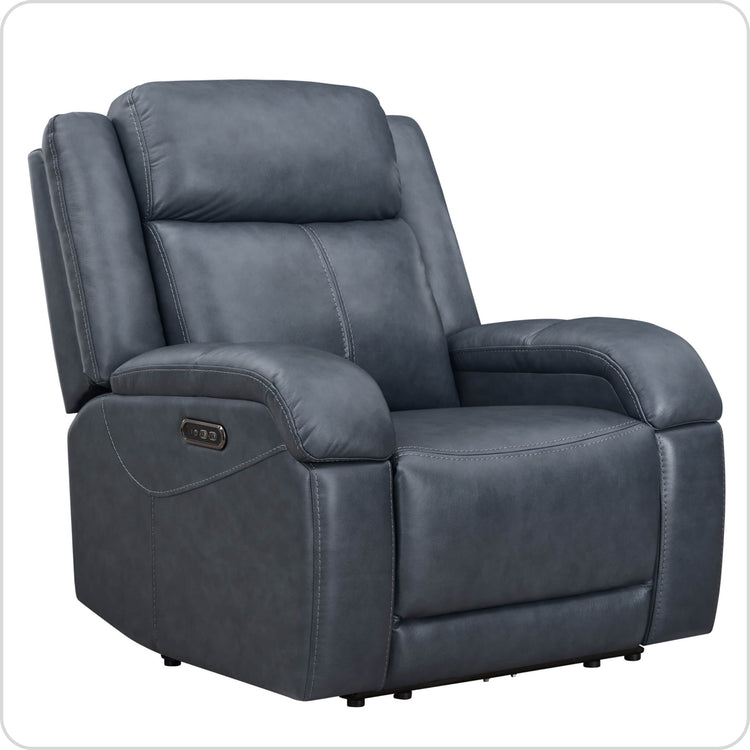
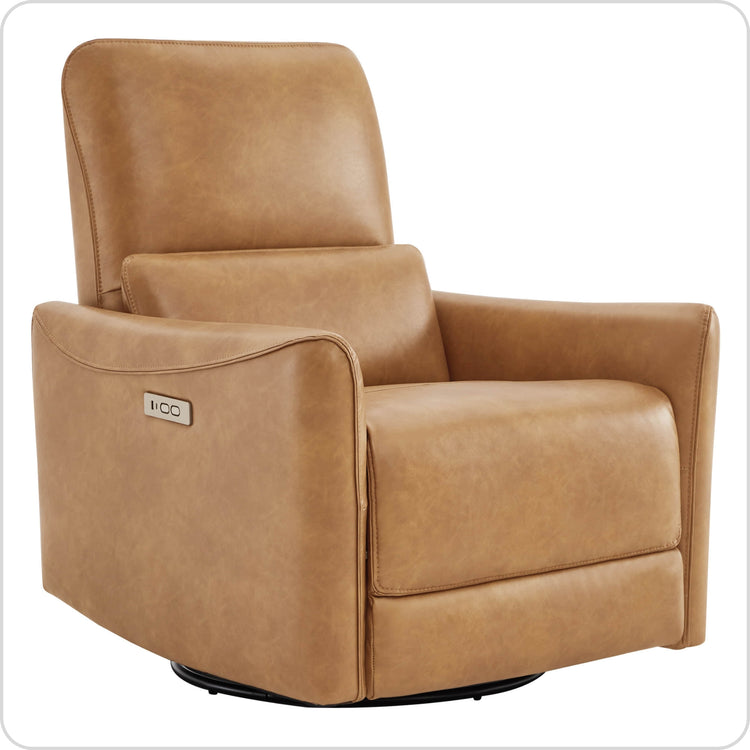
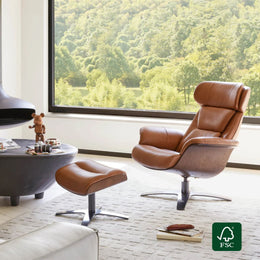
For the high-use suite, the zero-gravity recliner collection is a useful category to browse if your bedroom includes a wind-down chair, but only if the scale and motion footprint fit the room. A more specific option is the Sable Super Zero-gravity Triple-Motor Power Recliner with Storage, which is best treated as a check-before-buying choice for readers who want seating plus storage in one piece.
The main decision rule is straightforward. If your room is busy, choose features that reduce friction first. If your room is mostly for sleeping, visual calm may matter more than extra mechanisms. If your suite is small, storage and scale outrank decorative detail.
Choose Pieces That Will Age Well
The safest way to buy 2026 bedroom furniture trends for primary suites is to start with the room, not the trend. Use this checklist to narrow the field before you spend on a piece that looks right but works poorly.
- Confirm the room's main use. If the suite is only for sleep, keep the plan simpler. If it also handles reading, dressing, or light work, choose furniture that supports those jobs.
- Measure the footprint and circulation. Make sure the bed, nightstands, and any seating leave the room easy to move through.
- Choose finishes that handle daily touchpoints. Upholstery, hardware, and wood surfaces should tolerate normal use without feeling precious.
- Favor storage or modularity only when it solves a real problem. Do not add moving parts just because modular sounds modern.
- Compare construction and warranty cues before buying. A calmer finish is not enough if the piece feels flimsy or hard to maintain.
A good shortlist balances comfort, upkeep, scale, and visual quiet. If a piece looks stylish but makes the room harder to use, it is probably not the right long-term choice.
The Bedroom Furniture & Cozy Decor collection is a reasonable starting point if you want to browse the category by room style first, then narrow by material and function. For a broader design lens, this modular living-space guide can help you think about flexibility without overbuying.
Primary Suite Furniture Trends to Watch in 2026
The smaller signals worth noticing are the ones that support daily ease, not just the newest look. Softer silhouettes, integrated storage, and performance upholstery are all gaining ground because they help rooms feel calmer and easier to maintain. Watch for pieces that combine quiet luxury finishes with practical storage solutions that adapt to changing routines without requiring a full redesign.
That is why the strongest trend is not a shape or a finish on its own. It is the combination of quiet luxury, practical durability, and layout choices that make the suite easier to live in after the refresh is done.
The most durable update is the one that still feels relevant after the room has been used for a while. If the piece stays calm, useful, and proportional, it is usually doing the right job.
Related Resources
FAQs
Q1. How Long Should Primary Suite Furniture Trend Choices Stay Relevant?
Neutral, well-scaled pieces often stay useful for several years because they are driven more by silhouette and finish than by a short-lived trend label. A warm wood tone or simple upholstered profile usually ages better than highly decorative detailing.
Q2. What Materials Hold Up Best in a High-Use Primary Suite?
Performance fabrics, textured upholstery, and easier-clean surfaces are usually the safest practical starting points. They are helpful on high-touch pieces like headboards, benches, and chairs, especially when the room gets daily use and you want less visible wear.
Q3. How Do I Size Modular Furniture for a Primary Bedroom?
Start by measuring the bed footprint, drawer clearance, and the paths you use most often. Modular pieces work best when they do not narrow the room's circulation or crowd the area near closets and nightstands.
Q4. Can a Primary Suite Include a Lounge Zone Without Feeling Crowded?
Yes, if the seating is compact and the room still feels easy to move through. A bench, small chair, or recliner can work well when it adds function without making the suite feel like a second living room.
Q5. Why Are Performance Fabrics Showing Up in Bedrooms in 2026?
Buyers want softer daily-use comfort without high-maintenance surfaces. In bedrooms, that usually means people are choosing upholstery that feels inviting, looks more relaxed, and is easier to live with when the room doubles as a retreat.
Recommended Products

More to Read
 7 Sofa Trends That Actually Improve Comfort in 2026
Upgrade your living room with furniture that supports your body. Here are 7 modern sofa features designed to maximize your daily comfort...
7 Sofa Trends That Actually Improve Comfort in 2026
Upgrade your living room with furniture that supports your body. Here are 7 modern sofa features designed to maximize your daily comfort...
 Mother's Day Gift Guide: Cozy and Stylish Furniture Picks for Modern Moms
Make Mother's Day more meaningful with furniture gifts that bring comfort, smart features, storage, and quiet luxury into her everyday routine.
Mother's Day Gift Guide: Cozy and Stylish Furniture Picks for Modern Moms
Make Mother's Day more meaningful with furniture gifts that bring comfort, smart features, storage, and quiet luxury into her everyday routine.
 Performance Fabric Reality Check: Does It Really Repel Pet Hair and Stains?
Performance fabric is often marketed as a miracle solution for homes with pets and kids, but the reality is more nuanced. It...
Performance Fabric Reality Check: Does It Really Repel Pet Hair and Stains?
Performance fabric is often marketed as a miracle solution for homes with pets and kids, but the reality is more nuanced. It...