
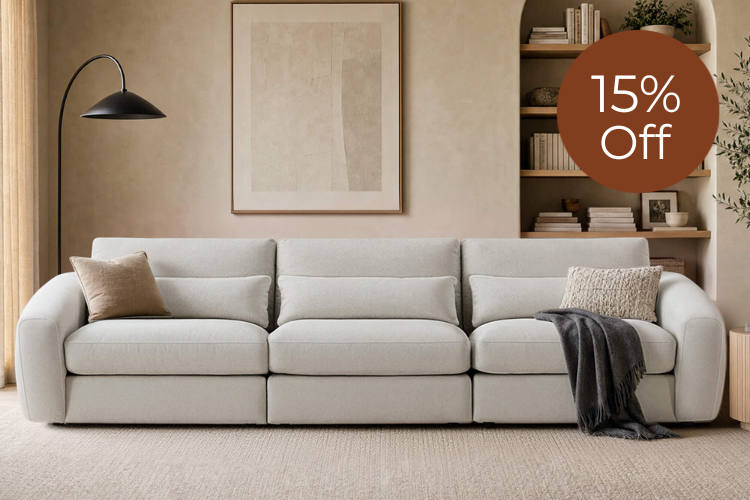




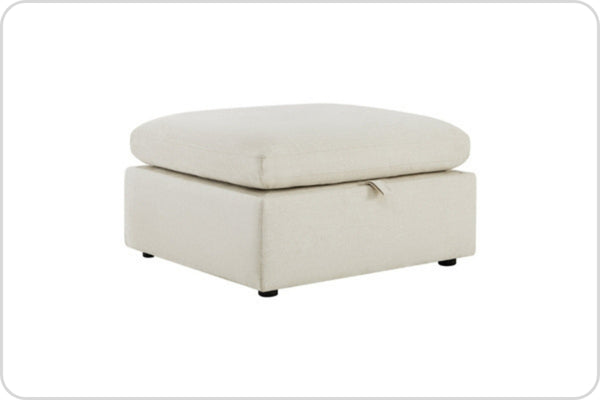

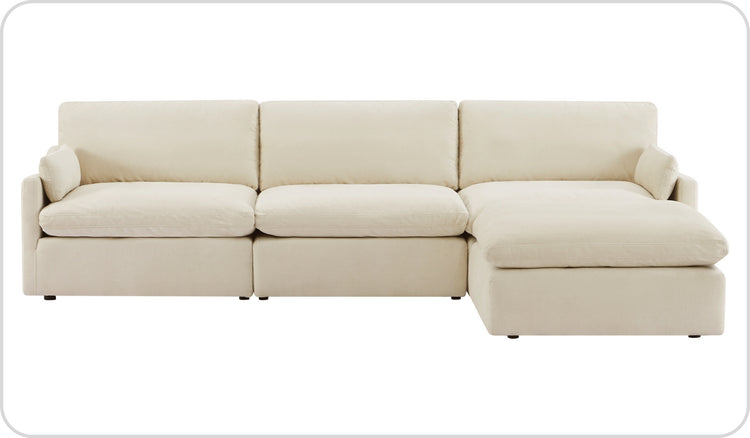


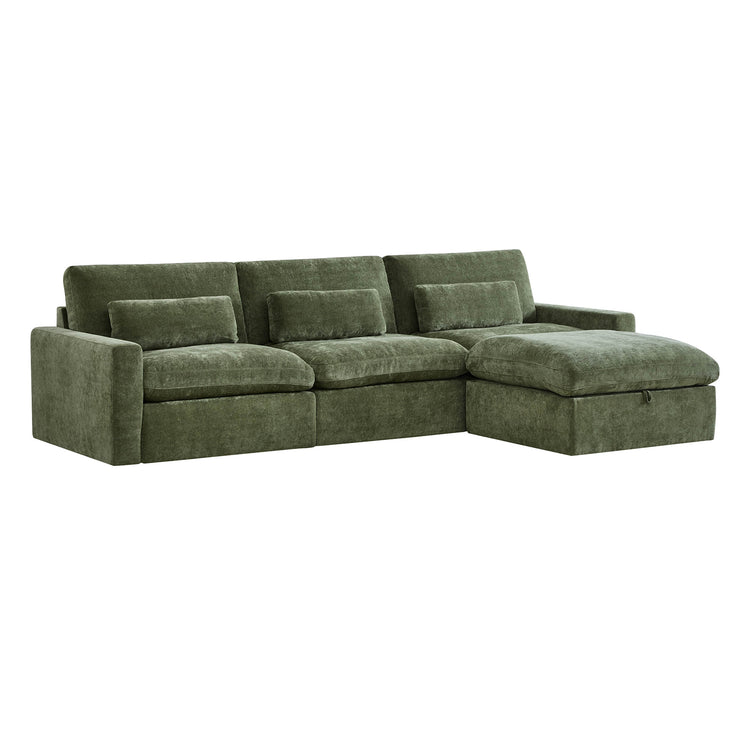







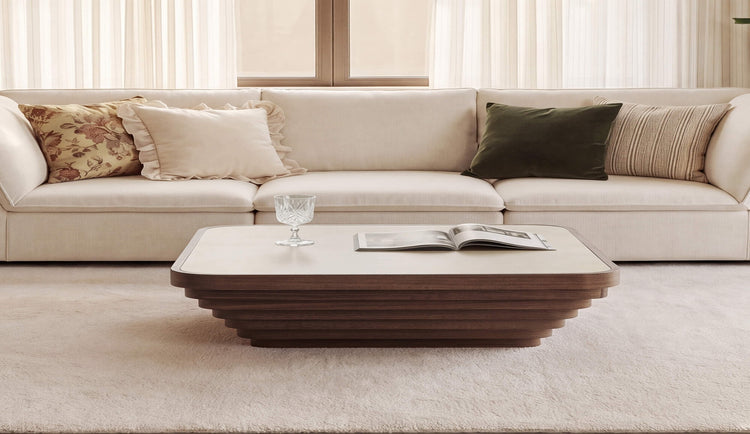










Deep-seat lounging works best when the sofa is deep enough to curl into, but not so deep that you slide forward or lose back support. The best sofas for deep-seat lounging usually balance seat depth, cushion recovery, and frame support, with room size deciding whether an oversized sofa, sectional, or modular layout is the smarter fit.

What Makes a Deep-Seat Sofa Feel Right
Seat Depth Versus Lounging Feel
For most shoppers, the sweet spot is less about a single "perfect" number and more about whether the sofa lets you sit the way you actually live. A lounging-friendly seat is often deeper than an everyday sofa, and one practical guide places comfortable lounging depth around 24 to 28 inches, compared with about 21 to 24 inches for standard seating.
That extra depth matters if you like to curl up, stretch out, or tuck one leg under you. It matters less if you mostly sit upright, because too much depth can leave your feet dangling or push you toward the edge.
Cushion Fill and Recovery
A deep-seat sofa should feel plush on day one and still spring back after family use. That's why cushion recovery matters as much as softness. ASTM's urethane foam performance standard covers load-bearing, compression set, and fatigue behavior, which is a useful reminder that the best comfort is not only about sink-in feel, but also about how well the cushion rebounds.
A good rule of thumb is simple: if a cushion looks inviting but starts to flatten fast, the sofa will feel tired long before the fabric wears out.
Back Height, Lumbar Support, and Posture
Deep seating can be relaxing and still support your back well enough for long movie nights. The catch is that seat depth and back height need to work together. A sofa that is too deep for your body size can make you slouch, while a back that sits too low can leave you hanging in space instead of supported.
As a practical check, sit all the way back before you buy. If your lower back feels suspended or your feet can't settle naturally, the sofa is probably better for occasional lounging than for everyday use.
Frame and Suspension for Long-Term Comfort
Comfort is not just a cushion story. A deep-seat sofa also depends on the frame and suspension underneath, because sagging support can turn a premium-looking sofa into a low, tired one quickly. The federal performance test requirements for upholstered seating point to frame, cushion, and durability checks for a reason: all three parts affect how the sofa feels over time.
For shoppers, the takeaway is straightforward. If a sofa promises sink-in comfort but gives no clear sign of durable support, treat it as a short-term comfort play, not a long-term buy.
The 2026 Spec-First Sofa: Why Feature Density is the New Luxury
Deep-Seat Sofas That Fit Different Rooms
Not every deep-seat sofa solves the same problem. If your room is open and you want a simple statement piece, an oversized lounge sofa can work well. If your priority is maximum family seating, a deep seat sectional often makes more sense. If the room has to stay flexible, a modular deep seat sofa usually wins. And if you need to save footprint, a chaise-style layout can deliver a lounge feel without taking over the whole room.

| Sofa Type | Best For | Main Advantage | When It Breaks Down |
|---|---|---|---|
| Oversized lounge sofa | Open living rooms and buyers who want one large piece | Strong sink-in feel with a clean, simple layout | It can overwhelm smaller rooms or narrow walkways |
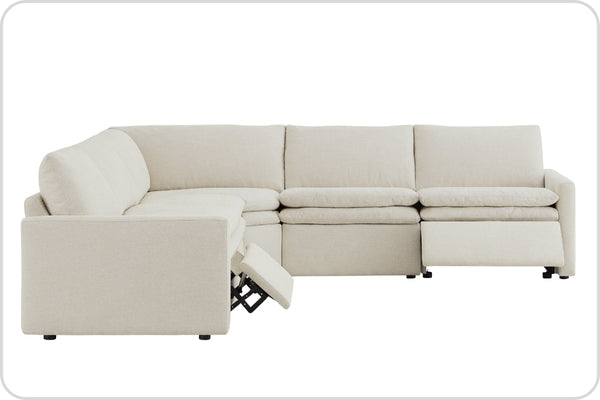
| Deep seat sectional | Movie nights, family gatherings, and group lounging | Most seating and the clearest shared lounge setup | It needs enough floor area to avoid crowding |
| Modular deep seat sofa | Apartments and rooms that may change later | Layout flexibility as your needs evolve | It can feel unnecessary if the layout never changes |
| Chaise-style configuration | Tighter rooms that still need lounging depth | Footprint-saving comfort for one primary lounger | It is less flexible for large groups |
The practical flip is this: if you care most about flexibility, choose modular first; if you care most about group lounging, start with a sectional; if you care most about keeping the room airy, consider a chaise before you size up.
Top Picks for Sink-In Comfort
If you want the softest reading of "deep-seat comfort," start with a sofa that clearly prioritizes lounging over formal posture. The products below are best treated as navigation points for shoppers who want a deep, relaxed feel first and a layout that fits family life second.
- The Kenna Modular 4 Seat Sofa-Chaise Sectional is a natural starting point if you want a generous chaise-style lounge setup and prefer one of the roomiest-feeling modular paths in the assortment.
- The Delaney Modular Sofas collection is worth browsing if you want a modular route that can be configured around changing room needs rather than locked into one fixed look.
- The Kenna Modular Collection is a useful browse page if you want to compare variations within a deep-seat family without treating one single layout as the only answer.
- Review the Delaney 4-Seat Modular Sofa Chaise with Storage Ottoman if you want lounge-friendly seating plus the convenience of storage in the same footprint.
- Review the Liam 4-Piece Overstuffed Feather Wood Base Sectional Sofa if your priority is a more overstuffed, sink-in look for a larger family room.
- The Sofa collection is the broadest place to compare flexible layouts if you are still deciding between fixed and reconfigurable seating.
For buyers torn between comfort and flexibility, the modular path is usually the safer default. For buyers who already know they want a movie-night anchor, a deeper sectional is often the better match. If your room is tight, keep the chaise-style options in the mix before you commit to a bigger footprint.
How to Match Size to Your Living Room
Start with the room, not the sofa listing. Measure the wall you expect the sofa to sit on, then measure the traffic paths people actually use. Walkway clearance of roughly 30 to 36 inches in front of and around deep-seat seating helps the room stay usable in most homes.
That matters because deep seating can look inviting online and still feel crowded once it lands in your space. A sofa that fits on paper can fail in real life if the room needs to handle kids, pets, coffee tables, and everyday movement.
A simple room-fit checklist helps:
- Measure the sofa wall and leave room for side clearance.
- Check whether the room can handle an ottoman, chaise, or return piece.
- Confirm that doors, elevators, and stair turns can handle delivery.
- Decide whether you need a fixed statement piece or a modular layout.
- Walk the room as if someone were carrying a laundry basket or tray through it.
If the sofa works only after you remove normal daily movement, it is probably too big for the room, even if it looks great in the corner.
Avoid Common Lounge-Sofa Regrets
The biggest regret is buying for the first sit instead of the long sit. A deep seat can feel amazing in the showroom and still become annoying at home if the back support is too far away, the cushions flatten quickly, or the layout crowds the room.
Cushions that look plush but do not recover well are another common disappointment. They can make the sofa feel tired earlier than expected, which is why cushion recovery is worth more attention than decorative overstuffing.
Another frequent miss is proportion. A sofa can be deep, soft, and expensive-looking, but still feel off if it dominates the room or blocks traffic. In other words, the best sofas for deep-seat lounging are the ones that match your body, your room, and your routine.
sectional vs modular sofas guide
Sofas That Stay Comfortable Longer
If you want deep-seat lounging without buyer's remorse, focus on three things in this order: seat depth that matches how you sit, cushions that recover instead of flattening, and a layout that leaves the room easy to live in. That combination is usually more important than flashy extras. Check seat depth against your height and preferred posture, test cushion recovery by pressing firmly for several seconds, and confirm at least 30 inches of clear walkway space remains after placement. These quick checks reduce the chance the sofa will feel wrong after delivery.