








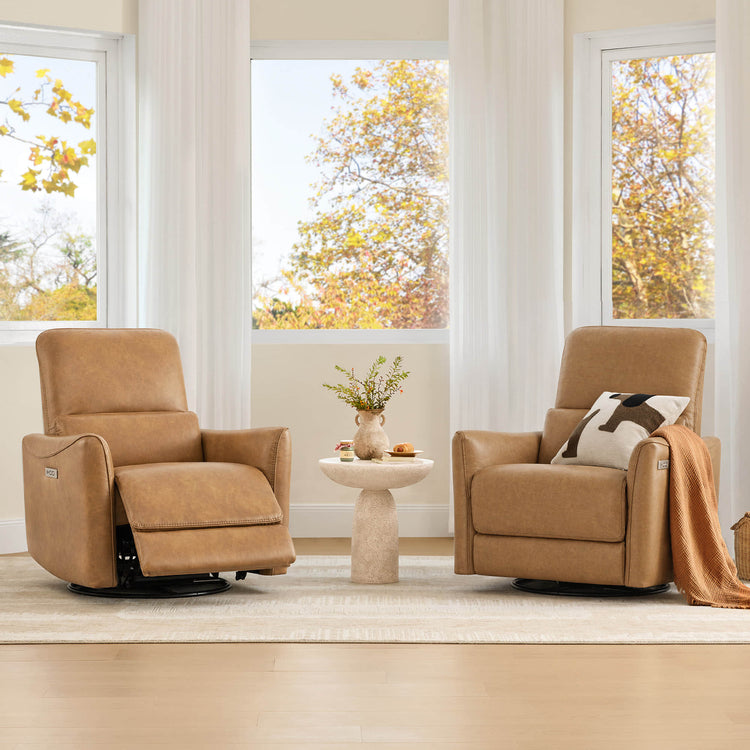
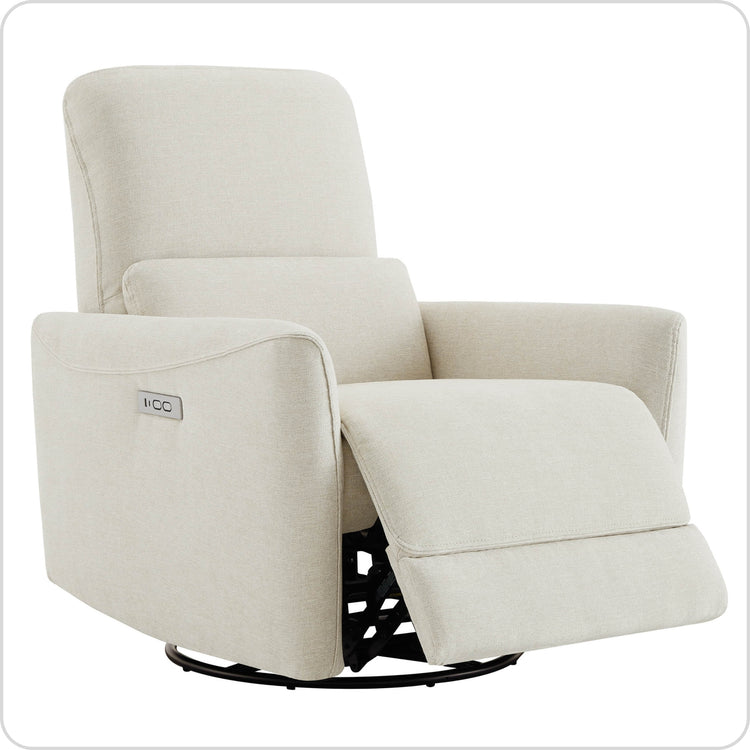
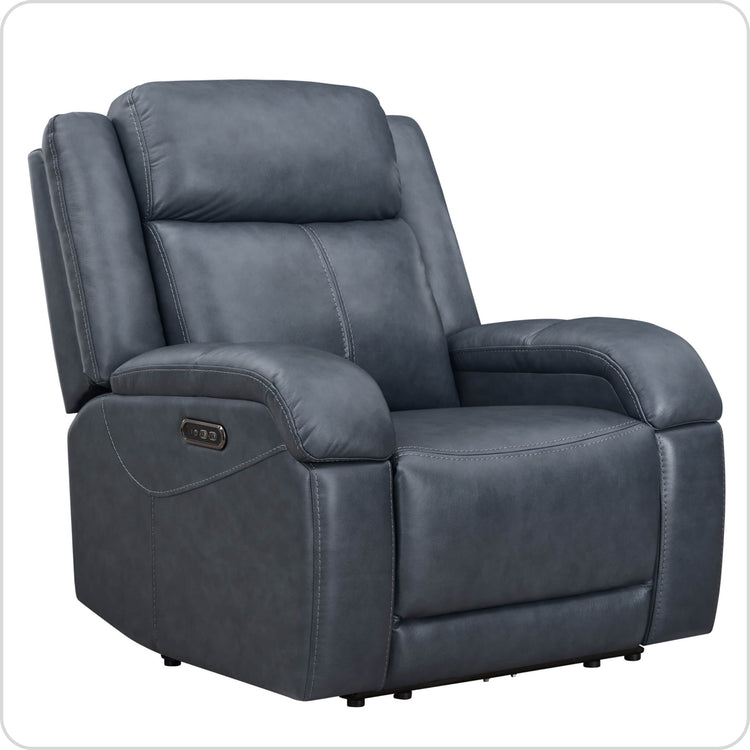
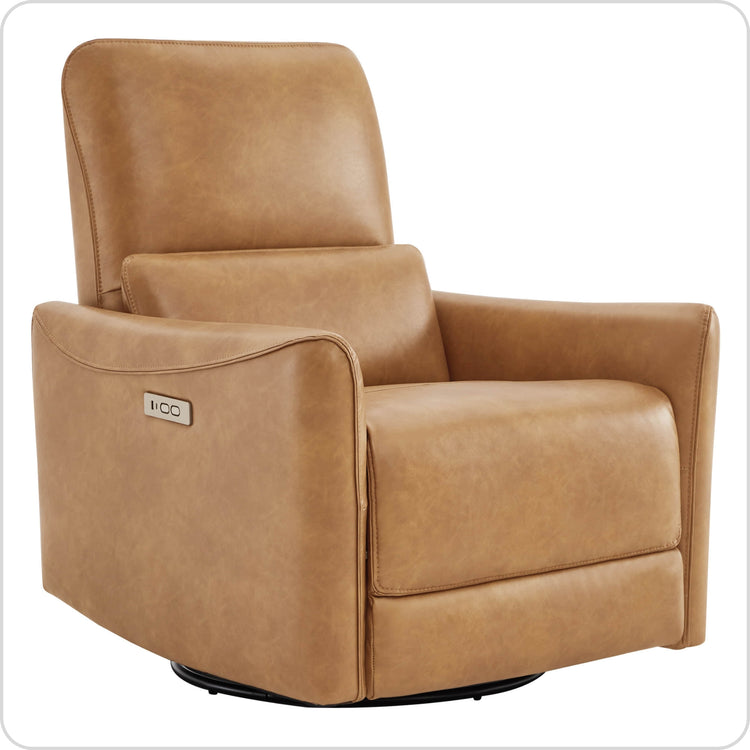
















In 2026, luxury in sofas is shifting from brand prestige to measurable feature density—the concentration of high-performance specs in foam, springs, frames, motors, and fabrics. This spec-first approach lets value-driven buyers secure engineered comfort and durability that often outlasts prestige models without paying the markup.

The Visual Parity Trap explains why two sofas that look identical in a showroom can differ dramatically in real-world longevity. One may use premium components while the other relies on mass-market materials, creating up to a 70% gap in usable life according to forensic durability analysis. Industrial arbitrage means sourcing that mechanical density directly, bypassing branding costs. Feature density becomes your primary filter: it concentrates multiple high-spec elements rather than relying on a single standout feature.
Industrial Arbitrage: Avoiding the 'Visual Parity Trap' in 2026
Many shoppers still judge sofas by appearance and brand name, only to discover sagging cushions or failing mechanisms within a few years. This Visual Parity Trap occurs because identical upholstery and styling can hide vast differences in core construction. As one forensic guide to furniture durability notes, visual similarity often masks a 70% difference in lifespan driven by unseen specs like foam density and frame quality.
Industrial arbitrage flips the script. It focuses on extracting premium mechanical performance—high-density foam, heavy-gauge springs, quiet motors, and durable fabrics—while avoiding luxury-brand overhead. The result is engineered comfort that prioritizes long-term ownership value over showroom appeal. This approach particularly benefits apartment dwellers, families, and design-conscious buyers who want premium performance without prestige pricing.
Feature density, the core 2026 metric, measures how many critical specs clear professional thresholds in a single piece. A sofa scoring high on this metric typically delivers better durability and comfort per dollar. For deeper context on this shift, see our guide to why high-spec furniture costs less in 2026.
The Core Spec: Why Foam Density Outlasts Brand Prestige
Foam density stands as the strongest predictor of cushion longevity. High-resiliency (HR) foam at 2.5 lb/ft³ or higher serves as the industrial benchmark for extended performance, whereas lower-density options around 1.8 lb/ft³ often begin to compress and sag within a few years, per foam science resources. This distinction matters far more than initial firmness ratings or brand labels because density directly affects how the material rebounds under repeated daily use.
Suspension quality follows closely. Look for 8-gauge or 9-gauge high-tensile sinuous steel springs; these provide superior fatigue resistance and prevent the bottoming-out effect common in thinner 11- or 12-gauge wire used in budget models. Frame stability adds the third pillar: kiln-dried hardwood brought to 8-12% moisture content resists warping, cracking, and squeaks caused by seasonal humidity changes.
These elements combine into a practical Feature Density Score you can calculate while comparing listings. Rate each major component (foam, springs, frame, fabric) against the pro thresholds. A sofa clearing most of them earns higher long-term value regardless of styling. This checklist helps avoid the common regret of choosing attractive but under-built pieces.
For more on preventing sagging, explore the secret to a sag-free sofa using high-density foam and general quality indicators in how to identify good versus bad sofa construction.
Sofa Feature Density Fit by Lifestyle
A quick way to see which spec tiers tend to fit apartment, family, and lounge use without reading every line item.
View chart data
| Scenario | Apartment / Nursery | Family Heavy-Use | Tech Lounge |
|---|---|---|---|
| Mid-Spec | 2.0 | 1.0 | 1.0 |
| Pro-Spec | 1.0 | 2.0 | 2.0 |
This heatmap clarifies the likely fit patterns across lifestyles. Pro-Spec combinations align better with demanding family or tech-lounge use, while Mid-Spec tiers can suffice for lighter apartment or nursery scenarios when budget is tight. The visualization helps you match mechanical density to your actual needs rather than assuming all feature-rich sofas perform equally.

Mechanical Density: Decoding the Power Recliner Spec Sheet
Power recliners add complexity because motor performance directly affects daily usability and longevity. Acoustic performance matters most in shared spaces. Motors operating under 45 dB deliver the quiet operation needed for nurseries, apartments with thin walls, or media rooms; anything above that range can disturb sleep or conversations, as explained in comparisons of silent versus standard recliner motors.
Duty cycle ratings reveal how often the mechanism can safely operate. A low rating around 10% signals risk of premature burnout in households with frequent use by multiple family members or children. Thrust capacity of 6000N or higher supports heavier occupants and smoother motion, while energy efficiency in the 18-35 Wh per cycle range keeps operating costs low.
Motor lineage provides another reliability signal. Systems from established lines such as OKIN-class mechanisms have shown fewer early failures in user reports and field observations, reducing the chance of early replacement. These details matter because a seemingly convenient power feature can become expensive e-waste if the specs do not match your household intensity.
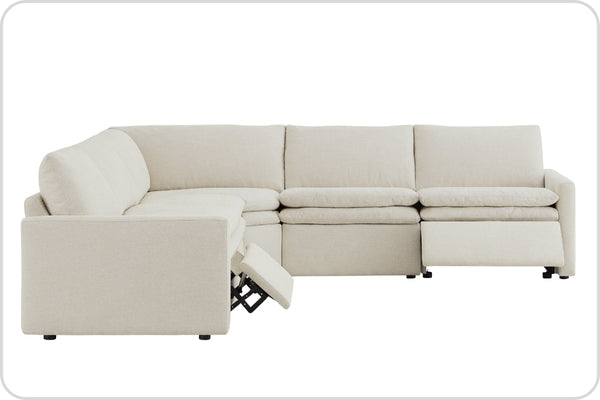
When evaluating modular power sectionals, prioritize these mechanical benchmarks first. Our 2026 guide to modular power reclining sectionals (note: title adapted from available inventory patterns) expands on layout considerations that complement strong motor specs.
The 2026 Durability Matrix: Matching Specs to Lifestyle
Fabric performance completes the feature-density picture. Heavy-use households need upholstery that withstands 30,000 or more Wyzenbeek double rubs or equivalent Martindale cycles to resist pilling, abrasion from pets, and general wear. As the textile stress test guide details, matching these abrasion ratings to your actual lifestyle prevents premature fabric failure that undermines even excellent frame and cushion construction.
Modular designs add another variable. When sections are frequently rearranged, higher overall mechanical density becomes more important because joints and connections experience extra stress. Serviceability specs also rise in priority—look for accessible motor cartridges and replaceable components so repairs remain practical years later.
The durability matrix therefore combines all core elements: foam density, spring gauge, frame moisture content, fabric rub count, and—for motion pieces—motor metrics. Prioritizing this full stack over isolated features or styling helps you allocate budget where it delivers the most years of reliable service. For fabric-specific guidance, review the 2026 guide to performance fabric durability and the reality check on performance fabrics for pet hair and stains.
Decision Guide: Choosing Your Spec-First Sofa by Use Case
Match your household pattern to the right spec combination rather than chasing the highest price or most features.
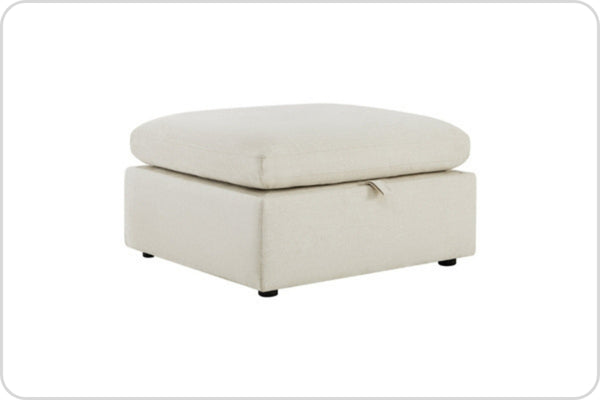
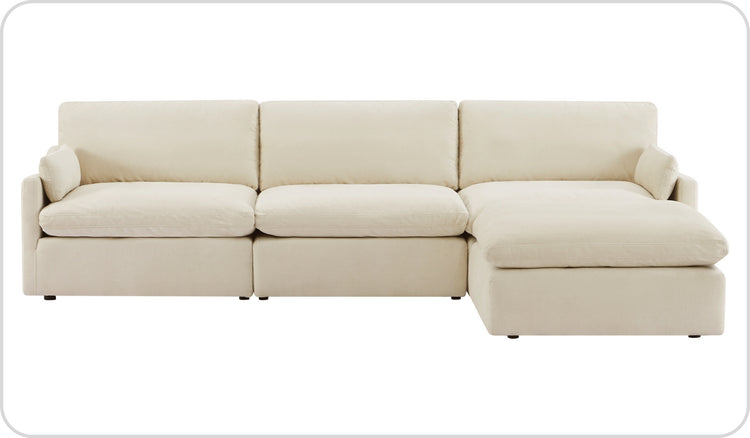
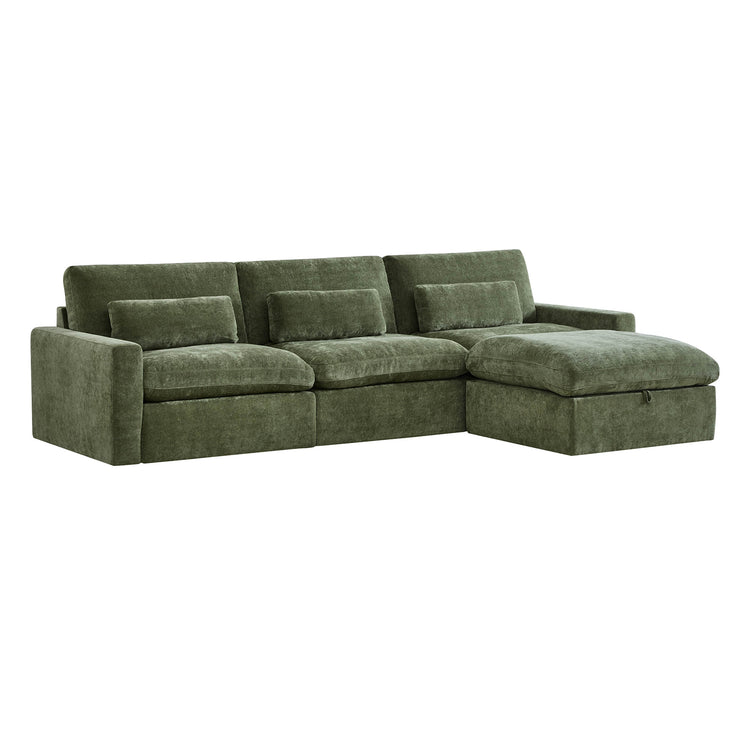
For nursery or small-apartment setups, prioritize sub-45 dB motors and wall-hugger clearance of 3–6 inches. Quiet, space-efficient designs prevent disturbances and fit tight layouts. The Ivy 5-Seat Performance Fabric Modular Sectional Sofa with Storage Ottoman offers strong modularity and easy-clean fabric that aligns well here when noise and maintenance matter most.
Heavy-use family rooms demand the full pro stack: 2.5 PCF HR foam, 8-gauge springs, kiln-dried frames, and 30,000+ double-rub fabrics. These elements resist sagging, wear from kids and pets, and daily stress. The Haley Buttery-Soft 5-Seat Modular Power Reclining Sofa with Power Headrests delivers dual-motor precision, high-thrust capability, and robust construction that matches these requirements for long-term family comfort.
Tech-lounge or media setups benefit from OKIN-class reliability, dual-motor smoothness, and efficient power systems. Zero-gravity positioning and integrated charging add convenience when the mechanical foundation is already solid. The Ohana 3-Seat Zero Gravity Modular Reclining Sofa provides these motion features alongside flexible layout options that support extended lounging sessions.
Before purchasing, verify current model specifications against these thresholds, as minor updates occur yearly. Focus first on the specs that match your primary use case, then layer styling and layout. This spec-first discipline consistently yields better ownership outcomes than prestige-driven choices.
FAQs
What is the minimum foam density I should accept for a daily-use sofa in 2026?
Aim for at least 2.5 lb/ft³ high-resiliency foam when the sofa will see heavy daily traffic. Lower densities can feel adequate initially but often compress noticeably within a few years. Always cross-check with the full feature-density stack rather than foam alone.
How important is motor noise level for power recliners in apartments?
Sub-45 dB operation is usually a non-negotiable for apartments or homes with nurseries. Louder motors (45–55 dB) can transmit through walls and disturb sleep or conversations. Test in person if possible or confirm manufacturer ratings before buying for shared spaces.
Does higher feature density always justify a higher price?
Not automatically. Feature density improves value only when the specs align with your actual usage intensity and room constraints. A heavily featured sofa becomes poor value if its maintenance requirements or size do not fit your lifestyle. Compare the full spec stack against your priorities first.
What fabric rub count is sufficient for a family with pets and children?
Target 30,000+ Wyzenbeek double rubs or the Martindale equivalent for heavy residential use. This threshold helps resist abrasion from claws, spills, and frequent movement. Pair it with performance treatments and easy-clean codes for best results, but remember no fabric is truly indestructible.
How can I calculate a simple feature density score when comparing listings?
Score each major category (foam, springs, frame, fabric, motor if present) against the pro thresholds outlined above. Give one point for each spec that meets or exceeds the benchmark. Sofas clearing four or more categories generally offer stronger long-term performance per dollar. Use this as a starting filter before considering aesthetics.
Recommended Products


More to Read
 7 Sofa Trends That Actually Improve Comfort in 2026
Upgrade your living room with furniture that supports your body. Here are 7 modern sofa features designed to maximize your daily comfort...
7 Sofa Trends That Actually Improve Comfort in 2026
Upgrade your living room with furniture that supports your body. Here are 7 modern sofa features designed to maximize your daily comfort...
 Mother's Day Gift Guide: Cozy and Stylish Furniture Picks for Modern Moms
Make Mother's Day more meaningful with furniture gifts that bring comfort, smart features, storage, and quiet luxury into her everyday routine.
Mother's Day Gift Guide: Cozy and Stylish Furniture Picks for Modern Moms
Make Mother's Day more meaningful with furniture gifts that bring comfort, smart features, storage, and quiet luxury into her everyday routine.
 Performance Fabric Reality Check: Does It Really Repel Pet Hair and Stains?
Performance fabric is often marketed as a miracle solution for homes with pets and kids, but the reality is more nuanced. It...
Performance Fabric Reality Check: Does It Really Repel Pet Hair and Stains?
Performance fabric is often marketed as a miracle solution for homes with pets and kids, but the reality is more nuanced. It...