













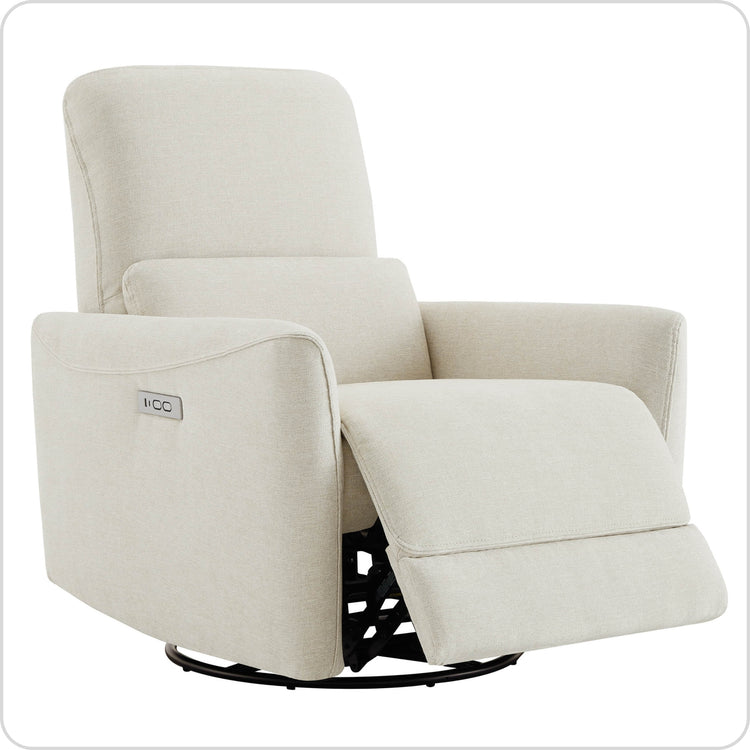
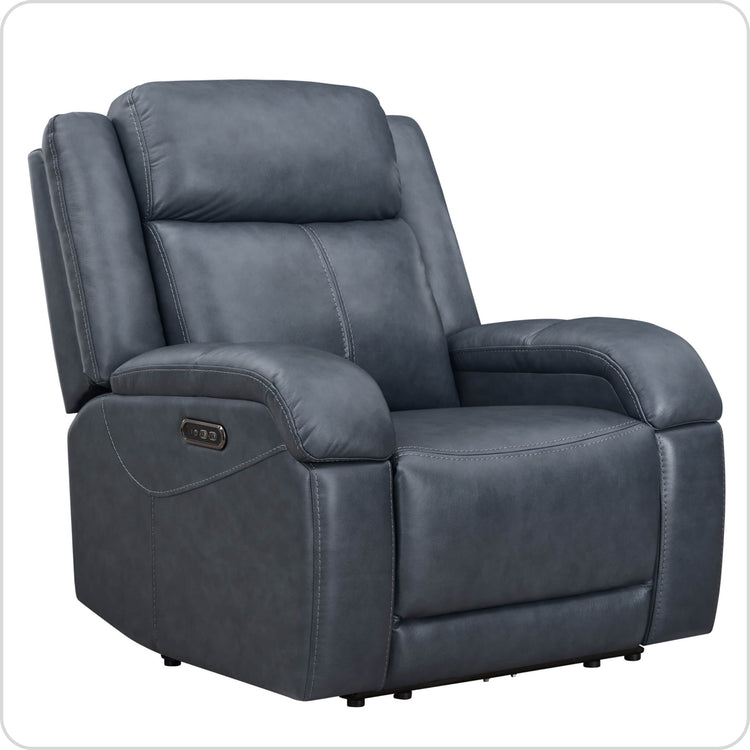
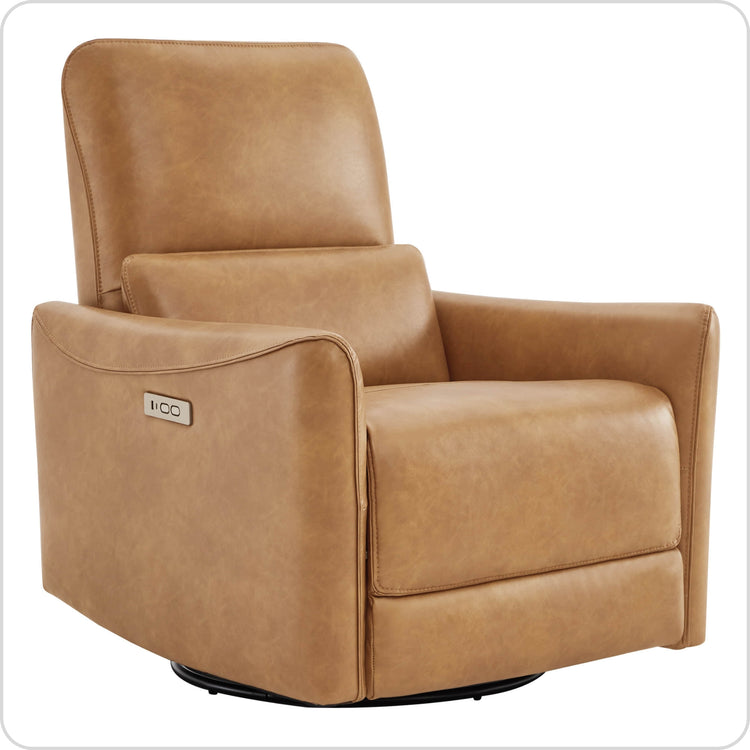


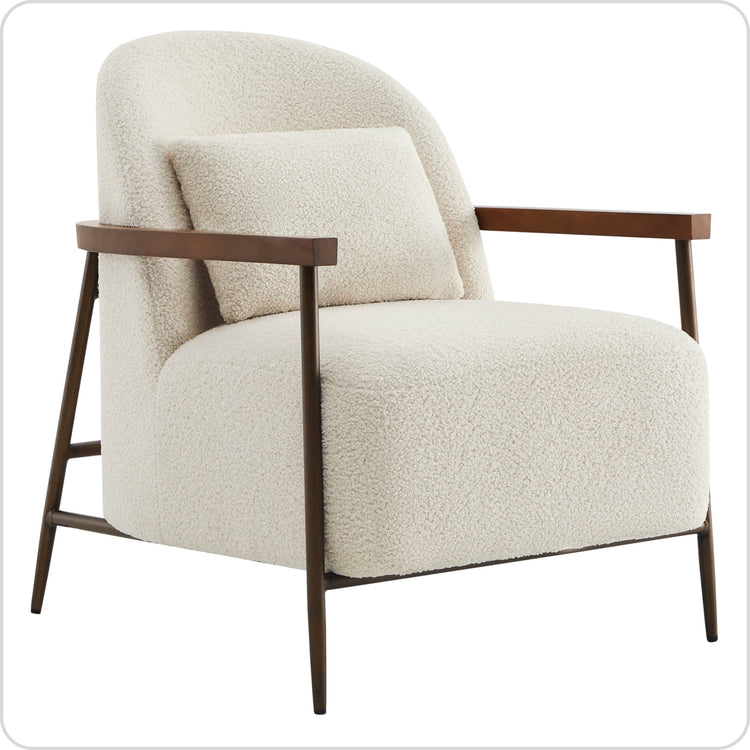















If you deal with lower back discomfort after long days of sitting or standing, a zero gravity recliner can offer meaningful pressure relief by elevating your legs above heart level and supporting a neutral spine position. Unlike standard recliners that often leave you in a slouched posture, these chairs are designed around NASA's Neutral Body Posture principles to distribute weight more evenly and reduce strain on your lower back. The key is choosing one with the right ergonomic features and fit for your body.

The Science of Weightlessness: Why Zero Gravity Works for Back Pain
Zero gravity recliners take their name from the Neutral Body Posture that NASA identified as the most relaxed position for the human body in microgravity. In this posture, the torso and thighs form roughly a 120- to 130-degree angle, with legs elevated above the heart. This alignment helps reduce the natural curve compression that occurs when sitting upright or in many traditional recliners.
According to guidance on spinal health, elevating the legs in this manner can help decompress the spine and provide short-term relief from back pressure by lowering the load on intervertebral discs. Results vary by individual and condition, however. People with chronic or severe back pain should consult a healthcare professional rather than rely solely on furniture for relief.
The benefit is primarily biomechanical: even weight distribution and reduced gravitational pull on the spine promote muscle relaxation during rest. This makes zero gravity seating a practical tool for evening wind-downs or extended reading and TV sessions when back stiffness is an issue.
Zero Gravity vs. Traditional Recliners: Which Actually Relieves Pressure?
Standard recliners typically focus on leg extension and basic tilt, which can leave the lumbar spine in a pronounced C-curve over time. This "slouch trap" often increases pressure on the lower back rather than relieving it.
In contrast, true zero gravity recliners achieve the specific 120- to 130-degree neutral angle that places the heart and knees on roughly the same horizontal plane. This positioning supports better pelvic tilt and reduces disc compression in ways that standard designs rarely match.
Zero Gravity vs Standard Recliners: Support and Pressure-Relief Mechanisms
Tiered comparison of how the two recliner types differ in spinal load reduction, leg elevation, lumbar alignment, and likely back-pain relief support.
View chart data
| Category | Standard recliner | Zero gravity recliner |
|---|---|---|
| Spinal load reduction | 1.0 | 3.0 |
| Leg elevation | 1.0 | 3.0 |
| Lumbar alignment quality | 1.0 | 3.0 |
| Overall back-pain relief potential | 1.0 | 3.0 |
Based on NASA NBP and clinical alignment guidance as planning reference.
This chart illustrates the typical tiered differences in key support factors. Zero gravity designs generally score higher across spinal load reduction, leg elevation, lumbar alignment, and overall relief potential in typical setups. Standard recliners remain a simpler option for occasional use when maximum decompression is not the priority.

3 Non-Negotiable Features for Maximum Back Relief in 2026
Independent power headrests rank among the most important upgrades. They allow you to adjust neck and head support separately so your cervical spine stays aligned even when the main backrest reclines. Without this, many users experience forward head posture that creates new tension.
Adjustable lumbar support is equally critical. A fixed cushion may feel good initially but often fails to match different body shapes or pain profiles. Look for models that let you fine-tune the lumbar area or offer removable inserts. Mayo Clinic guidance on alignment highlights how proper knee flexion and lumbar curvature help keep the pelvis neutral and reduce lower-back strain.
Dual or triple motor systems give you independent control over the leg rest, back angle, and headrest. This means you can optimize leg elevation for decompression without compromising your preferred back position. Single-motor chairs limit these adjustments and may not deliver the full zero gravity benefit for back pain relief.
The Tall User’s Guide to Zero Gravity Fit
If you are 6 feet or taller, standard recliner dimensions frequently fall short. Industry heuristics suggest a minimum seat depth of 21 to 22 inches to fully support the thighs and prevent pressure behind the knees. Back height of at least 30 inches helps ensure the headrest reaches the neck rather than the shoulder blades.
Shorter footrests create the "heel overhang" problem, where calves remain unsupported and tension builds in the lower legs. This defeats much of the relaxation benefit. Models with extended or adjustable footrests work better for taller frames.
Our Atlas model with a 28-inch back height often serves as a boundary fit for users right at 6 feet, while the Noah with its 26-inch back may feel more compact. Always verify exact measurements against your height and inseam before purchasing, as returns can involve restocking fees.
Choosing Your Relief: Finding the Right Recliner for Your Pain Profile
Match the chair to your primary needs and room constraints. For chronic lower-back discomfort that benefits from frequent micro-adjustments, a triple-motor design with separate controls for lumbar, headrest, and recline offers the most flexibility.
Users seeking a sleek, modern aesthetic with strong zero gravity performance may prefer a model like the Atlas that reaches a full 140-degree recline while maintaining clean lines. Those in tighter living rooms should consider wall-hugger mechanisms that require minimal clearance behind the chair.
A zero gravity wall-hugger recliner combines decompression benefits with space-saving design. For guidance on healthy recliner posture overall, see our article on the healthiest way to sit in a recliner.
Power features add convenience but introduce electronics that typically carry a one-year warranty. Consider your willingness to maintain motors when deciding between manual and power zero gravity options.
Myth vs Reality
Many assume any recliner with an elevated footrest qualifies as zero gravity. In reality, only designs that achieve the precise neutral angle and independent leg elevation deliver the intended spinal decompression effect. A standard recliner may feel relaxing but rarely reduces disc pressure the same way.
Decision Checklist for Tall Users
- Measure your inseam and height against seat depth (aim for 21–22 inches) and back height (30 inches+).
- Test whether the headrest reaches your neck rather than mid-back when fully reclined.
- Confirm the footrest fully supports your calves without overhang.
- If any dimension falls short, consider upsizing or a different model to avoid regret.
Frequently Asked Questions
Do zero gravity recliners really help with back pain?
They can help relieve pressure on the spine by promoting a neutral posture and elevating the legs, which reduces load on the lower back in many users. They do not treat underlying medical conditions, so consult a doctor for persistent pain.
What is the difference between zero gravity and power recliners?
Zero gravity refers to the specific recline angle and leg elevation that mimics NASA’s neutral posture. Power recliners add motorized controls for easier adjustment. Many modern zero gravity models are also power recliners, but not all power recliners achieve true zero gravity positioning.
Is a power headrest necessary for back pain relief?
It is highly recommended because it maintains proper neck alignment when the chair reclines. Without it, the head can tilt forward and create additional strain in the upper back and shoulders.
What size zero gravity recliner is best for tall people?
Look for at least 21–22 inches of seat depth and 30 inches or more of back height. These dimensions help ensure thigh and neck support for users 6 feet and taller.
Can I use a zero gravity recliner for reading and watching TV?
Yes. The adjustable positions and supportive lumbar and headrest features make them excellent for extended reading or TV time while keeping the spine better aligned than a standard couch or chair.
How do I know if a zero gravity recliner will fit in my small space?
Choose a wall-hugger or zero-clearance model that requires only a few inches of wall clearance. Check the fully reclined depth listed in product specifications to confirm it works in your room layout.
Are zero gravity recliners hard to maintain?
Motorized versions require occasional checks on the electrical components and fabric or leather care. Most come with at least a one-year warranty on the mechanism, but long-term durability depends on usage and build quality.