
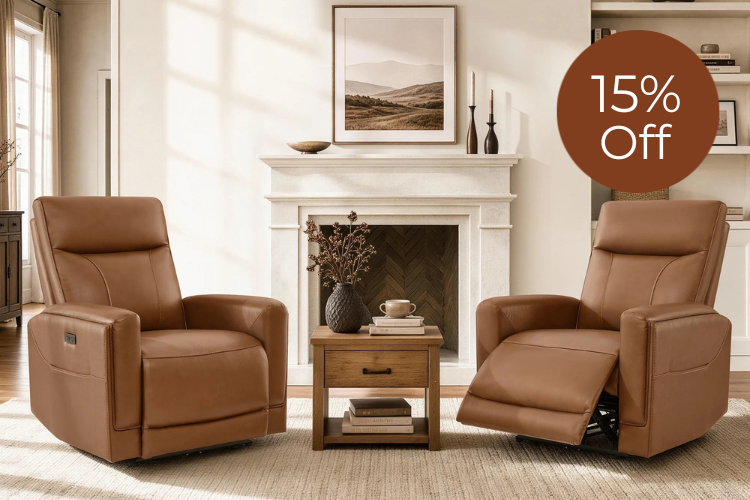










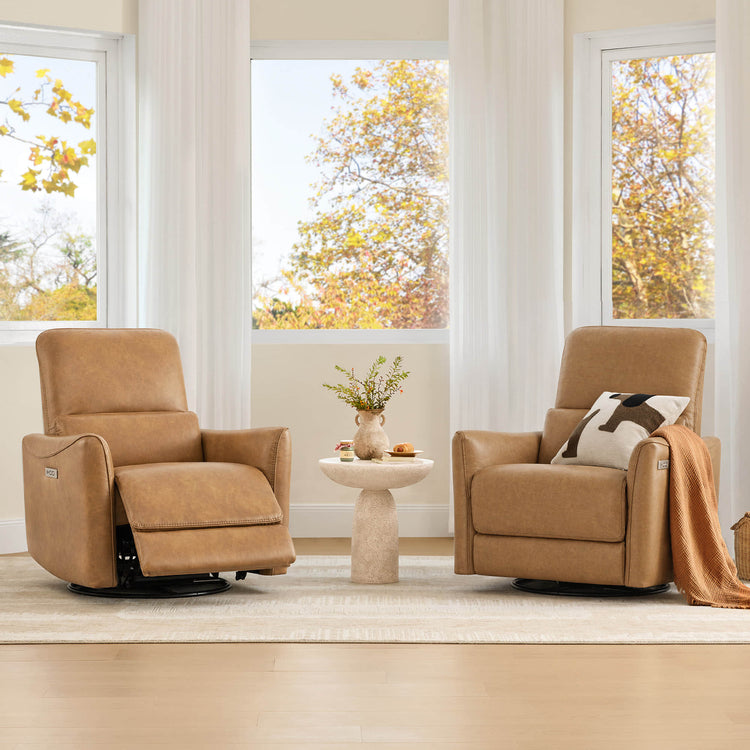
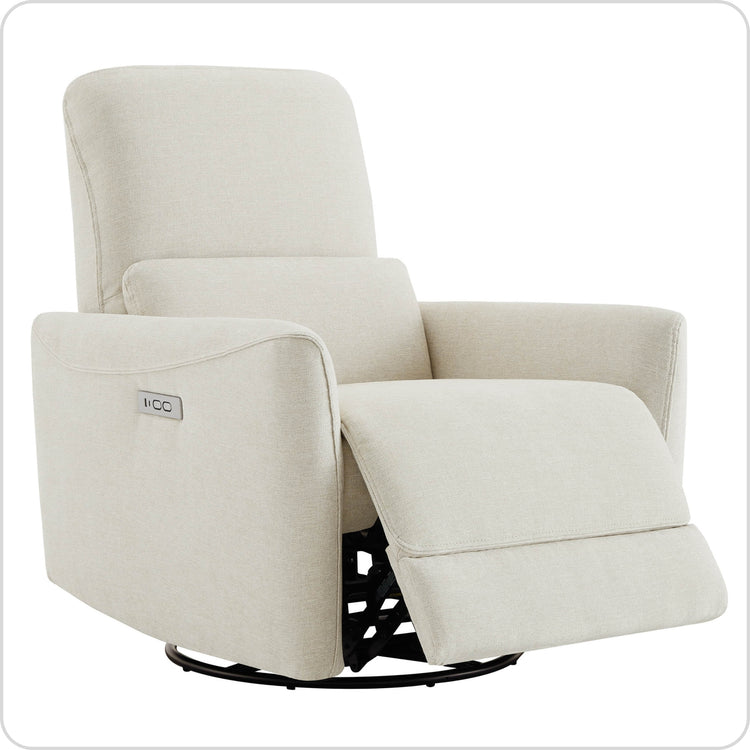
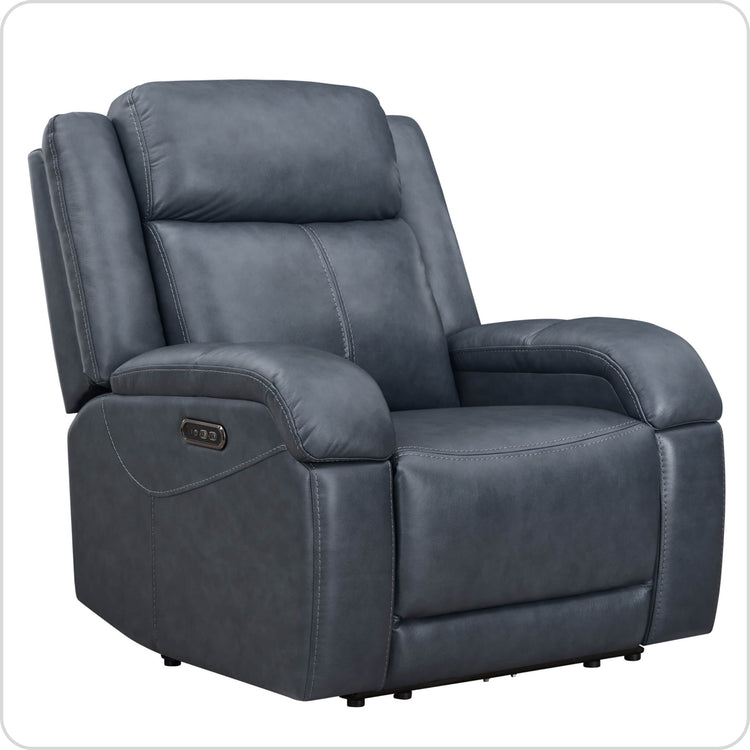
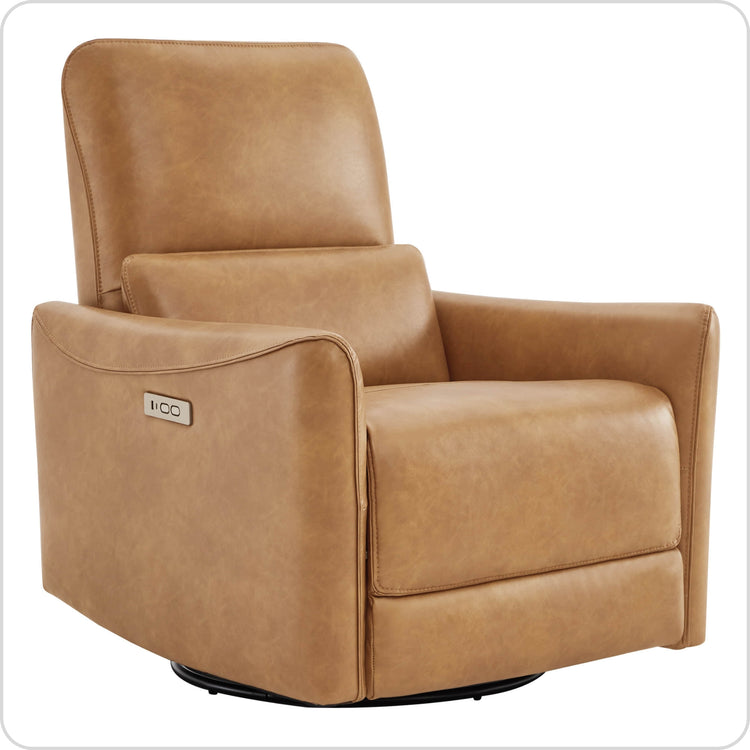


















Zero-gravity recliners paired with wall-hugger mechanisms deliver full recline comfort in apartments and compact rooms where standard recliners would block walkways or fail to extend properly. The key is verifying both rear clearance and the chair’s fully extended footprint before purchase—many models marketed as space-saving still require model-specific checks to protect circulation paths.

What Makes A Zero-Gravity Recliner Different?
Zero-gravity positioning tilts the body so that the legs sit slightly above heart level, creating a weightless feel that many shoppers find more relaxing during longer lounging sessions. This posture can redistribute pressure across the back and legs, making extended sitting feel less tiring than a traditional upright or shallow recline position.
The benefit comes from better alignment rather than any medical outcome. According to a review of pressure-relieving seating movements, such postures may reduce localized pressure, yet consumer recliners should be evaluated on comfort and support, not treatment claims. Lumbar support, seat depth that matches your leg length, and a natural back angle do the real work of making the chair feel supportive for daily use (OSHA workstation chair guidance).
In small rooms, the zero-gravity recline often pairs well with wall-hugger bases because the mechanism lets you achieve the full posture without pushing the chair far from the wall. Shoppers frequently report that once lumbar and seat-depth fit are right, the zero-gravity angle simply makes long sits more enjoyable without requiring extra floor space.
How Much Space Do Wall-Hugger Recliners Actually Need?
Wall-hugger recliners are engineered to require only a few inches of rear clearance, allowing full recline even when placed close to a wall. However, the label alone does not guarantee fit—some models still need 10–14 inches, and the true test is the chair’s fully extended footprint plus remaining walkway space.
A practical three-tier rule helps separate strong small-space options from those that may disappoint: 2–5 inches of rear clearance signals a true wall-hugger; 6–9 inches often works in compact rooms with careful placement; 10+ inches moves into caution territory where you should plan the layout as you would a standard recliner. Always check the manufacturer’s full-recline depth specification rather than relying on closed dimensions.
Room circulation remains the final filter. Furniture placement should preserve clear movement paths so the recliner does not crowd doorways or force people to squeeze past it when extended. Design guidelines emphasize keeping walkways open to avoid a cramped feel (NAU design guidelines; Colorado State space requirements).
Small-Room Recliner Clearance Bands
Decision aid for choosing a recliner fit in compact rooms.
View chart data
| Category | Rear Clearance Band (inches) | Fully Reclined Footprint (relative) | Remaining Walkway Width (relative) |
|---|---|---|---|
| Strong Wall-Hugger | 3.0 | 1.0 | 4.0 |
| Safe Small Room | 6.0 | 2.0 | 3.0 |
| Risky / Caution | 10.0 | 3.0 | 2.0 |
| Standard Recliner | 14.0 | 4.0 | 1.0 |
Tiered fit bands synthesized from the clearance threshold notes, wall-hugger range guidance, recliner footprint behavior, and circulation-path constraints.
This chart visualizes the likely pattern in typical setups: stronger wall-hugger bands preserve more walkway width while keeping the reclined footprint compact.

Which Comfort Features Matter Most In A Compact Recliner?
After clearance is confirmed, prioritize lumbar support and seat depth because they determine whether the chair feels good for real daily use. Lumbar support helps maintain a natural spinal curve, reducing the tendency to slump during longer sits (OSHA chair guidance). Seat depth should allow your feet to rest flat on the floor or on the extended footrest without pressure behind the knees; adjustable or well-matched depth improves fit across different body sizes (Oregon State ergonomics reference).
Power controls become practical in tight spaces because they let you adjust position without lever effort that might push the chair backward. However, plan for outlet access and note that some motors produce audible hum that can be noticeable in quiet apartments. Upholstery choice—performance fabric versus leather—mainly affects maintenance and feel rather than core comfort; select based on pets, kids, or cleaning preference rather than assuming one material is universally superior.
A Practical Buy-Only-If Checklist For Small Rooms
Walk away from a recliner if the seller provides only closed dimensions and omits full-recline depth or rear-clearance specs. The chair must not crowd circulation paths or hit nearby furniture when extended, or it will disrupt daily movement even if it technically clears the wall. Zero-gravity should be presented as a comfort posture, not a medical solution. Finally, confirm that lumbar support and seat depth align with the primary user’s body; a mismatch here creates the most common long-term regret.
Treat this checklist as a caution filter rather than absolute vetoes—room layouts vary, but skipping these checks frequently leads to returns or awkward placement.
How To Choose Between Power, Upholstery, And Convenience Extras
Once fit and support are satisfied, power recline offers genuine convenience in compact rooms where reaching a lever might shift the chair. USB/Type-C ports and power headrests add everyday usefulness, especially in media corners with limited side-table space. Upholstery decisions come down to lifestyle: performance fabrics often prove easier for high-traffic small rooms with kids or pets, while leather delivers a premium feel that many prefer for low-maintenance adult spaces. Our performance fabric vs leather guide explores the trade-offs in detail.
Keep the hierarchy clear: room fit and body support first, then convenience features. Extras cannot compensate for poor clearance or inadequate lumbar support.
FAQs About Zero-Gravity And Wall-Hugger Recliners
Do Wall-Hugger Recliners Still Need Any Space Behind Them?
Most quality wall-hugger models need only 3–8 inches of rear clearance for full recline, but always verify the specific model’s specifications. Even zero-clearance designs benefit from a few inches to avoid rubbing against baseboards or outlets.
Is Zero-Gravity Recline Medical or Just More Comfortable?
It is a comfort-oriented posture that many find pressure-relieving and relaxing. Evidence supports improved lounging ergonomics, but it is not a medical treatment; focus on lumbar support and seat depth for lasting satisfaction (pressure-relief seating review).
How Should I Measure My Room Before Buying?
Measure the intended placement wall to the nearest obstacle in front, then subtract the chair’s fully reclined depth. Leave at least 24–30 inches of walkway on the sides or front for comfortable circulation. Check outlet location for power models.
Are Power Features Worth It In Apartments Or Small Dens?
Yes, when outlet access is convenient and motor noise is acceptable. Power recline reduces physical effort in tight spaces, and built-in charging ports eliminate the need for extra side tables. Test motor volume in-store if possible.
What Is the Best Wall Hugger Recliner for a Small Room?
The best option combines 4–6 inches or less of rear clearance, strong lumbar support, appropriate seat depth for your height, and a full-recline footprint that leaves open walkways. Prioritize these over style or extra gadgets.
Can a Zero Gravity Recliner With Lumbar Support Fit in a Narrow Apartment?
It can when the model’s closed width and extended footprint respect your room’s traffic paths. Many zero-gravity wall-hugger designs now include adjustable or contoured lumbar support specifically for compact layouts.
Our wall-hugger recliners for small spaces article offers additional layout examples that complement this checklist.
Ready to Bring Full Recline Comfort Home
Measure your space, confirm full-recline specs and walkway clearance, then match lumbar support and seat depth to the primary user. With those steps completed, a well-chosen zero-gravity wall-hugger recliner can transform a compact room into a genuinely relaxing retreat without sacrificing circulation or daily usability. Explore our wall hugger recliners collection or specific models such as the Hadley Modern Zero Wall-hugger Power Recliner and Atlas Modern Zero-Gravity Power Recliner to see options built for exactly these scenarios. Additional reading on hidden tech in power recliners and furniture arrangement in small living spaces can help finalize placement and feature choices.
Recommended Products


More to Read
 7 Sofa Trends That Actually Improve Comfort in 2026
Upgrade your living room with furniture that supports your body. Here are 7 modern sofa features designed to maximize your daily comfort...
7 Sofa Trends That Actually Improve Comfort in 2026
Upgrade your living room with furniture that supports your body. Here are 7 modern sofa features designed to maximize your daily comfort...
 Mother's Day Gift Guide: Cozy and Stylish Furniture Picks for Modern Moms
Make Mother's Day more meaningful with furniture gifts that bring comfort, smart features, storage, and quiet luxury into her everyday routine.
Mother's Day Gift Guide: Cozy and Stylish Furniture Picks for Modern Moms
Make Mother's Day more meaningful with furniture gifts that bring comfort, smart features, storage, and quiet luxury into her everyday routine.
 Performance Fabric Reality Check: Does It Really Repel Pet Hair and Stains?
Performance fabric is often marketed as a miracle solution for homes with pets and kids, but the reality is more nuanced. It...
Performance Fabric Reality Check: Does It Really Repel Pet Hair and Stains?
Performance fabric is often marketed as a miracle solution for homes with pets and kids, but the reality is more nuanced. It...