






















Chair and a Half vs. Loveseat: Seating Capacity, Footprint, and Best Use

When comparing a chair-and-a-half vs. loveseat, start with the seating job: a chair-and-a-half generally works best as one roomy seat for a single person, with enough width to curl up or share briefly with a child or pet. A loveseat is built around regular seating for two people. That is the fastest way to start this decision, but neither name guarantees an exact size. Before you buy, check the listed width, depth, and usable seat space, then confirm the piece can actually reach your room.

Chair-and-a-Half vs. Loveseat: Choose by Seating Job
For this chair-and-a-half vs. loveseat choice, the label is only a starting point, not a promise of size or fit. Confirm the exact dimensions and seat layout before committing.
What the Two Names Usually Mean
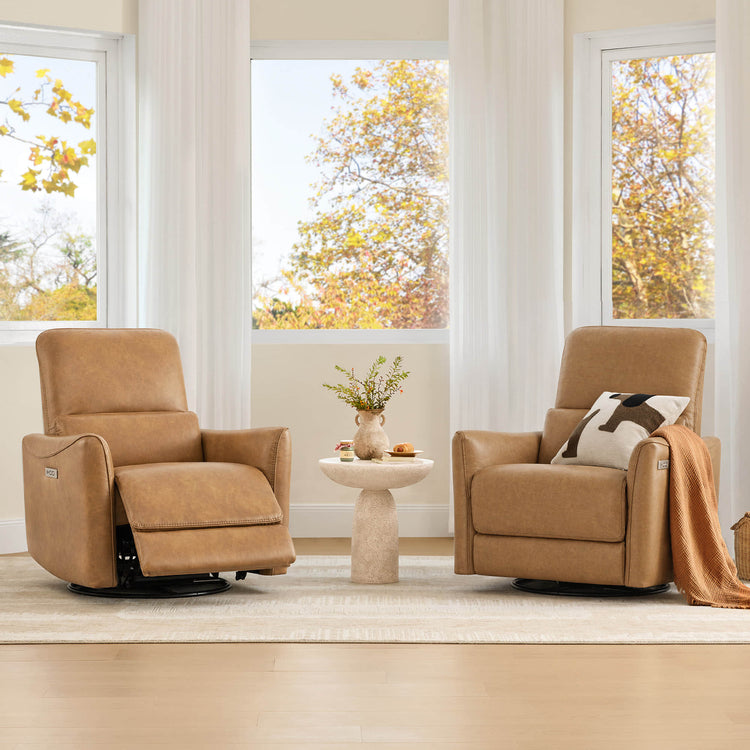
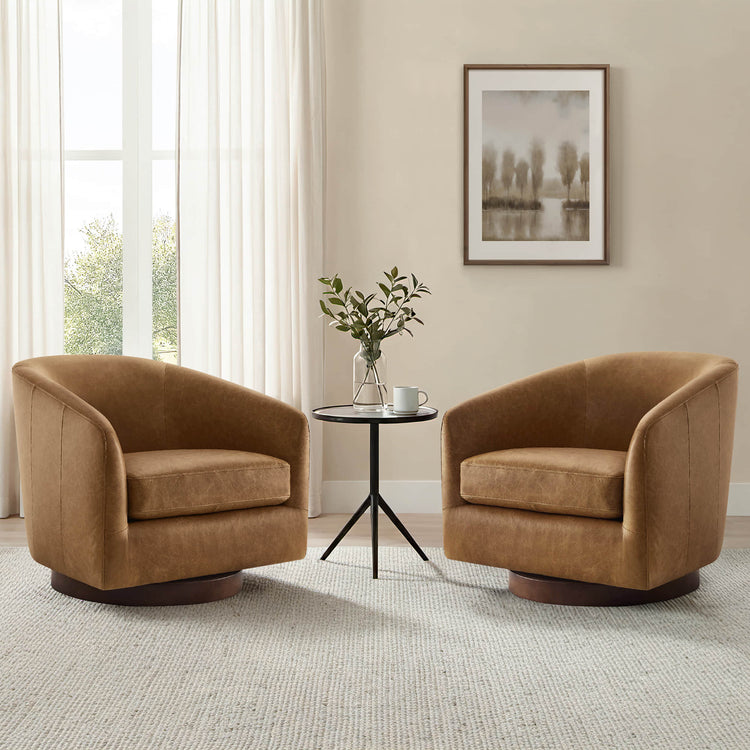
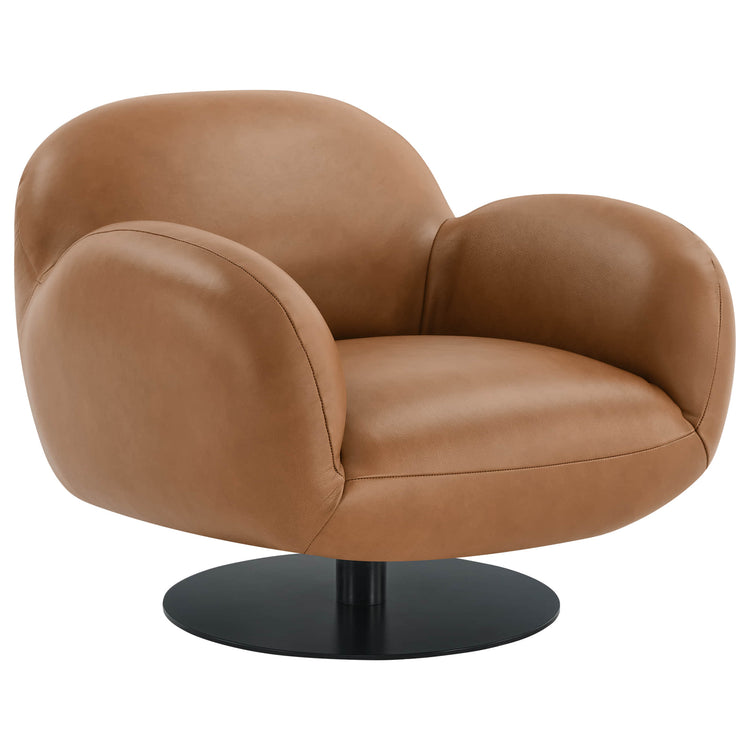
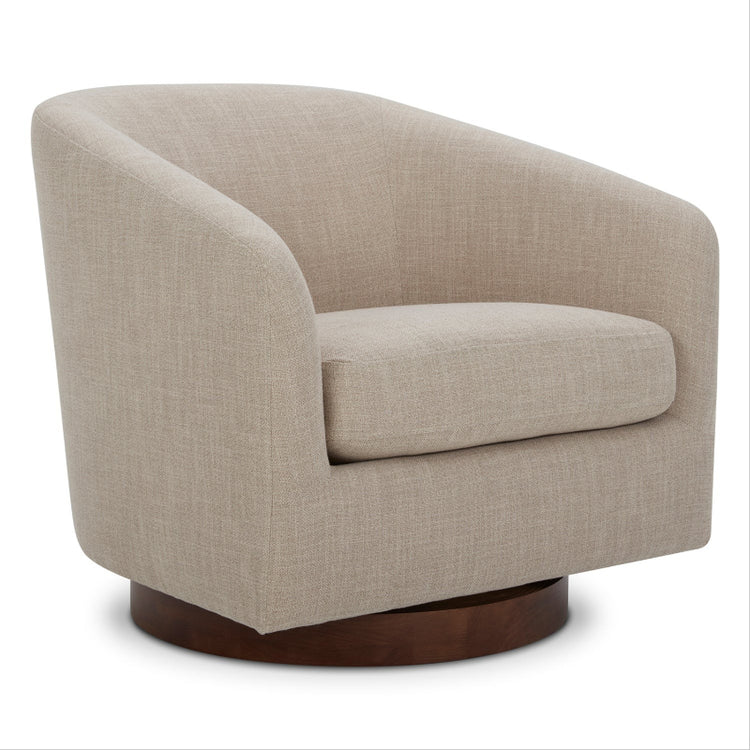
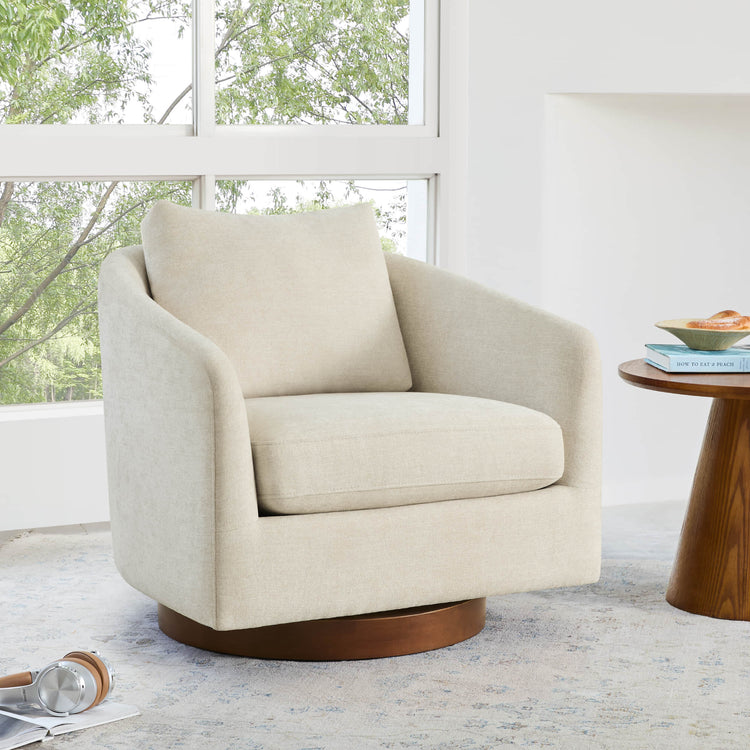
A chair-and-a-half is bigger than a standard one-person chair but smaller than a loveseat designed to seat two, according to chair-and-a-half category guidance. It gives one person extra room to stretch out, and it can fit a child or pet alongside them without being designed for two adults every day. A loveseat is a compact sofa format, generally sized to seat two people, consistent with this loveseat category definition. Both names describe a seating category, not a fixed dimension. Two pieces carrying the same label can differ in width, depth, and how the cushions are arranged, so the name only narrows your search.
Make the First Choice by Seating Job
Use your primary seating job as the tiebreaker before you look at any spec sheet.
- Choose a chair-and-a-half first if you want one generous spot to lounge, read, or nap, with occasional sharing.
- Choose a loveseat first if you need reliable seating for two people on a regular basis, such as daily conversation or shared TV time.
Either starting point can change once you check the exact seat layout, cushion depth, and how the piece fits your room.
How Seating Capacity and Comfort Compare
A chair-and-a-half favors personal space for one person, while a loveseat is built around two-person use as a category convention. Comfort for either format still depends on the specific design, not the label.
Roomy Solo Seating Versus Regular Seating for Two
Think of a chair-and-a-half as extra elbow room for one person rather than a shrunk-down sofa for two. It can work for occasional sharing, like a kid piling in during a movie or a dog curling up next to you, but that is different from planning it as everyday seating for two adults. A loveseat, by contrast, is generally shaped and cushioned with two seated adults in mind. That does not mean every loveseat feels roomy or that every chair-and-a-half feels cramped. It means the category tells you the intended use, and the exact listing tells you whether that use will feel comfortable for your household.
Check Usable Seat Space in the Exact Design
Outside width tells you how much floor space a piece needs, not how much room you actually get to sit in. Before deciding, look at:
- Usable seat width, measured between the arms rather than the outer frame
- Usable seat depth, which affects whether you can fully recline or just perch
- Arm style and cushion arrangement, since thick arms or a center cushion seam can shrink usable space
- Who will actually use the seat, and how often, since occasional sharing has different needs than daily two-person use
These checks matter more than the category name once you are comparing specific products.
How Footprint and Room Placement Compare
Category size is a clue about floor space, not a floor plan. Compare the exact width, depth, and placement area of any specific piece before you commit a spot in the room.
Use Category Size as a Clue, Not a Floor Plan
Do not rank these categories by floor space from the label alone. The useful footprint comparison is between the exact pieces: the furniture measurement guide gives 60 inches wide by 38 inches deep as a loveseat planning reference, while no universal chair-and-a-half figure is supplied here. Use that loveseat reference for an early sketch only, then check the listed width and depth for either format. Choose the piece whose exact footprint preserves the placement area and circulation you need.
Compare the Exact Footprint Before Arranging the Room
The table below separates what the category name supports from what still needs to be checked on the exact listing.
| Format | Supported Seating Role | Dimension Evidence | Strongest Starting Use |
|---|---|---|---|
| Chair-and-a-half | Roomy solo lounging, occasional sharing | No category figure supplied; check the exact listing | Reading nook, solo lounging spot |
| Loveseat | Regular two-person seating | About 60 in. wide by 38 in. deep is a planning reference only; verify the exact listing | Everyday two-person seating area |
Once you know the rough footprint, map it against the room's placement area and the walking path you need to keep open. A piece with the right seating role is still the wrong choice if its exact footprint blocks a doorway or walking path.
Which Format Fits Common Room Scenarios?
Match the format to your dominant seating job first, then let the exact footprint and delivery route make the final call. These four scenarios show where the choice commonly splits.
Small Apartments and Compact Living Rooms
In a small apartment, start with whichever format matches how you will use the space most days. If solo lounging or reading wins, lean toward a chair-and-a-half. If you regularly host a partner, roommate, or guest for conversation, lean toward a loveseat. Either way, the room's exact footprint and circulation path should confirm the choice, since compact rooms leave little margin for a poor fit. For more layout ideas suited to tight square footage, this guide to apartment-friendly furniture ideas covers additional space-saving approaches.
Reading Nooks and Solo Lounging
A chair-and-a-half is generally the stronger starting point when a reading nook or solo lounging spot is the main goal. The extra width supports curling up with a book or blanket. It will not automatically fit every nook, so measure the alcove or corner before assuming a roomier chair will work there.
Everyday Two-Person Seating
When two people need a reliable seat together on a regular basis, a loveseat is generally the stronger starting point, since the format is built around two-person use. Still verify the usable seat width and cushion layout on the exact listing, since not every loveseat offers the same amount of shared space. If this is your branch, our loveseat collection is a place to continue browsing.
Guest Rooms and Occasional-Use Spaces
For a guest room or another occasional-use space, let the expected seating pattern break the tie. If the room mostly serves solo overnight guests or doubles as a reading spot, a chair-and-a-half fits that pattern. If it more often hosts two people at once, a loveseat fits better. Confirm the room and delivery fit either way before you order. Reviewing common furniture fit mistakes can help you spot problems before checkout.
How to Measure the Room and Delivery Route
Before ordering either format, measure the exact piece, not just its category. Then confirm it can actually reach the room.
Measure the Piece and Its Destination
Work through these steps in order:
- Record the exact product's width, depth, height, and diagonal depth from the listing, since diagonal depth affects how the piece maneuvers around corners.
- Mark the intended placement area on your floor with tape or a rug, so you can see the real footprint rather than imagining it.
- Check the walking path around that footprint and make sure it still leaves enough room to move through the space comfortably.
Trace the Route From the Door to the Room
- Walk the delivery route from your entry door to the final room, and measure every doorway, hallway, turn, staircase, elevator, and interior door along the way.
- Look for obstructions such as light fixtures, tight stairwell turns, or narrow elevator doors that could stop the piece partway through delivery. If any measurement along that route is missing or unclear, pause and get it before you finalize the order.
FAQs
Which Is Better for a Small Apartment: a Chair-and-a-Half or a Loveseat?
It depends on your dominant seating job. Choose a chair-and-a-half if solo lounging matters most, or a loveseat if you need regular seating for two. In a small apartment, compare the exact width, depth, placement area, circulation, and delivery access before finalizing either choice.
Can a Chair-and-a-Half Fit Two People?
It may allow occasional sharing, such as with a child or pet, but the category does not guarantee comfortable everyday seating for two adults. Check the exact usable seat width, depth, arm placement, and cushion layout before assuming it will work for two people regularly.
How Do I Measure My Space for a Chair-and-a-Half or Loveseat?
Measure the exact piece's width, depth, height, and diagonal depth first. Then map your destination area and the circulation you need to keep clear. Finally, check the entire delivery route, including doors, hallways, turns, stairs, and elevators, before you order.
Is a Loveseat Always Wider Than a Chair-and-a-Half?
Not necessarily. The category names suggest different seating roles, but they do not establish universal dimensions. Compare the exact listed width, depth, usable seat area, and room fit for the specific pieces you are considering instead of assuming one format is always wider.
Recommended Products

More to Read
 7 Sofa Trends That Actually Improve Comfort in 2026
Upgrade your living room with furniture that supports your body. Here are 7 modern sofa features designed to maximize your daily comfort...
7 Sofa Trends That Actually Improve Comfort in 2026
Upgrade your living room with furniture that supports your body. Here are 7 modern sofa features designed to maximize your daily comfort...
 Mother's Day Gift Guide: Cozy and Stylish Furniture Picks for Modern Moms
Make Mother's Day more meaningful with furniture gifts that bring comfort, smart features, storage, and quiet luxury into her everyday routine.
Mother's Day Gift Guide: Cozy and Stylish Furniture Picks for Modern Moms
Make Mother's Day more meaningful with furniture gifts that bring comfort, smart features, storage, and quiet luxury into her everyday routine.
 Performance Fabric Reality Check: Does It Really Repel Pet Hair and Stains?
Performance fabric is often marketed as a miracle solution for homes with pets and kids, but the reality is more nuanced. It...
Performance Fabric Reality Check: Does It Really Repel Pet Hair and Stains?
Performance fabric is often marketed as a miracle solution for homes with pets and kids, but the reality is more nuanced. It...