
















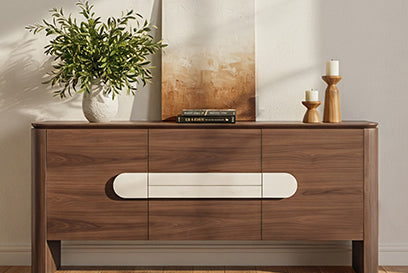








Chest of Drawers vs. Dresser: What Is the Difference and Which Should You Choose?

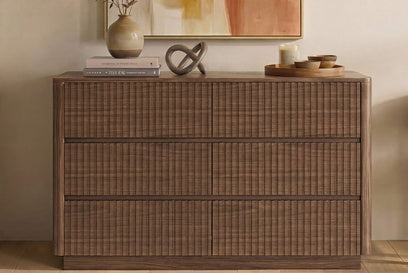
A chest of drawers vs dresser decision usually comes down to shape, not just the name on the tag. In most shopping language, a dresser is the wider, lower option, while a chest of drawers is the taller, narrower one. If you are wondering what is a chest of drawers, think of it as vertical drawer storage for bedrooms where floor space matters more than top-surface use. That difference matters most when you are trying to protect walkway space, fit a wall cleanly, and choose the right drawer storage for your bedroom. If you are comparing dresser vs chest, start with the room layout before you worry about style.

What Sets a Chest of Drawers Apart
A chest of drawers is typically the taller, slimmer choice, while a dresser is usually wider and lower. That is the simplest way to think about chest of drawers vs dresser before you get lost in product names. In practice, the useful difference is the footprint: a chest asks for less wall width, while a dresser spreads storage across more horizontal space. Wayfair's comparison of dressers and chests makes the same basic distinction.
That is why the label alone is not the whole story. Retail naming can vary, so it helps to focus on the shape, drawer layout, and where the piece will live in your room. If you are browsing by category first, dresser options are the safest place to start for wider bedroom storage, while a smaller piece like the 5-drawer dresser option may be worth a closer look only if its proportions fit the wall you have.
One useful decision sentence: if you need to save wall width, a chest usually makes more sense; if you want a broader top and a lower profile, a dresser is often the better starting point. That does not mean one is universally better. It means the chest usually favors tighter footprints, while the dresser usually favors surface area and a more spread-out layout.
Chest of Drawers vs. Dresser at a Glance
| Factor | Chest of Drawers | Dresser |
|---|---|---|
| Typical shape | Taller, narrower, vertically stacked | Wider, lower, horizontally spread |
| Best room fit | Tight walls, smaller corners, narrow circulation zones | Wider walls, primary suites, rooms with more open flow |
| Drawer feel | More vertical stacking | More horizontal sorting and spread |
| Top-surface utility | Usually more limited | Usually more useful for mirrors, lamps, or decor |
| Watch-out | Can feel tall in a very low or crowded room | Can crowd a narrow wall or block circulation |
Use this as a quick filter, not a hard rule. In a small bedroom, the chest of drawers vs dresser question often turns into a wall-space question first. In a larger room, it becomes a surface and styling question second. The best choice is the one that still leaves the room easy to walk through.
Which Layout Fits Your Room Best
For most shoppers, room shape decides the winner faster than style does. A practical clearance target is about 30 to 36 inches in front of drawers so they can open fully and still leave room for a person to stand comfortably, according to Dimensions.com's dresser and chest clearance guide. That is not a universal code for every bedroom, but it is a strong planning benchmark.

Best Choice for Small Bedrooms
In a small bedroom, a chest is often the safer first choice when floor space is tight and vertical wall space is available. A narrower footprint can keep the room from feeling blocked, especially near a bed, closet door, or entry path. Rocabu Designs' bedroom spacing guidance points in the same direction: tighter rooms usually benefit from slimmer storage.
A good self-check is simple. If the chest lets you keep the drawer front clear while preserving a comfortable path around the bed, it is probably the better fit. If the dresser would force you to squeeze past the piece every day, the chest usually wins.
Best Choice for Shared Bedrooms
Shared bedrooms can go either way. What matters is who uses the drawers, how often they open them, and whether the room has enough wall span to support a wider piece. A dresser can work well when two people need more horizontal sorting space or when the top surface needs to hold shared items.
The flip side is friction. If the room already has two beds, a desk, or a closet door in play, a dresser may crowd the layout faster than expected. In that case, a chest can feel calmer because it gives up width while keeping storage available.
Best Choice for Primary Suites
Primary suites often give you more room to work with, which is where a dresser starts to make more sense. A wider wall can support a lower, broader piece without making the room feel cramped. Rocabu Designs notes that wider storage often fits more comfortably in rooms with better circulation.
This is also where the top surface matters most. If you want space for a mirror, tray, or lamp, the dresser usually feels more useful. If the room already has enough surface furniture, a chest can still be the cleaner choice because it preserves more open floor area.
One decision sentence to keep in mind: if the wall is wide and the room already feels comfortable to move through, a dresser is often the better fit; if the room is tight or oddly shaped, a chest usually protects flow more effectively.
Storage Habits That Change the Choice
The chest of drawers vs dresser decision also changes based on what you actually store. The right piece is not just about total drawer count. It is about how you like to sort clothes, how often you access them, and whether you want the top to work as part of the storage system.
- Choose a chest if you mostly store folded clothes and want storage stacked upward rather than spread out.
- Choose a dresser if you prefer wider drawers and more horizontal sorting.
- Choose a dresser if the top needs to hold a lamp, mirror, jewelry tray, or daily-use items.
- Choose a chest if you want the room to feel visually lighter and the floor to stay more open.
That trade-off matters in real use. A chest usually preserves floor space, but it gives up some top-surface utility. A dresser usually gives you more usable surface area, but it needs more wall width. That is why the best pick depends on your routine, not just the furniture style.
Style and Placement Details to Check Before Buying
Before you add anything to cart, measure the room like a layout problem, not a catalog problem. Start with wall width, then check drawer clearance, door swing, and where you need to walk every day. If the piece sits opposite the bed, make sure opening a drawer will not block the path.
Here is a simple pre-purchase checklist:
- Measure the wall where the piece will go.
- Mark the bed, closet, and door swing on the floor.
- Leave roughly 30 to 36 inches in front of the drawers when you can.
- Check whether the top needs to stay open for a mirror or decor.
- Compare the visual weight of a tall chest versus a wide dresser in the room.
If you are shopping for a taller clothing storage unit, it is also worth knowing that the federal clothing storage unit safety guidance treats dressers, chests of drawers, and similar bedroom pieces as part of the same category. That is mainly background context, but it is a useful reminder to check stability and anchoring details when the model is tall.
How to Choose the Right Piece
Choose the piece that fits circulation first and style second. If your room is narrow, awkward, or short on wall space, a chest usually solves more problems. If you have a wider wall and want extra surface utility, a dresser is often the better fit. For a quick bedroom dresser guide, start by comparing the wall span, the opening path, and the top-surface needs.
If you are still deciding between tall dresser vs wide dresser layouts, the easiest check is whether the room feels better with vertical storage or a broader horizontal piece. A good way to decide how to choose a dresser is to map the room first, then compare the shape that leaves the easiest daily path. For chest of drawers vs dresser, the right answer is almost always the one that fits the room you actually have.
FAQs
How Do I Know If a Chest of Drawers Is Better for My Bedroom?
A chest is usually the better choice when floor space is tight, wall width is limited, or you need a slimmer profile near a bed or door. If the room still feels easy to move through with the chest in place, that is a strong sign it fits better than a wider dresser.
What Is the Main Difference Between a Chest of Drawers and a Dresser?
The main difference is usually the shape. A chest of drawers is generally taller and narrower, while a dresser is generally wider and lower. Retail names vary, so the more reliable check is the footprint and drawer layout, not the label alone.
Can a Dresser Work in a Small Bedroom?
Yes, but only if the wall span and circulation allow it. A dresser can work in a small room when it does not block drawer access, door swing, or the path beside the bed. If the room already feels crowded, a chest is often easier to place.
Why Do Some Dressers Have More Surface Space Than Chests?
Because dressers are usually built with a wider top. That extra width can make room for a lamp, mirror, tray, or decorative items. Chests tend to trade that surface area for a slimmer footprint, which is useful when the room needs more open floor space.
What Should I Measure Before Buying Drawer Storage for a Bedroom?
Measure the wall, the bed footprint, nearby doors, and the space needed for drawers to open. Also check whether the piece will sit under a mirror, beside a window, or opposite the bed. Those placement details usually matter more than the name on the product page.
Choose the Best Fit for Your Room
If you want a simple rule, start with the room layout, then browse dresser options once you know whether a chest or a wider piece fits best. Measure first, choose the shape that keeps the bedroom easy to use, and let the rest of the style follow from there.
Recommended Products


More to Read
 7 Sofa Trends That Actually Improve Comfort in 2026
Upgrade your living room with furniture that supports your body. Here are 7 modern sofa features designed to maximize your daily comfort...
7 Sofa Trends That Actually Improve Comfort in 2026
Upgrade your living room with furniture that supports your body. Here are 7 modern sofa features designed to maximize your daily comfort...
 Mother's Day Gift Guide: Cozy and Stylish Furniture Picks for Modern Moms
Make Mother's Day more meaningful with furniture gifts that bring comfort, smart features, storage, and quiet luxury into her everyday routine.
Mother's Day Gift Guide: Cozy and Stylish Furniture Picks for Modern Moms
Make Mother's Day more meaningful with furniture gifts that bring comfort, smart features, storage, and quiet luxury into her everyday routine.
 Performance Fabric Reality Check: Does It Really Repel Pet Hair and Stains?
Performance fabric is often marketed as a miracle solution for homes with pets and kids, but the reality is more nuanced. It...
Performance Fabric Reality Check: Does It Really Repel Pet Hair and Stains?
Performance fabric is often marketed as a miracle solution for homes with pets and kids, but the reality is more nuanced. It...