






















Loveseat vs. Sofa vs. Settee: What Is the Difference and Which Fits Your Space?

A loveseat vs sofa decision comes down to room fit first, not just the label. In most homes, a loveseat is the safer starting point for tighter layouts, a sofa works better when you need more everyday seating, and a settee is usually the more style-driven option. If you are comparing a love seat sofa setup for a small room, the first question is whether the seat leaves enough space to move comfortably.
What Each Piece Means
What a Loveseat Usually Means
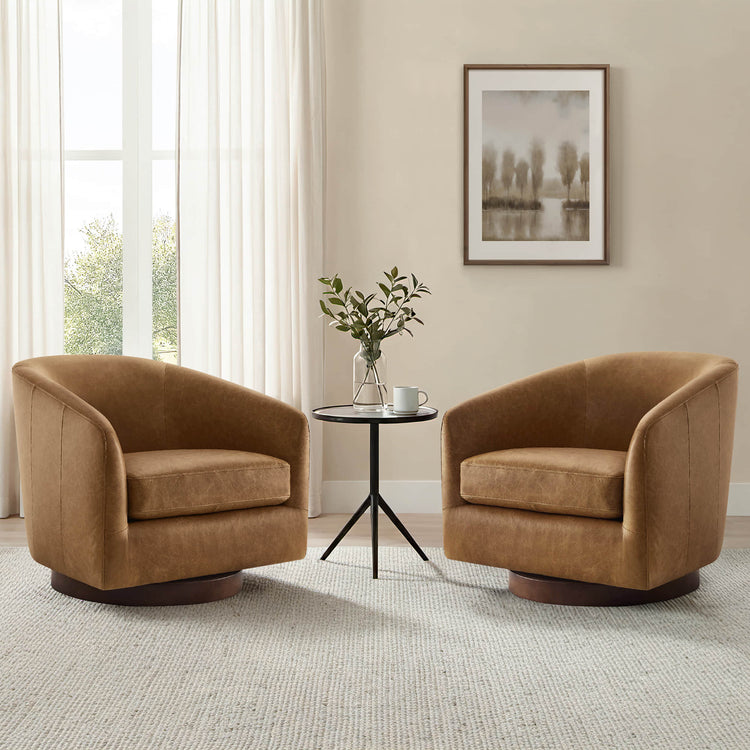
A loveseat is typically a two-person seat, which is why shoppers often use it when they want a compact main piece or a secondary seat in a small room. It is not a fixed size class, though. Retailers use the term loosely, so the real test is how much floor space it takes up and whether it leaves enough room to move around it. For many buyers asking what is a loveseat, the simplest answer is a smaller upholstered seat built for two, but still worth checking against your actual room dimensions.
How a Sofa Differs From a Loveseat
A sofa usually offers more seating and a larger visual footprint than a loveseat. That matters when the room needs a true anchor for daily use. A loveseat sofa can work as the main seat in a compact household, but that only holds if the room still feels open after you measure clearances and walking paths. In broader terms, the difference is less about style and more about how much of the room the piece is meant to claim.
Where a Settee Fits In
A settee is a more style-forward term. As Living Cozy explains in its sofa-vs-loveseat guide, settees often read as a smaller, more upright accent seat rather than a deep lounging piece. That makes settee vs sofa a design question as much as a size question. If you want a seat that looks refined and keeps the room feeling lighter, a settee can make sense. If you want relaxed, all-day lounging, it is usually the less forgiving choice.

How They Compare at a Glance
| Furniture Type | Typical Seating Capacity | Typical Room Role | Visual Scale | Best For |
|---|---|---|---|---|
| Loveseat | Usually two people | Compact main seat or secondary seat | Smaller footprint | Apartments, condos, reading nooks, paired layouts |
| Sofa | Usually three or more people | Main seating anchor | Larger footprint | Family rooms, open layouts, everyday lounging |
| Settee | Often two people, but varies by retailer | Accent seat or formal support piece | Often lighter or more tailored | Style-led rooms, entry areas, smaller formal spaces |
The table is a shortcut, not a final verdict. A two-seater sofa can still feel too large for a narrow room, while a loveseat can be too small if the household needs one main gathering spot. For online browsing, use the label only as a first filter and then compare how the piece will actually sit in the room.
Which One Fits Your Room
For compact apartments and condos, a loveseat is often the conservative first check. A loveseat collection is a useful place to compare smaller-scale seating when you already know a full sofa may crowd the room. The reason is simple: once traffic paths start to narrow, the room feels smaller no matter how nice the upholstery looks. If your wall is short, or if the room needs to stay visually open, start by asking whether the seat can preserve circulation before you worry about style.
A practical room-fit screen is more helpful than the name on the listing. A common planning heuristic is about 36 inches of walkway clearance between major pieces, which helps keep daily movement comfortable in living-room layouts as noted in this apartment furniture guide. Another useful check is proportion: roughly two-thirds of the wall is often a better visual balance than trying to fill every inch. If a wall is under about 9 feet, a loveseat is often the safer starting point, not a universal rule.
For an open-plan room, the question flips. A sofa often works better when you need one clear anchor for the living zone, while a loveseat may be better as a second piece or a lighter companion seat. If you want more layout ideas for open spaces, the placement advice in these sofa spacing mistakes is a useful next read. The main goal is to define the seating zone without blocking the paths that make the room easy to use.
If you are furnishing a rental or a room with awkward access, check the path to the room before you fall in love with the style. This rental apartment sofa guide is useful because doorway width, turns, and delivery access can matter as much as wall length. A loveseat can be the right answer in a small space sofa guide only if it also gets into the room cleanly and leaves enough circulation afterward.
In a small living room, the choice between loveseat vs sofa often comes down to whether you need a main seat or just a compact anchor. If you are comparing a loveseat vs sofa option for a tight layout, the room usually decides faster than the style does.

Style and Comfort Tradeoffs
Style matters here because these pieces do not all send the same visual message. Sofas usually read as the most casual and everyday, loveseats sit somewhere in the middle, and settees often look more tailored or formal. That does not make one better than the others. It just means the best piece should match the tone of the room you already have.
Comfort depends on proportions more than category names. Seat depth, arm width, cushion feel, and back angle change the experience more than whether the tag says loveseat or sofa. A loveseat sofa can feel roomier than expected if the proportions are generous, while a smaller settee may feel more upright and better for short sitting than long lounging. That is why shoppers should compare the actual seat shape, not just the headline label.
Matching pieces change the feel too. A sofa and loveseat set can create a coordinated layout when you need more seating, but in a very tight room the same set can feel visually heavy. If you want a more flexible look, a single anchor piece plus one lighter accent seat is often easier to live with. For broader styling context, small living room layout tips can help you keep the room balanced without overfilling it.
Measure Before You Buy
- Measure the room first. Write down the wall length, the usable floor depth, and the space you need to walk around the seat. If the room is borderline, do not buy by category name alone.
- Map the traffic path. Keep an eye on where people will enter, turn, and pass through the room. The best-looking piece can still be a bad fit if it blocks the natural route.
- Check doors, corners, and delivery access. A loveseat or sofa that fits the wall may still be a problem if it cannot get through the entry path.
- Compare daily seating needs. If two people will use the seat most of the time, a loveseat may be enough. If the room hosts family or guests often, a sofa is usually the safer main piece.
- Compare the seat count to the actual usable width. A listing that says two seats does not guarantee comfortable seating for two in every design.
If you are torn between categories, use fit first and style second. That order prevents the most common mistake, which is buying the right-looking piece and discovering it crowds the room. For a broader shopping path, browse popular sofa picks once your measurements are clear.
Final Takeaway
The fastest way to choose between a loveseat, sofa, and settee is to start with circulation, then check proportion, then decide how formal or relaxed the room should feel. If the room is tight, a loveseat is usually the safer starting point. If you need more daily seating, a sofa is more practical. If style and a lighter look matter most, a settee can be the better fit. Measure first, then shop with the room's real limits in mind.
FAQs
What Is the Difference Between a Loveseat and a Sofa?
A loveseat is generally smaller and built for two people, while a sofa usually offers more seating and a larger footprint. The difference matters most when you are deciding how much of the room one piece should claim.
Can a Loveseat Work as a Main Sofa?
Yes, if the room is compact and the household does not need a lot of daily seating. It becomes a weaker choice when you expect frequent guests, want more lounging space, or need a true anchor piece for a larger living room.
What Is a Settee, and How Is It Different From a Loveseat?
A settee is usually a more style-led term, and it can overlap with loveseat-sized seating. The big difference is often posture and silhouette: a settee may feel more formal or upright, while a loveseat is more clearly framed as compact two-person seating.
How Do I Choose the Right Size Seating for a Small Living Room?
Start with the path people will use to move through the room, then check wall length and nearby furniture. If the seating makes the room hard to cross, it is too large no matter how good the upholstery looks.
Should I Buy a Sofa and Loveseat Set or Mix Different Pieces?
A matching set gives you a coordinated look, but mixed pieces can feel lighter and more flexible in small or open rooms. If you want the room to feel less crowded, mixing in one smaller seat or a different silhouette is often the easier move.
Recommended Products

More to Read
 7 Sofa Trends That Actually Improve Comfort in 2026
Upgrade your living room with furniture that supports your body. Here are 7 modern sofa features designed to maximize your daily comfort...
7 Sofa Trends That Actually Improve Comfort in 2026
Upgrade your living room with furniture that supports your body. Here are 7 modern sofa features designed to maximize your daily comfort...
 Mother's Day Gift Guide: Cozy and Stylish Furniture Picks for Modern Moms
Make Mother's Day more meaningful with furniture gifts that bring comfort, smart features, storage, and quiet luxury into her everyday routine.
Mother's Day Gift Guide: Cozy and Stylish Furniture Picks for Modern Moms
Make Mother's Day more meaningful with furniture gifts that bring comfort, smart features, storage, and quiet luxury into her everyday routine.
 Performance Fabric Reality Check: Does It Really Repel Pet Hair and Stains?
Performance fabric is often marketed as a miracle solution for homes with pets and kids, but the reality is more nuanced. It...
Performance Fabric Reality Check: Does It Really Repel Pet Hair and Stains?
Performance fabric is often marketed as a miracle solution for homes with pets and kids, but the reality is more nuanced. It...