




















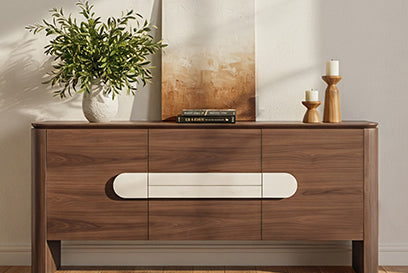








Coffee Tables Mistakes to Avoid in hosting snacks

Coffee Table Mistakes to Avoid When Hosting Snacks
The biggest coffee table mistakes when hosting snacks are choosing the wrong size, assuming an undocumented surface can handle every drink or hot dish, and covering the tabletop so completely that guests have nowhere to set anything down. A better approach is to test the table in the room, match protection to its care instructions, and serve in reachable zones instead of using every inch at once.

Measure Coffee Table Fit Before You Host
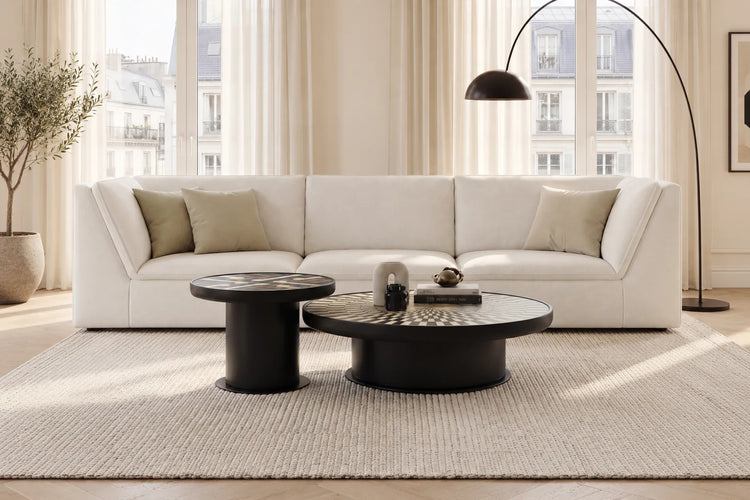
Start with about 16–18 inches between the seating and the table, but do not let that number make the decision on its own. A coffee table works for hosting only when its full footprint, the room's actual walking route, and seated reach all work together.
The first mistake is choosing a table because it looks proportional in a photo or because one gap measurement seems right. A table can meet the usual sofa-to-table range and still crowd a doorway, narrow the path between the seating and the rest of the room, or force guests to lean across one another for a cup or snack. Treat the 16–18-inch range as a starting point, not a universal comfort, safety, or accessibility rule. A secondary spacing heuristic also presents this range as a starting point rather than a universal requirement.
Use a simple room test before hosting:
- Tape out or visualize the table's complete footprint, including the corners guests will walk around.
- Walk from likely entry points to the seats and around the table as guests would. Notice whether the route feels crowded or requires anyone to turn sideways.
- Sit in the likely seats, stand up, and reach for the planned snack and drink locations. Check whether guests can set down a cup or small plate without leaning across someone else.
- Keep, reposition, or replace the table based on all three results. If the route is crowded or seated reach is awkward, change the setup even when the gap falls within the starting range.
If you are planning around a covered accessible route, the U.S. Access Board's accessible-route guidance lists 36 inches as a minimum continuous clear width, with limited exceptions. That is an accessibility-route reference, not a blanket private-home furniture requirement. In an ordinary living room, prioritize the actual route and the people using it.
Coffee Table Starting Gap: Verify the Real Fit
Use 16–18 inches as a conditional starting range, then test the taped footprint, actual walking route, and seated reach. This is not a universal private-home clearance rule.
View chart data
| Category | Starting range lower | Starting range upper |
|---|---|---|
| Sofa-to-table gap | 16.0 | 18.0 |
Match the Coffee Table Surface to Your Snack-Hosting Routine
Do not treat a material name, glossy appearance, or attractive finish as proof that a piece can handle every snack, drink, hot dish, or cleanup method. Match the gathering to the table's documented care instructions, then add preventive protection.
Before serving, read the instructions for the specific table and look for guidance on moisture, heat, food or grease contact, cleaners, and spill response. If the expected routine is not covered, change the serving plan or choose a table with clearer care guidance. Do not improvise a cleaner, scrubber, or repair method based only on whether the surface looks like wood, veneer, or another familiar material.

For wood, wood veneer, or MDF surfaces, use coasters, pads, or trays beneath items that could mark the surface; protect the table from hot dishes; and blot spills promptly. These are preventive handling steps, not evidence that a finish is stain-resistant, water-resistant, scratch-resistant, or heat-resistant. The supplied wood furniture care instructions support protective measures and product-specific care checks, but they do not establish performance for every table or finish.
The practical alternative is to decide what will touch the tabletop, prepare only the protection supported by the care directions, and move anything outside those limits to a serving tray, side table, or different serving method. Keep approved supplies nearby only when the product instructions identify them as suitable.
Build Reachable Snack Zones on the Coffee Table
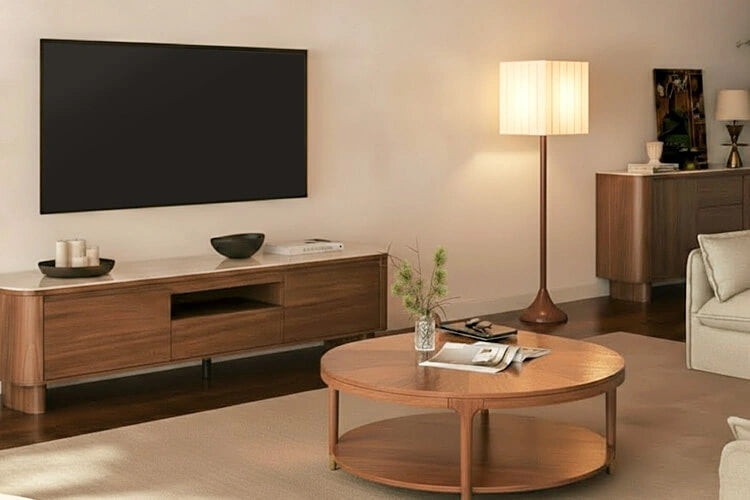
The most common setup mistake is covering the entire tabletop with food, drinks, decor, remotes, packaging, and refills. Guests then lose the small landing area they need for a cup or plate, while the host has to reach across the active serving surface.
Use this four-step pre-host sequence:
- Clear the tabletop. Remove remotes, decorative objects, mail, and packaging before the food arrives. Keep only items that serve the gathering.
- Assign visible zones. Place current snacks in one reachable area, drinks in another, and napkins or utensils where guests can take them without reaching across the food. Reserve a clear landing area for cups and plates.
- Stage refills elsewhere. Keep backup food, empty packaging, extra serving pieces, and waste off the active tabletop. A nearby counter or side surface can handle replenishment without taking up guests' resting space.
- Serve a small first round and adjust once. Watch where guests reach, set down cups, and look for refills. Make one practical adjustment before adding more food or decor.
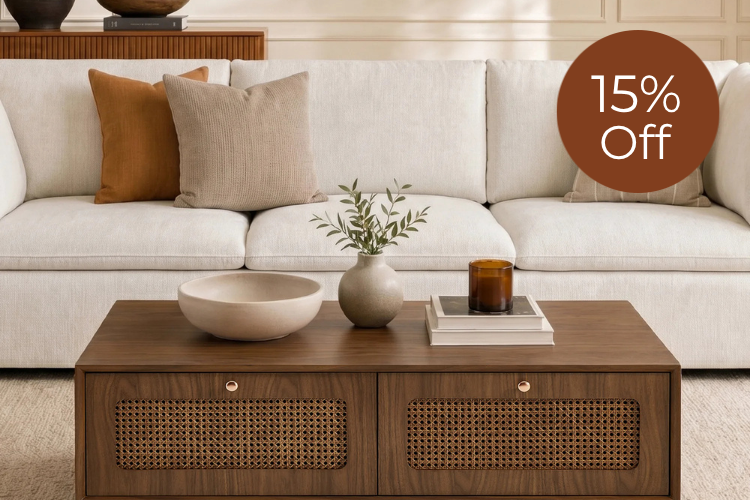
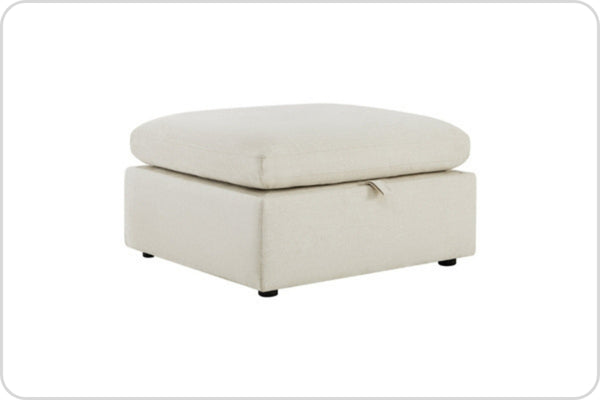
A piece with concealed drawers can provide storage, but storage does not guarantee better circulation or solve an overcrowded serving surface. The Vanessa Round model is listed with dual concealed drawers and a 35.43-inch square footprint. Use that documented feature to store non-active items only; compare the actual footprint with your room test, and do not infer drawer capacity or hosting performance.
FAQs
These questions cover layout and serving edge cases that can change how you apply the guidance for a specific gathering.
Does the 36-Inch Route Reference Apply to a Private Home?
Not as a blanket rule. The 36-inch figure belongs to the accessible-route context described by the U.S. Access Board; an ordinary private-home setup still needs to be judged by its actual route and the people using it. If you are planning a covered accessible route, use that context rather than treating the figure as a general decorating target.
Can Concealed Drawers Replace a Clear Serving Area?
No. A concealed drawer can store non-active items when the product lists that feature, but it does not enlarge the serving surface or establish how much it can hold. Keep the active serving amount limited and preserve a clear place for cups and plates.
Can a Tray Make an Unclear Finish Suitable for Snacks?
Not automatically. A tray or pad is a preventive step only when it fits the product's care guidance; it does not prove resistance to moisture, heat, food, grease, or scratches. When the expected routine is not addressed, change the serving method or use a better-documented table rather than testing the finish during the gathering.
Recommended Products


More to Read
 7 Sofa Trends That Actually Improve Comfort in 2026
Upgrade your living room with furniture that supports your body. Here are 7 modern sofa features designed to maximize your daily comfort...
7 Sofa Trends That Actually Improve Comfort in 2026
Upgrade your living room with furniture that supports your body. Here are 7 modern sofa features designed to maximize your daily comfort...
 Mother's Day Gift Guide: Cozy and Stylish Furniture Picks for Modern Moms
Make Mother's Day more meaningful with furniture gifts that bring comfort, smart features, storage, and quiet luxury into her everyday routine.
Mother's Day Gift Guide: Cozy and Stylish Furniture Picks for Modern Moms
Make Mother's Day more meaningful with furniture gifts that bring comfort, smart features, storage, and quiet luxury into her everyday routine.
 Performance Fabric Reality Check: Does It Really Repel Pet Hair and Stains?
Performance fabric is often marketed as a miracle solution for homes with pets and kids, but the reality is more nuanced. It...
Performance Fabric Reality Check: Does It Really Repel Pet Hair and Stains?
Performance fabric is often marketed as a miracle solution for homes with pets and kids, but the reality is more nuanced. It...