























Creating a Private Retreat: How to Choose the Perfect Accent Recliner for Your Bedroom

Creating a Private Retreat: How to Choose the Perfect Accent Recliner for Your Bedroom
Finding the right accent recliner for your bedroom can turn an ordinary sleeping space into a private retreat for reading, unwinding, or quiet evenings. The key is selecting a compact, stylish chair that delivers comfort without crowding the room or blocking movement. By focusing on proper measurements, wall clearance, visual balance, and placement, you can add cozy bedroom seating that enhances rather than overwhelms your space.
At a Glance: The Bedroom Recliner Formula To create a functional retreat, prioritize fully reclined depth over upright width and maintain a 24-inch minimum walkway. For tight spaces, a wall-hugger mechanism is often the most effective solution, as it requires significantly less rear clearance than traditional models.

Many apartment dwellers and design-conscious homeowners face the same challenge: they want a dedicated spot to relax but worry that a recliner will make the bedroom feel smaller. This guide walks through the practical steps to choose and position a small recliner for bedroom use while keeping the area functional and serene.
Why an Accent Recliner Works Well in Bedrooms
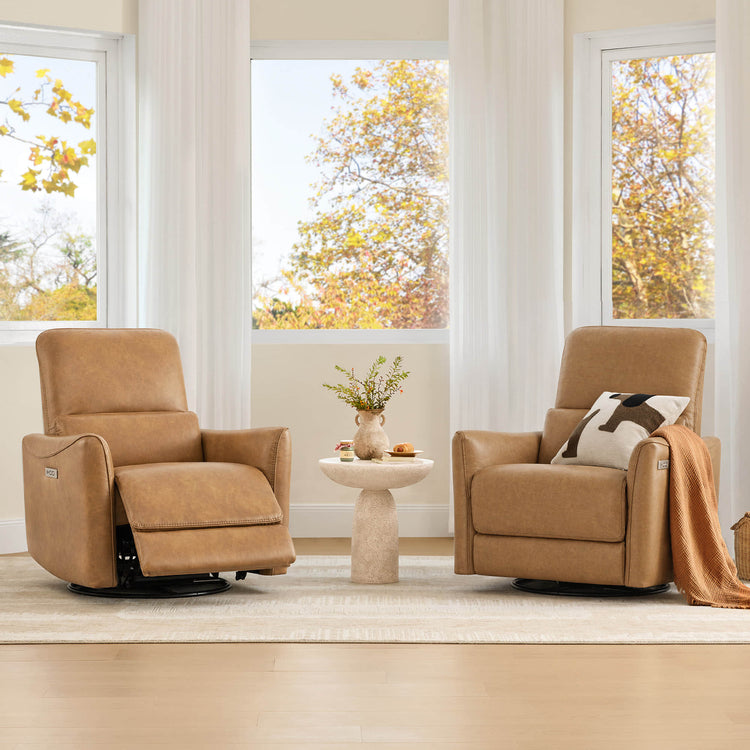
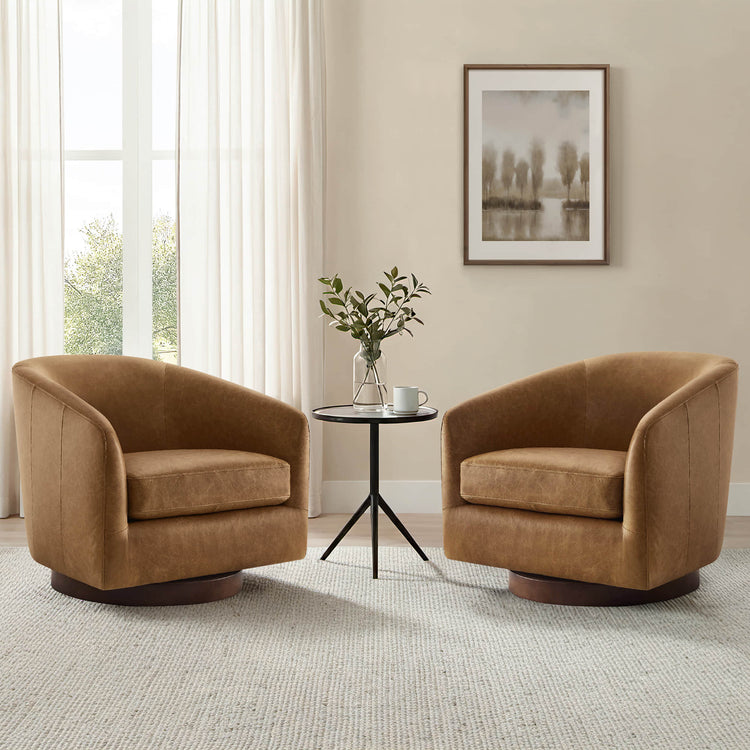
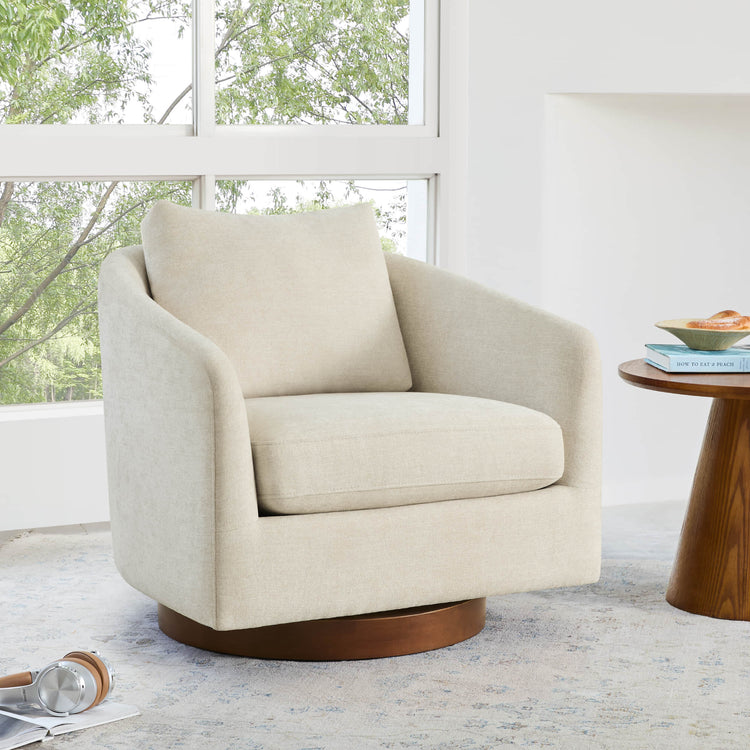
An accent recliner offers a versatile seating option that blends style with function. Unlike bulky living room recliners, models designed for smaller spaces provide targeted comfort for reading or resting without dominating the floor plan. They often feature swivel bases, power mechanisms, or slim profiles that make them suitable for corners, bay windows, or unused areas near the bed.
For parents transitioning from a nursery, a well-chosen recliner can evolve from baby-soothing sessions into an adult reading chair. The right piece supports longer sitting periods with proper lumbar support and easy recline while maintaining a clean aesthetic that complements bedroom decor.
As this official ergonomic reference guide explains, preserving clear circulation paths around furniture remains essential in any living space, including bedrooms.
How to Measure Your Bedroom: A Pre-Purchase Checklist
Before browsing styles, it is helpful to verify the physical limits of your room. Use this checklist as a guide to ensure your chosen chair won't block daily movement:
- [ ] Measure Available Width: Most bedroom-scale recliners range from 25 to 32 inches wide. Aim for at least 2-3 inches of "breathing room" on either side of the chair's widest point.
- [ ] Check Fully Reclined Depth: This is a common oversight. A chair may only be 35 inches deep when upright but can extend to 60-70 inches when fully reclined. Measure from the wall to ensure it won't hit the bed frame.
- [ ] Map the Wall Clearance: Determine if you need a "Wall-Hugger" (typically requires ~4-6 inches of rear gap) or a "Standard Recliner" (typically requires ~12-18 inches).
- [ ] Verify Path Clearances: Aim for a 24 to 36-inch path between the chair (in both positions) and the bed, closet doors, or entryways.
- [ ] Test Door/Drawer Swings: Open your closet doors and dresser drawers fully to ensure the chair doesn't create a collision zone.
Small recliners for bedrooms typically follow these industry-standard planning ranges:
Accent Recliner Fit by Bedroom Size and Recliner Type
Illustrative fit ranges for choosing an accent recliner in a bedroom.
View chart data
| Category | Width range (in) | Wall clearance range (in) |
|---|---|---|
| Small bedroom | 25 | 4 |
| Standard bedroom | 30 | 18 |
Note: The ranges above are illustrative planning benchmarks based on common manufacturer specifications. Because measurement protocols vary by brand, these should be treated as reference values. Always verify the "Fully Reclined Depth" and "Required Back Clearance" on the specific product’s spec sheet and cross-check them against your room's door and drawer swings before purchasing.

Choosing the Best Recliner Type for Small Spaces
Wall-hugger or zero-wall recliners offer a major advantage in bedrooms. These designs move the seat forward as you recline, meaning they need only a few inches of clearance behind the chair. This feature helps maintain open walkways and prevents the chair from encroaching on the bed or closet doors.
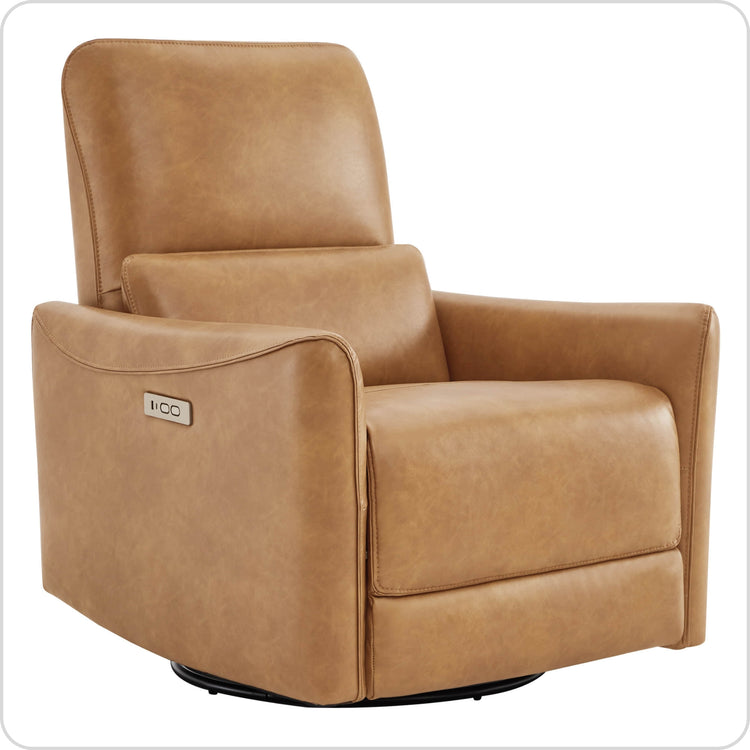
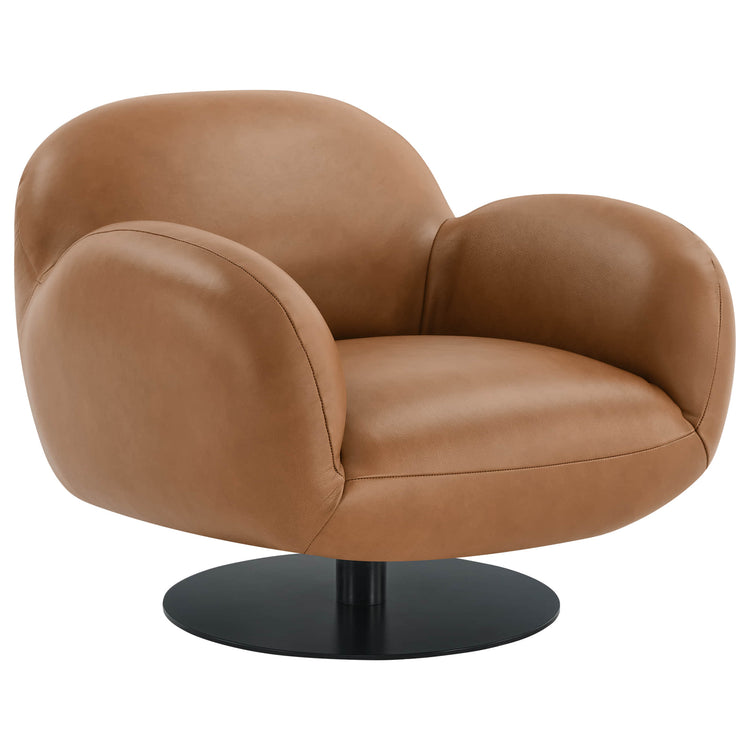
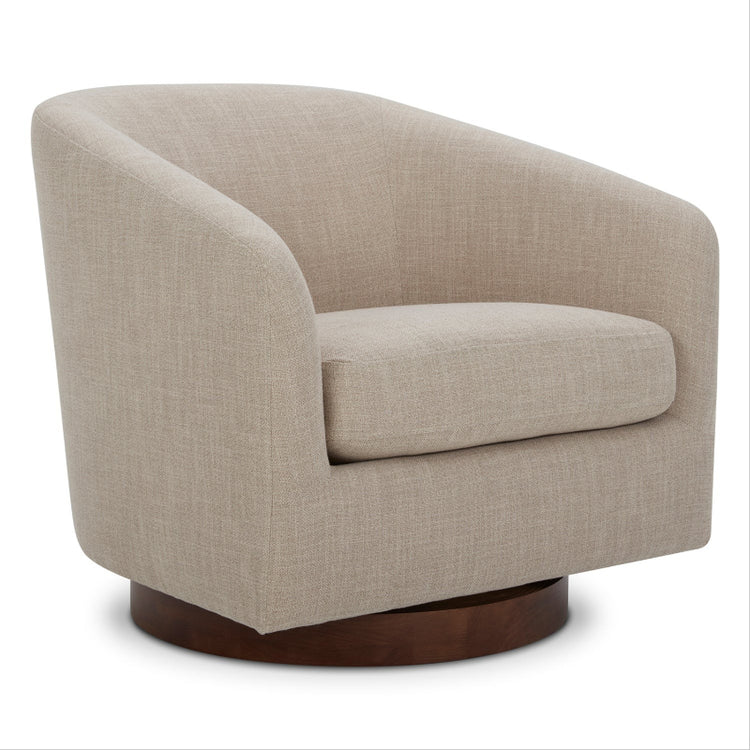
Swivel accent recliners provide flexibility for turning toward a window or nightstand without moving the entire piece. For those seeking modern convenience, models with power mechanisms offer smooth, one-touch recline and often include built-in charging ports for devices.
When evaluating comfortable bedroom seating, prioritize chairs with supportive cushioning and adjustable headrests. Performance fabrics or easy-clean materials are practical choices for bedrooms where spills from evening tea or lotions might occur.
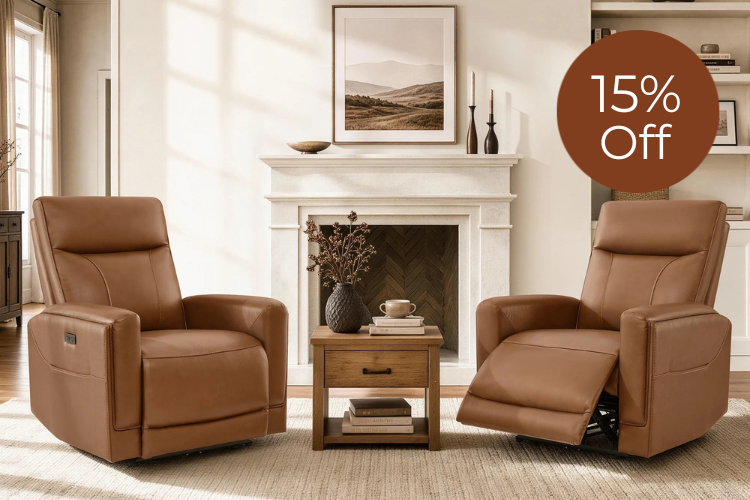
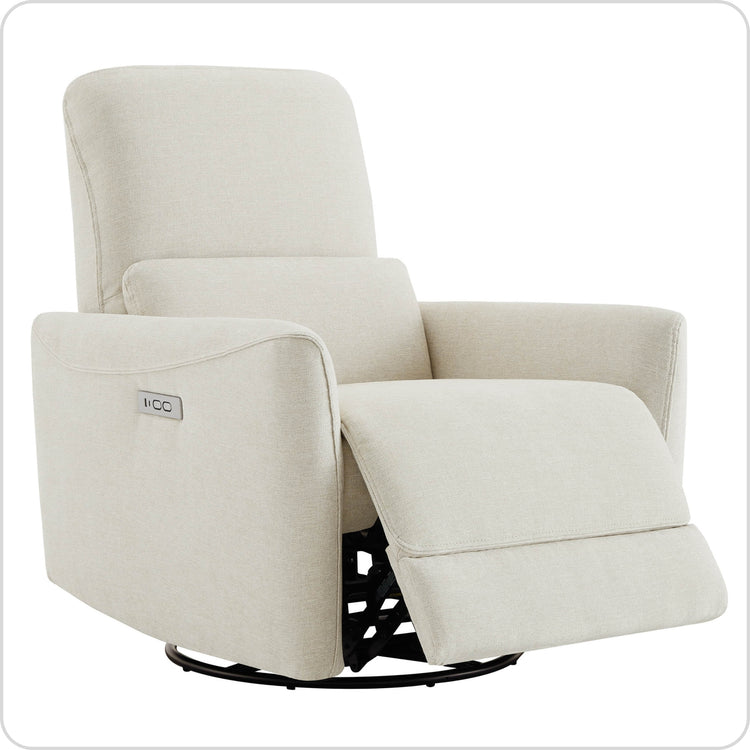
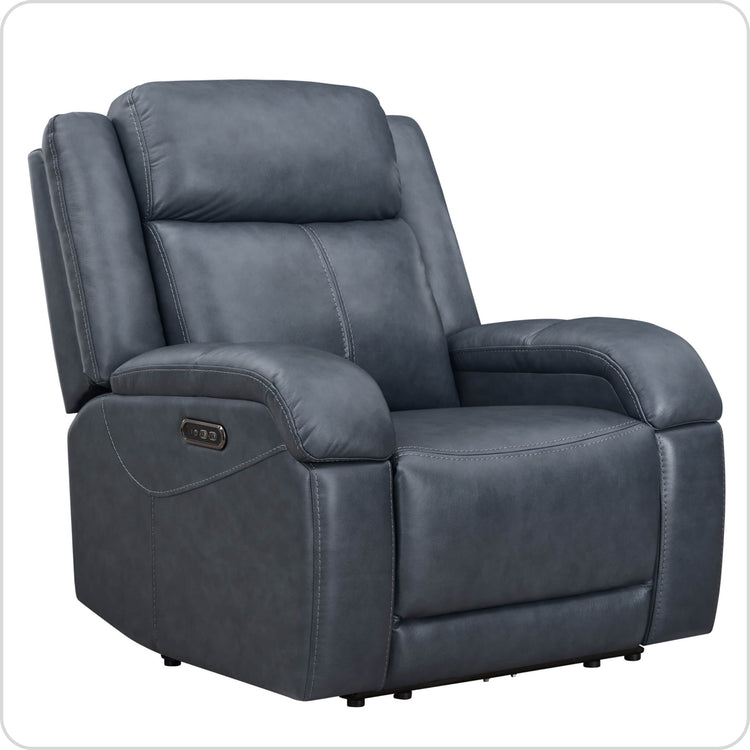
As an example of space-saving design, the Isaac Zero Wall-hugger Power Recliner with Cup Holder is built for compact rooms, while the Tracee Modern Power Swivel Glider Recliner offers versatile swivel action suitable for reading nooks.
Balancing Style with Bedroom Comfort and Visual Weight
Bedroom seating should enhance rather than compete with the room's overall design. Choosing an accent recliner with clean lines, neutral upholstery, or subtle patterns can help it coordinate with your bedding and window treatments. Mid-century or contemporary styles often integrate more seamlessly than overtly bulky traditional recliners.
Visual balance is as important as physical fit. A chair that feels proportionate to your bed and nightstands keeps the room feeling calm and uncluttered. In smaller bedrooms, it is generally better to avoid oversized pieces that create unnecessary visual heaviness.
For added versatility, consider swivel accent chairs that can double as statement pieces. For instance, the Henry Swivel Accent Chair with Electric Footrests & Charging Ports combines modern styling with practical power features. You can explore a variety of styles in this Recliners collection to find an option that matches your specific aesthetic.
Optimal Placement Strategies for Bedroom Recliners
Positioning your recliner in a corner, near a window, or beside a reading lamp can create an inviting retreat. As outlined in this home design guidelines document, preserving circulation space helps rooms feel more open and user-friendly.
In bay windows or alcoves, a compact chair can create a natural reading spot without reducing usable floor space. It is helpful to test the recline path mentally or with painter's tape on the floor to confirm it won't interfere with nearby furniture. For more detailed placement tips, you might find this guide on Why Choose a Wall Hugger Recliner or Sofa for Small Spaces? useful.
Nursery Recliner Transition to Bedroom Use
Many parents successfully repurpose nursery gliders as their child grows. A power swivel nursery recliner can transition into adult bedroom seating if its footprint remains manageable and the comfort level supports longer reading sessions.
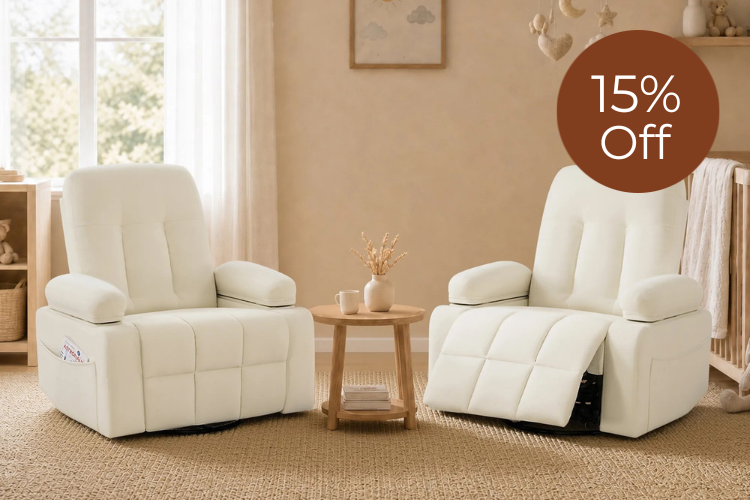
When transitioning a chair, evaluate whether it still leaves adequate walking space and whether its style fits the evolving bedroom decor. Models with neutral fabrics and clean lines, such as the Tracee Power Swivel Nursery Glider Recliner, often adapt more easily than designs with nursery-specific patterns.
For more on this topic, the Essential Guide to Choosing Nursery Recliners for Pregnant Women provides insights into features that support long-term comfort.
Final Decision: The "Perfect Fit" Summary
To make your final choice, compare your room's "max depth" measurement against the chair's "fully reclined" specification. If you have less than 12 inches of space behind the chair's intended position, wall-hugger models are generally the most practical choice.
For deeper insight into these mechanisms, visit the What Is a Wall Hugger Recliner? article. Alternatively, you can browse Lounge Chairs for non-powered accent alternatives that might better suit lighter use. Focus on pieces that solve your specific needs—whether that is a swivel base for a view or a power headrest for reading—to ensure long-term satisfaction.
Frequently Asked Questions
How Much Space Do You Need Behind an Accent Recliner in a Bedroom?
Traditional recliners often require 12 to 18 inches of clearance, while wall-hugger models typically need between 4 and 6 inches. Always confirm the exact clearance requirement in the product's technical specifications to avoid placement issues.
What Width Makes a Recliner Suitable for Small Bedrooms?
Chairs between 25 and 32 inches wide generally work best in standard bedrooms. Narrower options under 30 inches are often preferred for preserving open pathways in tighter layouts.
Can You Use a Nursery Recliner in a Primary Bedroom Long Term?
Yes, provided the dimensions allow for clear movement and the style complements your adult decor. Neutral power swivel gliders are particularly well-suited for transitioning from a nursery to a reading chair.
Should Bedroom Recliners Match Your Bed Frame or Stand Out?
Both approaches are valid. Coordinating tones and materials creates a more cohesive, calm look, while using the recliner as an accent through shape or subtle color contrast can add visual interest without overwhelming the space.
What Features Matter Most for Bedroom Reading Chairs?
Supportive cushioning, adjustable headrests, and easy access to lighting are key. Integrated charging ports are a modern convenience that can reduce the need for extra side tables in smaller rooms.
This article provides general comfort and setup guidance only. It does not constitute medical advice. If you experience persistent discomfort or have existing health conditions, consult a qualified professional.
Recommended Products


More to Read
 7 Sofa Trends That Actually Improve Comfort in 2026
Upgrade your living room with furniture that supports your body. Here are 7 modern sofa features designed to maximize your daily comfort...
7 Sofa Trends That Actually Improve Comfort in 2026
Upgrade your living room with furniture that supports your body. Here are 7 modern sofa features designed to maximize your daily comfort...
 Mother's Day Gift Guide: Cozy and Stylish Furniture Picks for Modern Moms
Make Mother's Day more meaningful with furniture gifts that bring comfort, smart features, storage, and quiet luxury into her everyday routine.
Mother's Day Gift Guide: Cozy and Stylish Furniture Picks for Modern Moms
Make Mother's Day more meaningful with furniture gifts that bring comfort, smart features, storage, and quiet luxury into her everyday routine.
 Performance Fabric Reality Check: Does It Really Repel Pet Hair and Stains?
Performance fabric is often marketed as a miracle solution for homes with pets and kids, but the reality is more nuanced. It...
Performance Fabric Reality Check: Does It Really Repel Pet Hair and Stains?
Performance fabric is often marketed as a miracle solution for homes with pets and kids, but the reality is more nuanced. It...