






















The End of Bulky Seating: How Hidden Power Recliners Are Redefining Modern Living Rooms

The Recliner Redesign: Why Bulky is Out and Stealth is In
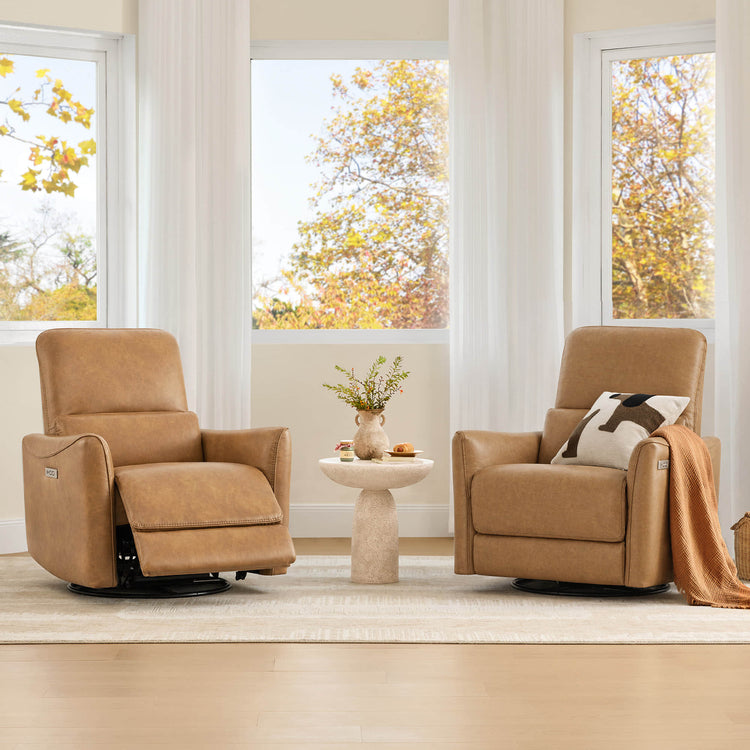
Traditional recliners earned a reputation for dominating a room with oversized frames, prominent levers, and heavy padding that clashed with contemporary interiors. Interior design trends for 2026 continue to favor sleek, quiet, and design-forward seating, pushing manufacturers to hide the mechanical elements that once made recliners feel dated (Modern Recliners Are Redefining Comfort and Style).
The shift matters most for apartment dwellers and design-conscious homeowners who want the comfort of a classic lounger without the visual weight. A recliner that doesn't look like a recliner maintains cleaner sight lines and a smaller perceived footprint, making the entire living room feel more intentional. However, "stealth" is not a universal standard; it depends heavily on how a specific manufacturer integrates the motor and frame.

Defining Stealth Comfort: What Makes a Recliner Disappear?
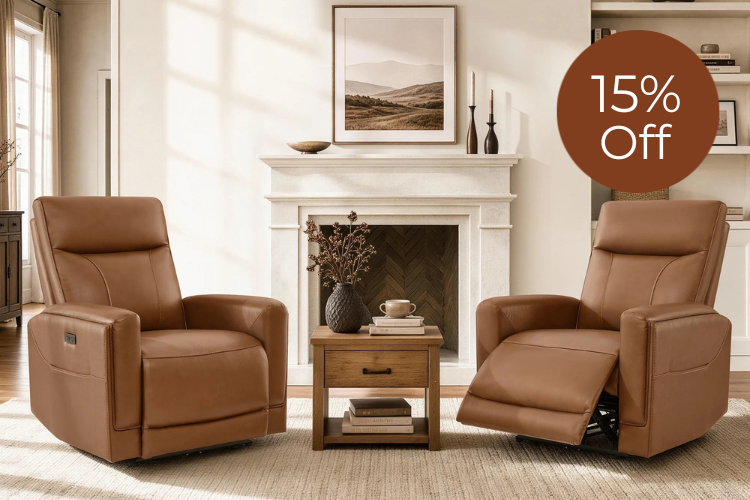
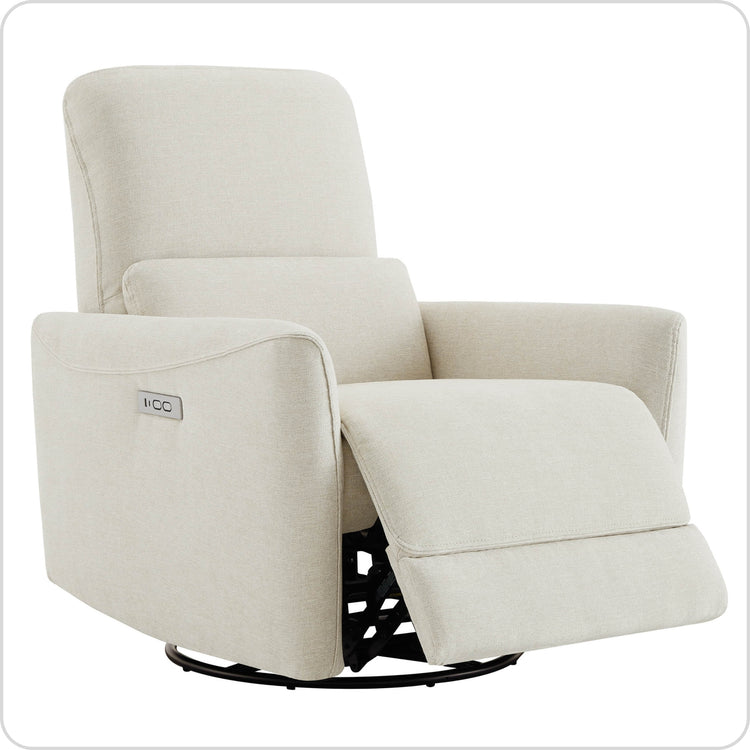
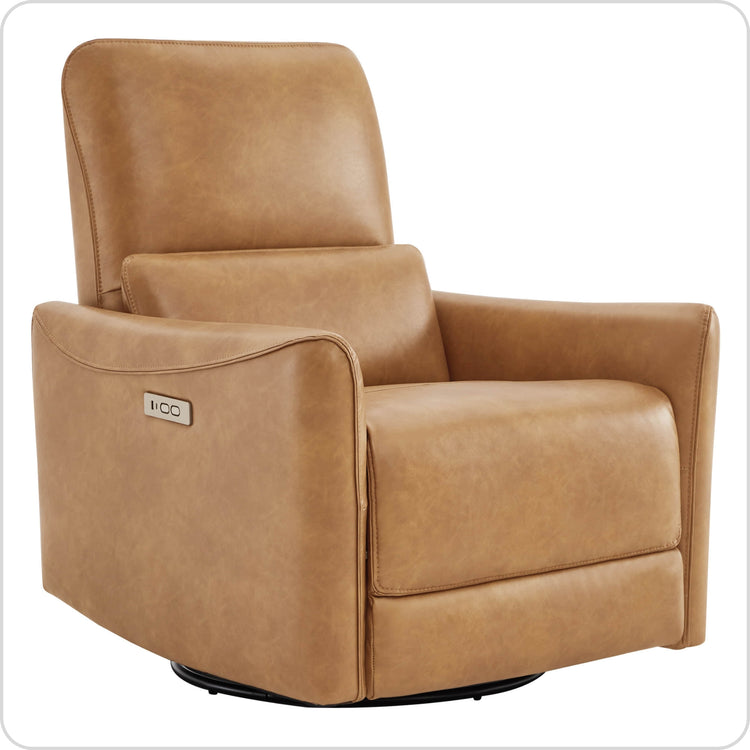
A true hidden power recliner meets specific visual thresholds that separate it from simply modern-looking chairs. The primary indicator is recessed buttons or controls placed on the inner arm rather than an exposed side panel. This placement keeps the exterior profile clean and prevents the chair from announcing its function at first glance (Best Stylish Recliner Sofas 2026: How Modern Recliners Hide the Mechanism).
Integrated USB-C charging ports further support the stealth effect by eliminating the need for external cords. In high-quality models, these ports are designed to be nearly invisible, often tucked into the control housing. However, certain "tells" can disqualify a model from being truly stealthy:
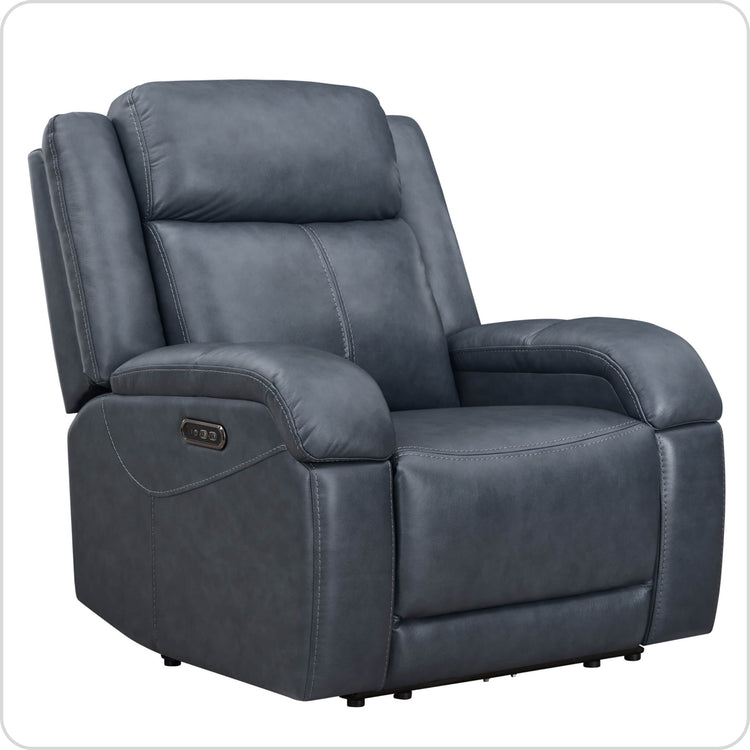
- Oversized Armrests: Often used to hide bulky motors, these can ruin a minimalist silhouette.
- Exposed Stitching: Heavy-duty seams often hint at industrial-grade reclining mechanisms.
- Bulky Bases: If the metal chassis is visible from a standing height, the "accent chair" illusion is lost.
Editor’s Tip: Always check product photos from a low, side-angle view. If the mechanical undercarriage is visible when the chair is upright, it will not achieve a true stealth look in your home.
Beyond Aesthetics: The Tech Hidden Under the Upholstery
Choosing a sleeker design does not require giving up meaningful features, but it does require verifying technical specifications. Many hidden power recliners rely on dual-motor systems that allow independent control of the headrest and footrest.
- Recline Angles: While many models offer a "zero-gravity" feel (typically around 140°) or a "lay-flat" function (up to 165°), these ranges are model-specific. You should verify the maximum recline angle on the product’s technical spec sheet to ensure it meets your comfort needs.
- Safety Standards: Motorized furniture should ideally adhere to the UL 962 standard for electrical safety. However, this certification is not mandatory for all furniture; you should check the product manual or the physical label on the motor to confirm if a specific model has been tested (UL 962 Standard for Household and Commercial Furnishings).
- Entrapment Prevention: Industry safety guidelines, such as those from the CPSC and AHFA, address mechanical openings to reduce risks for pets and children (CPSC and AHFA Reclining Furniture Safety Standards). These protections are only effective if the specific model incorporates a "gap-guard" or similar structural safety feature.
Hidden Power Recliner Fit: Stealth vs. Usability by Room Style
Use this as a decision aid, not a universal fit test: hidden controls can preserve a cleaner look, but clearance, reach, and feature access still determine whether the chair works well in a given room.
View chart data
| Category | Stealth fit | Usability/safety fit | Feature-rich fit |
|---|---|---|---|
| Minimalist | 5.0 | 4.0 | 3.0 |
| MCM | 4.0 | 4.0 | 4.0 |
| Transitional | 3.0 | 5.0 | 5.0 |
Priority-Based Selection: Which Stealth Recliner Fits Your Life?
To find the "best" power recliner, you must prioritize features based on your specific living scenario:
| If your priority is... | Look for these features: | Recommended Scenario |
|---|---|---|
| Space Saving | True "Wall-Hugger" mechanism; clearance < 6 inches. | Small apartments or narrow walkways. |
| Pure Aesthetics | Tapered wooden legs; hidden inner-arm controls; matte fabric. | Mid-century modern or minimalist dens. |
| Tech & Utility | Integrated USB-C; dual-motor (independent headrest); quiet motor (<50dB). | Home offices or primary media rooms. |
| Safety & Durability | UL 962 certification; recessed buttons (to prevent pet activation). | Homes with young children or active pets. |
Style Guide: Matching Hidden Power Recliners to Your Decor
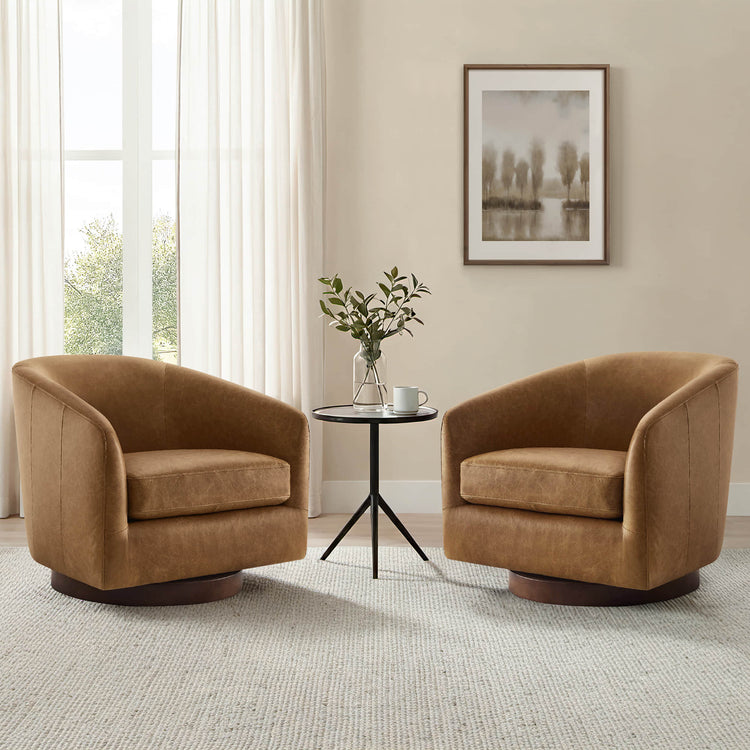
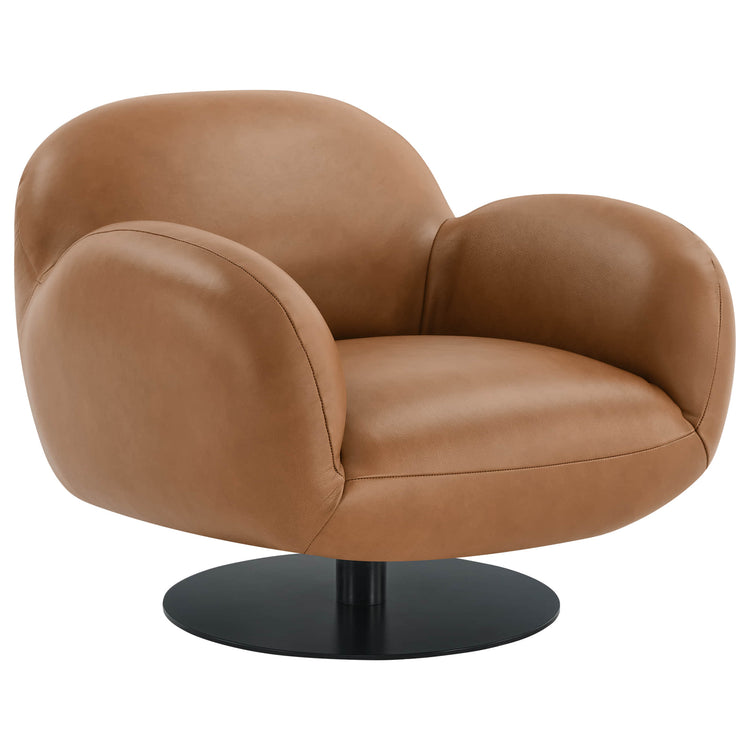
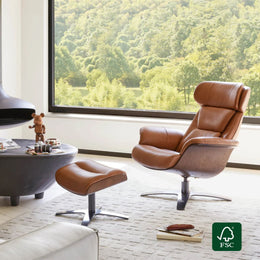
Minimalist rooms demand the lowest visual mass, so prioritize low-profile frames and slim tapered legs. Mid-century modern spaces benefit from geometric curves and organic shapes—models like the Brenda Adjustable Geometric Accent Chair or Cary Genuine Leather Swivel Reclining Chair & Ottoman illustrate how these cues translate into reclining furniture.
Transitional interiors allow slightly more padding while still requiring tailored lines. Our guide to selecting mid-century modern pieces offers additional cues for matching shapes and finishes.

The Usability Trade-off: When Hidden Controls Become a Hunt
Hidden controls improve appearance but introduce daily usability considerations. In low-light conditions, recessed buttons lack visual cues and require reliable tactile feedback. Inner-arm placement can also lead to accidental activation when users shift position.
The 3-Step "Stealth Test" (In-Store or At-Home)
Before committing to a hidden-control model, perform these three checks:
- The Blind Reach: Close your eyes and try to locate the recline and "home" buttons. If you can't distinguish them by touch alone, you may struggle in a dark media room.
- The Shift & Sit: Sit in the chair and shift your weight as if reaching for a drink. If your thigh or hip triggers the motor, the button placement may be too shallow for your body type.
- The Clearance Check: Fully recline the chair and measure the distance from the headrest to the wall and the footrest to the nearest walkway. Ensure you have at least 18–24 inches of "pass-through" space remaining for safety.
For those in compact layouts, the best small space power recliners guide provides further context on managing these dimensions.
Choosing Your Stealth Recliner: A Buyer’s Checklist
- Verify Clearance: Don't rely on the term "wall-hugger." Check the exact "Wall Clearance Required" (usually 3–10 inches depending on the model).
- Confirm Power Source: Does it require a wall outlet, or is there a battery pack option to keep the floor cord-free?
- Check Certification: Look for UL 962 or equivalent electrical safety markings in the product specifications.
- Examine the "Side Profile": Use 360-degree product viewers to ensure the mechanism is fully shrouded by the frame.
For those prioritizing both modern style and compact footprints, explore the Stella Lay-Flat Power Recliner with Power Headrest or the Atlas Modern Zero-Gravity Power Recliner. These options demonstrate how hidden tech features can support contemporary interiors while delivering practical daily comfort.
FAQ: Common Questions on Hidden Power Recliners
How much rear clearance do most hidden power recliners need? Requirements vary significantly by frame design. While standard recliners often need 10–14 inches, genuine wall-hugger mechanisms can operate with as little as 3–6 inches. Always verify the exact "Wall Clearance" metric for the specific model before purchase.
Can a hidden power recliner truly replace a traditional accent chair? Yes, provided the leg style and fabric finish align with your decor. The key is confirming that the chair does not increase visual mass when viewed from the side.
What should I check to avoid accidental reclining? Look for models with "recessed" or "shrouded" buttons. If the buttons are flush with the fabric on the inner arm, they are more likely to be triggered by your leg or a pet.
Do USB-C ports compromise the clean look? When integrated properly, USB-C ports are nearly invisible. The most discreet versions place the port on the inner side of the arm or beneath a small flap, keeping cords out of sight during use.
Recommended Products

More to Read
 7 Sofa Trends That Actually Improve Comfort in 2026
Upgrade your living room with furniture that supports your body. Here are 7 modern sofa features designed to maximize your daily comfort...
7 Sofa Trends That Actually Improve Comfort in 2026
Upgrade your living room with furniture that supports your body. Here are 7 modern sofa features designed to maximize your daily comfort...
 Mother's Day Gift Guide: Cozy and Stylish Furniture Picks for Modern Moms
Make Mother's Day more meaningful with furniture gifts that bring comfort, smart features, storage, and quiet luxury into her everyday routine.
Mother's Day Gift Guide: Cozy and Stylish Furniture Picks for Modern Moms
Make Mother's Day more meaningful with furniture gifts that bring comfort, smart features, storage, and quiet luxury into her everyday routine.
 Performance Fabric Reality Check: Does It Really Repel Pet Hair and Stains?
Performance fabric is often marketed as a miracle solution for homes with pets and kids, but the reality is more nuanced. It...
Performance Fabric Reality Check: Does It Really Repel Pet Hair and Stains?
Performance fabric is often marketed as a miracle solution for homes with pets and kids, but the reality is more nuanced. It...