
























Dining Chairs With Arms vs. Armless: Which Should You Choose?

When comparing dining chairs with arms vs armless, choose chairs with arms for extra side support and a more substantial look at the table. Choose armless chairs for easier movement, tighter placement, or a more flexible seating plan. Neither style is always better. Your choice depends on the table's underside, the chair's exact width and depth, and the space people need to walk around the table. Measure all three before you commit.

Dining chairs with arms vs. armless: the choice in one sentence
The best choice can change when a chair conflicts with the table. An armchair may not work if its arms hit the apron, while an armless chair may fall short if its seat height or comfort doesn't suit the user. Use this table to compare the trade-offs, then let the exact chair and table dimensions decide.
| Decision factor | Chairs with arms | Armless chairs |
|---|---|---|
| Footprint and space planning | Need extra width and clearance between the arms and table | Generally easier to fit into tighter spots |
| Comfort preference | Suit diners who want side support | Suit diners who want unrestricted movement |
| Movement | Bulkier to slide in, out, and around | Easier to reposition or carry |
| Visual weight | More substantial, framed look | Lighter, more streamlined look |
| Seating flexibility | Work best in fixed, selected positions | Work well along multiple sides of a table |
| Best-fit signal | The room and table can handle the larger footprint | The space or routine calls for flexible seating |
What you gain—and give up—with dining chairs with arms
Arms add side support and a more finished look, but they also create a fit issue that armless chairs don't have. Whether that trade-off is worthwhile depends on your table and the space around it.
When the added support and visual presence earn the footprint
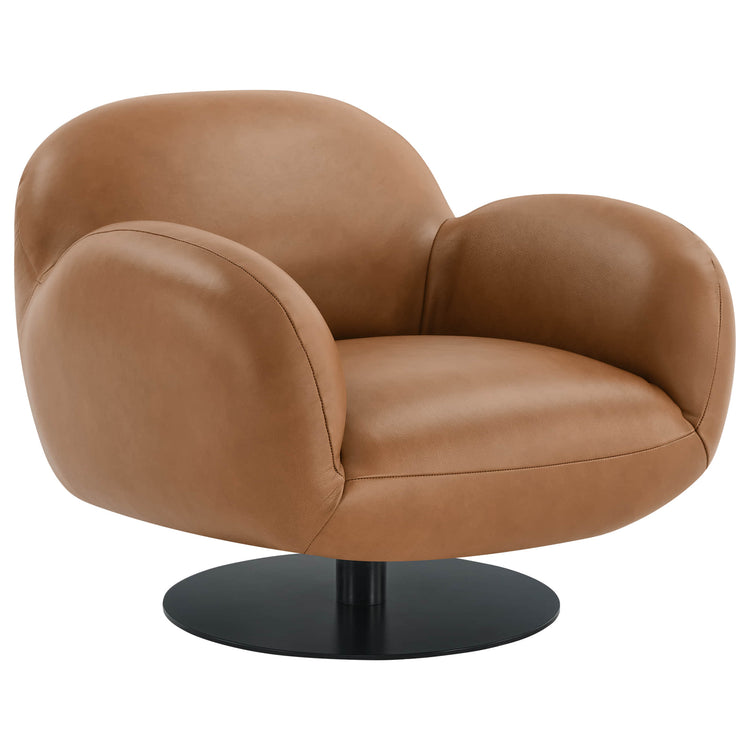
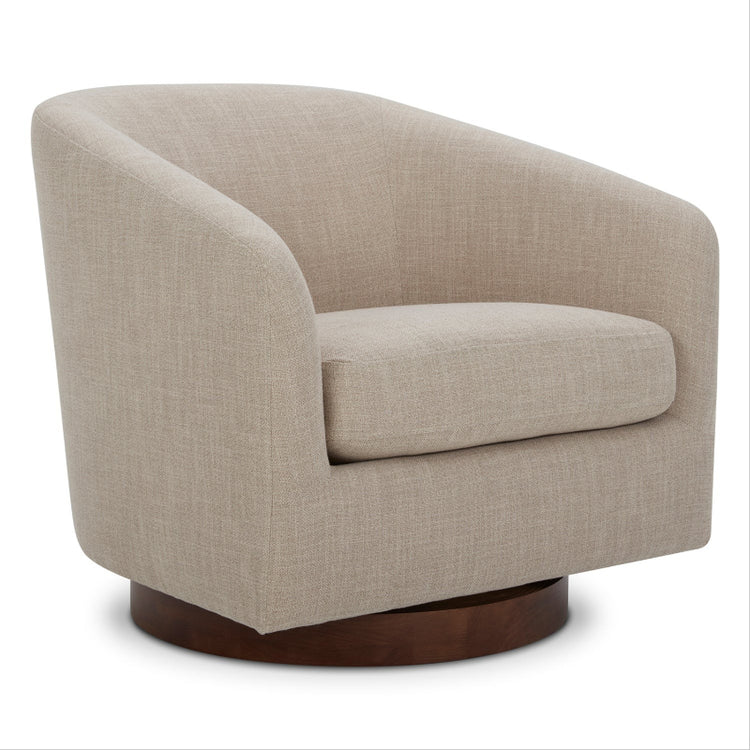
Some diners prefer having a place to rest their forearms. An armchair also often looks more substantial at the head or foot of a table. That is a preference, not a guaranteed comfort upgrade. If you're furnishing a formal dining room or want a defined look at the ends of a long table, arms can provide it—as long as the chair's dimensions work with your table and leave enough clearance.
The two fit checks that can change your mind
Before ordering an armchair, check two things. First, compare the chair's full width and depth with the space available, including the room someone needs to walk past it. Second, compare the arm height with the table's underside or apron. If the arms are too tall for the chair to slide under the table, or the chair can't move far enough out of the walkway, choose a different chair for that spot, no matter how much you like the look.
What you gain—and give up—with armless dining chairs
Armless chairs are usually the more flexible starting point, especially when you need to move them, reposition them, or place them along several sides of a table. But removing the arms doesn't automatically make a chair smaller, easier to place, or more comfortable.
When flexibility matters more than a framed silhouette
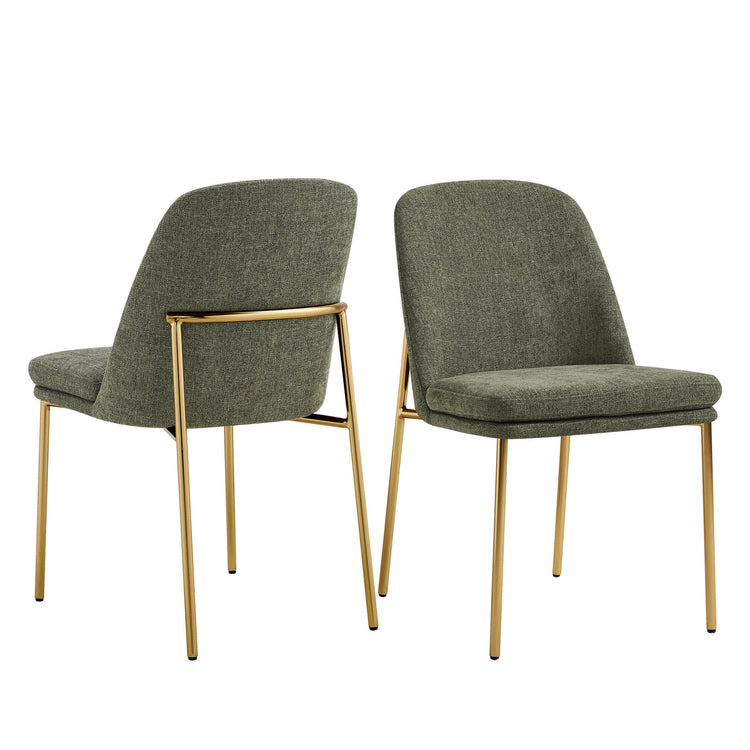
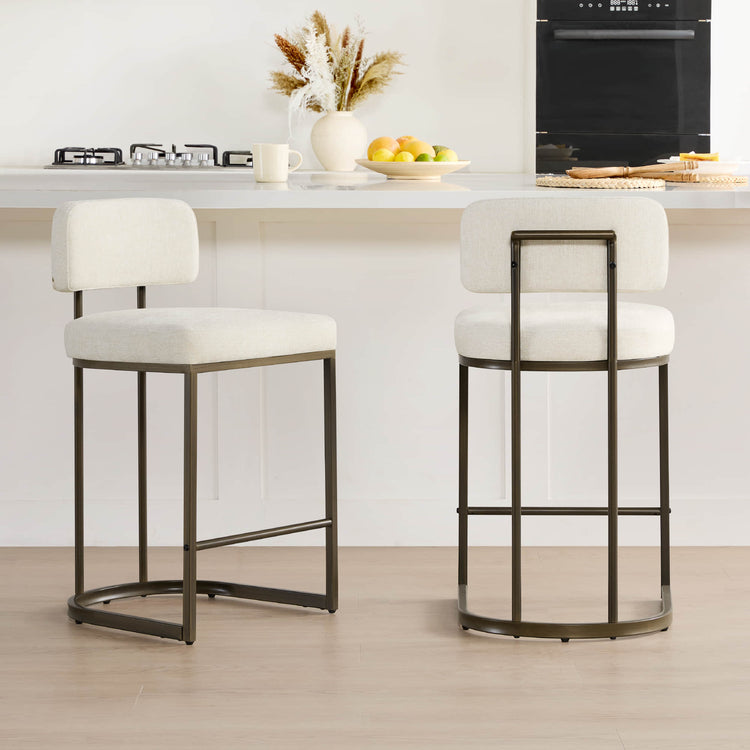
If your dining table doubles as a workspace, homework station, or entertaining hub, armless chairs are easier to reposition. Without arms sticking out, they can slide closer together and tuck under counters or tables more easily. They also fit along both long sides of a table without extra planning for each seat. The advantage comes from the missing arms and the chair's actual dimensions—not from a blanket rule that armless chairs always save space.
The trade-offs to check before choosing armless
An armless chair can still be too wide, too deep, or too firm for your needs, even if it fits physically. Check the seat height, seat depth, back shape, and cushioning against the way you'll use the chair. If your dining room needs more visual weight or side support at certain seats, an all-armless layout may feel underwhelming even when every chair fits. Choose another option if the comfort or scale doesn't match how you use the space.
Measure the table, chairs, and clearances before you buy
Space planning for either style comes down to a few measurements: the table, the chair, and the room around them. Skipping any one of these is a common reason a dining set feels cramped after delivery.
- Measure your table's height, the clearance under its top, and the location of the apron or legs. These measurements determine whether an armchair can slide in cleanly.
- Record the chair's full width and depth, not just the seat size, for both armed and armless options.
- Note the seat height and, for armchairs, the arm height relative to the table's underside.
- Pull the chair out to its seated position and measure that footprint, not just the pushed-in size.
- Check the walking path behind or beside each seated position, using the pulled-out footprint as your baseline.
- Use Houzz's 36- to 42-inch table-clearance guidance around a typical table layout as a starting point. Allow roughly 48 to 60 inches where the table sits along a major walking route. Adjust those figures for the room, furniture, and traffic rather than treating them as fixed rules.
- If accessibility is part of the project, use the applicable ADA clear floor space and turning space requirements and your actual table design instead of relying on ordinary dining-chair spacing. That guidance identifies a forward approach at dining surfaces and a 30-by-48-inch minimum clear floor space for the covered contexts it addresses.
Exact chair dimensions matter more than a general size category. Our Mateo armchair dimensions list a 25.2-inch width, 24.8-inch depth, and 24.8-inch arm height. Check its footprint and arm clearance against your specific table before ordering. By comparison, the Wyatt armless chair dimensions are 19.5 by 22.4 inches in the all-wood version and 18.9 by 21.7 inches in the upholstered version. That is a noticeably smaller footprint, but it still needs its own seat-height and depth check for your table. These examples show why a style label isn't enough. The specific chair you're considering matters more.
Choose by room and routine
The right style often depends on the room and how you use the table. Here's how the main scenarios usually play out.
Small apartment or compact dining area
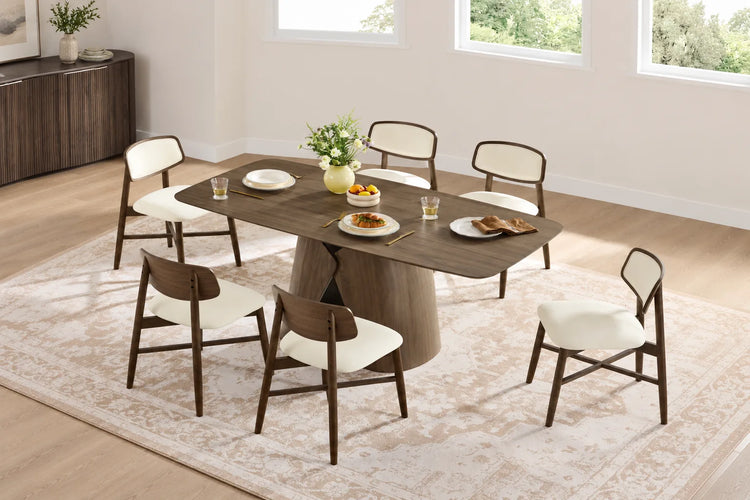
Start with armless chairs when width, movement, or open-plan foot traffic is your biggest constraint. Armchairs remain an option if the exact footprint leaves enough clearance to walk past a seated diner and you value the look enough to give up some flexibility.
Formal dining room
A formal room can usually handle more visual presence, so consider armchairs at the head and foot of the table. Confirm that the end positions, the table's underside, and the surrounding walking space support the choice before you commit.
Multi-purpose dining table
When a table also handles work, homework, or entertaining, choose the style that balances how often you move the chairs with how much comfort you want. If you're considering a chair with wheels or another mobility feature, remember that it can make repositioning easier but cannot fix a clearance problem caused by an undersized room.
Mixed armchair and armless seating
Mixing styles works when armchairs go only in positions where their arms and footprint fit, commonly the two ends of a table if the layout allows it. Match the seat heights and overall scale of both chair types. Then check the widest and deepest chair in the mix against the room's circulation path before finalizing the combination. Without consistent sizing and a deliberate visual cue, a mixed set can look accidental rather than intentional.
Your final fit check before you choose
Once you've picked a starting preference, turn it into a purchase-ready decision with four steps. Measure the room and table exactly as your household will use them, including the seating arrangement you plan to keep.
Compare the chair's listed width, depth, seat height, and arm height with your table and walking space. Test whether the chair can pull out and push back in while leaving your intended path clear. Finally, verify the specific product variant and review its delivery timeline, warranty, and return terms before placing the order. If a required measurement is missing, wait until you have it.
FAQs
Can you mix arm and armless dining chairs?
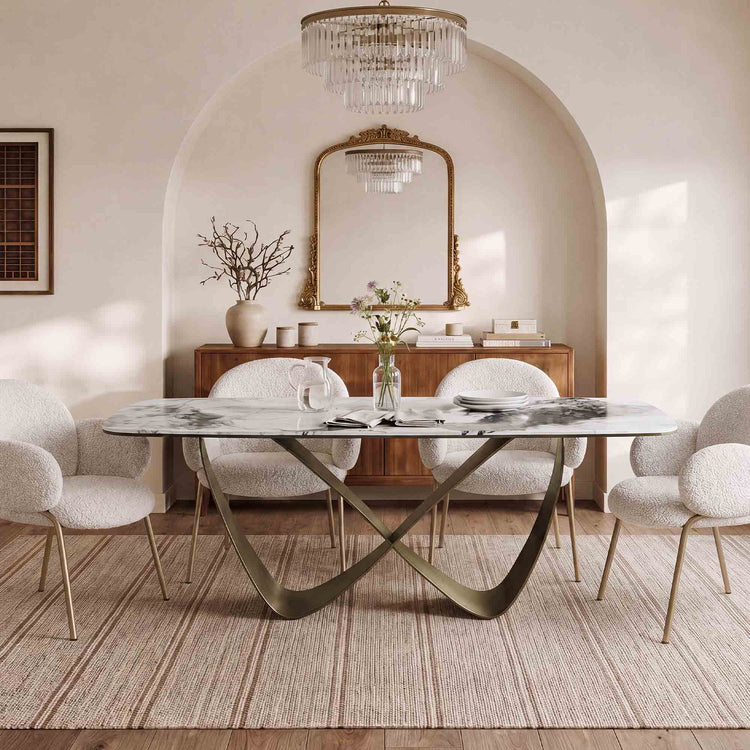
Yes, but only when the fit works. Put armchairs at the table ends if their footprint and arm height clear the table. Match the seat heights across both chair types, and confirm that the room can handle the widest chair in the mix. A shared visual cue helps the pairing look intentional rather than mismatched.
How much space do I need for chairs with arms?
There's no fixed extra amount for every armchair. Measure the specific chair's full width, depth, and arm height, then check the pull-out space and walking route around it. A general range of 36 to 42 inches around the table is a reasonable starting point, not a guarantee for your room.
Which is better for small spaces?
Armless chairs are usually the easier starting choice when floor space or movement is your main limitation. Arms can still work if the exact chair footprint leaves enough usable clearance and you value the added support enough to plan around it.
What should I check before ordering when choosing dining chairs with arms vs armless?
Measure your table and room first. Then compare the exact chair variant's width, depth, seat height, and arm height with the available space. Confirm that the chair can pull out and push in without blocking your walking path, and review the current delivery, warranty, and return terms before you buy.
Recommended Products

More to Read
 7 Sofa Trends That Actually Improve Comfort in 2026
Upgrade your living room with furniture that supports your body. Here are 7 modern sofa features designed to maximize your daily comfort...
7 Sofa Trends That Actually Improve Comfort in 2026
Upgrade your living room with furniture that supports your body. Here are 7 modern sofa features designed to maximize your daily comfort...
 Mother's Day Gift Guide: Cozy and Stylish Furniture Picks for Modern Moms
Make Mother's Day more meaningful with furniture gifts that bring comfort, smart features, storage, and quiet luxury into her everyday routine.
Mother's Day Gift Guide: Cozy and Stylish Furniture Picks for Modern Moms
Make Mother's Day more meaningful with furniture gifts that bring comfort, smart features, storage, and quiet luxury into her everyday routine.
 Performance Fabric Reality Check: Does It Really Repel Pet Hair and Stains?
Performance fabric is often marketed as a miracle solution for homes with pets and kids, but the reality is more nuanced. It...
Performance Fabric Reality Check: Does It Really Repel Pet Hair and Stains?
Performance fabric is often marketed as a miracle solution for homes with pets and kids, but the reality is more nuanced. It...