


























Side Table Height Rules: How to Match End Tables with Low-Profile Sofas and Recliners

The fastest way to pick a side table height is to compare it with the top of your sofa or recliner's usable armrest, then test the seated reach with a drink. This guide covers living room furniture pairings for low-profile sofas, armless seating, and recliners, using measurements instead of guesswork.

The Armrest Rule: Start With the Usable Height
Start by comparing the table's finished height with the top of the usable armrest, then confirm the seated reach feels relaxed before you buy. There is no single residential inch tolerance to rely on, so use the measured arm height as a starting comparison and keep the table only when your seated reach stays relaxed.

Ergonomic guidance supports this test: shoulders should relax and elbows stay close to the body, and that relaxed posture is what tells you whether a nearby table is at a workable height for picking up a drink. A table that matches the arm height on paper can still fail this test if the seat is deep or the cushion compresses more than expected.
The table below uses two assumed bands, 24 to 26 inches and 28 to 30 inches, purely as illustrative starting points, plus one verified example: the Maisie sofa's 27.6-inch arm height. None of these rows is a claimed standard.
| Usable arm height (input) | Starting table-height comparison | Decision check |
|---|---|---|
| 24–26 in (assumed example) | 24–26 in | Keep only if reach stays relaxed and clear |
| 27.6 in (Maisie sofa, verified) | 27.6 in | Keep only if reach stays relaxed and clear |
| 28–30 in (assumed example) | 28–30 in | Keep only if reach stays relaxed and clear |
Illustrative arm-height and table-height comparison
Illustrative comparison only: the table midpoint mirrors the assumed arm-height band. Confirm the finished tabletop height, relaxed seated reach, and recliner clearance; these examples are not universal furniture standards.
View chart data
| Category | Assumed arm midpoint | Illustrative table midpoint |
|---|---|---|
| 24–26 in arm | 25.0 | 25.0 |
| 27.6 in arm | 27.6 | 27.6 |
| 28–30 in arm | 29.0 | 29.0 |
Low-Profile Sofas: Measure the Furniture You Actually Own
A low-profile sofa needs its own check because "low-profile" is a style label, not a measurement you can shop against. Two sofas marketed as low-profile living room furniture can have arm heights that differ by several inches, so the sofa's category tells you nothing useful about which end table height will feel comfortable next to it.
Measure the actual arm instead of assuming a nominal table size will match. If the arm is wide, padded, or slopes in a way that makes it hard to rest your hand on, treat its height as a rough guide. Cushion compression and seat depth can also change the position of your seated reach. A visually low table is not automatically usable, so confirm the tabletop position against the furniture you own before you commit.
Recliners Need a Movement and Reach Check
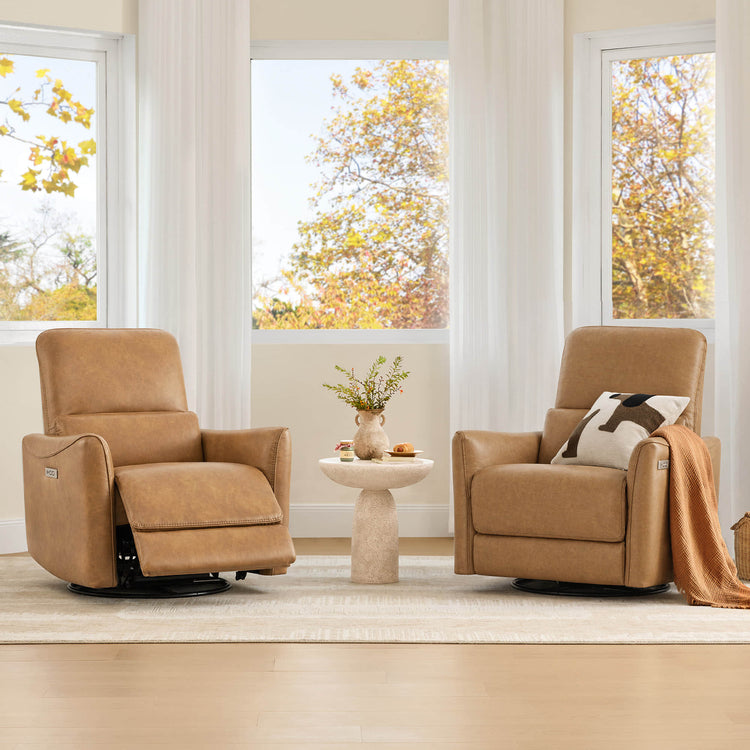
A recliner changes the fit test because the chair itself moves, so a table that works when the chair is upright can still fail once it reclines. Test the table in both positions before you decide it fits.
Sit in the chair upright first and confirm the table height and reach feel relaxed. Then recline fully and check the same reach again, watching for contact between the table and the chair's arm, footrest path, side controls, or a nearby wall. A recliner's overall size or seat height does not tell you whether the swing path will clear the table, because that depends on the chair's specific recline mechanism and footprint. If the table interferes with the arm, footrest, controls, or your hand path at any point in the motion, stop considering it for that spot, even if it measured correctly at rest.
How to Measure and Place a Side Table
Measure your seating and the candidate table in five steps, using the posture you will actually use when reaching for a drink.
- Sit in the sofa or recliner the way you normally would, with your back against the cushion.
- Relax your shoulders and hold your forearms parallel to the floor, then measure from the floor to the lowest point of your elbow. This is your seated elbow height, following the floor-to-elbow measurement method used for adjustable furniture.
- Measure from the floor to the top of the usable armrest, if one exists, so you have both a personal reference and a furniture reference.
- Measure the candidate table from the floor to the finished top surface, not to a decorative edge or lip.
- Place the table in the room and test a real drink-reach motion, in the recliner's upright and reclined positions if it is a recliner, before you buy.
Take these measurements in the seated posture you will use for the decision. A standing measurement will not match how your arm and shoulder behave once you are settled into the cushion.
When the Sofa or Chair Has No Armrests
Without an armrest, use your seated elbow height and your natural hand path as the reference point instead. There is no arm height to copy on an armless sofa or chair, so the personal measurement from the previous section becomes your main guide.
Use the seated elbow height and natural hand path as the comparison, and reject any table that requires a lean or twist.
When a Table Can Be Slightly Taller or Shorter
Yes, a table can sit somewhat above or below the armrest and still work, as long as your reach stays relaxed. No fixed inch allowance is established by the supplied evidence, so the deciding factor is your posture at the table, not an exact height difference.
Keep a slightly taller or shorter table only when the reach remains comfortable and the table does not block furniture movement. If either condition fails, choose a different height or placement.
What to Verify Before Choosing a Chita Living Piece
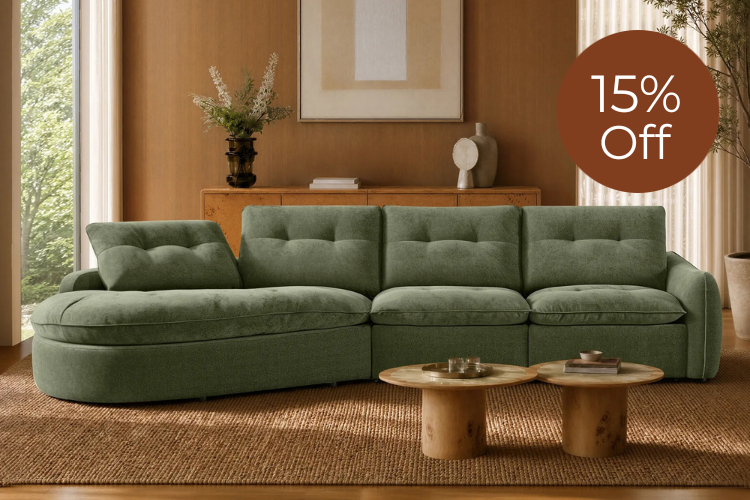
Before picking a table for either seat, verify the seating's own dimensions first, since that is what any table height decision has to be measured against. Our Maisie sofa lists a 27.6-inch arm height, which is one concrete example you can compare directly with a candidate table using the armrest rule above.
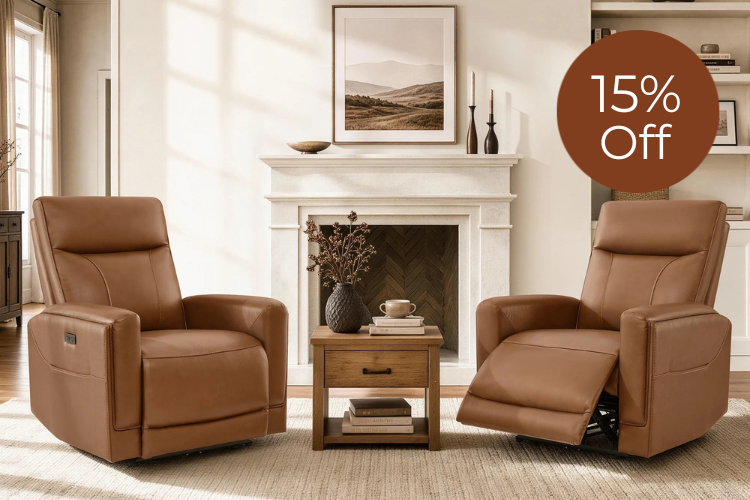
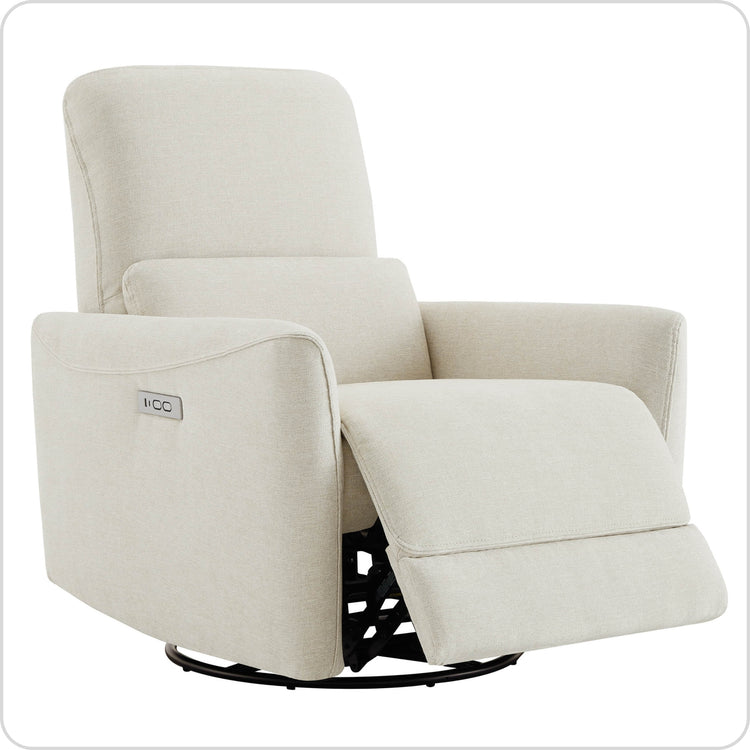
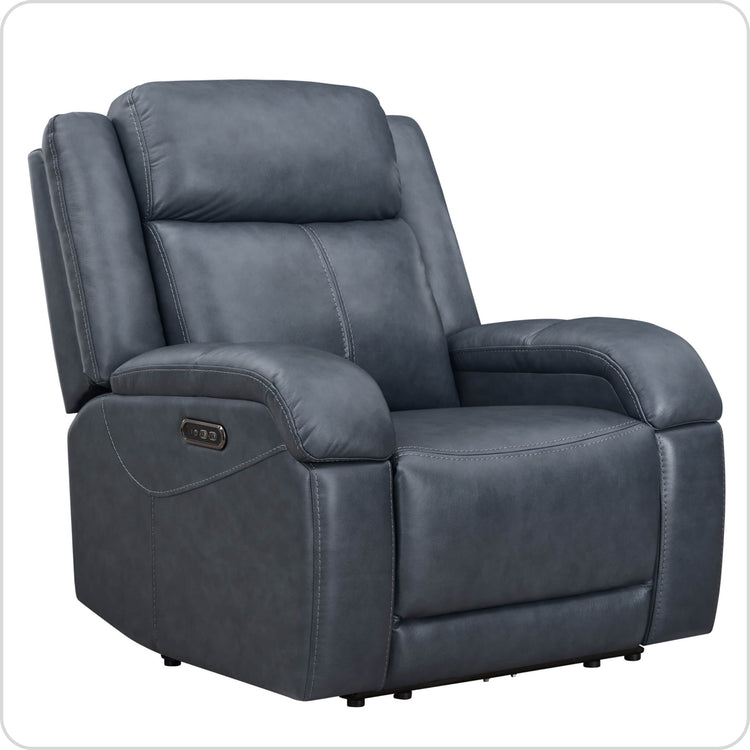
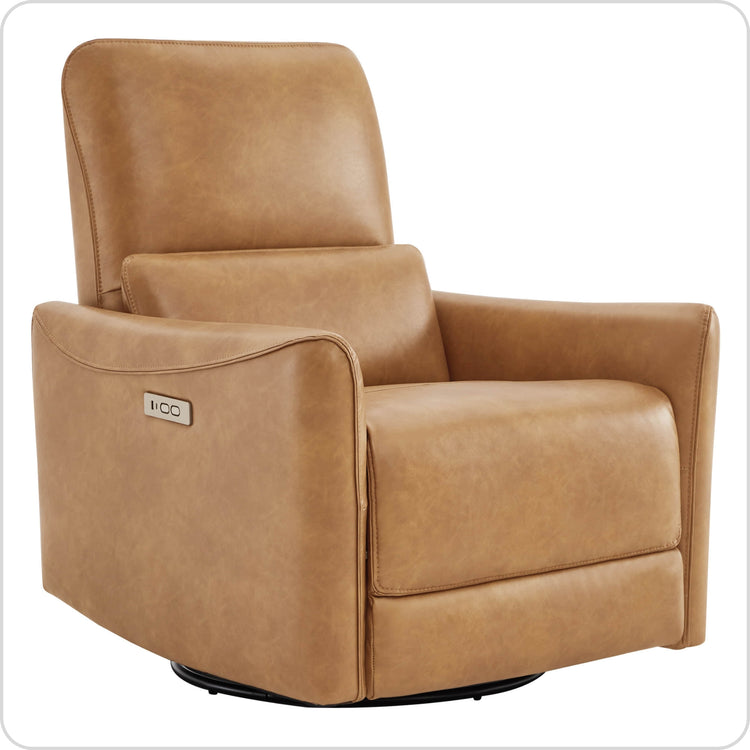
Our Hadley recliner lists a 20.1-inch seat height, a 90 to 140 degree recline range, and 0 inches of required wall clearance, but its published specifications do not include an arm height. That gap matters: overall chair dimensions do not tell you whether a table will clear the arm or the footrest path once the chair reclines, so a separate arm-height and movement check is still necessary. We do not currently have a verified side-table height or clearance match for either piece, so treat this section as a verification step rather than a purchase recommendation. Check the current listed dimensions on each product page before you shop, since specifications can be updated.
FAQ
What if my sofa has no armrests?
Use your seated elbow height and your natural hand path instead of an armrest measurement. Sit normally and note where your hand falls when reaching sideways. Reject any table that requires you to lean forward or twist to use it.
How do I measure for a recliner?
Measure your seated elbow height and the table's finished height first. Then test the table with the recliner both upright and fully reclined, checking that the table does not interfere with the arm, footrest path, controls, or your hand path and remains clear of a nearby wall and surrounding furniture in every position before you buy.
Is it okay for a side table to be taller than the sofa?
Yes, a table can be somewhat taller or shorter than the armrest if your reach stays relaxed and the table remains clear of any furniture movement. The available evidence does not support one universal number of inches, so the in-room reach test is the deciding factor.
For a comfortable match, start with the usable armrest height and confirm the choice from your normal seated reach. Beside a recliner, repeat the test upright and reclined to make sure the table stays clear through the chair's movement.
Sources
- OSHA (n.d.). ETools: Computer Workstations, Workstation Components, Chairs.
- Minnesota Department of Administration (n.d.). Measuring for Modular or Height Adjustable Furniture.
Recommended Products


More to Read
 7 Sofa Trends That Actually Improve Comfort in 2026
Upgrade your living room with furniture that supports your body. Here are 7 modern sofa features designed to maximize your daily comfort...
7 Sofa Trends That Actually Improve Comfort in 2026
Upgrade your living room with furniture that supports your body. Here are 7 modern sofa features designed to maximize your daily comfort...
 Mother's Day Gift Guide: Cozy and Stylish Furniture Picks for Modern Moms
Make Mother's Day more meaningful with furniture gifts that bring comfort, smart features, storage, and quiet luxury into her everyday routine.
Mother's Day Gift Guide: Cozy and Stylish Furniture Picks for Modern Moms
Make Mother's Day more meaningful with furniture gifts that bring comfort, smart features, storage, and quiet luxury into her everyday routine.
 Performance Fabric Reality Check: Does It Really Repel Pet Hair and Stains?
Performance fabric is often marketed as a miracle solution for homes with pets and kids, but the reality is more nuanced. It...
Performance Fabric Reality Check: Does It Really Repel Pet Hair and Stains?
Performance fabric is often marketed as a miracle solution for homes with pets and kids, but the reality is more nuanced. It...