










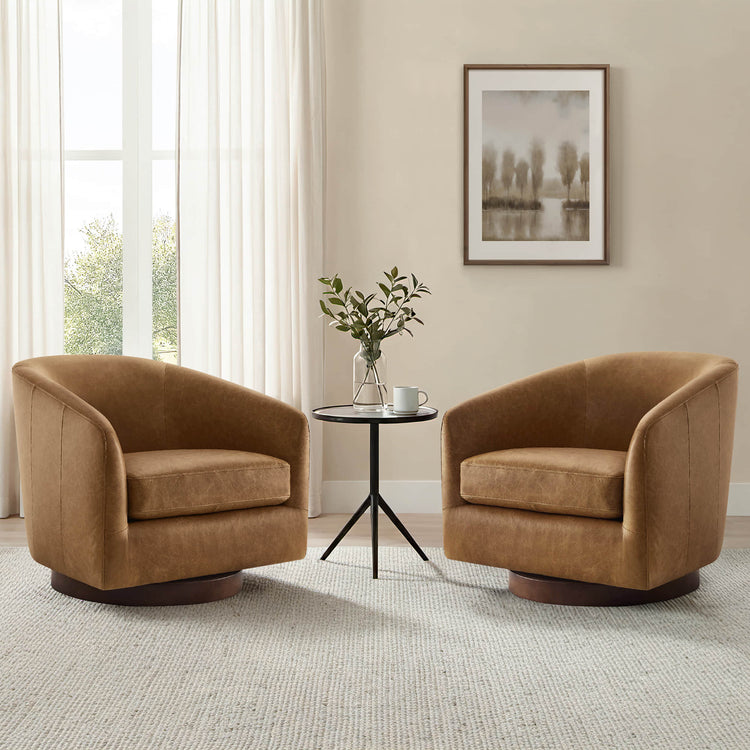
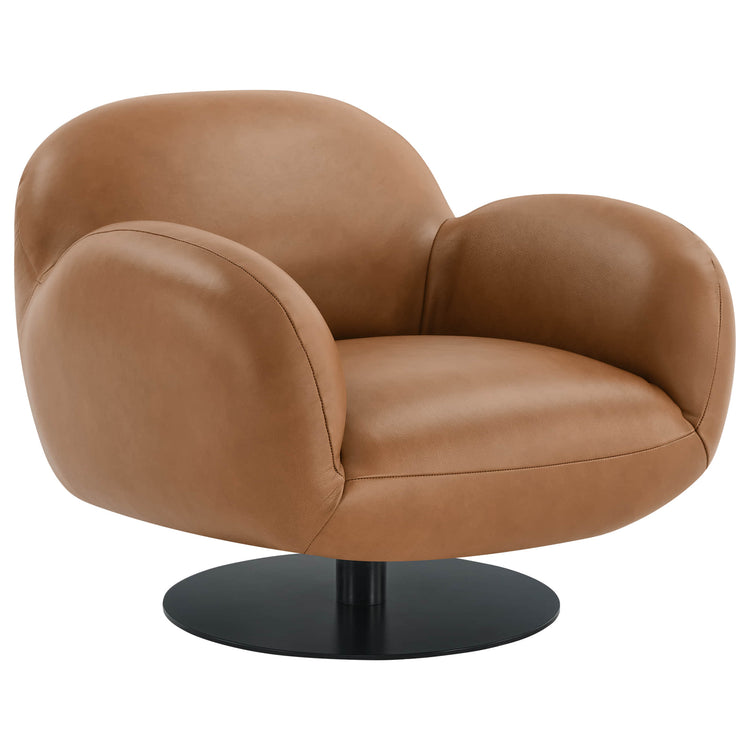
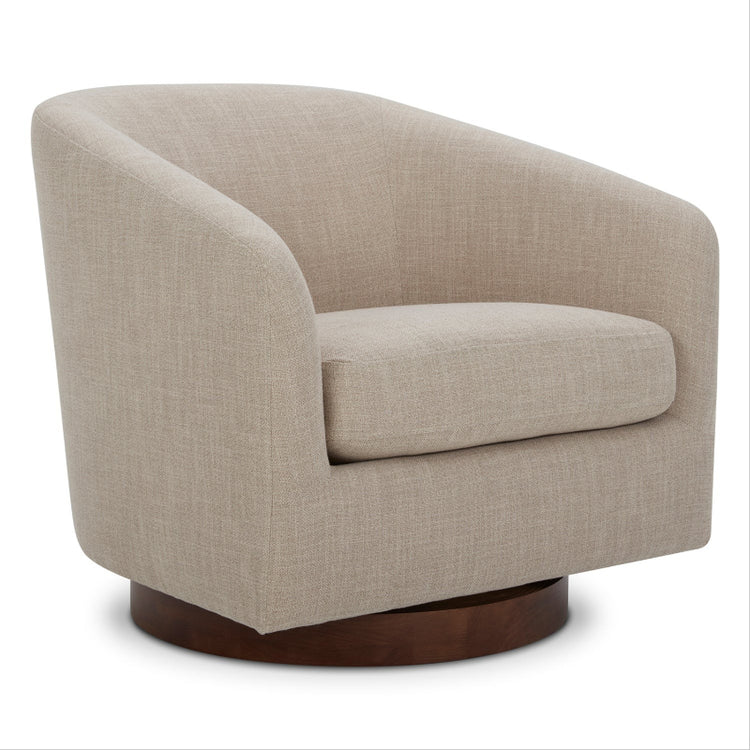

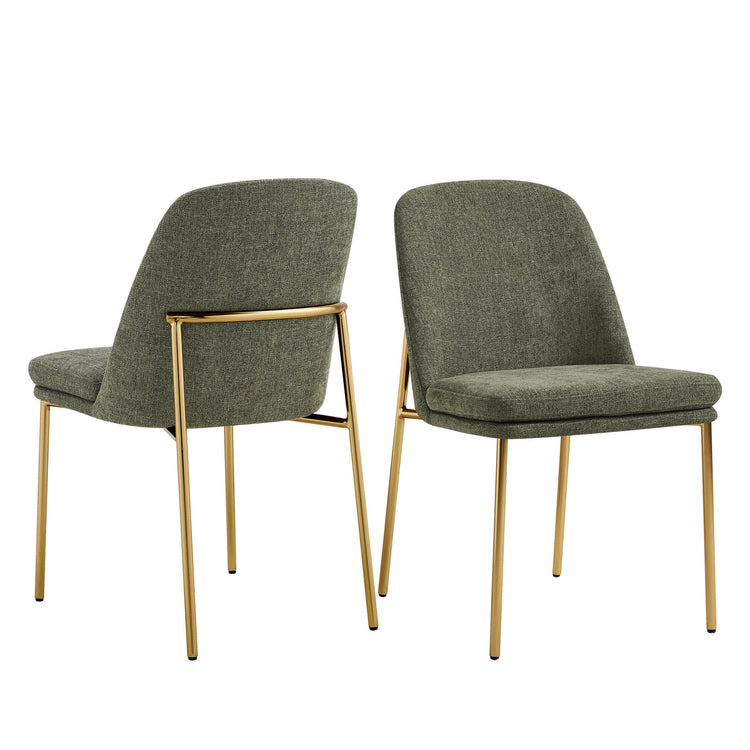












Front Porches Layout Ideas with outdoor furniture

Measure first, then choose the smallest seating format that supports how you use the porch without blocking the path to the door. A single chair often works best in a tight footprint; two chairs support conversation when there's still room to move; a bench suits a linear wall; and a larger grouping needs its own deeper zone. The process is simple: choose, measure, stress-test, and verify.

Choose a Front-Porch Seating Layout by Space and Use
The best front-porch outdoor furniture layout matches your primary activity while keeping the entry route clear. Plan around the porch's main use and circulation before treating any remaining area as a seating zone, as recommended in guidance on planning an outdoor room around its use and entry route and matching seating to the intended activity.
| Layout choice | Best use and space condition | Circulation test and next action |
|---|---|---|
| Single chair | Choose one seat when the usable footprint is tight, the porch is small, or preserving a direct entry route matters more than adding capacity. | Mark the chair at its full assembled depth and width. Open the door and walk the route; keep it only if sitting, standing, and passing remain practical. |
| Pair of chairs | Use two compact chairs when the porch supports conversation and the seating zone is wide enough for both pieces, including any swivel movement. | Test each chair's rotation or movement without letting either piece enter the approach or threshold area. Start with one chair on a constrained porch, then add the second only after the test passes. |
| Bench | A bench works on a narrow or linear porch when it can sit along a wall and its full length stays outside the door and stair path. It's useful when several people may sit without arranging pieces across the route. | Draw the bench's complete length and the space needed to sit down. Measure the narrowest point, then test the door, steps, and everyday path before shopping. |
| Compact conversation grouping | Reserve a chair-and-table or sofa-based grouping for a deeper or larger porch with a distinct seating zone. A long, narrow porch may work better with linear seating than with a centered conversation arrangement. | Treat the group as a separate zone and reserve the route first. Keep it only if people can enter, sit, stand, and pass without routinely moving furniture. |
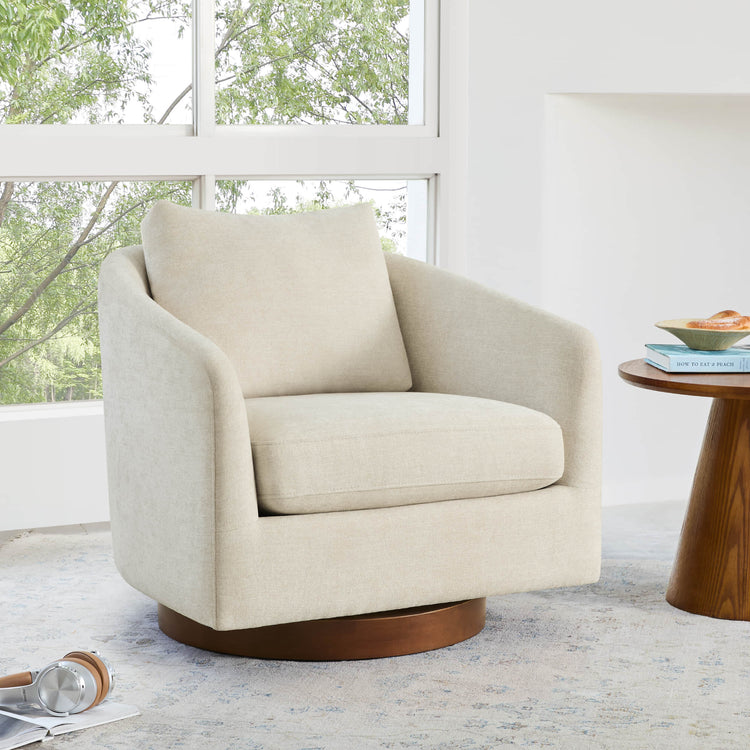
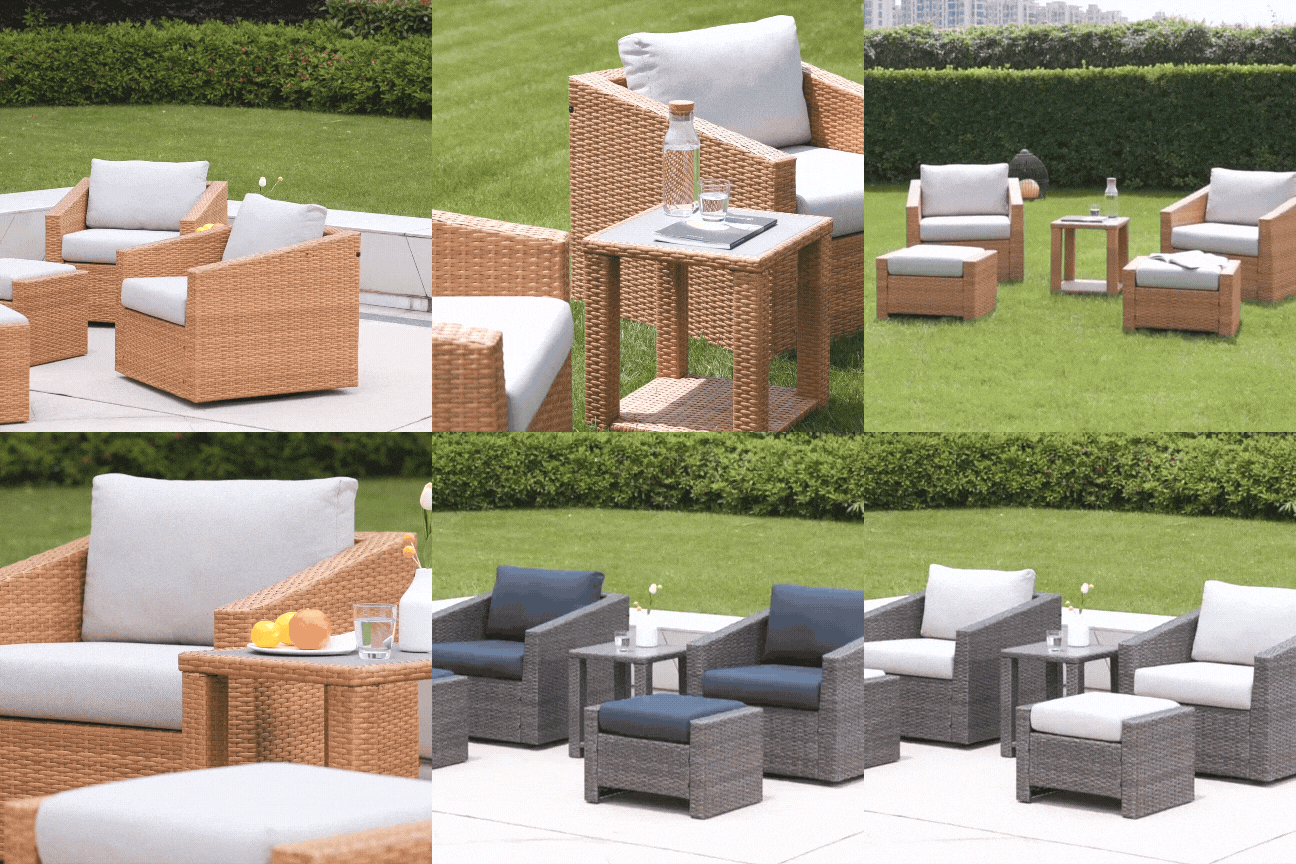
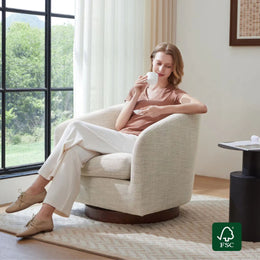
This comparison is a layout selector, not a product ranking. For optional format references, the Marisol accent chair is a single-seat example with a listed 32.3-inch depth, 30.3-inch width, 33.1-inch height, and 360-degree swivel base. The Ellie swivel chair set contains two chairs, each listed at 29.1 inches wide, 28.1 inches deep, and 32.1 inches high. The Clover three-seat sofa is listed at 79.2 inches wide, 30.7 inches deep, and 31.5 inches high. Use those dimensions in your sketch; they don't prove that any item will fit a particular porch.

Covered and exposed porches use the same access test. A roof changes exposure and care considerations, so evaluate the materials separately rather than assuming a covered porch protects every piece.
Measure the Usable Porch Zone Before Choosing Outdoor Furniture
Start with a top-down sketch of the usable porch, not just the overall slab. A scaled drawing lets you compare the complete furniture footprint with traffic flow before you shop; Virginia Cooperative Extension's scaled planning method supports drawing use areas to scale and testing alternate arrangements.
- Record the usable width and depth. Measure at the narrowest relevant points, including areas near the threshold, steps, railings, columns, or posts. Don't use the porch's widest measurement as the available furniture zone.
- Mark fixed features and door movement. Add the threshold, door swing, steps, railings, posts, columns, lights, downspouts, and anything else that affects placement. Show the door's movement rather than marking only its closed position.
- Trace the approach route. Draw the path from the walk or driveway to the threshold and include the steps. Mark the narrowest point through which household members, guests, and delivered furniture must pass.
- Choose one primary use. Decide whether the porch is mainly for one person's coffee, two-person conversation, occasional guest seating, or a larger sitting zone. Make this choice before style enters the decision.
- Label the maximum furniture zone. After subtracting the route and fixed obstacles, write down the maximum assembled width and depth available for furniture. Include armrests, cushions, side-table overhang, and the space needed for a swivel or chair movement.
Compare that labeled zone with each item's assembled width, depth, and height. Then compare the product's package or delivery dimensions with the narrowest access point. A piece can fit the final porch zone but still fail to reach it through a gate, hallway, doorway, or stair approach.
Stress-Test the Chosen Layout Against the Door and Traffic Path
Keep the arrangement only if ordinary entry remains direct and usable during a real movement test. A front-porch seating arrangement should work from the approach, not just look balanced from the street.
Place painter's tape or temporary boxes on the porch using the full furniture footprints from your sketch. Operate the actual door through its normal movement. Walk from the approach to the threshold and steps, sit down, stand up, turn, and pass the furniture as household members and guests would. If a chair swivels, test that movement; if cushions extend beyond the frame, include that overhang.
Test everyday situations as well as an empty porch: carrying packages, welcoming visitors, supervising children, moving around a guest, and accommodating the mobility needs of people who use the home. Include the time needed to move or store cushions if that's part of your routine.
Reject the layout if the door strikes the furniture, the route becomes a squeeze point, the steps or railing are obstructed, a chair must be moved for routine entry, or sitting and standing feel awkward for the people who will use it. Reduce the seating format or shift it along a wall, then repeat the tape test. The site and household determine the workable route; no universal clearance number can replace this test.
Verify Outdoor Furniture Details Before You Buy
A purchase shortlist needs two separate checks: physical fit and exposure-and-care fit. Before checkout, compare the porch's actual sun, rain, wind, and seasonal exposure with the product's listed materials and instructions, then review care guidance for the intended outdoor placement. Outdoor furniture still needs product-specific care, and labels such as outdoor-ready, weather-resistant, water-resistant, or durable don't mean maintenance-free use in every climate.
Use one shortlist for the chosen format. Give each candidate a pass or a reason to reject it:
- Footprint: Record assembled width, depth, and height. Compare them with the maximum zone on your sketch, including arms, cushions, swivel movement, and table overhang.
- Delivery access: Compare box dimensions with the narrowest doorway, gate, stair, turn, or passage. For example, the Ellie fact sheet lists a 24-inch-or-wider doorway fit, but the entire delivery route still needs its own measurement.
- Construction details: Identify the frame, finish, woven or rope components, cushions, covers, and hardware. Use those facts to form questions rather than assume suitability for your local exposure.
- Exposure: Note direct sun, rain, wind, humidity, snow, freeze-thaw cycles, drainage, and how much protection the roof or awning actually provides. A covered porch may still receive wind-driven rain or seasonal moisture.
- Care routine: Read the product's cleaning, drying, storage, repositioning, and cushion instructions. Ask whether cushions need protection after wet weather and whether the routine fits how you plan to use the porch.
- Checkout policies: Confirm assembly requirements, delivery timing and access, returns, warranty coverage, and any landlord, HOA, building, or local placement rules before ordering.
The supplied CHITA examples illustrate different formats without establishing porch fit. Marisol's product details list weather-resistant materials, a solid acacia wood frame, olefin rope, machine-washable olefin cushion covers, no assembly required, a 300-pound weight capacity, a one-year furniture warranty, and a 30-day return policy. Ellie's details list a powder-coated steel frame, PE resin wicker base, reversible cushions, 360-degree swivel, a 350-pound weight capacity, a one-year warranty, and a 30-day return policy. Clover's details list an FSC-certified acacia wood frame, handwoven cord, a water-resistant olefin surface, machine-washable cushion covers, a 79.2-inch-wide modular format, and a one-year warranty. Compare these manufacturer-listed details with the actual porch, exposure, care requirements, and delivery route.
Finish shopping with one written shortlist containing the chosen seating format, maximum assembled footprint, delivery-access measurement, exposure questions, cushion and material care requirements, assembly needs, and returns and warranty checks. If a candidate fails one of those checks, go back to the measured sketch instead of adding furniture and hoping the route works.
Front-Porch Outdoor Furniture Layout FAQs
These answers address the common small-space, linear-layout, measurement, and exposure decisions that follow from the planning method above.
What is the best outdoor furniture layout for a small front porch?
Start with one measured seat or a slim bench, then add capacity only if the door movement and everyday route remain open in the actual space. Use scaled furniture planning before choosing between one chair and a pair, and reject any format that requires routine rearranging for entry.
Can a bench work on a narrow front porch?
Yes, when the bench's full length, sit-down space, and wall placement stay outside the route to the door and stairs. Measure the narrowest point and the bench footprint first; if the entry becomes awkward, choose a smaller seat rather than relying on the bench's shallow appearance.
How do I measure a front porch for outdoor furniture?
Measure usable width and depth at the narrowest points, mark fixed obstacles and door movement, trace the approach route, and draw each candidate at its full assembled size. Compare the remaining zone with both placement dimensions and delivery access before ordering.
What should I check for outdoor furniture on an exposed front porch?
Record the actual mix of sun, rain, wind, humidity, snow, or freeze-thaw exposure. Then compare it with the product's frame, finish, woven or rope components, cushions, covers, and care guidance. Treat outdoor wording as a product detail to evaluate, not a guarantee of maintenance-free or all-climate performance.
Recommended Products

More to Read
 7 Sofa Trends That Actually Improve Comfort in 2026
Upgrade your living room with furniture that supports your body. Here are 7 modern sofa features designed to maximize your daily comfort...
7 Sofa Trends That Actually Improve Comfort in 2026
Upgrade your living room with furniture that supports your body. Here are 7 modern sofa features designed to maximize your daily comfort...
 Mother's Day Gift Guide: Cozy and Stylish Furniture Picks for Modern Moms
Make Mother's Day more meaningful with furniture gifts that bring comfort, smart features, storage, and quiet luxury into her everyday routine.
Mother's Day Gift Guide: Cozy and Stylish Furniture Picks for Modern Moms
Make Mother's Day more meaningful with furniture gifts that bring comfort, smart features, storage, and quiet luxury into her everyday routine.
 Performance Fabric Reality Check: Does It Really Repel Pet Hair and Stains?
Performance fabric is often marketed as a miracle solution for homes with pets and kids, but the reality is more nuanced. It...
Performance Fabric Reality Check: Does It Really Repel Pet Hair and Stains?
Performance fabric is often marketed as a miracle solution for homes with pets and kids, but the reality is more nuanced. It...