
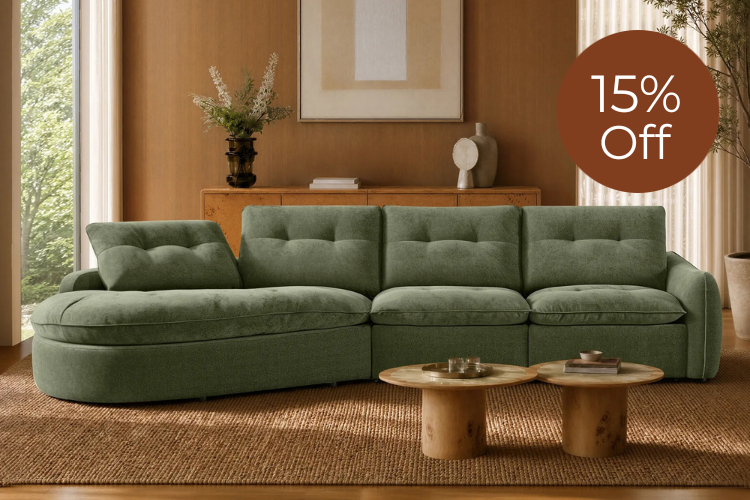
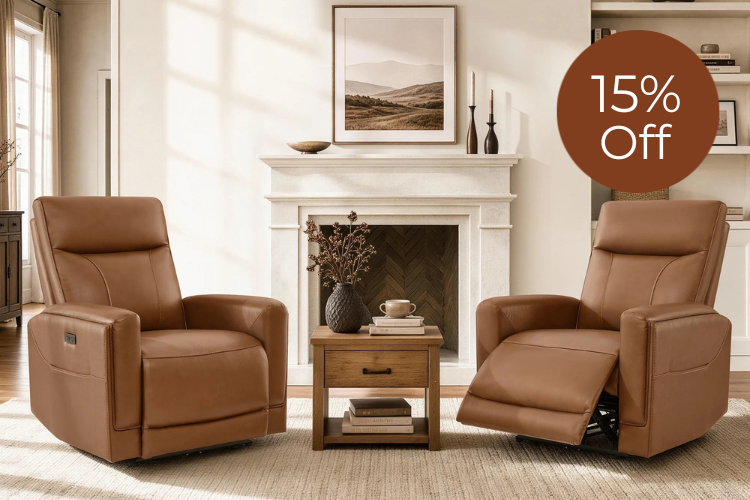
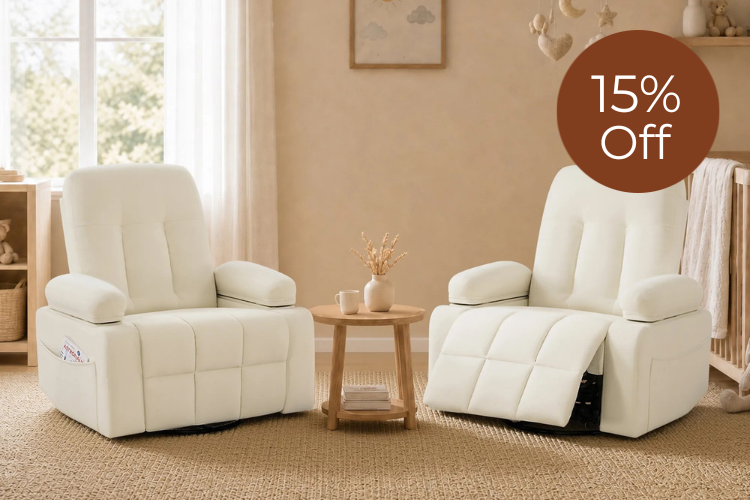








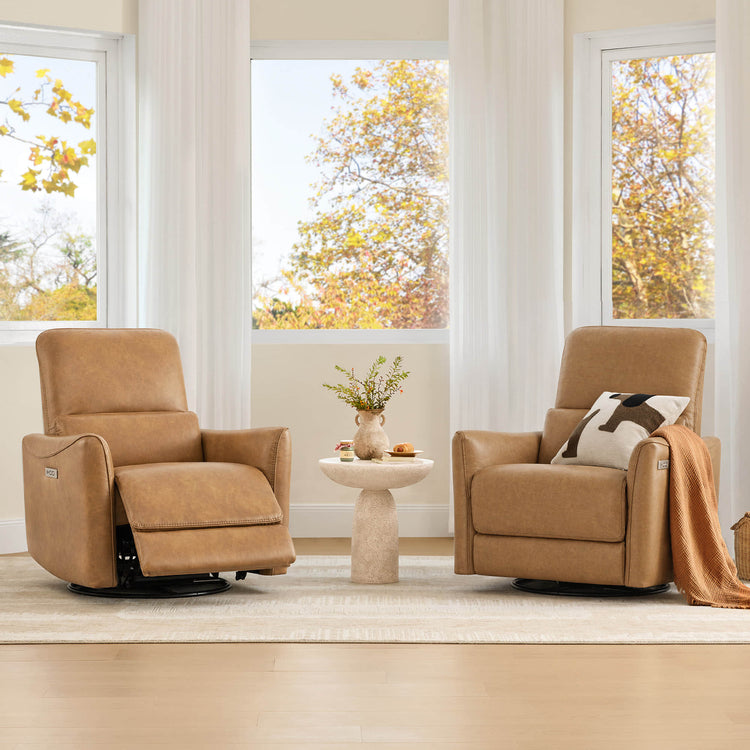
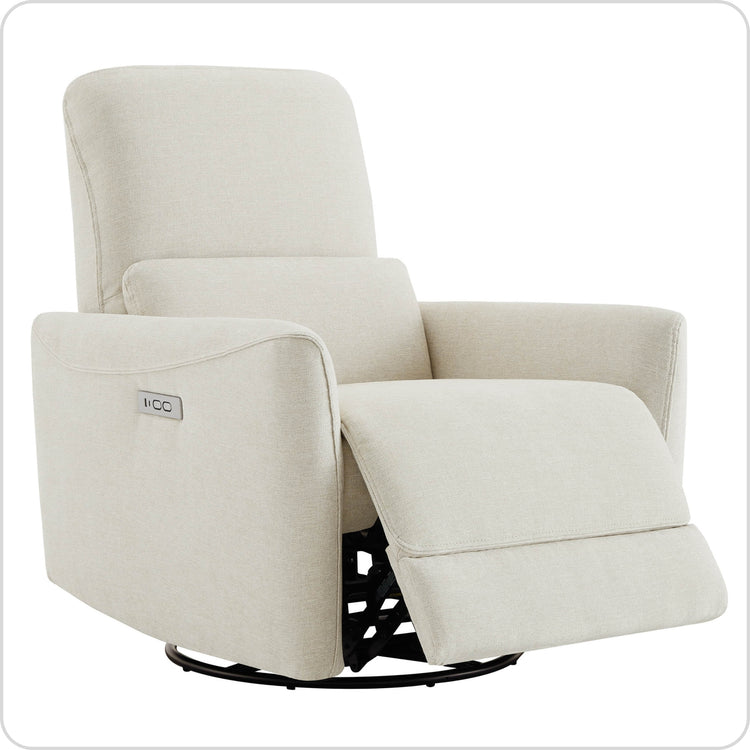
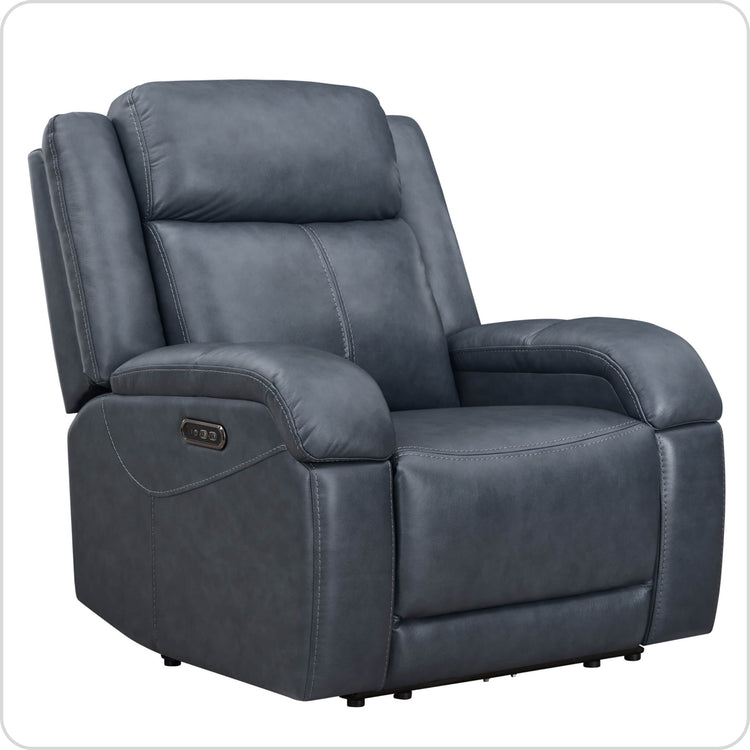
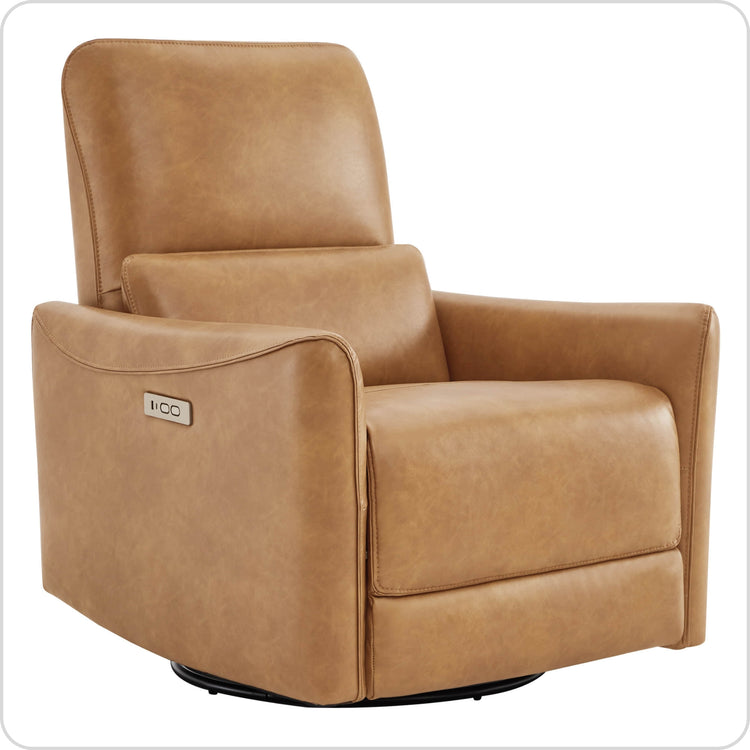





















There's nothing worse than sinking into a beautiful new sofa only to feel it lose its support and start sagging within months. The secret to a sag-free sofa lies not in the initial plushness but in the hidden specs of high-density foam and the full support system underneath. In 2026, buyers who understand pounds per cubic foot (PCF), high-resilience construction, and key testing standards can choose sectionals that maintain shape and comfort for years rather than just looking good in the showroom.

Why Modern Sofas Sag: The Physics of the 'Slouch Trap'
Modern sofas often sag because buyers prioritize that initial cloud-like sink-in feel over long-term structural integrity. This creates a common mismatch: lower-density foams compress easily for instant softness but lack the material mass needed to rebound consistently over time. Daily use, especially in high-traffic family rooms, accelerates this through repeated compression that eventually leads to permanent deformation, or "compression set."
The problem compounds when marketing focuses on surface comfort while downplaying the internal construction. A sofa may feel supportive at first, but without adequate density and a robust underlying system, the cushions gradually flatten in the most-used spots. This is why many otherwise attractive modular sectionals disappoint after the first year or two of real-life use.
Understanding this tradeoff early helps you avoid the cycle of replacing furniture prematurely. The best long-lasting sectional sofas balance comfort with verifiable durability metrics rather than relying on temporary plushness alone.
Decoding the Specs: Density vs. Firmness vs. Sag Factor
Foam density, measured in pounds per cubic foot (PCF), indicates how much material is packed into each unit of volume and serves as the primary indicator of durability and lifespan. Higher PCF means more resilient foam that resists breaking down under repeated use. As the Polyurethane Foam Association explains, quality seating foam typically falls in the 1.8 to 2.5+ PCF range for meaningful sag resistance.
Firmness, measured by Indentation Load Deflection (ILD) or Indentation Force Deflection (IFD), only describes how the foam feels when you first sit down. A soft foam can actually have high density, while a firm foam can be low-density and prone to sagging over time. This distinction trips up many buyers who assume "firm" automatically equals "durable."
The often-overlooked Sag Factor, derived from ASTM D3574 testing, provides deeper insight into support under compression. This metric evaluates how well the foam maintains support as it compresses deeply, making it a better predictor of long-term performance than initial firmness alone. Instron's overview of ASTM D3574 details the multiple mechanical tests involved in assessing these properties.
Which Foam Metric Best Predicts Cushion Longevity?
Tiered comparison of the three most common foam specs: density is the strongest longevity signal, while firmness (ILD) mainly describes initial feel and sag factor adds some support context.
View chart data
| Category | PCF (Density) | ILD (Firmness) | Sag Factor (Support) |
|---|---|---|---|
| Low | 1.0 | 3.0 | 1.0 |
| Medium | 2.0 | 2.0 | 2.0 |
| Premium | 3.0 | 1.0 | 3.0 |
Built from PFA guidance on density and durability plus Instron’s ASTM D3574 overview; tier labels compress common upholstery ranges around 1.8–2.5+ PCF and support-factor testing into decision-friendly bands.
This chart helps visualize why density deserves priority when evaluating a high-density foam sofa. Premium options typically combine higher PCF with balanced Sag Factor ratings for better long-term support.

True high-resilience (HR) foam generally starts at around 2.5 PCF with a specific cell structure for superior spring-back, though this serves as an industry benchmark rather than an absolute requirement for every setup. Even quality foam benefits from proper care, such as occasional fluffing in designs that incorporate feather wraps.
Beyond the Foam: The Full Support System
High-density foam alone cannot guarantee a sag-free sectional. The complete support system—including the frame, suspension, and cushion design—works together to maintain shape over time. A high-density foam modular sofa performs best when paired with quality components that prevent the foam from working against a weakening foundation.
Kiln-dried hardwood frames resist warping that could misalign cushions and create uneven pressure points. Sinuous "no-sag" springs provide consistent tension so the foam can rebound properly rather than settling into a permanent depression. In modular designs, robust connectors are essential to prevent seat drift between sections during everyday use.
Our internal quality standards emphasize this full-system approach, as detailed in our guide to identifying good or bad quality furniture. When any element in the system underperforms—such as widely spaced springs or a frame that flexes over time—even premium foam will eventually follow the path of least resistance and appear to sag.
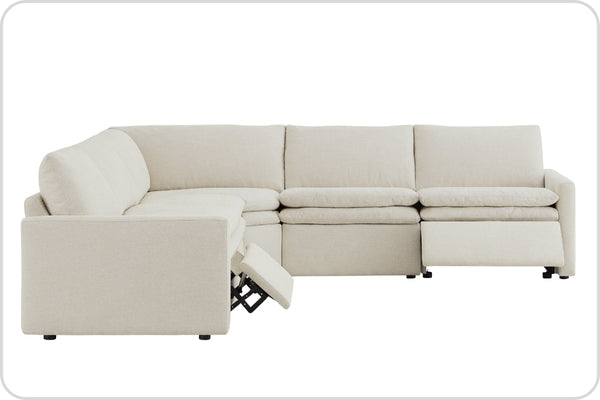
This is especially relevant for reclining sectional that won’t sag options, where the mechanisms add another layer of engineering that must integrate smoothly with the foam and suspension.
The Buyer’s Checklist: Spotting Quality Internal Materials
Evaluating a sofa requires looking past marketing adjectives to verifiable specifications. Start by checking for CertiPUR-US® certification, which confirms the foam meets independent standards for durability, emissions, and content. As explained on the official CertiPUR-US site, this provides a trustworthy baseline that the materials won't break down prematurely.
Next, look for explicit PCF ratings: 1.8 PCF offers solid performance for most households, while 2.5+ PCF signals premium construction aimed at longer lifespan. Avoid sofas that only mention "high density" without numbers or that focus solely on fabric performance rather than cushion specs.
Frame material matters too—kiln-dried hardwood has become the standard for longevity in 2026 because it maintains structural integrity better than engineered alternatives that may warp with humidity changes. Watch for red-flag phrases like "cloud-like" or "sink-in comfort" without accompanying density or certification details, as these often indicate lower-density foam prioritized for initial feel over durability.
A practical self-check involves asking retailers for the full spec sheet rather than accepting vague terms like "premium fill" or "performance cushion." This checklist helps filter out options that look luxurious but are built for shorter-term use.
Choosing Your Sag-Free Sectional: A Decision Framework
Select your ideal construction by first assessing your household's usage patterns. High-traffic family rooms with kids or pets benefit most from higher-density foam (2.0 PCF+) paired with robust sinuous springs and a hardwood frame. For apartments or occasional-use spaces, a well-balanced 1.8 PCF system may suffice while still offering good value.
Consider your priorities in the comfort-versus-durability tradeoff. Those who want maximum plushness should look for designs that layer high-resilience foam over supportive bases rather than relying on ultra-soft low-density foam throughout. Modular buyers should verify that connectors and individual modules maintain the same quality standards across the set.
The smartest investment comes when you match the sofa's internal specs to your expected lifespan needs. A long-lasting sectional sofa with proper high-density foam and full-system support typically delivers better long-term satisfaction than one chosen purely for appearance or initial softness.
For those seeking flexible layouts with reliable performance, explore our modular recliner sofa options that incorporate these principles. Similarly, collections like the Skyline Zero Gravity Power Reclining Sofa demonstrate how modern mechanisms can integrate with quality foam systems.
Additional reading on avoiding common pitfalls can be found in our guide to 9 common sofa buying mistakes and the benefits of modular recliner sofas. For fabric considerations that complement durable construction, review our comparison of performance fabric vs leather for recliners.
Frequently Asked Questions
What Does High-Density Foam Mean in Sofas?
High-density foam refers to material weighing 1.8 pounds or more per cubic foot. This higher mass provides greater resistance to compression and breakdown compared to standard foams below 1.5 PCF. However, density should be evaluated alongside the full support system rather than in isolation.
Is Higher Foam Density Always Better for Longevity?
Higher density generally correlates with better durability up to a practical point around 2.5-3.0 PCF for residential use. Beyond that, diminishing returns and increased weight may affect practicality. The key is matching density to your usage intensity while ensuring compatible frame and suspension components.
How Does Sag Factor Differ From Regular Firmness Ratings?
Sag Factor measures support under significant compression, revealing how the foam performs after you sink in deeply. Standard firmness (ILD) only assesses initial resistance at a shallower depth. This makes Sag Factor more relevant for predicting real-world shape retention over months and years.
Can a Reclining Sectional Truly Stay Sag-Free?
Reclining sectionals can maintain excellent support when built with high-density foam, reinforced mechanisms, and quality suspension. The key is verifying that the reclining hardware does not compromise the underlying foam support over repeated cycles. Look for models that explicitly address both motion and cushion durability.
What Should I Ask Before Buying a Modular Sofa Online?
Request specific PCF ratings, frame material details, suspension type, and certification information. Ask how the modular connectors are engineered to prevent shifting and whether replacement modules will match the original density specs. These details help predict long-term performance beyond the photos.
How Often Should I Maintain High-Density Foam Cushions?
Rotate and fluff cushions every 1-2 months, especially in feather-blend designs. While high-density foam resists sagging better than lower-density alternatives, periodic maintenance helps distribute wear evenly. Avoid placing heavy objects on one spot for extended periods.
Recommended Products




More to Read
 7 Sofa Trends That Actually Improve Comfort in 2026
Upgrade your living room with furniture that supports your body. Here are 7 modern sofa features designed to maximize your daily comfort...
7 Sofa Trends That Actually Improve Comfort in 2026
Upgrade your living room with furniture that supports your body. Here are 7 modern sofa features designed to maximize your daily comfort...
 Mother's Day Gift Guide: Cozy and Stylish Furniture Picks for Modern Moms
Make Mother's Day more meaningful with furniture gifts that bring comfort, smart features, storage, and quiet luxury into her everyday routine.
Mother's Day Gift Guide: Cozy and Stylish Furniture Picks for Modern Moms
Make Mother's Day more meaningful with furniture gifts that bring comfort, smart features, storage, and quiet luxury into her everyday routine.
 Performance Fabric Reality Check: Does It Really Repel Pet Hair and Stains?
Performance fabric is often marketed as a miracle solution for homes with pets and kids, but the reality is more nuanced. It...
Performance Fabric Reality Check: Does It Really Repel Pet Hair and Stains?
Performance fabric is often marketed as a miracle solution for homes with pets and kids, but the reality is more nuanced. It...